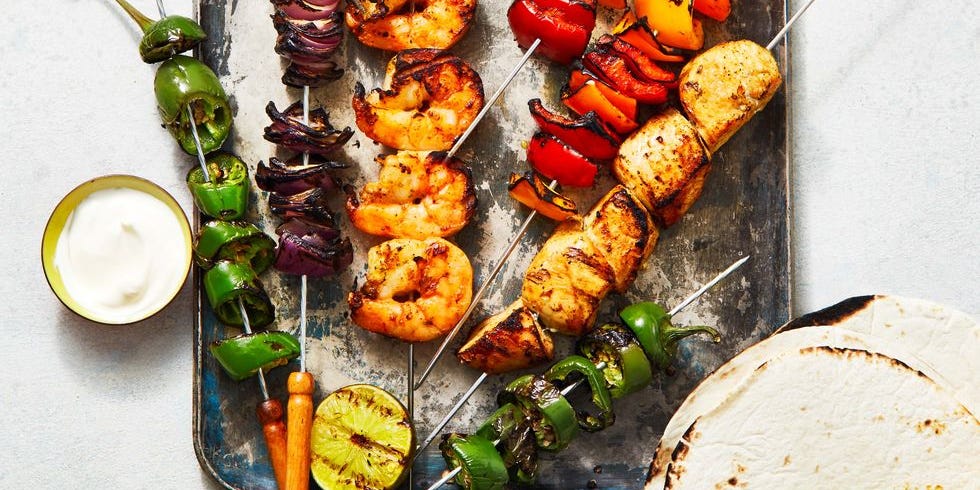
Grilled chicken fajitas are the kind of dinner that makes people drift toward the kitchen before you even call them. The chicken smells smoky, the peppers look like confetti with better life choices, and the tortillas sit there like soft little blankets waiting for glory. Best of all, this meal feels restaurant-worthy without requiring a chef coat, a giant sizzling platter, or the ability to dramatically say “table seven!”
This grilled chicken fajitas recipe is built around juicy marinated chicken, sweet charred bell peppers, tender onions, warm tortillas, and bright toppings. The secret is not complicated: a lime-forward marinade, enough seasoning to wake up the chicken, high heat for real grill flavor, and a short rest before slicing. That last step matters. Slice too soon and the juices run away like they remembered an appointment.
Whether you are cooking for a weeknight dinner, a backyard cookout, a game-day spread, or a “please let everyone build their own plate so I do not have to negotiate toppings” situation, these grilled chicken fajitas deliver big flavor with simple steps.
Recipe Overview
- Prep time: 20 minutes
- Marinating time: 30 minutes to 2 hours
- Cook time: 15 to 20 minutes
- Total time: About 1 hour, depending on marinating time
- Servings: 4 to 6
- Best cooking method: Outdoor grill, grill pan, or cast-iron skillet
Why This Grilled Chicken Fajitas Recipe Works
Great fajitas are all about contrast. You want smoky chicken, sweet vegetables, tangy lime, warm tortillas, and creamy or crunchy toppings. If every bite tastes the same, the fajitas are doing homework instead of having fun.
The marinade in this recipe combines lime juice, olive oil, garlic, chili powder, cumin, smoked paprika, oregano, salt, pepper, and a tiny touch of sugar or honey. The lime brightens the chicken, the oil helps carry flavor and prevents sticking, and the spices create that classic Tex-Mex aroma. The sugar is optional, but it helps the chicken brown beautifully on the grill. Think of it as a tiny caramelization assistant wearing a very small apron.
Chicken breasts work well when cooked carefully, but boneless skinless chicken thighs are also excellent because they stay juicy and forgiving over high heat. If you use chicken breasts, pound them to an even thickness so the thin end does not dry out while the thick end is still thinking about cooking.
Ingredients for Grilled Chicken Fajitas
For the Chicken and Marinade
- 1 1/2 pounds boneless skinless chicken breasts or thighs
- 1/4 cup fresh lime juice, about 2 limes
- 3 tablespoons olive oil
- 3 cloves garlic, minced
- 1 tablespoon chili powder
- 1 teaspoon ground cumin
- 1 teaspoon smoked paprika
- 1 teaspoon kosher salt
- 1/2 teaspoon dried oregano
- 1/2 teaspoon black pepper
- 1/4 teaspoon cayenne pepper, optional
- 1 teaspoon honey or brown sugar, optional for better browning
For the Peppers and Onions
- 3 bell peppers, any color, sliced into strips
- 1 large yellow or red onion, sliced into wedges or thick strips
- 1 tablespoon olive oil
- 1/2 teaspoon kosher salt
- 1/4 teaspoon black pepper
For Serving
- 8 to 12 small flour or corn tortillas
- Fresh cilantro
- Lime wedges
- Salsa or pico de gallo
- Guacamole or sliced avocado
- Sour cream or Mexican crema
- Shredded cheese, optional
- Hot sauce, optional but emotionally encouraged
How To Make Grilled Chicken Fajitas
Step 1: Prepare the Chicken
Pat the chicken dry with paper towels. If using chicken breasts, place them between two sheets of parchment paper or plastic wrap and gently pound them to an even thickness. You are not trying to flatten them into wallpaper; just even them out so they cook at the same speed.
Step 2: Make the Marinade
In a medium bowl, whisk together lime juice, olive oil, garlic, chili powder, cumin, smoked paprika, salt, oregano, black pepper, cayenne, and honey or brown sugar if using. Taste the marinade before adding raw chicken. It should be bold, tangy, smoky, and slightly salty. If it tastes timid, the chicken will taste timid too.
Step 3: Marinate the Chicken
Place the chicken in a large resealable bag or shallow dish. Pour the marinade over it and turn to coat. Refrigerate for at least 30 minutes and up to 2 hours. For chicken thighs, you can push closer to 4 hours. Avoid marinating chicken breasts too long in a highly acidic marinade because the texture can become mushy.
Step 4: Prep the Vegetables
Slice the bell peppers and onion into strips thick enough to survive the grill. Toss them with olive oil, salt, and pepper. If your grill grates are wide, use a grill basket or cook the vegetables in a cast-iron skillet on the grill. Otherwise, the peppers may attempt a dramatic escape through the grates.
Step 5: Preheat the Grill
Heat the grill to medium-high, around 400°F to 450°F. Clean and oil the grates. A hot, clean grill helps the chicken sear instead of stick. Sticking is not flavor; it is the grill stealing dinner.
Step 6: Grill the Chicken
Remove the chicken from the marinade and let excess marinade drip off. Grill for about 5 to 7 minutes per side for chicken breasts, or 6 to 8 minutes per side for thighs, depending on thickness. Cook until the chicken reaches 165°F in the thickest part when checked with a food thermometer.
Step 7: Grill the Peppers and Onions
Grill the vegetables while the chicken cooks or immediately after. Turn them occasionally until they are softened, lightly charred, and sweet around the edges. This usually takes 8 to 10 minutes. Do not cook them into limp sadness; fajita vegetables should still have a little structure.
Step 8: Rest and Slice
Transfer the chicken to a cutting board and rest it for 5 minutes. Then slice it against the grain into thin strips. Cutting against the grain shortens the muscle fibers, which makes each bite more tender. This is one of those tiny steps that makes people think you went to culinary school, even if your main qualification is owning a sharp knife.
Step 9: Warm the Tortillas
Warm tortillas directly on the grill for 15 to 30 seconds per side, or wrap them in foil and place them on the cooler side of the grill. Warm tortillas bend instead of crack, which is important because a fajita that breaks open halfway through dinner becomes a salad with trust issues.
Step 10: Assemble and Serve
Fill each tortilla with sliced chicken, grilled peppers, onions, cilantro, lime juice, and your favorite toppings. Serve immediately while everything is hot, smoky, and slightly chaotic in the best possible way.
Best Tips for Juicy Grilled Chicken Fajitas
Use Fresh Lime Juice
Bottled lime juice works in emergencies, but fresh lime juice gives the marinade a brighter, cleaner flavor. Since fajitas are simple, every ingredient has a louder voice. Let the limes sing.
Do Not Skip the Oil
Oil helps the seasoning cling to the chicken and keeps the meat from sticking to the grill. It also helps the vegetables blister and shine. Without oil, the marinade can taste sharp instead of balanced.
Cook Hot and Fast
Fajitas love high heat. Medium-high grilling creates browning, smoky edges, and those little charred spots that make peppers and onions taste sweeter. Low heat can dry out chicken before it develops good color.
Rest Before Slicing
Resting allows the juices to redistribute. If you slice chicken immediately after grilling, the cutting board gets the flavor instead of your tortilla. The cutting board has had enough.
Season the Vegetables Too
Do not let the chicken be the only seasoned item at the party. Bell peppers and onions need salt, pepper, oil, and heat to become fajita-worthy.
Common Mistakes To Avoid
Marinating Too Long
Lime juice is powerful. A short marinade adds flavor, but an overnight soak can change the texture of chicken breast. For the best grilled chicken fajitas, keep the marinating time between 30 minutes and 2 hours for breasts.
Using Thin Chicken Without Adjusting Time
Thin cutlets cook quickly. Watch them closely and use a thermometer. Guessing with chicken is not charming; it is risky and often dry.
Overcrowding the Grill Basket
If peppers and onions are piled too deeply, they steam instead of char. Spread them out so they can make contact with heat. You want sizzle, not a vegetable sauna.
Serving Cold Tortillas
A cold tortilla can make even excellent fajita filling feel unfinished. Warm tortillas are softer, more fragrant, and better at holding everything together.
What To Serve With Grilled Chicken Fajitas
Grilled chicken fajitas can easily stand alone, but sides make the meal feel complete. Serve them with cilantro-lime rice, Mexican rice, black beans, refried beans, grilled corn, a simple green salad, or chips and salsa. For a lighter dinner, skip the tortillas and build fajita bowls with lettuce, rice, avocado, and pico de gallo.
If you are feeding a group, set up a fajita bar. Put the chicken, peppers, onions, tortillas, sauces, and toppings in separate bowls. This lets everyone build their own plate, which is helpful because one person always wants extra guacamole, another wants no onions, and someone will treat hot sauce like a competitive sport.
Storage and Reheating
Store leftover chicken and vegetables in an airtight container in the refrigerator. For best texture, keep tortillas and toppings separate. Reheat the chicken and vegetables in a skillet over medium heat until warmed through. Add a tiny splash of water if the pan seems dry.
You can also use leftovers in quesadillas, burrito bowls, nachos, omelets, salads, or wraps. Leftover fajita chicken is one of the few leftovers that does not feel like a compromise. It feels like you planned ahead, even if you absolutely did not.
Easy Variations
Spicy Grilled Chicken Fajitas
Add extra cayenne, minced jalapeño, or chipotle powder to the marinade. Serve with hot sauce and pickled jalapeños.
Chicken Thigh Fajitas
Use boneless skinless chicken thighs for extra juicy results. They are especially good for grilling because they stay tender even with a little extra char.
Low-Carb Fajita Bowls
Serve the grilled chicken and vegetables over lettuce, cauliflower rice, or grilled zucchini. Add avocado, salsa, and lime for brightness.
Sheet-Pan Backup Method
No grill? Roast the chicken, peppers, and onions on a hot sheet pan at 425°F until the chicken is cooked through and the vegetables are browned at the edges. You will miss a little grill smoke, but dinner will still be delicious.
Experience Notes: What I’ve Learned From Making Grilled Chicken Fajitas
The best grilled chicken fajitas usually happen when you stop trying to make them complicated. I have seen people turn fajitas into a full engineering project: three marinades, seventeen toppings, two kinds of tortillas, and a spreadsheet of grill temperatures. The truth is simpler. Good chicken, bright lime, warm spices, high heat, and patience for a five-minute rest will take you very far.
One of the biggest lessons is that the vegetables deserve respect. It is easy to treat peppers and onions like colorful background actors, but they carry a lot of the fajita flavor. When they hit the grill and start to blister, their sweetness deepens. Red peppers become almost fruity, green peppers stay a little grassy and sharp, and onions turn sweet and smoky. If you cook them in a grill basket, shake the basket occasionally but do not fuss with it every ten seconds. Let the vegetables sit long enough to pick up color. A little char is not a mistake; it is the point.
Another useful experience: chicken breasts need even thickness. If one end is twice as thick as the other, the thin end will be dry by the time the thick end is safe to eat. A few gentle taps with a meat mallet or rolling pin solve that problem. Chicken thighs, on the other hand, are more relaxed. They are the friend who shows up late but somehow makes the party better. They handle the grill beautifully and stay juicy with less effort.
I have also learned that toppings should support the fajitas, not bury them. A spoonful of guacamole is wonderful. A mountain of sour cream, cheese, salsa, lettuce, and every condiment in the refrigerator can hide the grilled flavor you worked so hard to build. Start simple: chicken, peppers, onions, lime, cilantro, and maybe one creamy topping. Then add more only if the bite needs it.
For parties, the fajita bar is the winning move. Keep the chicken sliced on a warm platter, pile the vegetables beside it, wrap tortillas in a clean towel, and put toppings in small bowls. People love building their own fajitas because it feels casual and generous. It also saves you from assembling twelve tortillas while everyone watches like hungry judges on a cooking show.
Finally, do not underestimate the power of a final squeeze of lime. After grilling, the chicken is smoky and savory, but lime wakes everything up. It cuts through the richness, brightens the peppers, and makes the whole fajita taste fresher. It is the smallest step with the biggest personality. If the fajitas taste good but not great, lime is often the missing little superhero.
Conclusion
Grilled chicken fajitas are proof that a simple dinner can still feel exciting. With a bold lime marinade, properly seasoned vegetables, hot grill heat, and warm tortillas, you can make fajitas that taste smoky, juicy, bright, and deeply satisfying. The recipe is flexible enough for weeknights, festive enough for cookouts, and easy enough that you do not need restaurant equipment to make it shine.
The key is balance: do not over-marinate the chicken, do not under-season the vegetables, do not rush the resting time, and definitely do not serve cold tortillas unless you enjoy fajita heartbreak. Follow these steps and you will have a platter of grilled chicken fajitas that disappears fast, smells amazing, and makes everyone at the table suddenly very interested in “just one more.”
Note: This article is written as original, web-ready HTML body content based on reputable cooking methods and food-safety guidance, with unnecessary source-link markup removed for clean publishing.