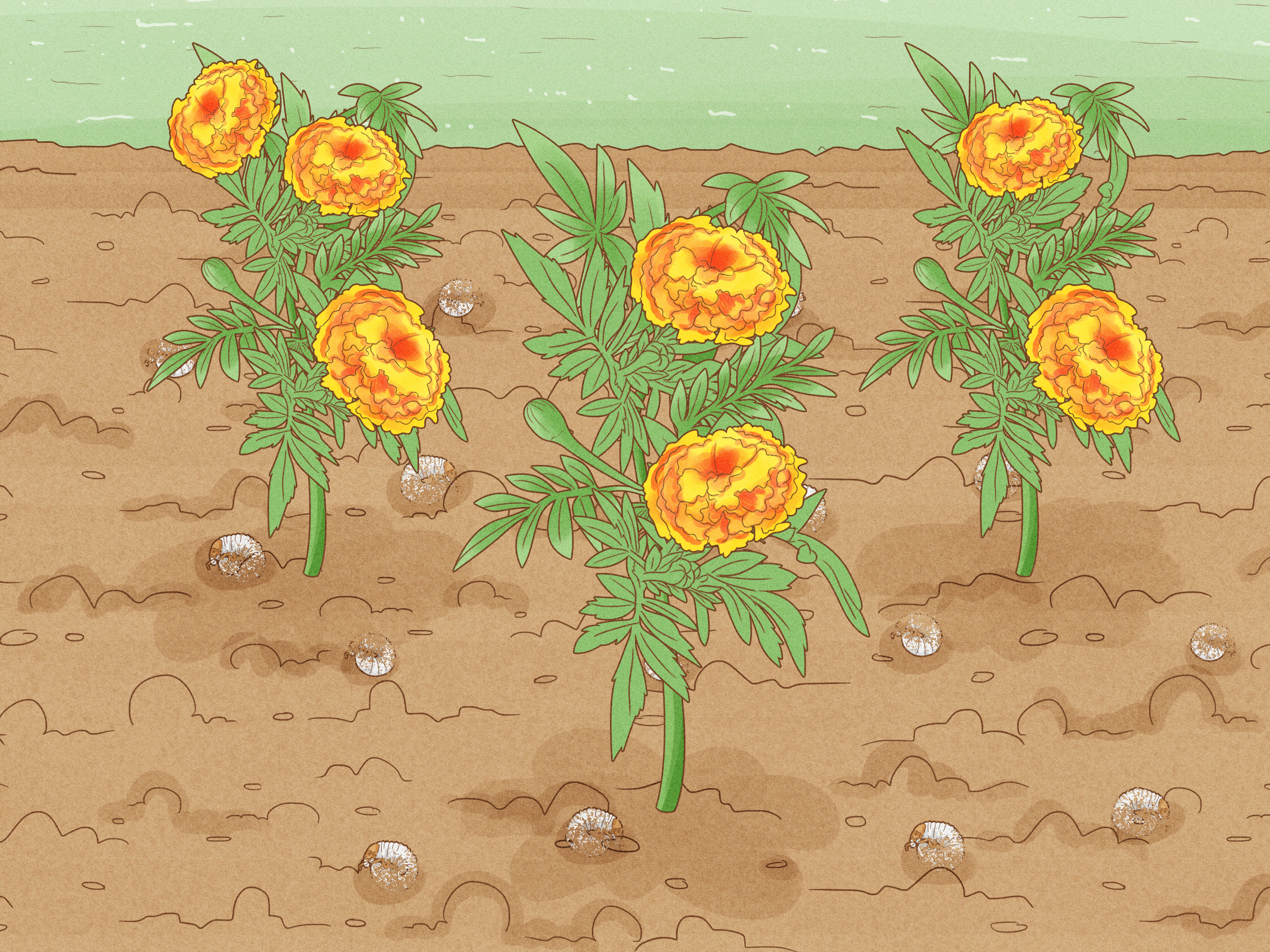
Nematodes sound like something that crawled out of a science fiction movie, but they are very real, very tiny, and sometimes very rude guests in the garden. These microscopic roundworms live in soil, and many are harmless or even helpful. Some, however, are plant-parasitic nematodes that feed on roots, weaken plants, stunt growth, reduce harvests, and make your tomatoes look like they were raised on a diet of bad decisions.
The most common troublemaker in home vegetable gardens is the root-knot nematode. It causes swollen bumps, or galls, on plant roots. Above ground, your plants may look thirsty, yellow, tired, or dramatically underachieving even when you water and fertilize properly. The tricky part is that nematode damage often resembles drought stress, nutrient deficiency, disease, or plain garden heartbreak.
Here is the honest truth: you usually do not “kill nematodes” in the dramatic, one-and-done way you might imagine. In home gardens, the best strategy is to reduce harmful nematode populations, interrupt their life cycle, remove infected roots, heat the soil, rotate crops, grow resistant varieties, and rebuild soil health so plants can fight back. Think of it as pest control with a clipboard, not a flamethrower.
This guide explains how to kill nematodes in 9 practical steps using proven garden methods. You will learn how to identify the problem, clean up infected beds, solarize soil, choose resistant plants, use cover crops, manage weeds, improve organic matter, and avoid spreading nematodes around like microscopic glitter.
What Are Plant-Parasitic Nematodes?
Nematodes are microscopic, worm-like organisms found in nearly every soil environment. Some feed on bacteria, fungi, or insects and contribute to a healthy soil food web. Others feed on plant roots using a needle-like mouthpart called a stylet. These are the ones gardeners complain about while staring suspiciously at a wilting pepper plant.
Root-knot nematodes are especially common in warm, sandy, irrigated soils. They enter plant roots, feed inside the tissue, and cause the root system to form knots or galls. Once roots are damaged, the plant struggles to absorb water and nutrients. The result is slow growth, yellow leaves, poor fruiting, and plants that wilt during the day even when the soil is moist.
Nematodes spread through infested soil, contaminated tools, muddy shoes, transplants, plant debris, irrigation runoff, and sometimes compost that was not fully decomposed. Because they are nearly invisible without magnification, prevention and sanitation matter as much as treatment.
How to Kill Nematodes: 9 Steps
Step 1: Confirm That Nematodes Are Really the Problem
Before declaring war on nematodes, make sure you are fighting the right enemy. Aboveground symptoms can fool even experienced gardeners. Plants damaged by nematodes may look stunted, yellow, wilted, or weak, but the same symptoms can come from poor drainage, low fertility, herbicide injury, root rot, drought, compacted soil, or your neighbor’s cat conducting unauthorized landscaping.
The best clue is underground. Carefully dig up a struggling plant, keeping as much of the root system intact as possible. Shake off loose soil and inspect the roots. Root-knot nematodes often cause swollen knots, beads, or irregular galls on roots. Carrots may become forked, hairy, or distorted. Okra, tomatoes, peppers, cucumbers, melons, beans, and many ornamentals can show root swelling when heavily infested.
For a more accurate answer, send a soil and root sample to your local Extension office or plant diagnostic lab. Sampling is especially helpful because different nematode species require different management strategies. The best time to sample is often near harvest or in late summer to early fall, when populations are usually higher.
Step 2: Remove Infected Plants and Roots Immediately
Once you know nematodes are present, remove infected plants after harvest or when they are too damaged to recover. Do not leave old roots in the bed. Root-knot nematodes live and reproduce in roots, so abandoned root systems are basically a luxury apartment complex for pests.
Pull up the entire plant, including as many roots as possible. Bag and discard heavily infested roots. Do not toss galled roots into a casual backyard compost pile unless you are certain the pile heats thoroughly and decomposes completely. A lukewarm compost pile is not a treatment; it is a nematode spa with banana peels.
After removing plants, rake out root fragments and crop debris. The cleaner the bed, the fewer places nematodes have to survive and wait for the next crop. This step will not eliminate every nematode, but it sharply reduces the number that can continue feeding and reproducing.
Step 3: Clean Tools, Shoes, Pots, and Garden Equipment
Nematodes do not fly, jump, or send calendar invites. They move mainly when infested soil moves. That means tools, shoes, wheelbarrows, plant pots, gloves, and garden equipment can carry them from one bed to another.
After working in an infested area, wash soil from shovels, trowels, rakes, pruners, tomato cages, stakes, and boots. A stiff brush and strong stream of water remove most contaminated soil. For tools and containers, sanitation is especially important before using them in clean potting mix or a new garden bed.
Also be careful with transplants. Inspect roots before planting, especially if plants came from a shared garden, plant swap, or unknown source. Healthy roots should look clean and fibrous, not swollen with suspicious little knots. Buying from reputable nurseries reduces the risk of bringing nematodes into the garden in the first place.
Step 4: Solarize the Soil During Hot Weather
Soil solarization is one of the best nonchemical ways to kill nematodes near the soil surface. It uses sunlight, moisture, and clear plastic to heat the soil until many pests, weed seeds, and soilborne pathogens cannot survive. It is not glamorous, but neither is watching your eggplants collapse in July.
To solarize a garden bed, first remove plants, weeds, rocks, and debris. Rake the soil smooth and water it deeply. Moist soil conducts heat better than dry soil. Next, cover the area tightly with clear plastic, not black plastic. Bury the edges or weigh them down so heat cannot escape. Leave the plastic in place for four to six weeks during the hottest, sunniest part of summer.
Solarization works best in warm climates and full sun. It is most effective in the upper layer of soil, often the top 6 to 12 inches. Nematodes deeper in the soil may survive and move upward later, so solarization should be combined with crop rotation, resistant varieties, sanitation, and organic matter improvement.
Step 5: Rotate Crops With Non-Host or Resistant Plants
Crop rotation helps reduce nematodes by denying them their favorite food. If you plant tomatoes in the same bed every year, root-knot nematodes may assume you are running an all-you-can-eat buffet. Rotate susceptible crops away from infested areas for at least one or two seasons whenever possible.
The challenge is that root-knot nematodes have a wide host range. Many common vegetables can support them, including tomatoes, peppers, okra, beans, cucumbers, squash, melons, carrots, and sweet potatoes. That means rotation must be planned carefully. Grasses, certain grains, resistant cowpeas, and selected cover crops may help, but host status depends on the nematode species and local conditions.
For small gardens, divide the space into sections. Move susceptible crops to cleaner beds, and use infested beds for resistant varieties, French marigolds, cover crops, or soil solarization. If your garden is tiny, containers filled with sterile potting mix may be the easiest way to grow highly susceptible crops while you rehabilitate the soil.
Step 6: Choose Nematode-Resistant Varieties
Resistant varieties are one of the smartest tools for managing root-knot nematodes. Resistance does not always mean the plant is completely immune, but it can reduce nematode reproduction and help the plant produce a better crop despite pest pressure.
When shopping for tomato seeds or transplants, look for the letter “N” in the disease-resistance code. It indicates resistance to root-knot nematodes. You may see labels such as VFN, which means resistance to Verticillium wilt, Fusarium wilt, and nematodes. Many tomato cultivars include nematode resistance, and some pepper, cowpea, lima bean, and sweet potato varieties are also bred for improved resistance.
Always match the variety to your region. A tomato that performs beautifully in the Southeast may sulk in a cooler climate, and a resistant cultivar still needs proper watering, soil fertility, spacing, and sunlight. Resistance is not magic. It is armor. The plant still appreciates not being planted in a battlefield wearing flip-flops.
Step 7: Use French Marigolds as a Suppressive Cover Crop
French marigolds, especially selected Tagetes patula varieties, can suppress some root-knot nematodes when grown densely as a cover crop. The key word is densely. A few marigolds tucked between tomatoes may look cheerful, but they are unlikely to do much nematode control. Nematodes are not intimidated by decorative borders.
For best results, plant French marigolds across the entire infested bed and grow them for a full season or several months. Keep weeds out during this period because weeds can host nematodes and ruin the strategy. At the end of the season, remove or incorporate the marigold biomass according to your garden plan.
Marigold suppression is not equally effective against every nematode species, and results can vary. Still, it is a useful low-risk option for gardeners who want a nonchemical method, especially when combined with solarization, rotation, and resistant varieties.
Step 8: Add Organic Matter and Reduce Plant Stress
Organic matter may not instantly kill nematodes, but it can reduce damage and improve the soil environment. Compost, aged manure, leaf mold, and cover crop residues increase water-holding capacity, improve soil structure, support beneficial microorganisms, and help plants grow stronger root systems.
This matters because nematode-damaged plants suffer most when they are also stressed by drought, low fertility, heat, compaction, or poor drainage. A plant with a healthier root zone is better able to tolerate some feeding damage. In sandy soils, where nematodes often thrive, organic matter is especially valuable because it helps the soil hold moisture and nutrients.
Use finished compost, not questionable mystery compost full of undecomposed roots. Apply two to three inches of compost to beds and mix it into the topsoil before planting, or use it as a surface amendment around established plants. Mulching also helps regulate moisture and temperature, making life easier for plants and slightly less convenient for pests.
Step 9: Keep Weeds Down and Plan Long-Term Control
Weeds are often overlooked in nematode control, but they can keep nematode populations alive between crops. Many weeds serve as hosts, allowing plant-parasitic nematodes to feed and reproduce even when your vegetable bed appears “empty.” In other words, a weedy fallow bed is not resting. It is secretly running a pest daycare.
Keep infested areas weed-free, especially during fallow periods, solarization preparation, and marigold cover cropping. Pull weeds before they establish deep roots. Mulch pathways, clean bed edges, and avoid letting volunteer tomatoes, nightshades, pigweed, nutsedge, or other common garden weeds take over.
Long-term control works best as an integrated plan. Use sanitation every season. Rotate crops. Plant resistant varieties. Solarize when climate and timing allow. Build organic matter. Remove infected roots. Avoid moving contaminated soil. No single method eliminates nematodes completely, but stacking several methods can bring populations below damaging levels and keep your garden productive.
Should You Use Chemical Nematicides?
Most home gardeners should be cautious with chemical nematicides. Many traditional nematicides and soil fumigants are restricted-use products intended for trained or licensed applicators, not casual backyard use. Some biological or botanical nematicide products are available, but results can vary, and they must be used exactly according to the label.
If you decide to use any pesticide or nematicide, read the label before buying and again before applying. Confirm that the product is labeled for your crop, your pest, and your site. Wear required protective gear, follow timing restrictions, observe re-entry intervals, and never assume that “a little extra” means “a little better.” In gardening, as in cooking and hair dye, more is not always your friend.
For most home gardens, cultural methods are safer, cheaper, and more sustainable. Solarization, resistant varieties, crop rotation, sanitation, marigold cover cropping, and soil health improvements should be your first line of defense.
Common Signs of Nematode Damage
- Plants wilt during the day even when soil moisture seems adequate.
- Leaves turn yellow, pale, or generally unhealthy.
- Plants remain stunted compared with nearby healthy plants.
- Vegetables produce fewer flowers or smaller harvests.
- Roots show knots, galls, swelling, excessive branching, lesions, or missing feeder roots.
- Damage appears in patches rather than evenly across the whole garden.
- Problems are worse in warm, sandy, frequently irrigated soil.
Plants Commonly Affected by Root-Knot Nematodes
Root-knot nematodes attack many garden plants. Commonly affected crops include tomatoes, peppers, eggplants, okra, beans, peas, cucumbers, squash, melons, carrots, beets, lettuce, sweet potatoes, and many ornamentals. Some plants show obvious root galls, while others may show subtle root damage and aboveground decline.
Because susceptibility varies by crop and variety, check seed catalogs, Extension recommendations, and plant labels for nematode resistance. In areas with a known history of root-knot nematodes, resistant varieties should be part of the garden plan from the beginning, not a desperate midseason apology.
Mistakes to Avoid When Controlling Nematodes
Planting the Same Crop in the Same Bed Every Year
Repeating susceptible crops allows nematodes to build up quickly. Rotate plant families and use resistant varieties where possible.
Composting Infested Roots Carelessly
Galled roots can contain nematodes. Unless your compost reaches proper high temperatures and decomposes thoroughly, dispose of badly infested roots instead.
Using Random “Soil Sterilizing” Tricks
Bleach, salt, gasoline, harsh cleaners, and other home experiments can damage soil, harm plants, pollute runoff, and create bigger problems than nematodes. Use proven methods.
Ignoring Weeds
Weeds can host nematodes. A clean bed helps break the pest cycle.
Expecting Instant Results
Nematode control is usually gradual. You reduce populations over seasons, not overnight. Gardening is a long game, and unfortunately, nematodes did not receive the memo about your weekend schedule.
of Practical Experience: What Nematode Control Looks Like in a Real Garden
In real life, nematode control rarely begins with a perfect diagnosis. It usually starts with a gardener staring at a sad tomato plant and saying, “But I watered you yesterday.” The plant wilts anyway. The leaves yellow. The fruit set is disappointing. Fertilizer helps for about five minutes emotionally, then nothing changes. Finally, someone pulls the plant and sees roots covered with little swollen knots. That is the moment the mystery becomes much less mysterious.
One practical lesson is that nematodes often show up in patches. A row of peppers may have three healthy plants and two miserable ones. The damaged plants are not necessarily weaker varieties or “bad seedlings.” They may simply be sitting in a hot spot where nematode populations are high. This patchy pattern is useful because it tells you where to focus sampling, solarization, and crop rotation.
Another lesson is that cleanup matters more than gardeners want to admit. At the end of the season, it is tempting to chop plants at soil level and call it done. That may be fine in clean beds, but in nematode-infested beds, leaving roots behind keeps the problem going. Pulling roots, removing debris, and cleaning tools feels boring, but it is one of the most effective habits you can build. The garden may not applaud, but next year’s plants will quietly appreciate it.
Solarization is also more successful when done carefully. Many gardeners lay down plastic loosely, leave gaps along the edges, forget to water first, or remove it after two weeks because they are eager to plant. That is like baking bread for six minutes and wondering why it is soup. The soil needs moisture, tight plastic, strong sun, and enough time. Four to six hot weeks can make a noticeable difference, especially in raised beds or open sunny plots.
Resistant varieties can feel like cheating, but they are really good planning. A nematode-resistant tomato may not look heroic on the seed packet, but in infested soil it can outperform a famous heirloom that has no resistance. This does not mean you must give up heirlooms forever. Grow susceptible favorites in containers with fresh potting mix while using resistant varieties in problem beds.
French marigolds are another area where expectations need adjusting. A few pretty marigolds around the garden are great for color, but they are not a serious nematode treatment. To suppress nematodes, marigolds need to be planted thickly as a cover crop and given time to work. It is less “cute companion planting” and more “marigold army.”
The biggest experience-based takeaway is that nematode control is not about one miracle cure. It is about stacking small advantages. Remove infected roots. Stop moving dirty soil. Solarize when possible. Rotate crops. Plant resistant varieties. Keep weeds down. Add compost. Use containers when needed. Over time, the garden becomes less welcoming to harmful nematodes and more supportive of healthy plants. You may never eliminate every nematode, but you can absolutely reduce their damage and reclaim your harvest.
Conclusion
Killing nematodes in garden soil is really about reducing harmful populations and preventing them from roaring back. Since many nematodes live inside or around plant roots, effective control starts before planting and continues after harvest. The strongest approach combines diagnosis, sanitation, solarization, crop rotation, resistant varieties, French marigold cover crops, organic matter, weed control, and careful tool cleaning.
Remember, not all nematodes are bad. Your goal is not to sterilize the earth into a lifeless sandbox. Your goal is to manage plant-parasitic nematodes so your vegetables, flowers, shrubs, and fruiting plants can grow vigorously again. With patience and a smart plan, even a nematode-infested bed can become productive. The tiny worms may be persistent, but gardeners are stubborn tooand we have compost.
Note: This article is based on established horticultural and Extension-style guidance for managing plant-parasitic nematodes in home gardens. Always follow local recommendations and product labels when using any garden treatment.