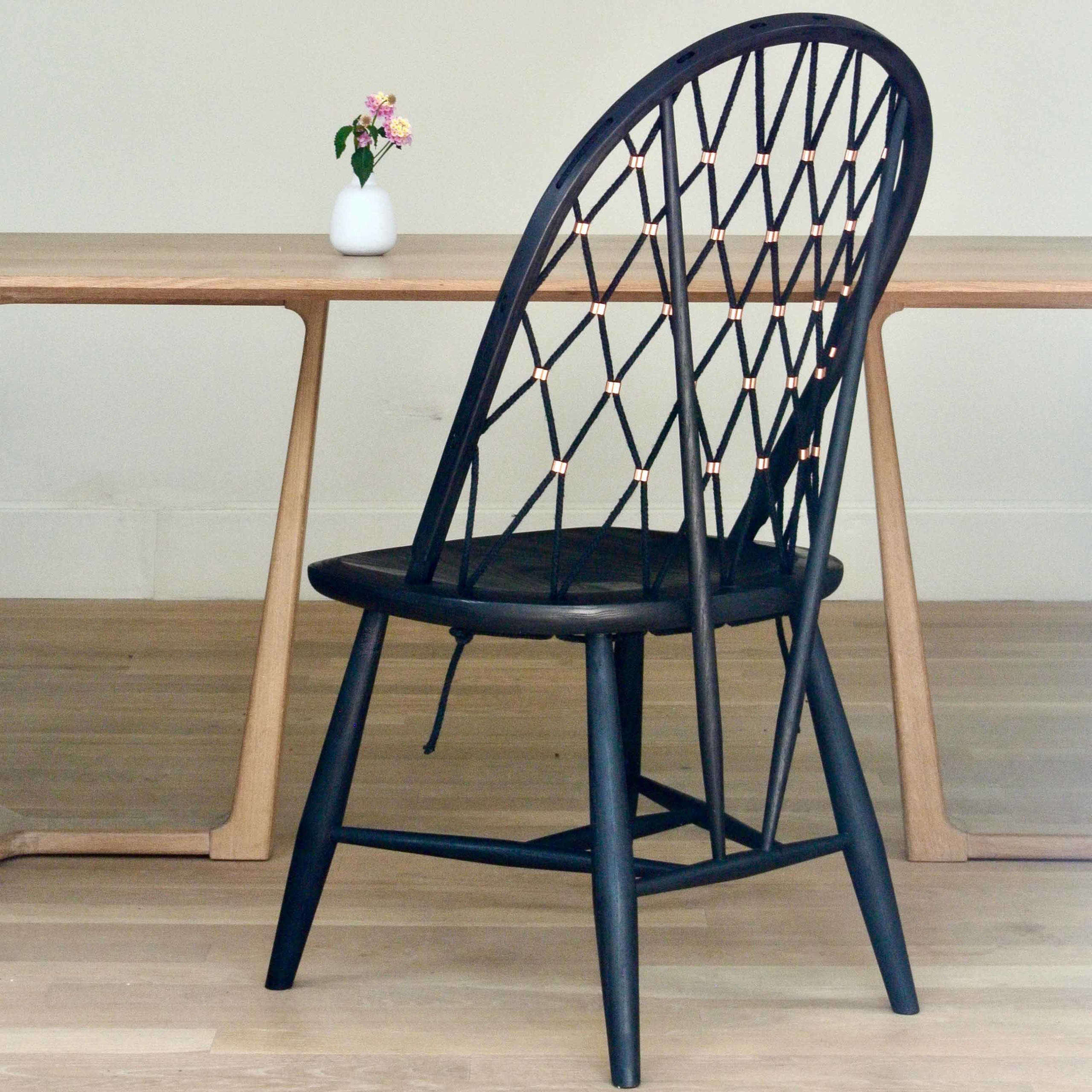
A woven bow back chair sounds like something a charming cottage would whisper about over tea, but this seating style is far more than a pretty furniture phrase. It blends the curved elegance of the classic bow back chair with the texture, breathability, and handmade character of woven materials. The result is a chair that feels historic without being dusty, modern without looking cold, and comfortable without needing to shout, “Look at me, I am ergonomic!”
At its best, the woven bow back chair is a design bridge. One foot stands in traditional American and English chairmaking, especially the Windsor family of chairs. The other foot steps confidently into contemporary interiors where natural materials, tactile surfaces, and sculptural silhouettes are having a very good decade. Whether placed around a dining table, in a reading corner, beside a desk, or as an accent piece in an entryway, this chair carries a rare combination of visual lightness and structural confidence.
In this guide, we will look closely at what makes a woven bow back chair special, how it compares with similar chairs, what materials to look for, how to style it, and how to care for it so it does not quietly turn into a decorative laundry rack. Because let us be honest: every beautiful chair is only one busy Tuesday away from holding a jacket, a backpack, and possibly emotional baggage.
What Is a Woven Bow Back Chair?
A woven bow back chair is typically defined by two major features: a rounded or arched back frame and a woven element used either in the backrest, seat, or both. The “bow back” refers to the curved upper rail that forms a graceful arc behind the sitter. In traditional Windsor-style chairs, this bow often holds vertical spindles. In newer interpretations, the back may include woven webbing, cord, cane, rush, rattan, or other flexible materials.
The “woven” part is where the chair gains its personality. A woven surface creates texture, airflow, and a sense of craftsmanship. It softens the harder structure of wood and makes the chair feel warmer in a room. Unlike a solid upholstered dining chair, a woven bow back chair does not visually block space. It lets light pass through, making it especially useful in smaller dining rooms, apartments, breakfast nooks, and open-plan kitchens.
Some modern versions use premium hardwoods such as white oak, black walnut, or black-dyed ash. Others may feature cane panels, woven rope, Danish cord, cotton webbing, rush seats, or rattan-inspired backs. The most refined examples combine precise woodworking with traditional weaving techniques, resulting in a chair that looks simple at first glance but reveals more detail the longer you sit with it. Literally and aesthetically.
The Design Heritage Behind the Bow Back Shape
The bow back silhouette is closely connected to Windsor chair history. Windsor chairs became popular in England before traveling across the Atlantic and becoming deeply associated with American colonial and early federal furniture. Their basic construction was clever: a solid shaped seat, slender turned legs, and a back made from spindles inserted into the seat and connected by a curved rail.
The bow back version became especially practical for dining. Its rounded form saved space compared with wider fan-back or comb-back designs, while still offering support. That made it ideal for family tables, taverns, kitchens, and public rooms. The shape has lasted because it solves a real design problem: how to make a chair supportive, durable, and elegant without using unnecessary bulk.
Today’s woven bow back chair updates that tradition. Instead of relying only on spindles, designers may introduce a woven back panel or webbed structure. This adds a contemporary layer to the old Windsor idea. The chair still has the friendly curve and upright posture of a classic bow back, but the woven detail brings softness, rhythm, and an almost architectural pattern.
Why Woven Bow Back Chairs Are Popular in Modern Interiors
They Add Texture Without Clutter
Interior designers often talk about texture because texture is what keeps a room from feeling flat. A space filled only with smooth surfaces can look clean but oddly lifeless, like a showroom where nobody is allowed to eat crackers. A woven bow back chair adds texture in a controlled way. The weave creates shadows, pattern, and depth while the chair itself remains slim and refined.
They Work With Many Styles
One reason the woven bow back chair has such strong appeal is its flexibility. In a farmhouse dining room, it feels honest and traditional. In a coastal home, it echoes the relaxed beauty of natural fibers. In a Japandi-inspired space, it supports the quiet balance of wood, simplicity, and craft. In a modern apartment, it brings warmth to clean lines. In an eclectic home, it politely agrees to sit next to vintage art, a marble table, and a lamp that looks like it has opinions.
They Feel Light but Not Fragile
Because woven backs and open frames do not visually dominate a room, these chairs are excellent for spaces where bulky furniture would feel heavy. At the same time, a well-made bow back chair can be structurally strong. The curved back distributes visual weight beautifully, while the legs and seat frame provide stability. The trick is to choose quality construction, not just a pretty silhouette.
Common Materials Used in Woven Bow Back Chairs
Solid Wood Frames
The best woven bow back chairs usually begin with a sturdy wood frame. White oak is admired for its strength, pale grain, and timeless look. Walnut offers darker richness and a more luxurious tone. Ash is strong, flexible, and often used in chairmaking because it handles shaping well. Black-dyed ash gives the chair a dramatic modern edge while preserving the texture of real wood.
When shopping, look for smooth joinery, even finishing, and a frame that does not wobble. A chair can be beautiful, but if it rocks like it is trying to leave the conversation, keep looking.
Cane, Rattan, Rush, and Cord
Many people use cane, rattan, and wicker interchangeably, but they are not exactly the same. Rattan is a natural vine-like material often used for furniture frames and woven designs. Cane is typically the outer bark of the rattan plant and is commonly woven into chair seats and backs. Wicker is not a material; it is a weaving technique that can use rattan, cane, willow, synthetic fibers, or other flexible materials.
Rush is another traditional seating material, usually woven into a tight, sturdy seat pattern. Danish cord and cotton flag halyard create a more modern woven look. These corded materials can offer a clean, graphic appearance and strong support when properly tensioned.
Metal Accents
Some contemporary woven bow back chairs include metal details such as copper fittings or brass-toned hardware. These accents can add subtle shine and a handcrafted feel. Copper is especially interesting because it warms over time and develops character, much like wood. The key is restraint. A little metal detail says “thoughtful design.” Too much says “furniture wearing jewelry to breakfast.”
How to Choose the Right Woven Bow Back Chair
Measure First, Admire Second
Before falling in love with a chair, measure your space. Dining chairs need enough room to slide in and out comfortably. As a general rule, allow about 24 inches of width per chair at the table and enough clearance behind each seat for movement. A woven bow back chair with arms may require more space than a side chair.
Pay attention to seat height as well. Most dining chairs have a seat height around 17 to 19 inches, but exact measurements vary. The chair should leave comfortable legroom under the table. Nobody wants a dining experience where their knees negotiate with the apron of the table all evening.
Check the Back Support
The bow back should support the natural posture of the sitter. If the curve is too far back, the chair may feel more decorative than useful. If it is too upright, it may feel stiff. A good woven bow back chair balances support and comfort, especially if it will be used for long meals, homework sessions, laptop work, or board games that somehow last four hours.
Look Closely at the Weave
The woven portion should be tight, even, and secure. Loose strands, uneven tension, or rough edges may become problems over time. Natural materials may have slight variation, which is part of their charm. However, charm should not include splinters, sagging, or mysterious noises when someone sits down.
Decide Between Natural and Dark Finishes
Natural wood finishes feel airy, casual, and versatile. White oak or pale ash pairs beautifully with linen, stone, light walls, and organic modern interiors. Dark finishes, such as walnut or black ash, feel more dramatic and refined. They work well with marble, deep paint colors, brass lighting, and contemporary dining tables.
Best Rooms for a Woven Bow Back Chair
Dining Room
The dining room is the natural home of the woven bow back chair. Around a wood table, it creates a cohesive yet relaxed look. Around a stone, glass, or metal table, it adds warmth and keeps the room from feeling too formal. For a more collected style, mix woven bow back chairs with a bench on one side or upholstered host chairs at the ends.
Kitchen Nook
In a kitchen nook, the chair’s open back helps the space feel less crowded. The woven detail adds enough interest that the nook looks designed, not accidental. Pair the chair with a round pedestal table, a small pendant light, and washable cushions if the household includes children, pets, or adults who eat salsa with heroic confidence.
Home Office
A woven bow back chair can work at a writing desk or occasional workstation. It is not a replacement for a fully adjustable ergonomic office chair if you work eight hours a day, but it can be excellent for shorter sessions. Add a slim seat cushion for comfort and choose a chair with good back support.
Entryway or Bedroom
As an accent chair, it brings structure and charm without taking over the room. In an entryway, it offers a place to put on shoes. In a bedroom, it provides a graceful landing spot for a throw blanket, a book, or yes, that one sweater you keep meaning to fold.
Styling Ideas for a Woven Bow Back Chair
Pair It With a Simple Table
Because the woven bow back chair already has pattern and shape, it pairs best with a table that does not fight for attention. A clean wood table, a round pedestal table, or a minimalist stone-top table can let the chairs shine. If the table has heavy carving or ornate legs, choose a simpler woven pattern to keep the room balanced.
Use Cushions Carefully
A thin cushion can improve comfort, especially for longer meals. Choose linen, cotton, leather, or performance fabric depending on your lifestyle. Avoid overly thick cushions that hide the chair’s seat shape or make the sitter feel perched too high. The goal is comfort, not booster-seat energy.
Mix With Upholstered Pieces
Woven chairs look especially good when mixed with upholstered furniture. The contrast between soft fabric and structured weave creates visual interest. For example, a dining room with woven bow back side chairs and upholstered end chairs can feel layered and inviting.
Let the Chair Breathe
Do not crowd a woven bow back chair with too many competing textures. If the room already has heavy wicker lighting, rattan cabinets, jute rugs, and woven baskets, the chair may disappear into a festival of fibers. Use woven details intentionally. One or two strong woven pieces often look more sophisticated than a room that seems to be slowly becoming a basket.
Care and Maintenance Tips
Proper care helps a woven bow back chair stay beautiful for years. Dust the frame regularly with a soft cloth. Use a vacuum brush attachment or a dry paintbrush to clean woven crevices. For minor spills, blot gently instead of scrubbing. Natural woven materials can weaken if soaked, so avoid heavy water exposure.
Keep the chair away from prolonged direct sunlight, which may dry out natural fibers and fade wood finishes. Avoid placing it too close to heating vents, radiators, or fireplaces. Extreme dryness can make woven materials brittle, while excessive humidity can encourage sagging or mildew. A stable indoor environment is best.
If the woven seat or back loosens over time, consult a furniture repair specialist or seat-weaving expert. Many woven chairs can be repaired, which is one of the advantages of traditional construction. Unlike cheap disposable furniture, a well-made woven chair can often be renewed rather than replaced.
Common Mistakes to Avoid
Choosing Looks Over Comfort
A chair should be beautiful, but it also has one very important job: being sat on. Test the seat depth, back angle, and stability whenever possible. If buying online, study measurements carefully and read return policies.
Ignoring Scale
A tall bow back can look elegant, but it may overwhelm a small table or low-ceilinged room. Likewise, a chair that is too petite may look lost around a large dining table. Scale is the quiet hero of good furniture choices.
Using It Outdoors Without Checking Materials
Many woven bow back chairs are intended for indoor use. Natural cane, cotton cord, and fine wood finishes may not handle rain, harsh sun, or constant humidity well. If you want an outdoor woven chair, choose materials specifically designed for exterior use, such as weather-resistant synthetic wicker or treated frames.
Is a Woven Bow Back Chair Worth It?
A woven bow back chair is worth considering if you value craftsmanship, timeless form, and natural texture. It is not the cheapest seating option, and the best versions may cost more than mass-produced dining chairs. However, the value comes from design longevity. This is not a trend that depends on one color of the year or a social media mood swing. The bow back shape has survived for centuries because it works. The woven update makes it feel fresh for today’s homes.
For homeowners who want furniture with character, this chair offers a satisfying balance. It can be classic, modern, rustic, coastal, or artistic depending on finish and setting. It can sit quietly in a room or become the detail people notice after saying, “Something about this space feels really good.” That “something” is often texture, proportion, and materials working together.
Experience Notes: Living With a Woven Bow Back Chair
The experience of using a woven bow back chair is different from using a fully upholstered dining chair. Upholstered chairs give immediate softness, but they can also feel visually heavy and require more cleaning when life happens. A woven bow back chair feels lighter, both physically and visually. It is easier to move, easier to pair with different tables, and less likely to make a dining area feel crowded.
In a real home, the chair’s biggest advantage is its adaptability. Imagine a small breakfast nook with morning light coming through the window. A woven bow back chair does not block that light; it filters it through the weave and curved frame. The room feels open. The chair looks designed but not fussy. It says, “I enjoy good furniture,” not “Please do not touch anything in this museum of beige.”
During meals, the open back helps the chair feel comfortable in warmer rooms because air can circulate. This is especially useful in sunny kitchens or dining areas where solid upholstered chairs might feel too warm. A woven seat or back also gives a subtle flexibility, depending on the material and construction. It is not bouncy like a lounge chair, but it has a bit of give that makes sitting feel more relaxed.
For styling, the chair earns bonus points because it changes mood depending on what surrounds it. Place it next to a pale oak table and it becomes calm and Scandinavian. Pair it with a black table and linen curtains, and suddenly it feels modern and editorial. Put it near terracotta pottery, warm walls, and vintage art, and it leans Mediterranean. Add a striped cushion and a round pedestal table, and it becomes coastal without needing seashells to make the announcement.
There are practical lessons, too. First, woven chairs appreciate gentle treatment. They are not fragile when well made, but they are not gym equipment. Standing on the seat to change a light bulb is a poor life choice and an even worse furniture strategy. Second, crumbs love woven textures. A quick vacuum with a brush attachment keeps the chair looking fresh. Third, cushions can be helpful, but they should be thin and tailored. A bulky cushion can hide the very lines that make the chair special.
One of the nicest experiences is how the chair ages. Natural wood develops richer tone. Woven materials gain character. Small signs of use can make the chair feel personal rather than imperfect. That is the charm of furniture made with natural elements: it participates in the life of the home. It does not remain frozen like a showroom prop.
A woven bow back chair is also a conversation piece, but a polite one. It does not dominate the room like an oversized statement chair. Instead, people notice it gradually: the curved frame, the woven pattern, the warm finish, the way it looks good from behind as well as from the front. That last point matters more than many shoppers realize, especially for dining chairs in open-plan homes. The back of the chair is often what guests see first.
For anyone designing a dining space, the woven bow back chair offers a smart middle path. It is more distinctive than a basic wood chair, less maintenance-heavy than full upholstery, warmer than metal, and more timeless than many trend-driven silhouettes. It brings craftsmanship into daily routines: coffee, dinner, homework, late-night snacks, weekend brunch, and the occasional “why is there mail on every chair?” household mystery.
Ultimately, the best experience of owning a woven bow back chair is that it makes ordinary rooms feel considered. It brings shape, texture, and history into daily life without demanding special treatment. It is the kind of chair that looks good when the table is set beautifully, and still looks good when the table holds a laptop, a grocery list, and one lonely banana. That is real design success.
Conclusion
The woven bow back chair is a beautiful example of old design wisdom meeting modern taste. Its curved back honors the enduring appeal of Windsor-style seating, while woven details bring texture, comfort, and a handcrafted spirit. It works in dining rooms, kitchen nooks, bedrooms, offices, and entryways because it is visually light, structurally practical, and stylistically flexible.
Choose one with a strong wood frame, tight weaving, balanced proportions, and a finish that fits your home. Care for it with regular dusting, gentle cleaning, and protection from harsh sunlight or moisture. Styled thoughtfully, a woven bow back chair can make a room feel warmer, smarter, and more inviting. Not bad for a piece of furniture whose main job is simply to let people sit down.