A double chin is one of those features that can feel wildly unfair. Sometimes it shows up after weight gain. Sometimes it hangs around after weight loss like an uninvited party guest who refuses to leave. And sometimes, just to keep life interesting, it appears even when the rest of your body seems to be minding its own business.
The good news is that if you want to reduce a double chin, you do have options. The less-fun news is that most of the internet’s miracle hacks are about as useful as trying to iron a T-shirt while you’re wearing it. Getting rid of a double chin usually comes down to understanding what is actually causing it: extra fat under the chin, loose skin, facial structure, aging, or a mix of all four.
If you want real results, the best approach is honest, boring, effective consistency. Not glamorous, but very rude to fake promises. In this guide, we’ll break down what causes a double chin, what works naturally, which cosmetic treatments are legit, and how to choose the smartest path for your face, budget, and sanity.
What Is a Double Chin, Exactly?
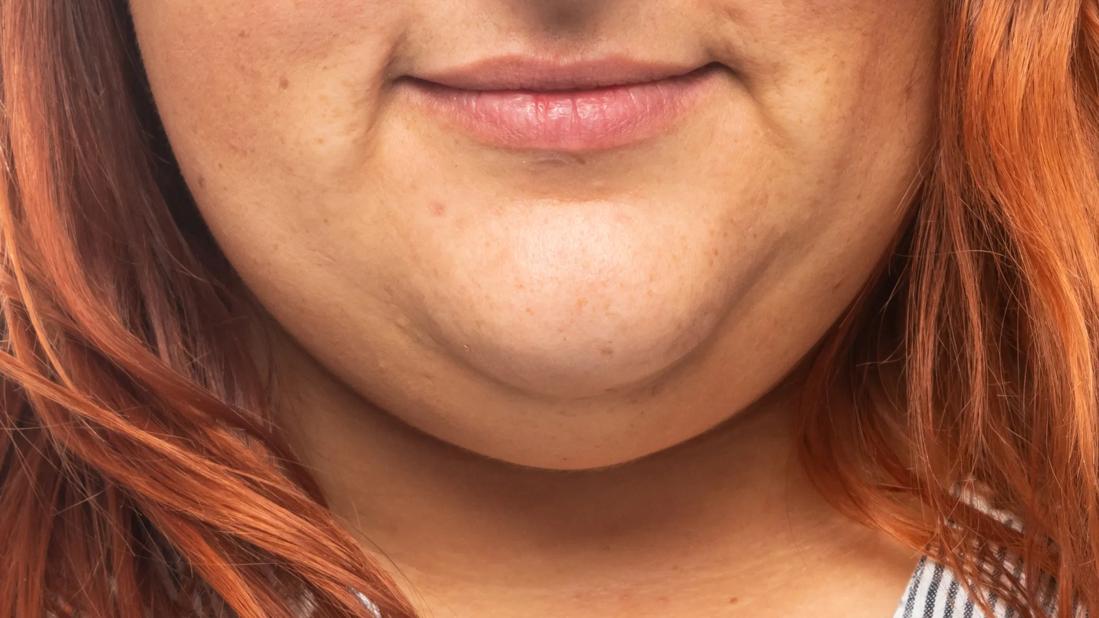
A double chin is the common term for fullness under the chin, often called submental fat or submental fullness. Sometimes that fullness is mostly fat. Sometimes it’s mostly loose skin. Sometimes the chin or jawline is naturally less projected, which can make the area look fuller even without much extra fat. That means two people can have a similar “double chin” look for completely different reasons.
That’s why blanket advice is so frustrating. “Just do chin exercises” might help one person feel more toned in the neck area, but it won’t magically erase fat. “Just lose weight” can help some people a lot, but not everyone sees dramatic jawline changes from weight loss alone. Bodies, as always, enjoy being complicated.
Why You Have a Double Chin
1. Genetics
Some people are simply more likely to store fullness under the chin. Others inherit a softer jawline or a chin shape that makes the area look less defined. In other words, your double chin may be part lifestyle, part biology, and part your family tree quietly saying, “You’re welcome.”
2. Overall body fat
If you gain weight, fat can accumulate in many areas, including under the chin. For some people, the chin is one of the first places it shows up. For others, it’s the last place it leaves. The body does not take requests, suggestions, or strongly worded emails.
3. Aging and skin laxity
As skin loses elasticity over time, the area under the chin can start to sag. Even people who are lean can develop a softer-looking neck and jawline as collagen declines and tissue support changes with age.
4. Chin and jaw structure
A smaller or less projected chin can create the appearance of extra fullness beneath it. This is one reason someone at a stable, healthy weight may still feel like they have a double chin in photos.
5. Posture can affect appearance
Posture does not “cause” chin fat, but forward-head posture can make the jawline look less sharp in pictures and on screens. If you spend half your life staring down at your phone like a modern cave scholar, you may notice the area looks more pronounced from certain angles.
How To Get Rid of a Double Chin Naturally
If your double chin is mostly related to body fat, natural changes can absolutely help. The key word is natural, not dramatic. Crash diets may make you grumpy, tired, and overly emotional in the cereal aisle, but they are not a smart long-term plan.
Focus on overall fat loss, not spot reduction
This is the big one. You cannot reliably burn fat from only one small area by exercising that area. The body loses fat systemically, not by following your personal list of aesthetic complaints. So if you want to reduce fat under the chin naturally, the most effective strategy is healthy, sustainable overall fat loss.
Build a sane eating pattern
You do not need a trendy cleanse, a tea that tastes like regret, or a “secret” soup diet invented by someone with too much internet confidence. What you need is a way of eating you can actually stick with. That usually means:
- Prioritizing lean protein, fruits, vegetables, beans, whole grains, and high-fiber foods
- Watching portion sizes without becoming obsessed with every crumb
- Cutting back on ultra-processed snacks, sugary drinks, and regular overeating
- Drinking more water and less liquid dessert disguised as coffee
- Choosing meals you can repeat consistently instead of meals that require emotional resilience and a spreadsheet
The best eating plan is the one that helps you manage calories in a balanced way over time. That’s what moves the needle. Not one “perfect” lunch. Not one heroic salad. Definitely not one celery stick wielded like a personality trait.
Move more every week
Regular physical activity helps with fat loss, weight maintenance, and body composition. A solid foundation is a mix of cardio and strength training. Walking, cycling, swimming, dancing, lifting weights, and bodyweight workouts can all help. The goal is not punishment. The goal is consistency.
If you’re looking for a practical place to start, think in terms of weekly rhythm: several sessions of moderate cardio, a couple of strength workouts, and more movement built into your day. That could mean walks after dinner, taking the stairs, a workout video at home, or finally using that gym membership for something other than guilt.
Don’t ignore sleep and stress
Sleep and stress matter more than people like to admit. Poor sleep can make hunger harder to manage, and chronic stress can push people toward mindless snacking, inconsistent routines, and the kind of “I deserve a treat” logic that somehow ends with chips, cookies, and three spoonfuls of peanut butter straight from the jar.
A healthier routine supports weight management from several directions at once. That matters when you’re trying to reduce fullness anywhere on the body, including under the chin.
Do chin and neck exercises help?
Here’s the honest answer: they may help muscle awareness, posture, and how the area feels, but they are not a proven way to melt off chin fat. If you enjoy gentle neck mobility and posture work, go ahead. It can improve how you carry your head and neck. Just don’t expect five days of “jawline yoga” to turn you into a marble statue.
Simple posture-focused movements, neck stretches, and upper-back strengthening may help you look more upright and confident. That can make the jawline appear better in daily life and photos. But if the issue is actual submental fat or loose skin, exercise alone may only go so far.
What Does Not Work Well
- Spot reduction myths: doing endless chin lifts won’t specifically burn chin fat
- Miracle creams: some products may temporarily tighten skin a little, but they won’t remove a true double chin
- Detoxes and juice cleanses: these are often short-term, hard to sustain, and not a magic fat-loss solution
- Extreme calorie restriction: fast results often come with rebound weight gain, fatigue, and a terrible relationship with food
- Random gadgets from late-night-style ads: if the promise sounds like science fiction, your wallet is probably the real treatment target
Cosmetic Treatments That Can Help
If healthy habits don’t fully change the area under your chin, that doesn’t mean you failed. It may simply mean the remaining issue is structural or skin-related. This is where cosmetic treatments come in.
1. Deoxycholic acid injections
These injections are designed to reduce submental fat under the chin. The best-known option is deoxycholic acid, often recognized by the brand name Kybella. It’s intended for adults with moderate to severe fullness under the chin and usually requires multiple sessions rather than a one-and-done appointment.
The main appeal is that it’s nonsurgical. The tradeoff is patience. Swelling, bruising, tenderness, firmness, and temporary discomfort are common after treatment, and the final improvement can take time to show up. This option tends to make the most sense for people whose main issue is fat, not major skin sagging.
2. Device-based nonsurgical treatments
Some practices use cold, heat, ultrasound, or radiofrequency-based treatments to reduce small pockets of fat or improve skin tightness. These can appeal to people who want less downtime than surgery. Results are usually gradual and often require more than one session.
Nonsurgical does not always mean effortless, cheap, or dramatic. It usually means more subtle improvement over time, with less recovery but also less dramatic contouring than surgery.
3. Liposuction under the chin
If the problem is mostly fat and your skin still has decent elasticity, chin liposuction can be a strong option. It physically removes fat from the area and often gives more visible contouring than nonsurgical methods. But it is still a procedure, not a facial shortcut wrapped in spa language.
Liposuction is best thought of as contouring, not weight-loss treatment. If someone is expecting it to solve larger health or body-composition issues, they may end up disappointed. But for the right candidate, it can make a meaningful difference in neck and jawline definition.
4. Neck lift or chin tuck
When loose skin is the main issue, surgery is often the most effective route. A neck lift or chin tuck can address sagging skin, tighten deeper structures, and create a cleaner line from chin to neck. This tends to offer the most dramatic improvement when aging and skin laxity are major contributors.
Of course, more dramatic results come with more downtime, cost, recovery, and risk. That’s why consultation matters. The “best” treatment isn’t the fanciest one. It’s the one that matches the actual cause of your double chin.
5. Chin augmentation in selected cases
If a small or recessed chin is contributing to the look of a double chin, some people benefit from improving chin projection rather than only treating the neck. This can be done surgically or, in some cases, with injectable contouring. It won’t be the right choice for everyone, but it explains why two people with similar under-chin fullness may need totally different treatment plans.
How To Choose the Right Option
Ask yourself one simple question: What is my main issuefat, loose skin, structure, or some combination?
If it’s mostly overall body fat, start with lifestyle changes. If it’s a small stubborn pocket of fat, nonsurgical treatments or liposuction may be worth considering. If the issue is sagging skin, a lifting procedure may make more sense than injections or gadgets. If your chin shape is part of the equation, structural options may matter more than you expected.
A consultation with a board-certified dermatologist, facial plastic surgeon, or plastic surgeon can help sort that out. A good clinician should explain not only what can be done, but also what is unlikely to work for your specific anatomy.
When a “Double Chin” Might Be Something Else
Not every lump or fullness in the neck is cosmetic. If you have swelling that feels hard, grows quickly, appears suddenly, hurts, makes it hard to swallow, or comes with fever, night sweats, voice changes, or unexplained weight loss, don’t treat it like a beauty problem. Get it checked by a medical professional.
Persistent swelling under the jaw or in the neck can sometimes be related to swollen lymph nodes, thyroid enlargement, infection, or other medical issues. A true double chin usually develops gradually. A new lump that seems unusual deserves attention.
Realistic Expectations: The Secret Weapon Nobody Wants but Everyone Needs
Here’s the truth that saves people the most frustration: reducing a double chin usually takes time, and “improvement” is a better goal than instant perfection. Natural changes often take weeks or months. Nonsurgical procedures may require multiple treatments. Surgical options can bring bigger changes, but recovery is real.
That does not mean the process isn’t worth it. It means expectations should match biology, not marketing. The jawline you see online may involve genetics, lighting, camera angles, filler, surgery, editing, or all of the above. Try not to compare your real neck to someone else’s filtered highlight reel.
Final Thoughts
If you want to get rid of a double chin, start by identifying what you’re actually dealing with. Fat? Loose skin? Chin structure? A little bit of everything? Once you know that, the path gets much clearer.
For natural improvement, focus on sustainable habits: better nutrition, regular exercise, smart sleep, and patience. For stubborn or anatomy-related fullness, there are real cosmetic options that can help. And throughout the whole process, remember this: a double chin is common, normal, and not a character flaw. You are allowed to improve something without hating it first.
That, frankly, is a much healthier place to begin.
Extended Section: Real-Life Experiences With Trying To Get Rid of a Double Chin
One of the most common experiences people have with a double chin is confusion. They look in the mirror and think, “Wait, was that always there?” Then they see themselves in a phone photo taken from approximately knee level by a friend who should probably lose camera privileges, and suddenly the concern becomes very real. What makes the experience tricky is that the change often sneaks up slowly. It may appear after a stressful year, after weight gain, after significant weight loss, or simply with age.
Another common experience is trying the easy stuff first. People usually start with posture corrections, drinking more water, a few neck exercises, and a promise to stop doom-scrolling in bed with their chin glued to their chest. These changes can help a little with how the area looks day to day, especially in photos. Better posture often makes people feel more confident, too. But many also realize that posture alone doesn’t erase fullness. That can be frustrating, though it often leads to a more realistic understanding of what the body can and cannot do.
For those who decide to pursue weight loss, the experience is often mixed. Some people notice their face and neck slim down fairly early. Others lose weight everywhere except the area they care about most. This can feel deeply unfair, like your body is running a private joke at your expense. But it is incredibly common. Fat loss patterns are personal, and the under-chin area can be stubborn. The upside is that people who stick with steady habits often notice broader wins before they notice jawline changes: better energy, improved fitness, looser clothes, improved labs, and more confidence overall.
Then there’s the emotional side. A double chin can make people feel awkward on video calls, in profile photos, or during conversations where they become hyperaware of their face angle. Some start tilting their head forward in pictures, pushing their tongue to the roof of the mouth, or pretending they “just don’t like photos,” when really they dislike one feature in photos. That experience is more common than most people admit. And strangely enough, once people talk about it openly, they usually discover half their friends have been waging the same quiet war with front-facing cameras.
People who explore cosmetic treatment often describe a different kind of learning curve. They walk in thinking they need one thing, then find out the issue is something else entirely. Someone who assumed they needed fat-dissolving injections may learn that loose skin is the main issue. Someone considering surgery may find they can get enough improvement from a smaller treatment. The consultation process can be eye-opening because it shifts the conversation from insecurity to anatomy. That alone can be a relief.
In the end, the most positive experiences usually come from realistic goals. Not “I need a completely different face,” but “I want this area to look a little cleaner, firmer, or more balanced.” That mindset tends to lead to better decisions, more satisfaction, and less obsession. Because while a sharper jawline can be nice, peace of mind is still the better glow-up.