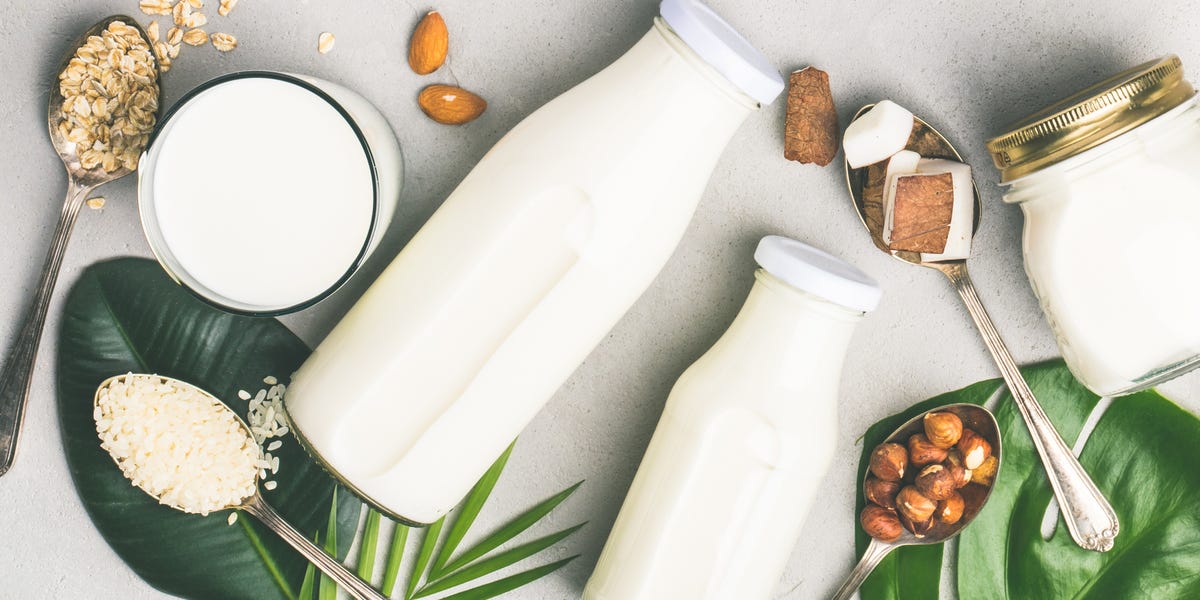
The dairy-free milk aisle used to offer two choices: soy milk and the vague possibility of drinking your coffee black. To Almonds, oats, peas, hemp seeds, pistachios, rice, and even potatoes have somehow found their way into cartons.
That variety is excellent for people with lactose intolerance, milk allergies, vegan diets, or simple curiosity. It can also make choosing the healthiest milk alternative surprisingly confusing. One carton may provide plenty of protein but contain added sugar. Another may be low in calories yet contribute almost no protein. A third may taste spectacular in a latte but separate dramatically when introduced to tomato soup.
The important truth is that no single dairy-free milk is healthiest for everyone. Fortified, unsweetened soy milk is generally the closest nutritional substitute for cow’s milk, while pea milk is another protein-rich option. Other plant-based milks may be better for coffee, cereal, baking, calorie control, allergy restrictions, or flavor. Nutrition also varies considerably among brands, even when the beverages are made from the same plant. Makes a Milk Alternative Healthy?
A picture of a smiling almond on the carton is not a nutritional guarantee. Before choosing a nondairy milk, examine the Nutrition Facts label and ingredient list.
Choose unsweetened varieties
Vanilla, chocolate, “original,” and barista-style products may contain added sugar. An unsweetened milk alternative gives you more control over sweetness and is usually the better everyday choice for cereal, smoothies, and drinking. The word “original” does not necessarily mean sugar-free; it sometimes means “the first version we sweetened.”
Look for calcium and vitamin D
Most plant-based beverages are not naturally equivalent to dairy milk. Fortification can add calcium, vitamin D, vitamin A, and sometimes vitamin B12. Compare labels rather than assuming every carton contains the same nutrients. Fortified foods are especially important sources of vitamin D in American diets. the protein
If milk is a meaningful protein source in your diet, soy and pea milk generally outperform almond, rice, coconut, and many nut milks. A low-protein beverage is not automatically unhealthy, but it should not be mistaken for a protein-rich replacement.
Watch saturated fat and sodium
Most plant milks are low in saturated fat, but coconut-based beverages and products containing coconut, palm, or palm-kernel oil may contain more. Too much saturated fat can raise LDL cholesterol, so compare products when heart health is a priority. Sodium can also vary substantially among brands. der allergies and dietary needs
Soybeans, tree nuts, and sesame are major food allergens in the United States. Oat milk may require a certified gluten-free label for people with celiac disease because oats can be cross-contaminated during processing. Anyone with a severe allergy should also review shared-facility warnings. 6 Best Milk Alternatives
1. Fortified Soy Milk: Best Overall Dairy Substitute
Unsweetened fortified soy milk earns the top position because it combines protein, versatility, and a relatively balanced nutritional profile. It typically provides substantially more protein than almond, rice, coconut, or cashew milk, and soy protein contains all nine essential amino acids.
Federal dietary guidance recognizes fortified soy milk as the only plant-based beverage nutritionally similar enough to dairy milk to count in the Dairy Group. Choose a version fortified with calcium and vitamins A and D, and avoid heavily sweetened flavors. Soy milk works well in cereal, savory sauces, pancakes, smoothies, and most baked goods. a Milk: Best High-Protein, Soy-Free Option
Pea milk is usually made from yellow pea protein rather than the green peas hiding beneath mashed potatoes. Its flavor is generally mild, and many brands offer protein levels closer to dairy or soy milk than most nut beverages.
Fortified pea milk can be a useful option for people avoiding dairy, soy, and tree nuts. It often has a creamy texture that works in smoothies, cereal, coffee, and sauces. Check the label for added sugar, sodium, calcium, vitamin D, and added oils because formulations vary widely.
3. Oat Milk: Best for Coffee and Creaminess
Oat milk became a coffee-shop favorite for a reason. It has a naturally mild flavor, creamy body, and ability to foam without making a cappuccino taste like blended trail mix.
Compared with many nut milks, oat milk generally contains more carbohydrates and calories, although exact amounts depend on processing and added ingredients. It may provide modest amounts of fiber and protein, but it is not usually a high-protein beverage. Choose an unsweetened, fortified product for daily use, and look for certified gluten-free oat milk when medically necessary. mond Milk: Best Low-Calorie Everyday Choice
Unsweetened almond milk is light, widely available, and often lower in calories than many other milk substitutes. Its subtle nutty flavor works in cereal, smoothies, chia pudding, and baking.
The trade-off is protein. Most commercial almond milks contain relatively little because the almonds are heavily diluted with water. Fortification may supply calcium and vitamin D, but those nutrients are added rather than naturally present in large quantities. Almond milk can be a useful beverage, but it should not be your imaginary personal trainer.
5. Cashew Milk: Best for Sauces and Soups
Cashew milk tends to be smoother and creamier than almond milk, making it particularly good in dairy-free soups, mashed potatoes, pasta sauces, and desserts. Unsweetened versions often have a neutral flavor that politely disappears into recipes.
Like almond milk, commercial cashew milk is generally low in protein unless the manufacturer adds another protein source. Check for fortification if you expect it to contribute calcium or vitamin D. People with tree-nut allergies should avoid it.
6. Hemp Milk: Best Seed-Based Milk for Healthy Fats
Hemp milk is made from hemp seeds and has an earthy, slightly nutty flavor. It naturally contains unsaturated fats, including alpha-linolenic acid, a plant-based omega-3 fatty acid. It also avoids dairy, soy, and tree nuts, although cross-contact is still possible during production.
Protein levels vary, and many products are fortified. Hemp milk works well in smoothies, oatmeal, cereal, and savory dishes where its stronger flavor will not feel like an uninvited houseguest. ax Milk: Best Light, Neutral Seed Milk
Flax milk is usually made from flaxseed oil or ground flax combined with water. It is generally light, mild, and low in protein unless fortified with pea protein or another plant protein.
Its neutral character makes it easy to use in cereal, smoothies, and baking. Flax-derived ingredients may supply alpha-linolenic acid, but the amount varies by formulation. Read the label rather than assuming the carton contains the same nutrition as whole ground flaxseed.
8. Rice Milk: Best for Multiple-Allergy Households
Rice milk is naturally dairy-free, soy-free, and nut-free, making it useful for people managing several common food allergies. It has a thin texture and naturally sweet flavor, even when no sugar has been added.
Rice milk is usually higher in carbohydrates and lower in protein than soy or pea milk. It works adequately in cereal, beverages, and light baking, but its thin consistency is less satisfying in creamy sauces. A fortified unsweetened version is the most practical everyday choice. conut Milk Beverage: Best for Tropical Flavor
Refrigerated coconut milk beverage is different from thick canned coconut milk used in curries. The carton version is diluted, usually lower in calories, and designed for drinking.
It offers a rich mouthfeel but little protein. Coconut also contains more saturated fat than most other plant sources, so it may not be the best primary milk for someone actively reducing saturated fat. It shines in smoothies, oatmeal, desserts, and recipes where a hint of coconut is welcome. Do not use it in every recipe unless you want your macaroni and cheese to begin planning a beach vacation.
10. Macadamia Milk: Best for Richness With a Mild Flavor
Macadamia milk has a smooth texture and buttery flavor that pairs beautifully with coffee, cocoa, smoothies, and desserts. Macadamia nuts are naturally rich in monounsaturated fats, although the amount transferred to commercial milk depends on how many nuts the product contains.
Most macadamia milks are low in protein. Choose unsweetened fortified varieties, especially when using the beverage as more than an occasional coffee creamer. It is unsuitable for anyone with a tree-nut allergy.
11. Walnut Milk: Best for a Toasty, Complex Taste
Walnut milk has a deeper, more roasted flavor than almond or cashew milk. It can be delicious in oatmeal, overnight oats, coffee, banana smoothies, and baked goods containing cinnamon or chocolate.
Walnuts naturally contain alpha-linolenic acid, but commercial walnut milk may contain only a small amount of actual walnut. Compare the fat, protein, and ingredient information between brands. Consider it a flavorful dairy-free choice rather than a guaranteed concentrated source of walnut nutrition.
12. Hazelnut Milk: Best With Coffee and Chocolate
Hazelnut milk tastes as though it was created specifically to befriend espresso and cocoa. Its pronounced toasted flavor works well in lattes, hot chocolate, smoothies, and desserts.
It is usually low in protein and may be harder to find than almond or oat milk. Unsweetened varieties are preferable because hazelnut milk already tastes naturally dessert-like. Check the calcium and vitamin D values if you plan to drink it regularly.
13. Pistachio Milk: Best Gourmet Nut Milk
Pistachio milk offers a delicate nutty flavor, pale green tint, and creamy consistency. It can elevate coffee, matcha, cereal, smoothies, and baked desserts without overwhelming them.
Nutrition varies considerably. Some products contain meaningful amounts of pistachio, while others rely on water, oils, thickeners, and flavoring. Look for unsweetened options with transparent ingredient lists. As with all tree-nut beverages, pistachio milk is not appropriate for people with tree-nut allergies.
14. Sesame Milk: Best Nut-Free Roasted Flavor
Sesame milk is a seed-based alternative with a distinctive roasted flavor. Depending on the brand, it may be made from sesame seeds, sesame protein, or a mixture of ingredients. Some versions offer more protein than conventional nut milks.
Sesame milk pairs well with coffee, cereal, chocolate smoothies, and savory recipes. However, sesame is a major food allergen, so “nut-free” does not mean “allergy-free.” Check both the allergen statement and fortification levels before buying.
15. Quinoa Milk: Best Grain Alternative for Variety
Quinoa milk is less common but useful for consumers seeking something beyond oats and rice. It has a mild, slightly earthy grain flavor and can be used in breakfast cereal, smoothies, pancakes, and light sauces.
Although whole quinoa is a nutritious food, commercial quinoa milk is diluted and should not be assumed to contain the same protein or fiber as a bowl of cooked quinoa. Choose a fortified product and compare its protein and added-sugar content with more established alternatives. Plant milks can be made from grains such as oats, rice, and quinoa, as well as legumes, nuts, and seeds. otato Milk: Best Emerging Allergen-Friendly Option
Potato milk is one of the newer contenders in the nondairy aisle. It is generally made from potatoes, water, oils, and added nutrients. The flavor is usually neutral rather than baked-potato-like, which is fortunate for everyone’s morning coffee.
It can work for people avoiding dairy, soy, and nuts, although every ingredient and facility warning should still be checked. Potato milk tends to have modest protein unless protein is added. Its creamy consistency makes it suitable for cereal, baking, sauces, and coffee.
Which Dairy-Free Milk Is Healthiest for Your Goal?
- Best nutritional replacement for dairy: Unsweetened fortified soy milk.
- Best soy-free high-protein option: Fortified pea milk.
- Best for coffee: Oat, soy, pistachio, or macadamia milk.
- Best lower-calorie choice: Unsweetened almond or cashew milk, depending on the brand.
- Best for creamy cooking: Cashew, oat, soy, or pea milk.
- Best for common allergen avoidance: Rice, hemp, flax, or potato milk, provided the label confirms suitability.
- Best source of plant-based omega-3 fats: Hemp or flax milk, depending on its actual formulation.
Important Advice for Babies and Children
Plant-based milk should not replace breast milk or infant formula during a baby’s first 12 months. After age one, caregivers should choose an unsweetened, unflavored, fortified beverage and discuss the decision with a pediatrician or registered dietitian, particularly when a child has allergies, growth concerns, or a restricted diet.
Many plant milks do not provide enough protein, calories, or fat to function as direct nutritional substitutes for cow’s milk in young children. Current federal guidance treats fortified soy milk as the closest comparable plant-based option. o Read a Plant-Based Milk Label
Turn the carton around and compare these five details:
- Added sugar: Choose zero or very little added sugar for regular use.
- Protein: Look for a higher-protein product when milk is part of a meal rather than an occasional splash.
- Calcium and vitamin D: Confirm that the beverage is fortified if it is replacing dairy nutritionally.
- Saturated fat: Compare coconut-based and oil-containing products carefully.
- Serving size: Two cartons can appear similar until one quietly uses a smaller serving.
Shake fortified plant milk before pouring. Added calcium can settle at the bottom, and leaving it there turns the last glass into a mineral slurry while the first five glasses receive mostly optimism.
Real-World Experiences With Dairy-Free Milk Alternatives
Trying milk alternatives in everyday life reveals something nutrition charts cannot: the “best” milk often depends on the job. A carton that performs beautifully in oatmeal may behave like a small scientific emergency in hot coffee.
For cereal, unsweetened soy and pea milk are among the most satisfying choices because their protein and fuller texture make breakfast feel like a meal. Thin rice or almond milk can still taste refreshing, but a bowl of cereal made with a very low-protein beverage may leave some people hungry sooner. Adding nuts, seeds, eggs, tofu, or another protein source can balance the meal.
Oat milk is usually the crowd-pleaser in coffee. It softens bitterness, foams well, and has enough natural sweetness to make flavored syrup less necessary. Barista versions create better foam because they often contain additional oils or stabilizers. That can be useful for a latte, but it also means the barista carton may have more calories and fat than the basic unsweetened version.
Soy milk can also make excellent coffee, although certain brands may curdle when poured directly into very hot, acidic coffee. Warming the milk first or letting the coffee cool briefly often helps. This separation is usually a texture issue rather than evidence that the beverage has spoiled.
In savory cooking, unsweetened cashew, soy, oat, and pea milk tend to produce the most reliable results. Cashew milk can create a silky soup or sauce without adding a strong flavor. Soy milk works well in mashed potatoes, gravy, and creamy casseroles. Oat milk adds body but may taste slightly sweet in delicate savory recipes, so it is wise to taste before inviting it into an entire pot of chowder.
Coconut milk beverage is more specialized. It can be wonderful in tropical smoothies, chia pudding, rice dishes, and desserts. In scrambled eggs or mushroom gravy, however, the coconut flavor may announce itself before the rest of dinner has been introduced. Canned coconut milk is much richer and should not be substituted cup-for-cup when a recipe calls for an ordinary drinking milk.
Baking is generally forgiving. Soy, oat, almond, cashew, and pea milk can usually replace dairy milk in equal amounts in muffins, pancakes, cakes, and quick breads. Unsweetened varieties are easiest because they do not unexpectedly increase sweetness. For recipes that depend on buttermilk, stirring approximately one tablespoon of lemon juice or vinegar into one cup of soy or pea milk and letting it rest briefly can create a useful acidic substitute.
Texture also affects satisfaction. People switching directly from whole dairy milk may find rice or almond milk watery at first. Oat, soy, pea, cashew, and macadamia milk generally feel richer. A gradual transition can help: use the new beverage in smoothies or oatmeal before judging it in a plain glass.
Price and waste matter, too. Specialty pistachio, walnut, or macadamia milk can be enjoyable, but they may cost more and have limited availability. A practical household strategy is to keep one nutritionally balanced everyday milk, such as fortified soy or pea, and buy specialty varieties occasionally for coffee or recipes.
Finally, personal digestion is more important than online popularity. Some people tolerate gums, emulsifiers, and added fibers without difficulty; others notice bloating or discomfort. Testing one product at a time makes it easier to identify the culprit. The front of the carton sells a lifestyle. The back of the carton tells you what you are actually drinking.
Conclusion
The healthiest dairy-free milk substitute is the one that meets your nutritional needs, tastes good enough to use consistently, and fits the recipe in front of you. For the closest all-purpose nutritional replacement, choose unsweetened soy milk fortified with calcium and vitamins A and D. Pea milk is a strong alternative when protein matters but soy does not work for you.
Oat milk is excellent for coffee, almond milk is a popular lower-calorie option, cashew milk shines in sauces, and hemp or flax milk can add variety and unsaturated fats. Regardless of the plant on the carton, compare added sugar, protein, calcium, vitamin D, saturated fat, sodium, and allergens. Plant-based does not automatically mean nutritionally completebut with a little label reading, it can mean delicious.
Note: This article provides general nutrition information and is not a substitute for individualized medical or pediatric advice. People with severe allergies, chronic health conditions, or specialized nutritional needs should consult a qualified healthcare professional.