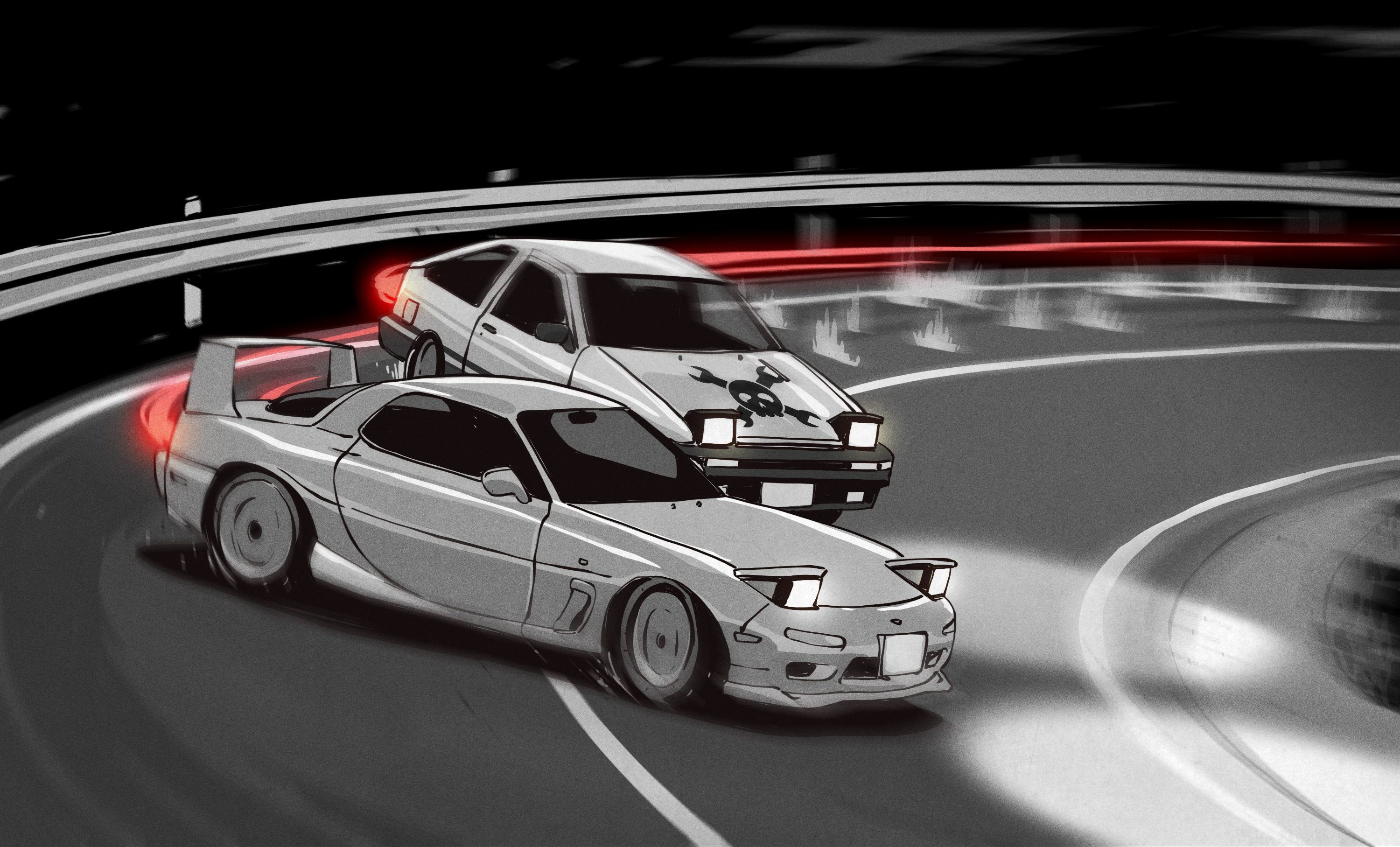
Note: Drifting belongs on a closed course, skidpad, or sanctioned motorsport eventnot public roads, parking lots, intersections, or “just one quick pull” behind the grocery store. Build smart, drive legally, and keep the shiny side mostly shiny.
Introduction: So You Want a Car That Goes Sideways on Purpose?
Getting into cars can feel like walking into a garage where everyone already knows the secret handshake. Then drifting comes along and makes it even weirder: the goal is not simply to go fast, but to intentionally lose traction, hold angle, control wheel speed, manage weight transfer, and make it all look smooth enough that spectators forget your rear tires are currently filing for workers’ compensation.
The good news? You do not need a 1,000-horsepower monster, carbon doors, a trailer, and a pit crew named “Chad” to begin. A proper beginner drift car is usually simple, rear-wheel drive, reliable, predictable, and cheap enough that you do not need emotional support when a cone attacks your bumper. The best drifting mods are not always the flashiest. In fact, the smartest drift build usually starts with maintenance, safety, tires, suspension, differential upgrades, and seat time.
This guide breaks down how to get into cars through drifting mods: what matters first, what can wait, what beginners often get wrong, and how to build a car that teaches you instead of bankrupting you. Think of it as your friendly garage mapminus the oil-stained mystery rag.
What Makes a Good Beginner Drift Car?
Before buying parts, start with the platform. Drifting rewards balance and predictability. The classic formula is simple: rear-wheel drive, manual transmission if possible, decent aftermarket support, affordable parts, and enough torque to break rear traction without needing a NASA launch window.
Popular Beginner Drift Platforms
Common beginner choices include the Nissan 350Z and Infiniti G35, BMW E36 and E46 3 Series, Mazda Miata, Ford Mustang, Lexus IS300, Nissan 240SX, Subaru BRZ, Scion FR-S, and Toyota 86. Each has tradeoffs. A 350Z has strong power and aftermarket support but can eat rear tires like popcorn. An E36 or E46 BMW offers great balance and cheap used parts, though cooling system maintenance is basically a rite of passage. A Miata is light, communicative, and fun, but it may need more commitment and speed to hold longer slides.
The best car is not always the internet’s favorite car. It is the one you can afford to maintain, repair, tow if needed, and drive often. A drift car that runs every weekend is better than a dream build sitting on jack stands while you wait for backordered purple billet things.
First Rule of Drifting Mods: Maintenance Is a Modification
New drifters often ask, “What should I modify first?” The answer is usually boring, which means it is correct: fix the car. Replace worn ball joints, tie rods, wheel bearings, belts, fluids, brake pads, hoses, and leaking gaskets before chasing steering angle or horsepower.
Drifting is hard on vehicles. It creates heat, shock loads, tire smoke, wheel hop, and repeated high-rpm abuse. A weak cooling system, tired clutch, sloppy suspension bushing, or questionable brake line will reveal itself quickly at an event. Unfortunately, it will usually reveal itself right after you paid for registration and told your friends you were “totally dialed.”
Beginner Maintenance Checklist
Start with fresh engine oil, transmission fluid, differential fluid, brake fluid, coolant, and power steering fluid. Inspect the radiator, water pump, thermostat, fan system, and hoses. Check the clutch, driveshaft, axles, wheel studs, lug nuts, battery tie-down, throttle response, and all suspension arms. Make sure the car does not leak heavily. Track tech inspectors generally frown upon cars that season the pavement like a salad.
Mod 1: Tires and WheelsThe Consumables That Control Everything
Tires are the soul of drifting. They affect grip, smoke, speed, consistency, and how expensive your weekend becomes. Beginners often think rear tires should be terrible because drifting means sliding. That is only half true. The rear tires need to break traction, but they also need to be predictable. Random ancient tires from behind a shed may slide, but they may also delaminate, chunk, or behave like angry plastic.
For the front, use quality tires with dependable grip. Front grip helps the car point where you want it to go. For the rear, beginners can start with affordable performance all-season or budget summer tires, then upgrade as speed and skill improve. Bring extra wheels if the event allows it. Nothing ends a drift day faster than two bald rears and optimism.
Tire Pressure Basics
Tire pressure is a tuning tool. Higher rear pressure generally reduces grip and makes the car easier to slide, while lower rear pressure can add grip and forward drive. Front tire pressure should support steering response without making the car skate. There is no universal magic number because tire model, car weight, power, track surface, temperature, and driving style all matter. Start conservative, check hot pressures, and make small changes.
Mod 2: DifferentialThe Upgrade That Makes Drifting Predictable
If your car has an open differential, drifting will feel inconsistent. One rear tire may spin while the other takes a coffee break. That is the famous “one-wheel peel,” and it is not your friend. A limited-slip differential, welded differential, or spool-style setup helps both rear wheels rotate together, making initiation and sustained drift more predictable.
A clutch-type limited-slip differential is one of the best drifting mods because it provides strong lockup while remaining more refined than a welded diff. Many drifters like 2-way LSDs because they lock under acceleration and deceleration, helping with entries and transitions. A 1.5-way LSD can be friendlier for mixed street and track use, but it may feel less aggressive during deceleration.
Welded Diff vs. LSD
A welded differential is cheap and effective for a dedicated drift car, but it has downsides. It increases tire scrub, stresses drivetrain components, makes low-speed turning awkward, and is not ideal for daily driving. A proper LSD costs more but is usually smoother, safer, and more durable when installed correctly. For a budget track-only car, a welded diff can work. For a car that sees regular street use, think carefully before turning every parking maneuver into a chirping tire opera.
Mod 3: Coilovers and Suspension Control
Suspension matters because drifting is a conversation between weight transfer, grip, steering input, throttle, and commitment. Good coilovers can improve response, reduce float, and allow ride height and damping adjustment. The goal is not to slam the car until ants need to duck. The goal is controlled movement and usable alignment.
Cheap coilovers may look cool but can ride poorly, leak, or make the car unpredictable. Buy reputable suspension suited to your platform and skill level. A beginner does not need a professional competition setup, but the car should respond consistently. If the rear end bounces like a shopping cart with ambition, you will fight the car instead of learning from it.
Alignment for Drifting
Alignment is one of the most overlooked drift car setup tools. Front camber helps maintain tire contact during angle. Front toe affects response and stability. Rear camber and toe influence rear grip, tire wear, and how the car transitions. A common beginner-friendly approach is moderate front negative camber, a little front toe out for response, and rear settings that keep the car stable. Exact specs depend on the platform, suspension geometry, tire size, and event surface.
Mod 4: Steering AngleUseful, But Not Always First
Steering angle gets attention because big angle looks heroic. Angle kits allow the front wheels to turn farther, giving the driver more room to catch slides and hold deeper drift angles. But beginners sometimes install angle kits too early, before learning throttle control, line choice, and weight transfer.
For a first drift event, you may not need a full angle kit. Healthy tie rods, proper alignment, good front tires, and a reliable steering system can teach you plenty. As you improve, upgraded inner and outer tie rods, offset rack spacers, modified knuckles, or a full angle kit can help. Just remember: more angle does not automatically mean more skill. It only gives your mistakes more steering range.
Power Steering Cooling
Drifting can overheat power steering systems because the wheel is constantly being turned quickly from lock to lock. A power steering cooler is a smart reliability mod, especially for cars known to boil fluid during drift sessions. If the steering starts whining like it just read the repair bill, listen to it.
Mod 5: Brakes and Hydraulic Handbrake
Brakes are not just for stopping. In drifting, they help manage speed, weight transfer, initiation, and corrections. At minimum, run quality brake pads, fresh high-temperature brake fluid, healthy rotors, and stainless lines if appropriate. A soft brake pedal is not “character.” It is a warning.
A hydraulic handbrake is popular because it locks the rear wheels more effectively than a factory cable handbrake. It is useful for initiations and corrections, especially on faster layouts. However, beginners should not rely on it as a substitute for learning clutch kick, weight transfer, throttle modulation, and foot braking. The handbrake is a tool, not a personality.
Dual Caliper Setups
Some drift cars run a dual rear caliper setup so the hydraulic handbrake operates separate calipers from the foot brake system. This can improve consistency and safety in track builds, but it adds cost and complexity. Check event rules and install everything properly. Brake plumbing is not the place for “my cousin watched one video” engineering.
Mod 6: Seat, Harness, Helmet, and Safety Gear
Safety is not the boring part of drifting; it is the reason you get to keep drifting. At a minimum, most events require a properly secured battery, no major leaks, safe tires, working brakes, seat belts, and a certified helmet. As speeds increase, requirements may include fixed-back seats, harnesses, roll bars or cages, fire extinguishers, fire suits, gloves, and other equipment.
A fixed-back racing seat can help you stay planted, which improves car control. If you are bracing yourself against the steering wheel like you are wrestling a bear, your inputs will be messy. A proper seat lets your hands steer instead of serving as emergency furniture.
Important Safety Warning About Harnesses and Cages
Do not install racing harnesses or cages casually in a street car without understanding the complete safety system. Harnesses, seats, roll bars, cages, helmet use, mounting angles, and padding all work together. A poorly installed harness can be dangerous. A roll cage in a street-driven car without a helmet can increase head injury risk in a crash. Follow event rules, manufacturer instructions, and professional guidance.
Mod 7: Cooling Upgrades for Engine, Differential, and Drivetrain
Heat is the invisible villain of drifting. Long high-rpm runs, low vehicle speed, tire smoke, and repeated abuse can cook fluids quickly. Cooling upgrades are not glamorous, but they prevent your fun from turning into steam.
A larger radiator, quality electric fans, oil cooler, power steering cooler, and fresh coolant can help keep temperatures under control. Cars with known cooling weaknesses should address those before adding power. Differential and transmission fluids should be changed regularly, especially after hard events. If your car smells like roasted gear oil and regret, service it.
Mod 8: Clutch, Flywheel, Mounts, and Drivetrain Strength
Drifting punishes clutches. Techniques like clutch kicking shock the drivetrain to break rear traction. A worn stock clutch may survive casual street driving but quickly surrender at a drift day. A performance clutch can help, but avoid going too aggressive too soon. A harsh clutch can make the car harder to drive smoothly.
Engine and transmission mounts also matter. Worn mounts allow excessive drivetrain movement, making shifts sloppy and throttle response inconsistent. Upgraded mounts can improve feel, though very stiff mounts may add vibration. Again, balance is the name of the game. Your car should feel connected, not like a paint shaker full of bolts.
Mod 9: PowerThe Mod Everyone Wants and Beginners Usually Do Not Need
Horsepower is fun. Nobody is denying that. But power should come after reliability, safety, suspension, differential, tires, and driver skill. Beginners often add power too early and create a car that spins faster, overheats sooner, and teaches less.
A low-power car forces you to learn momentum, line, initiation, and throttle control. A high-power car can cover mistakes temporarily, then punish them dramatically. For early drifting, controllable torque is more useful than a dyno sheet that looks impressive on social media. Intake, exhaust, tune, and basic engine health may be enough at first. Forced induction and engine swaps can wait until your driving can use them.
Budget Drift Build Example
Imagine a beginner buys a used 350Z with a manual transmission. The smart build does not begin with a turbo kit. It starts with maintenance: fluids, belts, hoses, brake inspection, bushings, wheel bearings, and cooling system checks. Next comes a proper limited-slip differential or welded diff for track-only use, quality front tires, extra rear wheels, brake pads, high-temperature fluid, and coilovers from a reputable brand. Then comes alignment, seat support, a helmet, and event registration.
After several events, the driver may add a power steering cooler, angle upgrades, hydraulic handbrake, and better rear tire strategy. Later still, they may consider clutch upgrades, differential gearing, sway bars, adjustable arms, and power mods. This staged approach keeps the car reliable and lets the driver feel what each modification changes.
Common Beginner Mistakes With Drifting Mods
Buying Parts Before Driving
The fastest way to waste money is modifying based on internet arguments before you understand what the car actually needs. Attend an event. Talk to drivers with the same platform. Watch tech inspection. Ask what breaks. Seat time is the best diagnostic tool.
Ignoring Event Rules
Every drift organization has its own tech requirements. Some allow basic street cars in beginner groups. Others require specific safety equipment for tandem, advanced layouts, or higher speeds. Read the rulebook before buying parts. A non-compliant car is just a very expensive spectator.
Overbuilding Too Soon
Big angle, huge power, stiff suspension, aggressive clutch, and a hydro handbrake can make a car impressive but not necessarily beginner-friendly. A mild, predictable setup helps you develop real control. You can always add more later. Removing expensive mistakes is less fun.
Forgetting the Driver Mod
The driver is the most important modification. Learn vision, throttle control, countersteering, transitions, braking, and track etiquette. Take instruction if available. Ride along with experienced drivers. Watch your own footage. The car may need parts, but you need practice.
How To Choose Your First Drifting Mods in Order
If you are starting from a mostly stock rear-wheel-drive car, use this general order: maintenance, safety inspection, tires and wheels, differential, brake service, suspension, alignment, cooling, seat support, steering angle upgrades, hydraulic handbrake, clutch and drivetrain upgrades, then power. This order is not glamorous, but it works.
The philosophy is simple: make the car safe, make it predictable, make it reliable, then make it faster. Do not reverse that order unless you enjoy learning through tow truck invoices.
Experience Section: Real Lessons From Getting Into Drifting Mods
The first real lesson of drifting is that confidence and competence are not the same thing. A beginner can watch hours of videos, memorize every suspension term, and still spin on the first initiation because the body has not learned what the brain thinks it understands. That is normal. Drifting is physical. You feel it through the seat, the steering wheel, the pedals, and the sound of the engine. The car tells you what is happening, but at first it speaks fluent chaos.
One of the best beginner experiences is showing up with a simple car and modest expectations. Maybe the car has coilovers, an LSD, decent front tires, and spare rear wheels. Nothing wild. No giant wing. No flames. At the first event, the driver learns that tire pressure changes matter, that hot laps raise temperatures quickly, and that a clean initiation feels better than a smoky mess. The car may not look like a pro machine, but it teaches. That is the whole point.
Another common experience is realizing that maintenance parts are performance parts. A fresh alignment can transform the car. New tie rods can make steering feel precise. Good brake fluid can keep the pedal consistent. A properly mounted seat can make the driver smoother instantly because they are no longer sliding around inside the cabin like a loose French fry under the seat. These improvements are not flashy, but they build trust between driver and machine.
Drifting also teaches budgeting in a very honest way. Rear tires disappear. Fuel disappears. Brake pads wear. Fluids need changing. Things loosen. Sometimes things break because motorsport is basically controlled mechanical bullying. A smart beginner learns to bring tools, a tire pressure gauge, fluids, zip ties, torque wrench, jack, spare lugs, and humility. Humility is important because the cone you laughed at earlier may later become part of your bumper.
The biggest mindset shift is understanding that more power is not the shortcut people think it is. A lower-power car forces commitment. You learn to enter with the right speed, use weight transfer, stay on throttle, and avoid panic lifting. When you finally add power later, you appreciate it because you know what problem it solves. Without skill, power just makes the car louder while it spins backward.
Community is another underrated part of getting into drifting. At most grassroots events, experienced drivers are surprisingly helpful. Someone will explain tire pressure. Someone will help bleed brakes. Someone will lend a tool. Someone will tell you your battery tie-down is sketchy before tech inspection does. Respect the rules, listen more than you talk, clean up after yourself, and thank the organizers. Drifting survives because people build the scene together.
Finally, the best experience is the first clean run. The car rotates, the front tires bite, your hands let the wheel move, your foot stays steady, and for a few seconds the whole machine balances on the edge of grip. It feels impossible and obvious at the same time. That moment is why people keep coming back. Not because drifting is easy, cheap, or gentle on tiresbut because when it clicks, it feels like you and the car just shared a ridiculous secret.
Conclusion: Build the Car That Helps You Learn
Getting into cars through drifting mods is not about copying the loudest build online. It is about building a safe, reliable, predictable car and improving it as your skill grows. Start with maintenance. Choose a good rear-wheel-drive platform. Add tires, a proper differential, brake reliability, suspension control, alignment, cooling, and safety gear. Save advanced angle kits, hydraulic handbrakes, drivetrain upgrades, and power for when you understand why you need them.
The best beginner drift car is not the most extreme one. It is the car that starts, passes tech, teaches clearly, and survives enough events for you to become a better driver. Build patiently, drive legally, respect the venue, and remember: tire smoke is fun, but smooth control is cooler.