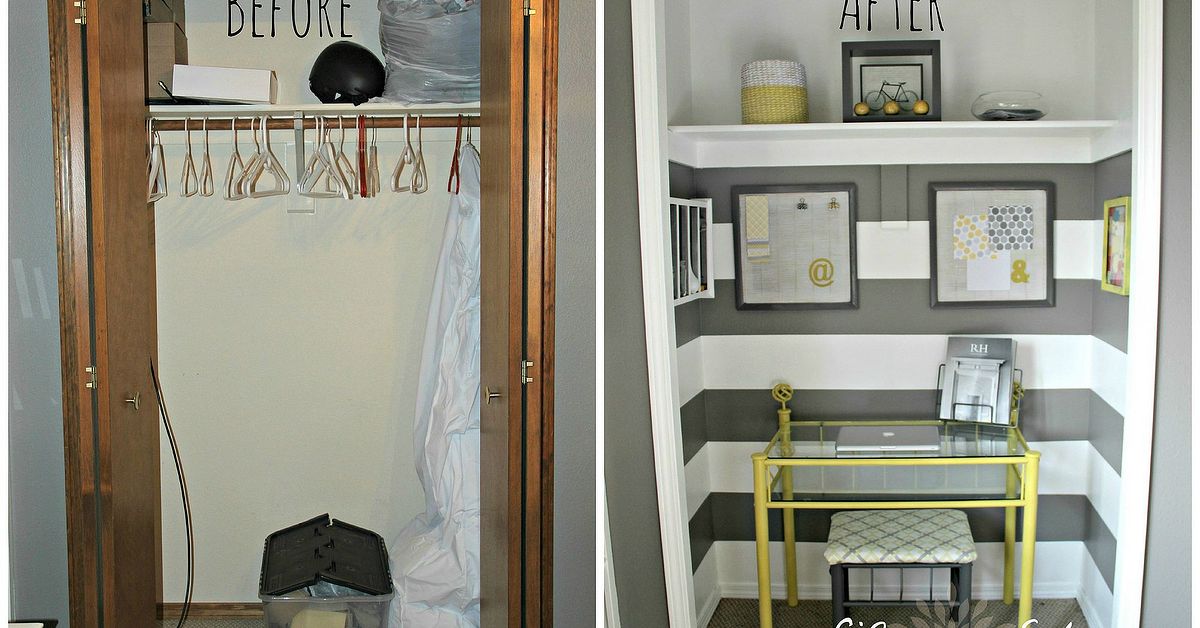
Creating an office in a closet sounds like the kind of idea that appears when your home runs out of square footage and your laptop starts giving you judgmental looks from the kitchen table. But the “cloffice”a closet officeis not just a cute internet word. It is one of the smartest small-space home office solutions for apartments, shared bedrooms, guest rooms, hallways, and homes where every spare room already has a job.
The beauty of a closet office is simple: it gives you a defined workspace without demanding a full room. A reach-in closet can become a tidy writing station. A hallway linen closet can turn into a compact command center. A walk-in closet can become a surprisingly polished home office with storage, lighting, and enough personality to make Monday emails feel slightly less dramatic.
The trick is not to shove a desk into a closet and call it productivity. A successful closet office needs planning, measurements, power access, lighting, storage, airflow, and ergonomics. In other words, your tiny office should feel intentionalnot like your desk got grounded and sent to the wardrobe.
What Is a Closet Office?
A closet office is a workspace built inside an existing closet or closet-like nook. It usually includes a desk surface, chair, shelves, lighting, outlets or cable management, and storage for office supplies. Some homeowners keep the closet doors so the office disappears after work. Others remove the doors entirely and design the area like a built-in desk alcove.
The best closet office ideas combine practicality with style. You need a surface deep enough for your laptop, a chair that does not punish your spine, shelves that prevent paper avalanches, and lighting that does not make your Zoom face look like a witness-protection interview.
Step 1: Choose the Right Closet
Not every closet is ready to become the CEO of your workday. Before you start shopping for wallpaper and tiny gold desk lamps, look at the closet honestly.
Measure the Space
Start with width, depth, and height. Many reach-in closets are shallow, often around two feet deep, which can still work for a floating desktop or slim desk. A deeper closet gives you more flexibility, but even a compact closet can become a functional small office if the layout is clean.
Measure the inside width from wall to wall, the depth from the back wall to the door opening, and the height from floor to ceiling. Also measure the door swing. If the doors fold or slide, they may limit chair movement or access to shelves.
Check the Location
A bedroom closet may offer quiet, but you will need to relocate clothes. A hallway closet may be convenient but could be noisy. A guest-room closet is often ideal because it lets the room serve two purposes: occasional sleeping space and everyday office.
Think about Wi-Fi strength, household traffic, natural light nearby, and whether you can comfortably take calls there. If your closet shares a wall with the laundry room, your meetings may come with a complimentary spin-cycle soundtrack.
Step 2: Clear, Declutter, and Relocate
The first real design move is not glamorous, but it is powerful: empty the closet. Take everything out and sort it into keep, donate, relocate, and “why do I own seven mystery cables?” piles.
A closet office works only when it has breathing room. Seasonal clothing can move to under-bed storage, bins on a high shelf, a wardrobe rack, or another closet. Office supplies should be limited to what you actually use. If you have not touched the glitter glue since 2018, it does not deserve prime real estate next to your laptop.
Step 3: Decide Between Built-In and Freestanding
There are two main ways to create an office in a closet: built-in or freestanding.
Built-In Closet Office
A built-in closet office uses wall-mounted supports, floating desktops, custom shelves, cabinets, or plywood surfaces cut to fit the closet exactly. This option looks polished and uses every inch efficiently. It is especially useful for narrow closets because the desk can run wall to wall.
A floating desktop mounted on cleats or heavy-duty brackets can create a clean, modern look. Add shelves above it for books, files, baskets, and decor. The result feels like a custom workstation rather than a closet wearing business casual.
Freestanding Closet Office
A freestanding setup uses a small desk, writing table, ladder desk, or modular storage cubes. This is a good option for renters or anyone who wants a less permanent solution. Choose furniture that fits the closet depth and leaves room for your knees, chair, and cables.
For a budget-friendly DIY closet desk, storage cubes can support a desktop while adding cubbies for supplies. A slim desk with open legs can also make the closet feel less cramped.
Step 4: Plan the Desk Surface
The desk is the heart of the closet office. It should be deep enough for your computer but not so deep that it traps you like a filing cabinet with Wi-Fi.
For laptop work, a depth of about 20 to 24 inches is often workable. For a monitor, keyboard, and paperwork, deeper is better if the closet allows it. The desk height should feel natural when you sit: shoulders relaxed, elbows close to your body, and forearms roughly level with the keyboard.
If the desk is too high, use an adjustable chair and footrest. If it is too low, raise the desktop safely or choose a different support system. Avoid storing bulky items under the desk because your legs need space. A closet office should not require yoga poses just to answer email.
Step 5: Add Smart Storage
Vertical storage is the secret weapon of a closet office. Since the footprint is small, use the walls like they are part of the payroll.
Install Floating Shelves
Floating shelves above the desk can hold books, file boxes, baskets, small printers, and decorative objects. Keep frequently used items within arm’s reach and place seasonal or occasional supplies higher up.
Use Bins and Baskets
Baskets are excellent for hiding office clutter while keeping the space calm. Use labeled bins for chargers, notebooks, printer paper, craft supplies, and tech accessories. Matching containers make a small closet office look intentional instead of chaotic.
Try Pegboards or Wall Grids
A pegboard is a practical choice for creative workspaces. It can hold scissors, headphones, calendars, small shelves, and cups for pens. A wall grid works well for notes, reminders, photos, and lightweight supplies.
Make Use of the Doors
If you keep the closet doors, use the inside surface for hooks, corkboard, shallow organizers, or a calendar. This turns wasted space into helpful storage. Just avoid bulky door organizers if they prevent the doors from closing.
Step 6: Solve the Lighting Problem
Closets are not famous for flattering lighting. Many have one dim bulb that seems designed to help you find a coat, not write a proposal. A closet office needs layered lighting whenever possible.
Start with general lighting, such as a ceiling fixture, flush mount, or recessed light. Add task lighting for the desktop. This might be a plug-in sconce, LED strip under a shelf, clamp lamp, or small desk lamp. If you want a clean look, install under-shelf LED lighting to brighten the work surface without taking up desk space.
Choose warm or neutral lighting that feels comfortable for long work sessions. If your closet has no outlet, consider battery-powered or rechargeable LED lights. They are renter-friendly and easy to install. For permanent electrical work, hire a licensed electrician rather than treating YouTube confidence as a building code.
Step 7: Handle Power and Cable Management
A closet office needs power for your laptop, monitor, phone charger, lamp, printer, and possibly a small fan. Before building, check whether there is an outlet inside or near the closet.
If there is no outlet, avoid running cords across walkways where people can trip. A power strip with surge protection can help organize plugs, but it should be used safely and not overloaded. Mount cable clips under the desk, route cords along the wall, and use a cable box to hide power bricks.
For a polished look, drill a cable grommet through the desktop so cords drop neatly below the surface. That small detail can make the difference between “custom office” and “octopus moved in.”
Step 8: Choose the Right Chair
In a closet office, the chair is often the hardest decision. It must be comfortable, supportive, and compact enough to slide away when not in use.
An adjustable office chair is best for long work sessions. Look for seat-height adjustment, back support, and a size that fits the closet opening. If the closet is very tight, a compact task chair or armless chair may work better. For short sessions, a stool can be acceptable, but it should not be your all-day throne unless you enjoy lower-back complaints filing formal petitions.
If the office is in a bedroom or living room, choose a chair that looks good outside the closet too. When work ends, you can tuck the chair beside the closet, under the desk, or in a corner.
Step 9: Improve Comfort and Ergonomics
A closet office may be small, but your body still deserves full-size comfort. Good ergonomics help reduce strain on your neck, wrists, back, and eyes.
Place your monitor so the top of the screen is near eye level. If you use a laptop, add a laptop stand and separate keyboard when possible. Keep your keyboard and mouse close enough that your shoulders stay relaxed. Your feet should rest flat on the floor or on a footrest.
Take breaks, stretch, and avoid sitting in the same position all day. Even the prettiest cloffice cannot save you from becoming a human question mark if you never stand up.
Step 10: Add Color, Wallpaper, and Personality
Because a closet office is small, design choices can be bold without overwhelming the room. Wallpaper, paint, peel-and-stick panels, beadboard, or a colorful accent wall can make the space feel special.
Light colors can make the closet feel more open, while darker colors can create a cozy, library-like mood. Patterned wallpaper adds energy and hides minor wall imperfections. If the closet is visible from the room, coordinate the colors with the surrounding decor.
Add framed art, a small plant, a pinboard, or a favorite object. Keep decorations edited. A tiny office can handle personality, but it cannot handle seventeen ceramic frogs, three motivational plaques, and a fake cactus named Garyunless Gary is essential to morale.
Step 11: Decide What to Do With the Doors
Closet doors can be a blessing or a nuisance, depending on the layout.
Keep the Doors
Keeping the doors allows you to close the office at the end of the day. This is ideal for bedrooms, multipurpose rooms, and anyone who wants work visually hidden. It also helps create a mental boundary: when the doors close, the office is off duty.
Remove the Doors
Removing the doors creates more room for your chair and makes the office feel like a built-in nook. You can replace doors with curtains, sliding panels, or leave the space open. This option works well when the closet office is attractively finished.
Replace the Doors
Bifold doors, pocket doors, barn-style sliding doors, or curtains can improve access. Just make sure the new solution does not block shelves, lighting, or your ability to sit comfortably.
Step 12: Make the Closet Office Multipurpose
A closet office does not have to be only an office. It can also serve as a homework station, craft nook, bill-paying center, writing corner, gaming desk, or family command center.
For kids, use wipeable surfaces, easy-access bins, and a wall calendar. For crafters, add drawers for tools and pegboard for supplies. For remote workers, prioritize video-call lighting, sound control, and a background that does not reveal laundry negotiations happening behind the scenes.
Step 13: Budget-Friendly Closet Office Ideas
You do not need a custom carpenter and a luxury budget to create a functional closet office. Start with paint, a basic desktop, shelf brackets, LED lighting, and storage bins. Many closet office makeovers can be completed over a weekend with simple tools and careful planning.
Use plywood or butcher block for a desktop. Install affordable floating shelves. Add peel-and-stick wallpaper for style. Repurpose a dining chair temporarily if you do not sit for long hours. Use storage cubes as desk supports. Choose a clamp lamp instead of hardwired lighting.
Spend money where it matters most: a sturdy desk surface, good lighting, a comfortable chair, and safe electrical access. Save money on decorative items, baskets, and accessories. Your closet office should help you work better, not financially body-slam your budget.
Common Mistakes to Avoid
Skipping Measurements
Guessing the size of a closet is how people end up with desks that fit only if the laws of physics take a personal day. Measure everything before buying or building.
Ignoring Lighting
A dark closet office feels gloomy and can strain your eyes. Add task lighting and consider reflective surfaces, light paint, or a small mirror to brighten the area.
Overloading the Shelves
Wall shelves must be properly anchored. Heavy books, printers, and storage boxes need strong supports. When in doubt, use studs, proper hardware, or professional help.
Forgetting Ventilation
Closets can feel stuffy, especially during long work sessions. Keep doors open while working, add a small fan if needed, and avoid crowding the space with too many heat-producing electronics.
Making It Too Cute to Use
A closet office should look good, but it must work first. If your desk has more candles than writing space, the design has gone rogue.
Real-Life Closet Office Examples
For a bedroom reach-in closet, a wall-to-wall floating desk with two shelves above can create a clean laptop station. Add a compact chair, plug-in sconce, and baskets for paperwork. Keep the doors off and paint the interior a soft white or warm beige for a built-in look.
For a hallway closet, turn the space into a family command center. Install a desktop for sorting mail, a corkboard for schedules, hooks for keys, and labeled bins for school papers. Add a curtain to hide the area when guests arrive.
For a walk-in closet, create a more complete office with cabinets below, a desktop along one wall, and open shelving above. Keep some clothing storage on the opposite side if needed. Use a rug and better lighting to make the space feel like a room, not a converted storage cave.
Extra Experience-Based Tips for Creating an Office in a Closet
After looking at many closet office makeovers, one lesson becomes obvious: the best cloffice is not always the fanciest one. It is the one that matches the way you actually work. A beautiful desk means very little if your printer has nowhere to live, your charger falls behind the desktop every morning, and your chair blocks the closet doors like a stubborn airport suitcase.
One practical experience is to test the layout before installing anything permanent. Put a temporary table or board inside the closet, sit there with your laptop, and work for thirty minutes. Notice what feels awkward. Is the desk too deep? Are your elbows hitting the side walls? Is the outlet too far away? Does the chair roll backward into the bed? This small test can prevent expensive mistakes.
Another smart tip is to design for your daily routine, not your fantasy routine. Many people imagine a spotless closet office with one notebook, one pen, and a tiny plant living its best botanical life. Real work usually involves chargers, receipts, sticky notes, water bottles, headphones, and at least one cable that appears to serve no known device. Build storage for real life. A shallow drawer, desktop tray, or basket for “daily mess” can keep the area looking neat without pretending clutter does not exist.
Lighting is another area where experience matters. A closet office often looks great in daytime photos but feels dim at night. If you work after sunset, test your lighting in the evening before finalizing the setup. Under-shelf lighting is especially useful because it illuminates the desk without taking up surface space. A small lamp can add warmth, but it should not be the only light source if you spend hours reading or typing.
Sound is worth considering too. Closets can muffle noise slightly, but they can also create echoes if the surfaces are hard and empty. Add a rug, upholstered chair, curtain, fabric pinboard, or even books to soften the sound. If you take video calls, test your microphone in the space. You want “professional remote worker,” not “broadcasting from a shoebox.”
Comfort should be treated as a design feature. It is tempting to use the smallest chair possible, but if you work for long periods, an uncomfortable chair will ruin the setup quickly. If a full office chair does not fit, look for an armless task chair with good support. Add a footrest if your feet do not sit comfortably on the floor. Use a monitor riser or laptop stand so your neck does not spend the day auditioning for a sad violin solo.
Finally, give yourself permission to revise the closet office after using it. The first version does not have to be perfect. You may discover that a shelf is too low, a basket is in the wrong spot, or the printer should live somewhere else entirely. A closet office is a small space, so tiny adjustments make a big difference. Move the light. Swap the chair. Add a hook. Remove one decorative item. The goal is not to build a showroom. The goal is to create a compact, comfortable workspace that helps you focus, close the doors when you are done, and reclaim your home from the tyranny of working at the dining table.
Conclusion
Creating an office in a closet is one of the most effective ways to turn underused space into a productive, stylish, and flexible work area. With careful measurements, smart storage, good lighting, safe power access, and ergonomic choices, even a small closet can become a hardworking home office. The key is balance: make it beautiful enough that you enjoy using it, but practical enough that it supports your real workday.
A closet office is not about having a huge home. It is about using the home you already have with more imagination. Whether you are building a full cloffice with custom shelves or simply adding a floating desk and a lamp, the result can be a space that feels organized, personal, and surprisingly powerful. And yes, when the workday is over, closing the closet doors on your inbox is deeply satisfying. Highly recommended. Five stars. No notes.