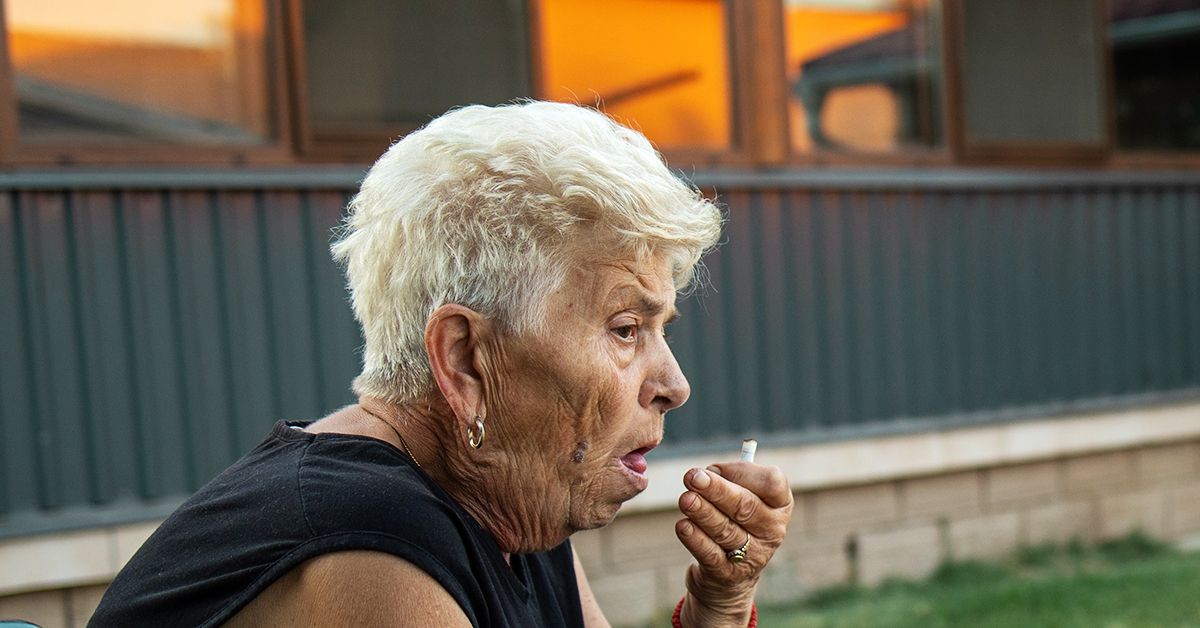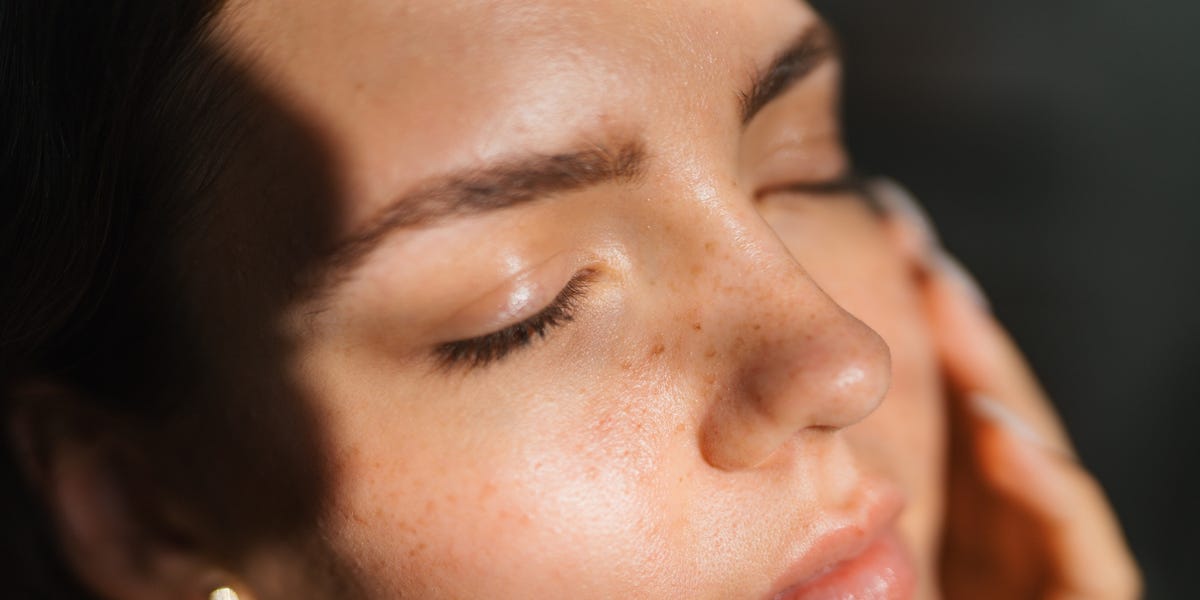
Collagen is the quiet scaffolding of your skin. When it is plentiful, your complexion tends to look smoother, firmer, and more resilient. When it starts disappearing, your face may begin sending little messages: a fine line that stays after you stop smiling, cheeks that look less springy, or skin that seems drier even though your moisturizer cabinet is starting to resemble a boutique pharmacy.
The good news? Collagen loss is normal. It is part of aging, not a personal failure, a skincare crime, or proof that you should have started wearing SPF in kindergarten. The even better news is that you can support your skin in smart, realistic ways. You cannot freeze time, but you can slow avoidable damage, improve texture, and help your skin function better with consistent habits, evidence-based ingredients, and, when appropriate, professional treatments.
This guide explains what collagen does, why it declines, how collagen loss affects your skin, and what actually helps. No fairy dust, no “erase 20 years overnight” nonsensejust clear, practical skin science with a little humor because wrinkles may be serious, but skincare marketing often deserves a raised eyebrow.
What Is Collagen, Exactly?
Collagen is the most abundant structural protein in the body. In the skin, it lives mainly in the dermis, the deeper layer beneath the surface. Think of it as a flexible support network that helps keep skin firm, plump, and able to bounce back after movement.
Collagen works alongside elastin, which gives skin stretch, and hyaluronic acid, which helps retain water. Together, these elements create the look many people describe as “youthful”: smooth texture, fullness, and elasticity. When collagen fibers are strong and organized, skin looks supported. When they thin, fragment, or degrade, the surface starts to show changes.
Why Collagen Loss Happens
Collagen loss is driven by two major forces: intrinsic aging and extrinsic aging. Intrinsic aging is the natural biological process that happens over time. Your skin cells slow down, collagen production decreases, and the existing collagen becomes less organized. Extrinsic aging comes from outside influences, especially ultraviolet radiation, smoking, pollution, poor sleep, high sugar intake, and chronic stress.
Age-Related Collagen Decline
As you get older, fibroblaststhe cells that produce collagenbecome less active. Existing collagen also breaks down faster and may become lower in quality. This is why skin in your 40s, 50s, and beyond may not behave the way it did in your 20s, even if you use the same cleanser, moisturizer, and “hope as a strategy.”
Hormonal changes also matter. Many women notice more visible skin changes around perimenopause and menopause because estrogen plays a role in maintaining collagen, hydration, and skin thickness. When estrogen drops, skin can feel thinner, drier, and less firm.
Sun Exposure: The Collagen Thief in Sunglasses
If collagen loss had a villain, ultraviolet light would be wearing a dramatic cape. UV radiation contributes to photoaging, which includes wrinkles, rough texture, uneven tone, dark spots, and loss of firmness. UVA rays can penetrate more deeply into the skin and contribute to collagen breakdown, while UVB rays are strongly associated with sunburn and skin cancer risk.
The frustrating part is that sun damage is cumulative. A quick walk, a sunny car ride, a cloudy beach day, and years of “I’m only outside for ten minutes” all count. The skin keeps receipts.
Lifestyle Factors That Speed Things Up
Some collagen loss is unavoidable, but certain habits can press the fast-forward button. Smoking increases oxidative stress and affects blood flow, making it harder for skin to repair itself. Excess alcohol can dehydrate skin and contribute to inflammation. Diets low in protein, vitamin C, zinc, and other nutrients may make it harder for the body to build and maintain healthy tissue.
High sugar intake may also contribute to glycation, a process in which sugar molecules bind to proteins such as collagen and make them stiffer and less functional. Translation: your skin’s mattress springs get cranky.
How Collagen Loss Shows Up on Your Skin
Collagen decline does not usually announce itself with one dramatic event. It creeps in gradually, like a subscription fee you forgot to cancel. You may notice several changes at once.
Fine Lines and Wrinkles
Fine lines often appear first around areas of frequent movement: eyes, forehead, mouth, and between the brows. At first, they may show only when you smile or squint. Over time, as collagen support decreases, they may remain visible when your face is relaxed.
Loss of Firmness
Skin may begin to look less tight along the cheeks, jawline, and neck. This is not only about collagen; fat distribution, bone structure, elastin, and gravity all play roles. Still, collagen loss is a major contributor to that “less lifted” look.
Thinner, More Fragile Skin
With less collagen, skin can feel thinner and more delicate. Some people notice that their skin bruises more easily or takes longer to recover from irritation. The barrier may also feel more reactive, especially if the skincare routine includes too many strong actives.
Dullness and Uneven Texture
Collagen loss can make skin look less smooth because the underlying support is weaker. Texture changes may be especially noticeable in areas with sun exposure, such as the face, chest, and backs of the hands.
Dryness and Crepiness
Collagen is not a moisturizer, but collagen decline often occurs alongside decreases in other skin-supporting components, including natural oils and water-binding molecules. That is why mature skin may feel dry, crepey, or papery even when you are applying moisturizer faithfully.
How to Address Collagen Loss: What Actually Helps
Addressing collagen loss is less about one miracle product and more about a layered plan. The winning formula is prevention, repair support, and realistic expectations.
1. Wear Sunscreen Like It Has a JobBecause It Does
If you do only one thing for collagen preservation, make it daily sunscreen. Choose a broad-spectrum sunscreen with SPF 30 or higher and apply it to exposed skin every morning. Reapply when outdoors, sweating, swimming, or spending long periods near windows or reflective surfaces.
Sunscreen helps reduce ongoing UV-triggered collagen breakdown. It also protects against discoloration, rough texture, and skin cancer risk. If your anti-aging routine includes retinoids or exfoliating acids but skips sunscreen, that is like cleaning your house while the ceiling is actively leaking.
2. Use Retinoids Carefully and Consistently
Retinoids are among the best-studied topical ingredients for improving signs of skin aging. They support skin cell turnover, help improve the look of fine lines, and can stimulate collagen production over time. Options range from over-the-counter retinol and retinaldehyde to prescription tretinoin and tazarotene.
The secret is not using the strongest product immediately. That usually ends with redness, peeling, and a dramatic vow to “never use retinol again.” Start low and slow. Apply a pea-sized amount at night two or three times per week, then increase frequency as your skin tolerates it. Pair with moisturizer and use sunscreen every morning.
3. Add Vitamin C for Antioxidant Support
Topical vitamin C is an antioxidant that can help protect against free radical damage from UV exposure and pollution. It also plays a role in collagen synthesis and may improve the look of uneven tone and dullness.
Look for stable packaging, such as dark or airless containers, because vitamin C can degrade when exposed to light and air. Sensitive skin may prefer gentler derivatives or lower concentrations. If your serum smells odd, turns dark brown, or seems to irritate your skin every time, it may be time to retire it with dignity.
4. Do Not Underestimate Moisturizer
Moisturizer does not rebuild collagen like a construction crew, but it can make collagen loss look less obvious by improving hydration, barrier function, and surface smoothness. Ingredients such as ceramides, glycerin, hyaluronic acid, squalane, and niacinamide can help skin feel more comfortable and resilient.
Well-hydrated skin reflects light better, which can soften the appearance of fine lines. Dry skin, on the other hand, tends to make every tiny crease look like it has applied for a starring role.
5. Consider Peptides, but Keep Expectations Grounded
Peptides are short chains of amino acids that may support skin signaling and repair. Some formulas can improve hydration and the appearance of firmness. However, peptides are usually supporting players, not the main event. They work best alongside sunscreen, retinoids, moisturizers, and healthy habits.
6. Eat Enough Protein and Collagen-Supporting Nutrients
Your body needs amino acids to build collagen. A balanced diet with adequate protein can support skin health, along with nutrients such as vitamin C, zinc, copper, and antioxidants from fruits and vegetables.
Useful foods include eggs, fish, poultry, beans, lentils, tofu, yogurt, citrus fruits, berries, bell peppers, leafy greens, nuts, and seeds. Bone broth and collagen-rich foods can contribute amino acids, but your body still breaks proteins down during digestion and decides where those building blocks go. Sadly, you cannot send collagen directly to your laugh lines with a tiny GPS tracker.
7. Be Smart About Collagen Supplements
Oral collagen supplements, often sold as collagen peptides or hydrolyzed collagen, have become popular for skin elasticity, hydration, and wrinkles. Some studies and reviews suggest modest benefits for skin hydration and elasticity, especially with consistent use over weeks or months.
Still, collagen supplements are not magic. Results vary, product quality matters, and supplements are regulated differently from drugs in the United States. Look for third-party testing when possible, avoid exaggerated claims, and check with a healthcare professional if you are pregnant, have kidney disease, follow a restricted diet, or have allergies to marine, bovine, or other animal sources.
8. Stop Smoking and Manage Avoidable Damage
Smoking is one of the most skin-aging habits because it increases oxidative stress and reduces the skin’s ability to repair itself. Quitting supports not only skin health but also heart, lung, and overall health. If quitting feels overwhelming, professional support can help.
Also consider reducing excessive alcohol, prioritizing sleep, and managing stress. No serum can fully compensate for three hours of sleep, daily sunburns, and a diet powered entirely by iced coffee and panic.
Professional Treatments That Stimulate Collagen
When skincare has done what it can, professional treatments may help improve texture, wrinkles, acne scars, and mild laxity. These options should be selected with a board-certified dermatologist or qualified medical professional, especially for deeper skin tones, sensitive skin, or a history of pigmentation problems.
Microneedling
Microneedling creates controlled micro-injuries in the skin to trigger a repair response. It is sometimes called collagen induction therapy. It may help with acne scars, texture, fine lines, and mild firmness concerns. Results usually require a series of treatments and patience.
Laser Resurfacing
Laser resurfacing uses energy-based devices to improve the look and feel of skin. Ablative lasers remove outer layers of skin and can produce more dramatic results with more downtime. Nonablative lasers heat deeper layers without fully removing the surface, typically offering subtler results and shorter recovery.
Laser treatments can help with fine lines, uneven tone, age spots, and texture, but they are not a fix for significant sagging. They also require careful sun protection before and after treatment.
Chemical Peels
Chemical peels use acids to exfoliate the skin at varying depths. Light peels may improve brightness and texture, while deeper peels can target more visible signs of sun damage. The right peel depends on skin type, goals, downtime, and risk of discoloration.
Injectables and Biostimulators
Some in-office treatments address collagen loss indirectly by restoring volume or stimulating collagen production. Hyaluronic acid fillers can replace lost volume, while biostimulatory injectables may encourage collagen formation over time. These treatments require skill and should be performed by experienced professionals.
What Not to Do When Fighting Collagen Loss
Avoid the temptation to attack your skin with every active ingredient you own. Over-exfoliating, using too many acids, layering multiple retinoids, or constantly switching products can damage the skin barrier. A compromised barrier often looks red, flaky, tight, shiny, and irritatedwhich is probably not the “glow” you ordered.
Also be cautious with dramatic before-and-after claims online. Lighting, angles, filters, makeup, facial expressions, and professional photography can make results look more impressive than they are. Healthy skepticism is a skincare tool, too.
A Simple Collagen-Supporting Routine
Morning
Cleanse gently or rinse with water if your skin is dry. Apply vitamin C or another antioxidant if tolerated. Follow with moisturizer and broad-spectrum SPF 30 or higher. If you are outdoors, reapply sunscreen.
Evening
Cleanse to remove sunscreen, makeup, and the day’s general chaos. Apply a retinoid on nights your skin tolerates it. Use moisturizer generously. On non-retinoid nights, focus on barrier repair with ceramides, peptides, or hydrating ingredients.
Weekly
If your skin tolerates exfoliation, use a gentle chemical exfoliant once weekly. Do not exfoliate aggressively on the same night as a retinoid unless your dermatologist recommends it. Your skin is an organ, not a kitchen counter.
Real-World Experiences: What Collagen Loss Feels Like in Daily Life
For many people, collagen loss becomes noticeable in ordinary moments, not under a magnifying mirror. You may catch your reflection in car-window lighting and wonder when your face started looking a little more tired than you feel. You may notice makeup settling differently around the eyes or mouth. A foundation that once looked smooth may suddenly highlight texture. Your favorite matte lipstick may begin wandering into tiny lines like it has travel plans.
One common experience is the “pillow crease that overstays its welcome.” In younger skin, sleep lines often disappear quickly. As collagen and elasticity decline, those lines may linger into breakfast, the morning commute, or the first Zoom meeting of the day. It is not dramatic, but it can be surprising.
Another familiar shift is skin that feels thirstier. You may use the same moisturizer you loved for years, only to find that it no longer feels rich enough. This does not always mean the product stopped working. Your skin’s needs may have changed. Adding a hydrating serum, switching to a creamier moisturizer, or sealing with a small amount of facial oil can make a visible difference in comfort and glow.
Some people first notice collagen loss around the lower face. The jawline may look softer, the cheeks less full, or smile lines more pronounced. This can feel frustrating because it is not always something a cream can fully correct. That is where expectations matter. Skincare can improve skin qualitytexture, hydration, tone, and fine linesbut it cannot completely replace volume or lift tissue the way certain professional treatments can.
There is also an emotional side to collagen loss. Skin changes can feel personal because your face is how you greet the world. It is normal to want to look fresh and still look like yourself. The healthiest approach is not panic-buying every trending product at midnight. It is building a routine that respects your skin, your budget, and your actual life.
A realistic experience-based plan might look like this: begin with sunscreen every morning, add a gentle retinoid twice weekly, moisturize more intentionally, and take photos once a month instead of judging progress daily. Skin changes slowly. Collagen remodeling is not instant. Most effective routines need three to six months before the difference becomes clear.
The best part is that addressing collagen loss does not require perfection. You can forget sunscreen once and simply start again. You can use retinol twice a week instead of nightly. You can choose sleep over a 12-step routine. Consistency beats intensity, especially when your goal is healthier skin over the long term.
Conclusion
Collagen loss affects skin firmness, texture, elasticity, hydration, and the development of fine lines and wrinkles. It is a natural part of aging, but it is also influenced by sun exposure, smoking, diet, stress, sleep, and skincare habits. The most effective strategy is not chasing one miracle product. It is protecting the collagen you still have, supporting your skin’s repair process, and choosing evidence-based tools.
Daily sunscreen, retinoids, moisturizers, antioxidants, balanced nutrition, and healthy lifestyle choices form the foundation. Collagen supplements may offer modest benefits for some people, but they work best as part of a bigger plan, not as a substitute for sun protection or smart skincare. For deeper wrinkles, scars, or laxity, professional treatments such as microneedling, laser resurfacing, chemical peels, or biostimulatory options may help when guided by a qualified expert.
Your skin does not need to look frozen, filtered, or suspiciously poreless to be healthy. It needs support, protection, patience, and a routine you can actually maintain. Collagen loss may be part of aging, but with the right approach, your skin can still look strong, luminous, and very much alive.