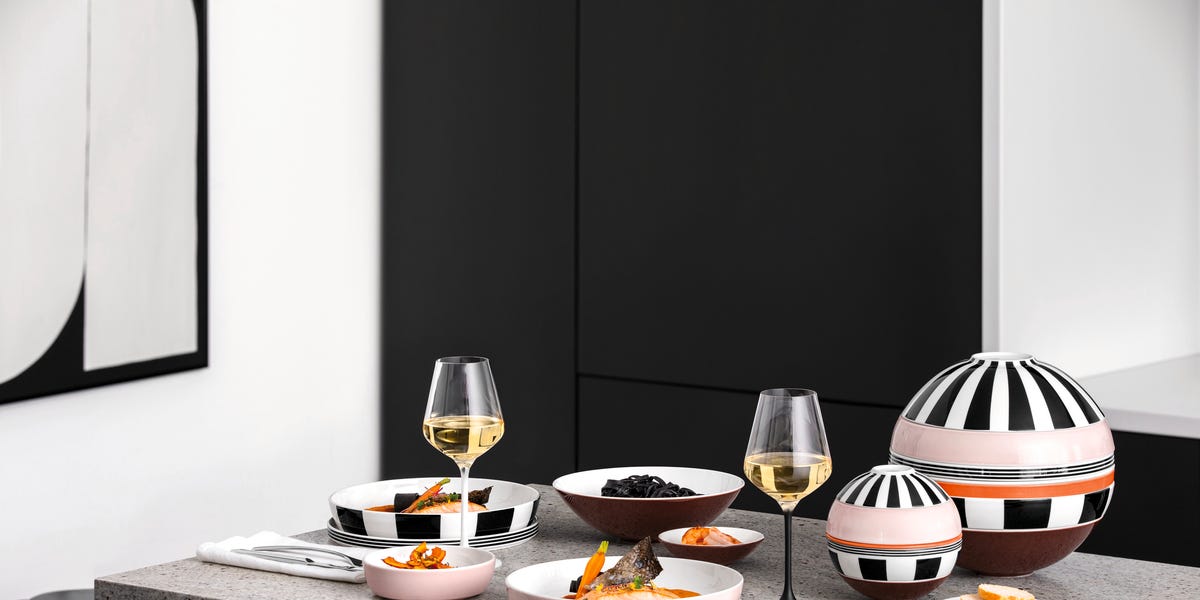
Some people host dinner with a playlist, a signature cocktail, and a heroic amount of confidence. Others host with a cheese board so architectural it deserves its own zoning permit. But the truly stylish host knows the secret: the table does half the talking before the first bite arrives. That is where one unforgettable tableware icon enters the room, gleaming like it has excellent credit and a passport full of stamps: the Christofle MOOD flatware set.
This sculptural silver-plated “egg” is not just a place to keep forks, knives, and spoons. It is the rare piece of luxury tableware that works as storage, centerpiece, conversation starter, and quiet flex all at once. It says, “I remembered the napkins,” but also, “I may casually understand French design history.” For a stylish host, that is a very efficient sentence.
In the world of dinnerware, flatware, silverware, and table settings, trends come and go. Colorful plates have their season. Wavy glassware has its close-up. Linen napkins rise, fall, wrinkle, and rise again. But iconic tableware lasts because it does more than follow a mood; it creates one. The Christofle MOOD does exactly that. It brings together old-world silver craftsmanship and modern entertaining, then packages it in a polished egg that looks like it might contain the world’s fanciest secret.
Why Christofle MOOD Is the Tableware Icon Stylish Hosts Notice
Christofle has been associated with French silverware and luxury table settings since the 19th century. The maison built its reputation through silversmithing, fine tableware, and pieces designed for elegant dining rooms, grand hotels, and very serious meals involving more forks than most people have passwords. The brand’s history matters because tableware is never only about utility. It is about ritual, memory, hospitality, and the feeling that dinner is worth a little ceremony.
The MOOD set, launched in the 21st century, cleverly updates that tradition. Instead of hiding flatware in a drawer, it presents a service for six in a rounded, reflective case. Inside, the utensils stand vertically in a walnut-lined interior. It is compact, dramatic, and surprisingly practical. You can place it on a buffet, kitchen island, bar cart, dining table, or sideboard, and suddenly the room looks more intentional.
That is the magic. A stylish host does not need every piece on the table to scream. In fact, please do not let everything scream; dinner parties are loud enough once someone brings up travel delays. One standout object can anchor the entire table. The MOOD functions like jewelry for the dining room: polished, sculptural, useful, and just bold enough to make guests ask, “Wait, what is that?”
Flatware Is the Unsung Hero of the Table
Plates get attention because they frame the food. Glassware gets applause because it sparkles in photographs. But flatware is what guests hold for the entire meal. The weight, balance, shine, handle shape, and finish quietly influence how the dinner feels. A flimsy fork can make even a good salad feel like a cafeteria emergency. A well-made fork, however, makes Tuesday pasta feel like a small promotion.
High-quality flatware should feel balanced in the hand. It should not bend when meeting a roasted carrot, nor should it feel like a medieval weapon. Good design lives in that middle place: substantial but not clunky, elegant but not precious, polished but not fussy. This is why hosts pay attention to flatware material, finish, proportions, and care requirements.
Modern flatware is often made from stainless steel, while true silverware refers to pieces made with a significant amount of silver. Silver-plated flatware, like many luxury tableware pieces, offers the glow and heritage of silver with a more accessible structure than solid sterling pieces. The Christofle MOOD sits in that world of elevated, decorative, useable tableware: it is special, but it is not meant to live in a museum where fun goes to take a nap.
The Design Appeal: Why the Egg Works
The egg shape is clever because it softens the formality of silver. Traditional silver chests can look beautiful, but they also whisper, “Please do not touch me unless you know what a fish fork is.” The MOOD feels more relaxed. Its smooth oval case has a futuristic quality, almost like a design object from a glamorous spaceship where everyone knows how to fold napkins.
That sculptural silhouette makes it easy to style. On a minimalist table, it becomes the focal point. On a layered tablescape with flowers, candles, patterned plates, and linen, it adds shine and order. On a buffet, it solves the practical problem of how guests get utensils without rummaging through a drawer like raccoons in eveningwear.
It is also photogenic. In an age when tablescapes often appear on social media before dessert appears in real life, reflective tableware earns its keep. The MOOD catches candlelight, greenery, marble, wood, glass, and color around it. It changes with the room, which is exactly what great decorative objects do.
How to Style This Icon Without Looking Like You Tried Too Hard
1. Keep the Rest of the Table Relaxed
Because the MOOD has presence, let it breathe. Pair it with white dinner plates, clear glassware, low flowers, and soft linen napkins for a look that feels luxurious without becoming theatrical. You want “effortless host,” not “royal banquet rehearsal.” A few imperfect details, like hand-thrown bowls or slightly rumpled napkins, keep the silver from feeling too formal.
2. Use It on a Buffet
The egg-shaped case is especially useful when guests serve themselves. Place it near stacked plates and napkins, then let people take what they need. This is where its design becomes more than decorative. It organizes the flow of the meal while making the buffet look styled rather than assembled in a mild panic ten minutes before the doorbell.
3. Try It for Brunch
Silver at dinner is expected. Silver at brunch feels chic. Place the MOOD beside a platter of pastries, a bowl of berries, a French press, and a pitcher of orange juice. Suddenly scrambled eggs feel like they studied abroad. The contrast between casual food and refined flatware creates the kind of relaxed elegance stylish hosts love.
4. Let It Live Outside the Dining Room
One reason iconic tableware earns its reputation is versatility. When not in use, the MOOD can sit on a console, open shelving, kitchen island, or bar cabinet. It is attractive enough to be seen, which solves a common hosting problem: beautiful things that spend 362 days a year hiding in storage.
What to Consider Before Investing in Iconic Tableware
A tableware icon is not an impulse purchase. It is a long-term hosting piece, so it should match how you actually live. Before buying luxury flatware or silver-plated tableware, ask yourself three practical questions.
How Many People Do You Usually Host?
If most of your dinners are for two to six people, a compact service can be perfect. If you regularly host twelve-person holiday meals, you may need additional place settings or a larger flatware collection. Stylish hosting is not about owning the most impressive object; it is about owning the right object for the way people gather in your home.
Do You Prefer Formal or Flexible Entertaining?
The MOOD shines because it bridges both worlds. It looks luxurious enough for a formal table but relaxed enough for casual dinners. That makes it ideal for hosts who do not want separate personalities for “weekday pasta” and “special occasion roast.” Let the tableware do both. Your cabinets will thank you.
Are You Ready to Care for It?
Silver-plated flatware is not difficult, but it does ask for attention. Rinse pieces after meals, avoid leaving acidic foods on them, dry them well, and store them properly. Many modern silver-plated pieces can be cleaned more easily than people assume, but harsh detergents, abrasive tools, and neglect are not friends of shine. Think of care as a small ritual, not a punishment. Put on music, polish a little, and pretend you are the calm protagonist in a very elegant kitchen scene.
The Stylish Host’s Tableware Formula
Owning one iconic tableware piece does not mean the rest of your table must be expensive. In fact, the most interesting tables mix high and low. A luxury flatware centerpiece can sit beautifully beside vintage plates, simple cotton napkins, thrifted candlesticks, grocery-store flowers, and a roast chicken that may or may not have taken emotional damage in the oven.
The formula is simple: one anchor, one texture, one natural element, one warm light source, and one practical detail. The anchor can be the MOOD. Texture can come from linen or woven placemats. The natural element might be herbs, citrus, branches, or flowers. Warm light means candles or a shaded lamp nearby. The practical detail is something guests actually need: water within reach, serving spoons, extra napkins, or a place to set used utensils.
This approach keeps the table elegant without making guests feel afraid to sit down. The best hosts create beauty and comfort at the same time. Nobody should need a briefing before touching a fork.
Why Iconic Tableware Makes Hosting Easier
There is a psychological advantage to owning a few reliable hosting pieces. When you know your table has one strong visual statement, you stop overthinking everything else. The table feels “done” faster. You can focus on cooking, music, seating, and making sure the guest who always arrives early does not see you still wearing one oven mitt and the expression of a person negotiating with a sauce.
Iconic tableware also creates continuity. Guests remember it. They associate it with your home, your meals, your style. Over time, a piece like the MOOD becomes part of your hosting identity. It is not just “the silver egg.” It becomes the thing that appears at birthdays, holidays, casual suppers, and spontaneous gatherings. That is how objects become personal heirlooms: not by being saved forever, but by being used.
Specific Examples: Three Tables Built Around One Icon
The Modern French Dinner
Use white plates, bistro glasses, striped linen napkins, a small vase of white flowers, and the MOOD placed at the center of the table. Serve roast chicken, potatoes, salad, and a simple tart. The look is polished but not stiff, like a Paris apartment that also knows where the good snacks are hidden.
The Holiday Buffet
Place the MOOD beside stacked dinner plates, cloth napkins, and a row of serving platters. Add greenery, unscented candles, and small bowls of salt, cranberry sauce, or olives. The reflective silver adds celebration without requiring a table overloaded with decorations.
The Casual Friday Pasta Night
Set the MOOD on the kitchen island with pasta bowls, a big salad, crusty bread, and a bottle of sparkling water. Keep the lighting low and the music easy. This is where the piece proves its value: it makes a simple meal feel special without making it feel staged.
Experience Notes: Living and Hosting With a Tableware Icon
The first time you place a sculptural flatware set like the Christofle MOOD on the table, you realize how much hosting depends on little moments before the meal begins. Guests walk in, smell something cooking, hear glasses clinking, and then spot this polished object waiting in the center of the room. It gives the table confidence. Even if the soup is running late and the salad is still wearing its grocery-store plastic, the table looks like it has a plan.
In real hosting life, the best pieces are the ones that reduce friction. A drawer full of loose utensils is fine for everyday meals, but during a party, people hesitate. They ask where the forks are. They open the wrong drawer and discover batteries, tape, and one mystery key. A tabletop flatware set solves that awkward little scavenger hunt. Everything is visible, vertical, and ready.
There is also a surprising emotional effect. Guests treat the meal differently when the table feels cared for. They sit down more slowly. They notice the napkins. They ask about the object, which gives the host an easy conversation opener. You do not have to perform elegance; the table starts the conversation for you. That is a gift, especially for hosts who enjoy beautiful details but do not want to hover like a restaurant manager with anxiety.
Another experience worth mentioning is how well a tableware icon adapts to imperfect meals. Not every dinner party is a cinematic success. Sometimes the roast needs more time. Sometimes the cake leans. Sometimes someone brings a surprise plus-one and your seating plan quietly leaves the building. But a strong table setting creates grace around the chaos. It tells guests, “You are welcome here,” even when the mashed potatoes are having a texture crisis.
Using beautiful flatware regularly also changes your relationship with “special occasion” pieces. Many people save their best tableware for holidays, then wonder why it feels intimidating. The better approach is to let luxury breathe. Use it for a birthday, yes, but also for Sunday brunch, takeout noodles, or a rainy-night dinner with friends. The more often you use a piece, the less precious and more personal it becomes.
Over time, the MOOD or any comparable tableware icon becomes part of the home’s rhythm. You remember who sat around it, what was served, which guest made everyone laugh, and which candle burned slightly too close to the flowers. That is the real reason stylish hosts love iconic tableware. It is not only about shine. It is about giving memories a beautiful place to land.
Conclusion: The Icon Is Worth It Because It Earns Its Place
The tableware icon every stylish host should own is not simply the most expensive object on the table. It is the piece that combines beauty, usefulness, story, and staying power. The Christofle MOOD succeeds because it makes flatware visible, elegant, and modern. It respects the heritage of silver tableware while understanding how people host now: casually, socially, visually, and often with guests standing around the kitchen island before anyone admits they are hungry.
For hosts who care about atmosphere, it is a smart investment piece. It can elevate a formal dinner, organize a buffet, beautify a brunch, and decorate a room between gatherings. More importantly, it reminds us that hosting is not about perfection. It is about making people feel considered. A gleaming fork will not save an overcooked entrée, but it will make the table feel intentional while everyone politely reaches for more wine and compliments the salad.
Stylish hosting begins with attention. A tableware icon gives that attention shape, shine, and a little theatrical charm. And really, if your forks can arrive in a silver egg, why make them live in a drawer like ordinary office supplies?