Home accessories are the finishing touches that make a room feel less like a furniture showroom and more like your home. Think pillows, lamps, art, mirrors, vases, trays, books, plants, baskets, and all those little details that quietly do the heavy lifting. A great sofa is nice, surebut the right accessories are what make people say, “Wow, this feels so put together,” instead of, “Nice couch… what happened to the rest of the room?”
The good news: you do not need a luxury budget, an interior design degree, or a truck full of matching decor to make a space look polished. In fact, the best accessorizing usually looks collected, personal, and a little bit imperfect. This guide breaks down practical, designer-inspired ways to use home accessories to add style, function, warmth, and personalitywithout creating clutter or making your coffee table look like a gift shop exploded on it.
Why Home Accessories Matter More Than You Think
Accessories are often called the “final layer” in decorating, and that description is spot on. They help fill empty surfaces, add contrast and texture, and visually connect larger pieces like sofas, beds, and dining tables. A room with only furniture can feel flat. A room with thoughtfully chosen accessories feels finished, comfortable, and lived in.
They also do something furniture can’t always do quickly: they let you experiment. Not ready to repaint? Add a new throw and a few patterned pillows. Not ready to replace your lighting? Add a table lamp and dim the overheads. Want your home to feel more personal? Display travel souvenirs, family photos, pottery, or books you actually read (or at least dramatically pretend to read when guests come over).
Best of all, accessories can be both decorative and useful. Bowls can catch keys, trays can corral remotes, baskets can hide chaos, mirrors can bounce light, and lamps can improve how a room looks and feels. In other words, the right accessories are not “extra stuff”they’re style with a job description.
Start Smart: The Accessory Styling Plan That Saves Time and Money
1) Decide on the vibe before you buy anything
Before you start adding accessories, define the overall look you want. Cozy and layered? Clean and modern? Collected and vintage? Quiet luxury? Colorful and playful? Your answer becomes the filter that helps you say yes to the right piecesand no to the random neon pineapple candle holder you bought at checkout because it was “fun.” (No judgment. We’ve all been there.)
Choose two or three words to guide your choices, such as warm, natural, tailored or bright, eclectic, artistic. These words help you pick accessories that feel cohesive, even if they come from different stores or different years.
2) Build a simple color palette
Accessories are one of the easiest ways to repeat color throughout a room. A cohesive palette keeps things calm and intentional. That doesn’t mean everything has to match exactly. In fact, rooms usually look better when colors complement each other rather than copy-paste each other.
Try this formula:
- Base: neutral tones (white, beige, gray, black, wood tones)
- Main accent: one dominant color (navy, olive, rust, terracotta, deep green)
- Secondary accent: a supporting color or metal finish
Repeat those colors in pillows, art, ceramics, books, and textiles. This creates visual flow without making the room feel stiff.
3) Mix scale, shape, and texture
One common mistake is using accessories that are all the same size. Tiny frames, tiny candles, tiny vases, tiny objectssuddenly everything looks busy, but nothing stands out. Mix large, medium, and small pieces. One oversized artwork or mirror can be more powerful than a cluster of mini pieces.
Also mix shapes and materials. Pair something smooth (glass vase) with something rough (woven basket). Add a rounded object (bowl, lamp, planter) to balance boxy furniture. This contrast adds depth and helps a room feel designed rather than accidental.
4) Leave breathing room
Repeat after me: every surface does not need to be decorated. Negative space gives the eye a place to rest and makes your favorite pieces stand out. If your shelves, side tables, and console are all packed, the room can feel visually noisyeven if every item is beautiful on its own.
Edit, then edit again. If something doesn’t add function, beauty, or personal meaning, it may be a “maybe later” piece.
5) Layer lighting like a grown-up (or at least like one on Pinterest)
Accessories aren’t just objectsthey include lighting. Relying only on one overhead light can make a room feel harsh and flat. Add layers: a floor lamp, a table lamp, maybe a sconce or cordless accent lamp. Soft, varied lighting makes colors richer, textures warmer, and people look better. That last one matters if you enjoy taking “casual” photos of your living room.
Best Home Accessories by Room: Easy Ideas That Actually Work
Living Room Accessories
- Throw pillows and blankets: Add color, pattern, and softness. Mix textures (linen, velvet, knit) for a layered look.
- Coffee table tray: Use a tray to group candles, a small bowl, a coaster stack, and one decorative object. Instant order.
- Lamps: A table lamp on a side table or console creates warm, flattering light and makes the room feel finished.
- Area rug: Choose the right sizetoo small makes the room feel awkward. Ideally, the front legs of seating should sit on the rug.
- Art and mirrors: Go bigger than you think. One strong piece can reduce visual clutter and create a focal point.
- Plants: Real greenery adds life, movement, and color. If you’re plant-shy, start with easy options like pothos or snake plant.
Bedroom Accessories
- Layered bedding: Euro shams, standard pillows, one lumbar pillow, and a throw at the foot of the bed create a hotel-like feel.
- Nightstand styling: Keep it simple: lamp, book, catchall bowl for jewelry, and maybe a small vase.
- Wall art: Above the bed, scale matters. Undersized art can make the wall feel unfinished.
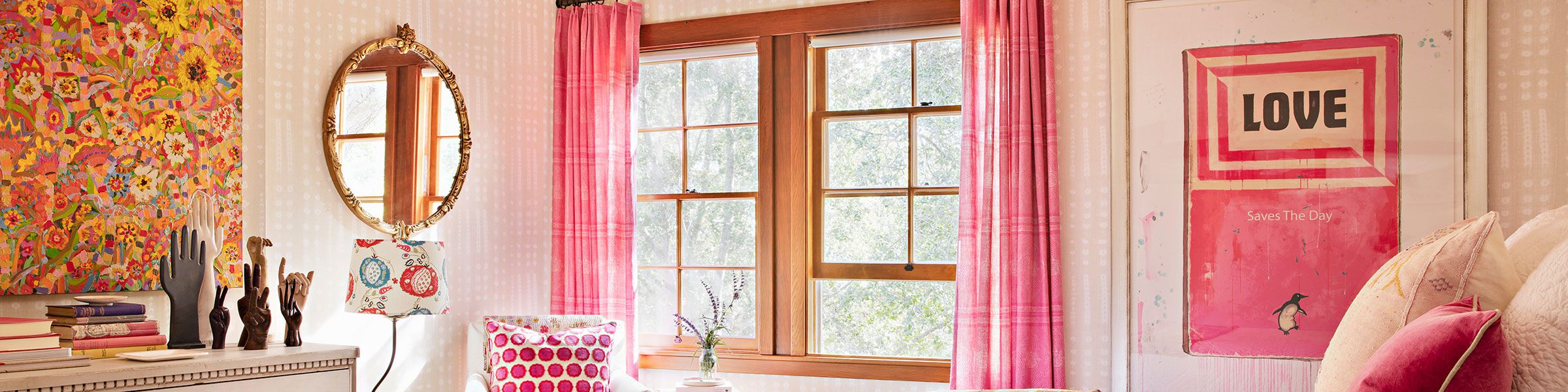
- Soft textures: Curtains, rugs, and upholstered pieces make the room feel more restful and cozy.
Entryway Accessories
- Mirror: Makes a small entry feel brighter and gives you a last-second “Do I look human?” check.
- Tray or bowl: Essential for keys, sunglasses, and mail.
- Bench + basket combo: Seating plus hidden storage for shoes, bags, or pet leashes.
- Art or personal object: Set the tone for your home right at the door.
Kitchen and Dining Accessories
- Functional decor: Beautiful cutting boards, bowls, utensils, and cookware can double as decor when displayed thoughtfully.
- Counter styling: Keep only daily-use essentials out, then group them on a tray to avoid a scattered look.
- Centerpiece swaps: Use a bowl of fruit, a ceramic vase, or a cluster of candlesticks instead of one giant arrangement.
- Textiles: Table runners, cloth napkins, and seat cushions add warmth without taking up extra space.
Bathroom Accessories
- Matching containers (not matchy-matchy decor): Decant soaps and cotton swabs into simple containers for a cleaner look.
- Small tray: Great for perfume, skincare favorites, or guest hand towels.
- Art: Yes, even in the bathroom. It instantly makes the space feel more intentional.
- Texture: Use plush towels, a washable rug, and natural materials like wood or stone for warmth.
Home Office Accessories
- Desk lamp: Improves task lighting and adds style.
- Vertical storage: Shelves, wall organizers, and baskets reduce surface clutter.
- Personal display: Books, framed photos, or travel pieces help the room feel inspiring instead of corporate.
- Softening elements: A plant, rug, or curtains make the space more comfortable for long workdays.
Designer-Friendly Styling Tricks You Can Use Today
Use the “Rule of Three” (or any odd number)
Grouping accessories in odd numbers often looks more natural and balanced than perfect pairs. Try three objects with different heights: a candle, a vase, and a small stack of books. The key is variationdifferent heights, shapes, and textures create interest.
“Shop your house” before shopping online
One of the smartest decorating moves is reusing what you already own. A bowl from the kitchen can become a key tray in the entry. A ceramic pitcher can become a flower vase. A dining table can temporarily serve another purpose. Moving accessories between rooms often makes your home feel refreshed without spending anything.
Display collections with intention
Collections are greatif they look curated. Instead of scattering items everywhere, group them on a tray, shelf, or one wall. Vintage plates, pottery, matchbooks, books, or travel finds can become meaningful decor when arranged with care.
Rotate seasonally, not weekly
Seasonal styling works best when it’s subtle. Swap pillow covers, add a throw, change florals, or update candles and table accents. You do not need a full decor takeover every holiday. A few intentional changes keep things fresh without creating storage drama in the hallway closet.
Use mirrors strategically
Mirrors can make rooms feel brighter and larger, but placement matters. Reflect a window, artwork, or a styled corner not a clutter pile. A mirror wall or grouped vintage mirrors can add character, but balance the arrangement so it feels collected, not chaotic.
Common Home Accessory Mistakes to Avoid
- Too many small items: This creates visual clutter. Use fewer, larger pieces for more impact.
- Rug too small: A tiny rug can make the whole room feel disconnected.
- Only overhead lighting: Add lamps for warmth and better ambiance.
- Everything matches exactly: Matching sets can feel flat. Mix materials and shapes for a more collected look.
- Trend-only shopping: If every piece is trendy, the room can feel dated quickly. Blend timeless basics with a few current accents.
- Ignoring function: Decor that gets in the way is not “elevated”it’s annoying. Style should support daily life.
- Rushing to fill every shelf: Great accessorizing takes time. Let your home evolve.
Conclusion: Great Accessorizing Is About Editing, Not Excess
The best home accessories do three things well: they support the way you live, they reflect your personality, and they make your rooms feel complete. You don’t need a perfect house or an unlimited budget. You need a plan, a little patience, and the confidence to choose pieces that mean something to you.
Start with one room. Add layered lighting. Use a tray. Bring in greenery. Mix textures. Go bigger on art. Leave some empty space. And whenever you feel stuck, remember: moving one lamp, one mirror, or one bowl to a new spot can change a room more than another late-night impulse purchase ever will.
Real-World Experiences With Home Accessories: What Actually Happens in Real Homes
Here’s the part design photos don’t always show: accessorizing a home is usually a process of trial, error, editing, and small wins. A lot of people start by buying accessories because they look good in a store, then realize at home that the scale is wrong, the color disappears, or the item has no practical place to live. That’s normal. In real homes, good styling often comes from rearranging and refiningnot from getting everything perfect on the first try.
A common experience is the “empty shelf panic.” Someone installs shelves, gets excited, and fills every inch with books, candles, framed photos, and decorative objects in one afternoon. At first it feels productive. Then the shelf starts to look crowded, dusty, and strangely stressful. The fix is almost always the same: remove 30–50% of the items, add one larger piece for anchor, and group smaller objects on a tray or in a stack. Suddenly the shelf looks styled instead of stuffed.
Another real-life pattern happens in living rooms: people upgrade a sofa and rug but skip lamps, then wonder why the room still feels unfinished. Once they add a floor lamp by a chair and a table lamp on a side table, the room changes dramaticallyespecially at night. The space feels warmer, more inviting, and more expensive, even though the lighting update may cost less than one accent chair. It’s one of the highest-impact accessory upgrades because it changes both appearance and experience.
Small-space dwellers often discover that accessories can either save the room or sink it. In apartments, bulky decor and too many tabletop items make everything feel tighter. But when people switch to vertical stylingwall art, mirrors, hanging plants, shelves, and a mobile or pendantthey gain function and visual interest without sacrificing floor space. A mirror across from a window, a narrow console with a catchall tray, and one strong art piece can make a tiny entryway feel intentional instead of improvised.
Families with kids or pets usually have the most practical accessory lessons. Breakable decor moves higher. Baskets become heroes. Trays become essential. Decorative bowls start holding hair ties, LEGO pieces, dog leashes, and mystery screws from furniture no one remembers assembling. The rooms still look goodbut the accessories that last are the ones that handle real life. In these homes, “beautiful and useful” wins every time over “beautiful but fragile and somehow in the way.”
Finally, one of the best long-term experiences people report is that their favorite accessories are rarely the most expensive ones. They’re the travel pottery bowl, the thrifted candlesticks, the inherited mirror, the framed postcard, the stack of books with notes in the margins, or the handmade vase from a local market. These pieces carry memory, and memory gives a home character. That’s why the most successful accessorizing isn’t about buying moreit’s about choosing better, arranging thoughtfully, and letting your home tell a story over time.