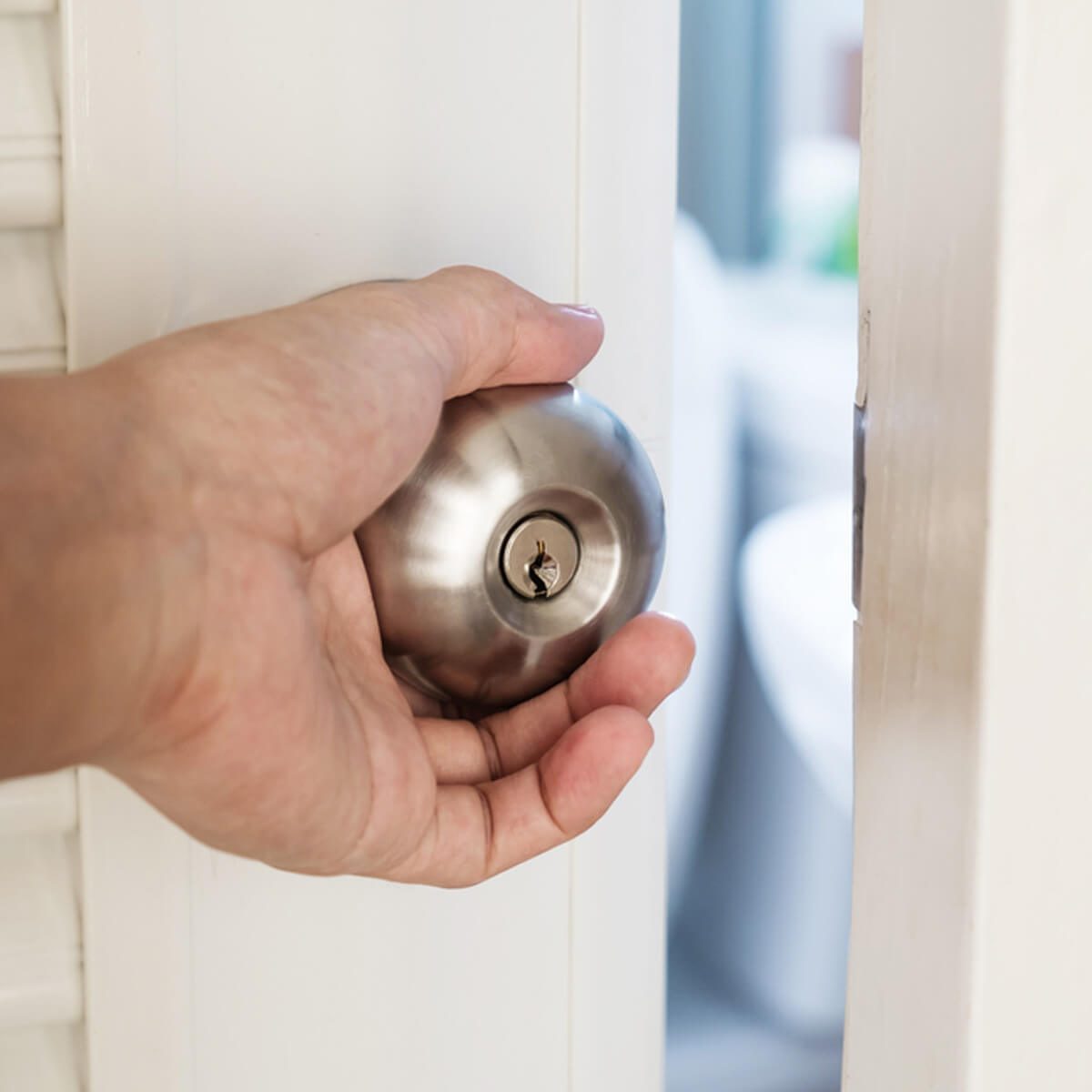
Before you crawl into bed, fluff the pillow, silence the phone, and pretend you are absolutely going to sleep in five minutes, there is one more tiny habit worth adding to your routine: close your bedroom door. It sounds almost too simple to matter. After all, a door is just a door, right? A flat rectangle with a handle, a squeak, and occasionally a sock stuck underneath it.
But when it comes to nighttime safety, that door can act like a protective barrier. Fire safety researchers, emergency preparedness experts, and fire departments across the United States increasingly recommend sleeping with bedroom doors closed because it can slow the spread of fire, smoke, heat, and toxic gases. In a house fire, those extra moments can be priceless.
Closing your bedroom door at night is not about being dramatic. It is not about turning your room into a fortress, although parents of toddlers may appreciate the fantasy. It is about creating one more layer of protection while you are at your most vulnerable: asleep, groggy, and unlikely to be thinking clearly if an alarm suddenly sounds.
Why Closing Your Bedroom Door at Night Matters
The main reason to close your bedroom door at night is fire safety. A closed door may help keep smoke and heat out of the room long enough for you to wake up, respond to a smoke alarm, call for help, or escape through a planned route.
Modern home fires can move frighteningly fast. Many homes contain synthetic materials, foam-filled furniture, plastic-based products, and open floor plans that allow flames and smoke to spread quickly. Compared with older homes filled with more natural materials, today’s rooms can become dangerous in a much shorter period of time. That means your bedroom door is not just a privacy tool; it is a simple piece of passive fire protection.
A Closed Door Can Slow Smoke and Heat
Smoke is often more dangerous than flames. It can fill a home quickly, reduce visibility, irritate the lungs, and carry toxic gases. When your bedroom door is open, smoke has a clearer path into your sleeping space. When the door is closed, it can help delay that movement.
Fire safety demonstrations have shown dramatic differences between rooms with open doors and rooms with closed doors during a fire. Open-door rooms can become extremely hot and smoke-filled, while closed-door rooms may remain more survivable for longer. That does not mean a closed door makes a room completely safe forever. It means it may buy time, and in a fire, time is the most valuable thing in the house.
It May Help Reduce Exposure to Carbon Monoxide
Carbon monoxide is a colorless, odorless gas that can be produced during fires and by fuel-burning appliances. During a house fire, toxic gases can build up rapidly. A closed bedroom door may help reduce how quickly those gases enter the room.
This is also why smoke alarms and carbon monoxide detectors are essential companions to the closed-door habit. Closing the door is smart. Closing the door without working alarms is like wearing one sneaker to run a marathon: better than nothing, but not the full plan.
The “Close Before You Doze” Habit
The phrase “Close Before You Doze” has become a memorable fire safety message for a reason. It turns an important safety recommendation into something easy to remember. Before you go to sleep, close the bedroom door. That is it. No toolbox, no ladder, no complicated installation, no dramatic family meeting with a laser pointer.
The habit works best when it becomes automatic. You brush your teeth, turn off the lights, check that the stove is off, plug your phone somewhere that is not under your pillow, and close the bedroom door. Over time, it becomes as normal as pulling up the blanket.
Should Kids Sleep With Their Bedroom Doors Closed?
Yes, children’s bedroom doors should generally be closed at night, too, as long as the home has properly placed, working smoke alarms. Parents sometimes worry they will not hear a child if the door is closed. That concern is understandable, especially for parents of babies, toddlers, or children who wake up at night. A baby monitor can help, and interconnected smoke alarms are even better because when one alarm sounds, they all sound.
For families, the closed-door habit should be part of a larger fire escape plan. Children should know what the smoke alarm sounds like, what to do if they hear it, and where the family meeting place is outside. Very young children may need repeated practice because, let’s be honest, kids can remember the exact location of a missing dinosaur toy from 2021 but forget what shoes are.
What About Pets?
Pets can make this habit tricky. Some dogs treat a closed bedroom door as a personal betrayal. Some cats view it as a legal challenge. Still, from a fire safety perspective, closing bedroom doors is recommended. If your pet sleeps in your room, bring them in before closing the door. If your pet sleeps elsewhere, consider closing interior doors throughout the home when practical, because closed doors may help limit the spread of smoke and flames from one area to another.
Pet owners should also include animals in their fire safety planning. Keep collars, leashes, or carriers in predictable places. Use a pet rescue window cling if appropriate. Most importantly, never go back into a burning home for a pet once you have escaped. Tell firefighters where the animal is likely to be.
Does Closing the Bedroom Door Improve Sleep?
Fire safety is the strongest reason to close your bedroom door at night, but sleep quality may be another bonus. A closed door can reduce household noise, hallway light, and late-night interruptions. If someone in your home has a midnight snack routine that sounds like a raccoon hosting a cooking show, a closed door may help protect your sleep.
A quieter, darker bedroom supports better rest for many people. Closing the door can create a sense of separation between “day mode” and “sleep mode.” That psychological boundary matters. Your bedroom should tell your brain, “We are done answering emails now,” not “Let’s review every awkward thing we said in high school.”
The Ventilation Question
There is one fair concern: airflow. A closed door can reduce ventilation, especially in small bedrooms with closed windows and no return air vent. Poor airflow may lead to stuffiness, warmth, or higher carbon dioxide levels overnight. That does not mean you must sleep with the door open. It means you should improve bedroom ventilation in safer ways.
Try running your HVAC fan, opening a window slightly if outdoor conditions are safe and healthy, using a properly maintained air purifier, or keeping vents unblocked. If your room gets stuffy every night, a professional can evaluate whether your HVAC system needs a return vent, transfer grille, or better airflow balancing.
The goal is simple: keep the door closed for fire safety while making the room comfortable enough for good sleep. Safety and comfort do not have to fight in the hallway like siblings arguing over the bathroom.
How to Make Closing the Door Part of a Complete Night Safety Routine
Closing your bedroom door is powerful because it is easy, but it should not be your only safety habit. Think of it as one piece of a smart nighttime routine.
1. Install Smoke Alarms in the Right Places
Every home should have smoke alarms inside each bedroom, outside each sleeping area, and on every level of the home, including the basement. Interconnected alarms are ideal because when one sounds, they all sound. That matters when bedroom doors are closed because you want everyone to hear the warning as early as possible.
2. Test Alarms Monthly
Smoke alarms are not decorative ceiling buttons. Test them every month. Replace batteries when needed, and replace the entire alarm according to the manufacturer’s instructions. Many alarms have a life span of about 10 years. If you cannot remember when yours was installed, it may be old enough to have opinions about dial-up internet.
3. Keep Bedroom Doors Closed
Close your bedroom door before sleeping. Close children’s doors. When practical, close other interior doors as well. This can help compartmentalize the home, which may slow the spread of smoke and fire.
4. Create and Practice a Fire Escape Plan
Every household should know two ways out of each room when possible. For bedrooms, that usually means the bedroom door and a window. Make sure windows open easily and that security bars have quick-release mechanisms. Choose a meeting place outside, such as a mailbox, tree, or neighbor’s driveway.
Practice the plan at least twice a year. Do it during the day first, then consider a nighttime drill. No, it will not be everyone’s favorite family activity, but neither is cleaning the garage, and somehow that still happens every decade or so.
5. Know What to Do If the Door Feels Hot
If a smoke alarm sounds or you suspect fire, do not throw the bedroom door open immediately. Feel the door and doorknob with the back of your hand. If it feels hot, keep it closed and use your second exit if possible. If you cannot escape, call 911, stay low, and signal from a window with a flashlight or bright cloth.
6. Keep Pathways Clear
Nighttime escape is harder when the floor is covered with shoes, toys, laundry baskets, or that one mystery box you keep meaning to move. Clear the path between your bed, door, and window. In an emergency, you do not want to perform an obstacle course in pajamas.
Common Myths About Sleeping With the Door Closed
Myth: “An Open Door Helps Me Hear the Alarm Better”
If your smoke alarms are correctly placed and interconnected, you should be able to hear them with the door closed. If you are worried, test the alarms from inside your bedroom with the door shut. People who are hard of hearing may need alarms with bed shakers, strobe lights, or low-frequency sound options.
Myth: “I’ll Wake Up If There’s Smoke”
Do not count on your nose to save you. Smoke can make people disoriented, and toxic gases can affect the body before a person fully wakes up. A working smoke alarm is designed to alert you early. A closed door helps create more time to respond to that alert.
Myth: “My Home Is New, So I’m Safer”
Newer homes may have updated electrical systems and code-required alarms, but modern furnishings and open layouts can still allow fire to spread rapidly. A new home is not a magic bubble. It still needs alarms, escape planning, and closed doors at night.
Special Situations: When Closing the Door Takes Planning
Some households need extra steps to make this habit work well. If you care for an older adult, someone with limited mobility, or a person who uses medical equipment, plan carefully. Make sure alarms are loud enough, exits are accessible, and emergency contacts are easy to reach. A closed door can help, but the escape plan must match the person’s real abilities.
Apartment dwellers should learn the building’s evacuation plan, locate stairwells, and avoid elevators during a fire. If smoke is in the hallway, staying behind a closed door and calling 911 may be safer than entering a smoke-filled corridor. High-rise residents should pay close attention to local fire department guidance and building procedures.
Real-Life Experiences That Show Why This Habit Sticks
The first time many people hear that they should sleep with the bedroom door closed, they react with surprise. It feels too ordinary to be important. But once they see fire safety demonstrations or hear stories from firefighters, the habit starts to make sense. A door that seemed like a minor detail suddenly looks like a shield.
One common experience is the family “aha” moment. A parent learns about the closed-door recommendation and walks through the house that night with new eyes. The hallway light is on. A child’s bedroom door is wide open. The laundry room door is open. A phone charger is tucked behind a nightstand. Nothing looks dangerous, exactly, but everything looks worth improving. That parent closes the doors, checks the smoke alarms, and realizes home safety is not one giant project. It is a collection of small decisions.
Another experience comes from light sleepers. Some people start closing the bedroom door for fire safety and discover they sleep better. The door muffles the dishwasher, the television in the living room, the teenager making cereal at midnight, or the dog walking around like a tiny security guard with toenails. The room feels calmer. The routine feels more intentional. It becomes easier to associate the bedroom with rest.
Pet owners often have the funniest adjustment period. A cat may sit outside the door and deliver a dramatic opera. A dog may sigh as if abandoned on a windswept prairie. The solution is usually consistency. Decide where pets sleep, make that place comfortable, and stick with the routine. Some families bring pets into the bedroom and close the door. Others keep pets in another safe area and close doors throughout the house. The key is not perfection on night one; it is building a habit that works.
Parents of young children may need a gentle transition. Some kids dislike closed doors because they feel separated from the rest of the house. A night-light, baby monitor, or slightly adjusted bedtime routine can help. Parents can explain the idea in simple language: “We close the door because it helps keep smoke away if there is ever a fire.” Children do not need scary details. They need calm, repeated practice.
People who live in small apartments sometimes worry about stuffiness. They may close the bedroom door and wake up feeling warm or uncomfortable. In that case, the experience becomes a ventilation puzzle. A fan, cracked window, clean HVAC filter, or adjusted vent may solve the problem. The lesson is balance: keep the safety benefit of the closed door while improving airflow in practical ways.
For many households, the closed-door habit becomes part of a larger reset. They test alarms. They replace dead batteries. They choose an outdoor meeting place. They move clutter away from windows. They stop charging devices under pillows or blankets. One simple action sparks a better safety mindset. That is the real value of closing your bedroom door at night: it is small enough to do tonight, but important enough to change how you think about your home.
Conclusion: A Small Habit That Can Make a Big Difference
Closing your bedroom door at night is one of the easiest home safety habits you can build. It costs nothing, takes one second, and may help slow the spread of smoke, heat, flames, and toxic gases during a fire. It can also reduce noise, create a calmer sleep environment, and make your bedtime routine feel more intentional.
Of course, a closed door is not a complete fire safety plan by itself. You still need working smoke alarms, carbon monoxide detectors, clear escape routes, and regular family practice. But as part of a smart nighttime routine, closing the bedroom door is a simple step with serious potential benefits.
Note: This article is for general home safety education. Always follow guidance from your local fire department, building management, and emergency officials for your specific home or living situation.