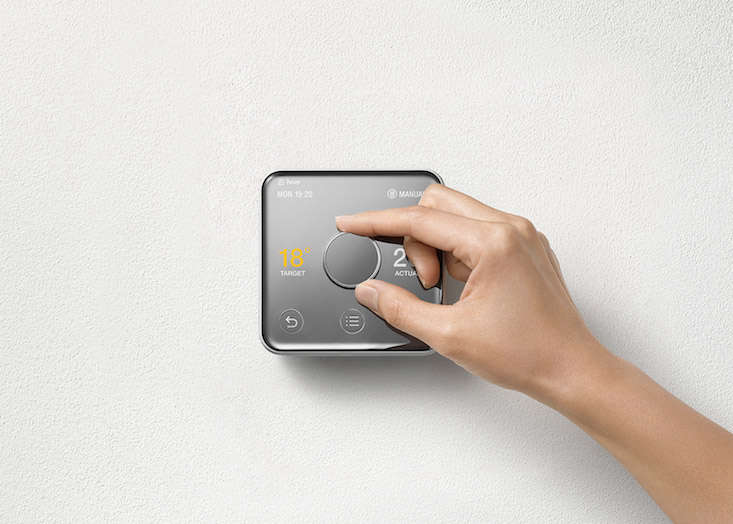
Hive Active Heating is the kind of smart-home upgrade that sounds simple until you realize how much power lives inside a thermostat. At its heart, it lets you control your heating from an app, set schedules, use voice commands, and avoid that classic household mystery: “Did someone leave the heating on, or is the house trying to become a tropical greenhouse?”
For homeowners who want smarter temperature control without turning their living room into a NASA command center, Hive offers a practical middle ground. It is not the flashiest smart thermostat on the market, and it does not pretend to read your soul before breakfast. Instead, Hive Active Heating focuses on useful features: remote control, heating schedules, geolocation alerts, frost protection, holiday mode, voice assistant support, and optional room-by-room control through Hive Radiator Valves.
There is one important note for American readers: Hive is mainly a U.K.-focused smart heating system today. Hive previously entered North America, but the brand later pulled back from the U.S. and Canadian smart-home market. So if you are in the United States and researching “Hive Active Heating,” treat this article as a product guide, comparison resource, and smart thermostat explainer rather than a direct buying recommendation for most U.S. homes.
What Is Hive Active Heating?
Hive Active Heating is a smart thermostat system created by Hive, a smart-home brand connected with British Gas and Centrica. It replaces or works alongside a traditional home thermostat, allowing users to control central heating through the Hive app, a physical thermostat, or supported voice assistants.
The basic idea is wonderfully human: your heating should fit your life, not the other way around. If you leave home early, you can turn the heat down from your phone. If you come back sooner than expected, you can warm the house before you arrive. If you are lying under a blanket and refuse to move because the couch has accepted you as one of its own, you can adjust the temperature with your voice.
Hive Active Heating typically includes a thermostat, receiver, and hub. The thermostat is the device you interact with at home. The receiver connects to the boiler or heating system. The hub connects Hive devices to the internet so they can be controlled through the app. Some packages vary depending on the model and installation route, but this three-part structure is central to how Hive works.
How Hive Active Heating Works
Hive Active Heating works by connecting your heating system to the internet. Once installed, the thermostat communicates with the receiver, and the receiver tells the boiler when to turn on or off. The Hive Hub connects everything to the Hive app, letting you control heating remotely.
Control From the Hive App
The Hive app is where much of the smart-home magic happens. You can change the temperature, turn heating on or off, create schedules, activate boost mode, manage holiday settings, and view heating behavior. Instead of walking to the hallway thermostat like it is 1998, you can make changes from your phone.
Use a Heating Schedule
Scheduling is one of Hive’s most useful features. You can set different heating times for mornings, evenings, weekdays, and weekends. For example, a household might warm the home from 6:30 a.m. to 8:00 a.m., lower the heat while everyone is away, then bring it back up before dinner.
This matters because heating an empty home is like making coffee for a chair. It may be polite, but it is not efficient. Smart scheduling helps reduce unnecessary heating while keeping comfort where it counts.
Boost Heating When You Need It
Hive’s heating boost feature gives quick heat for a set period. This is useful on unexpectedly cold mornings, after a rainy commute, or when guests arrive and your home feels less “cozy cottage” and more “museum storage room.”
Boost mode is not meant to replace a good schedule. It is best used as a short-term comfort button. Think of it as a warm blanket in app form.
Main Features of Hive Active Heating
Remote Heating Control
Remote control is the headline feature. With Hive Active Heating, users can manage their heating from almost anywhere with an internet connection. This is especially helpful for people with irregular schedules, families, landlords, or anyone who has ever left the house and immediately wondered whether the heating was still running.
Geolocation Alerts
Hive includes geolocation reminders that can alert you if you leave home while the heating is still on. Unlike some systems that automatically change the temperature based on location, Hive’s approach often works more like a helpful nudge. It will not yell at you, but it may quietly suggest, “Hey, your boiler is still partying without you.”
Frost Protection
Frost protection helps prevent pipes from freezing when indoor temperatures drop very low. Hive’s system can activate heating when the home falls below a set safety threshold. This feature is especially valuable in colder climates, vacant homes, or during winter trips.
Holiday Mode
Holiday mode lets users set lower heating while they are away and schedule the home to warm up before they return. It is a simple but powerful feature. Your house does not need to stay perfectly toasty while you are on vacation, but it also should not greet you like a walk-in freezer.
Voice Control
Hive works with major voice ecosystems, including Amazon Alexa, Google Assistant, Apple HomeKit, Siri Shortcuts, and IFTTT support depending on device, region, and current platform availability. Voice control makes everyday use easier: “Turn up the heating” is much more satisfying than arguing with a tiny wall screen while half-asleep.
OpenTherm Support
Some Hive thermostat models support OpenTherm, a communication protocol that allows compatible boilers to modulate heat output more precisely. Instead of simply switching the boiler fully on or off, OpenTherm can help maintain steadier temperatures and potentially improve efficiency when paired with a compatible combi boiler.
Hive Radiator Valves
Hive Radiator Valves add room-by-room temperature control. This is useful if your bedroom gets warm quickly but your living room behaves like it was built inside a glacier. Smart valves can help avoid heating rooms you are not using, improving comfort and reducing waste.
Hive Thermostat vs. Hive Thermostat Mini
Hive offers different thermostat models, including the standard Hive Thermostat and the Hive Thermostat Mini. The standard model is larger and usually offers more direct on-device control. The Mini is smaller, more affordable, and designed to keep the hardware simple while moving more control into the app.
The Hive Thermostat Mini is a good fit for users who mostly use their phone to manage heating. It keeps the wall device neat and minimal. The standard Hive Thermostat may be better for households that want more physical controls available at a glance.
In plain English: if you like buttons, screens, and quick wall control, the standard model feels more complete. If you prefer app-based control and a smaller device, the Mini may make more sense.
Can Hive Active Heating Save Money?
Hive Active Heating can help reduce heating costs, but it is not a magic money printer. Savings depend on your home, insulation, boiler efficiency, local energy prices, weather, andmost importantlyhow you use the system.
The biggest savings usually come from better scheduling, lowering heat when the home is empty, avoiding overheated rooms, and using holiday mode properly. U.S. Department of Energy guidance has long suggested that turning a thermostat back for several hours a day can reduce heating and cooling costs. Smart thermostats make that behavior easier because the schedule is automated and adjustable.
For example, imagine a family that used to leave heating on from morning until bedtime. With Hive, they could create a weekday schedule that heats the home before waking, reduces heating during school and work hours, warms again in the evening, then lowers overnight. That is not glamorous, but neither is paying to heat an empty sofa.
Hive Heating Plus: Is the Subscription Worth It?
Hive Heating Plus, now commonly connected with Hive’s broader Hive Plus offering, adds advanced features such as energy insights, budgeting tools, heating reports, personalized suggestions, and additional ways to understand usage. The goal is to move beyond basic control and help users see how heating choices affect bills.
Whether it is worth paying for depends on your habits. If you enjoy tracking energy use, setting budgets, and receiving recommendations, the subscription may add value. If you only want basic remote heating control and schedules, the free app features may already cover your needs.
A good rule: start with the standard features. If you find yourself wanting deeper energy data or budget alerts, consider the subscription. Do not buy a monthly plan just because the app looks at you with big “premium feature” eyes.
Installation: DIY or Professional?
Hive Active Heating installation depends on your heating system and comfort with wiring. Many users choose professional installation, especially because the receiver connects to the boiler. In the U.K., Hive has often offered installation options through British Gas-backed engineers.
Professional installation is usually the smarter choice if you are unsure about boiler wiring, have a complex heating setup, or want the system tested properly. A thermostat that is installed incorrectly can create confusing heating behavior, and nobody wants to troubleshoot a cold house while wearing three hoodies and questioning their life choices.
Compatibility: What to Check Before Buying
Before buying Hive Active Heating, check your boiler type, heating controls, hot water setup, existing thermostat wiring, Wi-Fi coverage, and smart-home ecosystem. Compatibility is the boring part of smart-home shopping, but it is also the part that prevents expensive regret.
Boiler Compatibility
Hive is commonly used with gas and LPG central heating systems in the U.K. Some setups support heating and hot water control, while others only support heating. If you have a heat pump, underfloor heating, or a highly specialized system, check compatibility carefully before purchasing.
Wi-Fi and Hub Placement
Hive devices need reliable communication. If the hub is too far from the thermostat or receiver, performance may suffer. Thick walls, metal surfaces, and awkward router placement can all interfere. Smart homes are clever, but they still hate bad signal strength.
Smart Speaker Compatibility
If you use Alexa, Google Assistant, or Apple HomeKit, confirm current support in your region. Smart-home integrations change over time, and availability can vary by device model and location.
Pros and Cons of Hive Active Heating
Pros
Hive Active Heating is easy to use, especially for people who want smart control without endless technical setup. The app is straightforward, scheduling is practical, and features like boost, holiday mode, frost protection, and geolocation reminders solve real household problems. Optional radiator valves make the system more flexible for multi-room comfort.
Cons
Hive is not the best fit for everyone. It is mainly focused on the U.K. market, so U.S. buyers should be cautious. Some advanced energy features require a subscription. It may also feel less “learning-focused” than certain competitors that automatically adapt to routines. And like all cloud-connected smart devices, long-term support and platform changes matter.
Hive Active Heating vs. Nest, Ecobee, and Other Smart Thermostats
Compared with Google Nest, Hive is generally more schedule-and-control focused, while Nest is known for learning routines and automatic adjustments. Compared with Ecobee, Hive has fewer U.S.-style HVAC features because the systems are built for different markets. Ecobee is designed around North American forced-air heating and cooling, while Hive is built mainly for U.K. boiler-based central heating.
For U.K. homes with compatible boilers, Hive can be a strong option. For U.S. homes, Nest, Ecobee, Honeywell Home, Amazon Smart Thermostat, and Sensi are usually more practical choices because they are built for local HVAC systems, wiring standards, rebates, and support networks.
Who Should Consider Hive Active Heating?
Hive Active Heating is best for U.K. households that want convenient heating control, easy scheduling, voice assistant support, and the option to expand into radiator valves or broader Hive energy products. It is especially useful for people with predictable routines, busy families, and anyone who regularly forgets to adjust the thermostat before leaving home.
It is less ideal for U.S. homeowners, people who want deep automation without subscriptions, or users who prefer a fully open smart-home ecosystem. If you enjoy building complex Home Assistant dashboards at 1:00 a.m., Hive may feel a little too controlled. If you simply want the heat to behave, Hive makes more sense.
Practical Tips for Getting the Most From Hive Active Heating
Start With a Simple Schedule
Do not create a complicated schedule on day one. Start with morning, daytime, evening, and overnight blocks. After a week, adjust based on comfort and energy use. Smart heating is not about perfection; it is about steady improvement.
Use Lower Overnight Temperatures
Many homes do not need the same temperature overnight as they do during active evening hours. Lowering the target temperature while sleeping can save energy while still keeping the home comfortable.
Do Not Overuse Boost Mode
Boost mode is handy, but constant boosting can defeat the purpose of smart scheduling. If you use boost every morning, your schedule probably needs adjusting.
Try Radiator Valves in Problem Rooms
If one room is always too hot or too cold, smart radiator valves may help. They are especially useful in guest rooms, home offices, and bedrooms that do not need full heat all day.
Review Energy Insights Monthly
Checking heating patterns once a month can reveal waste. Maybe the heating starts too early. Maybe the house stays warm longer than expected. Maybe one room is demanding tropical weather while the rest of the home behaves normally.
Common Problems and Simple Fixes
The Thermostat Is Offline
If the thermostat goes offline, check the hub, router, thermostat batteries, receiver power, and distance between devices. A simple restart often fixes connection issues. If the problem continues, the hub location may need improvement.
The Heating Turns On Unexpectedly
Unexpected heating may be caused by schedules, boost settings, frost protection, holiday mode, or manual overrides. Review the app schedule first. In many cases, the system is following an instruction someone forgot they created. Smart homes have excellent memories and zero social tact.
Rooms Heat Unevenly
Uneven heating is often a radiator balance, insulation, or room-position issue rather than a thermostat issue. Smart radiator valves can help, but they are not a substitute for proper radiator balancing or fixing drafts.
Experience-Based Insights: Living With Hive Active Heating
The real value of Hive Active Heating shows up in ordinary moments. It is not necessarily the first day, when everyone is excited and tapping the app like they have just joined a secret thermostat society. It is three weeks later, when you are at the grocery store, remember the heating is on, and turn it down before the house spends the afternoon warming nobody.
One of the most useful experiences with Hive is learning how your home actually behaves. Many people assume their house heats quickly, only to discover it takes longer than expected on cold mornings. Others realize their home stays warm for a surprising amount of time after the boiler turns off. That information helps you create better schedules. Instead of heating at 5:30 a.m. because winter feels dramatic, you may find that 6:10 a.m. is enough.
Another practical benefit is reducing household thermostat arguments. In many homes, the thermostat is less a device and more a political border. One person wants cozy warmth. Another wants lower bills. Someone else keeps opening windows while the heat is on, which should probably be discussed at the next family meeting. Hive does not solve every disagreement, but it makes heating behavior more visible. When schedules and settings are clear in the app, it becomes easier to talk about facts rather than feelings.
For remote workers, Hive can be especially useful. Traditional heating schedules often assume people leave home during the day. That does not work if your office is now a corner of the dining room and your coworker is a cat sitting on important paperwork. With Hive, you can heat the spaces and times that match your real routine. Add smart radiator valves, and you can avoid heating bedrooms all day while keeping the home office comfortable.
For families, the best feature may be flexibility. School schedules, sports practices, late meetings, and weekend plans rarely follow a perfect pattern. App control lets you adjust quickly. Running late? Delay the heating. Coming home early? Warm the house before you arrive. Going away for a long weekend? Use holiday mode instead of trusting someone to remember the thermostat on the way out.
Hive Active Heating also encourages better energy habits because it makes heating feel less invisible. With an old thermostat, you set a temperature and forget about it. With a smart thermostat, you see patterns. You notice when the heating runs longer than expected. You become aware of how often boost mode is used. You start asking better questions: Is the schedule too aggressive? Are drafts making the boiler work harder? Is the living room radiator blocked by furniture? Is the dog secretly controlling the thermostat? Probably not, but never underestimate a determined dog.
The subscription features can be helpful for people who want deeper insights, but the core experience does not require becoming an energy analyst. The most valuable habit is simple: check your schedule when seasons change. A winter schedule should not run unchanged into spring. Likewise, a mild week does not need the same heating pattern as a freezing one. Smart thermostats are only as smart as the settings people give them.
The biggest lesson from using a system like Hive is that comfort and efficiency are not enemies. A well-planned schedule can make the home feel better while using less energy. You do not have to freeze in the name of savings, and you do not have to heat empty rooms in the name of comfort. The sweet spot is thoughtful control: warm when needed, lower when not, and always ready to adapt when life ignores your calendar.
In that sense, Hive Active Heating is less about owning a clever gadget and more about creating a calmer home routine. It removes small annoyances, trims waste, and gives users more control. It will not make tea, fold laundry, or convince everyone to close the door behind them. But it can make heating simpler, smarter, and a little less expensive. For a thermostat, that is a pretty respectable résumé.
Conclusion
Hive Active Heating is a practical smart thermostat system built around convenience, control, and better heating habits. Its strongest features are remote app control, scheduling, boost mode, frost protection, geolocation reminders, holiday mode, voice assistant support, and optional room-by-room control through Hive Radiator Valves.
For U.K. households with compatible heating systems, Hive can be a strong choiceespecially for users who want smart heating without excessive complexity. For U.S. readers, the key takeaway is different: Hive is worth understanding, but most American homes will be better served by smart thermostats designed for U.S. HVAC systems and actively supported in the American market.
At its best, Hive Active Heating helps your home stop wasting heat, stop relying on memory, and stop turning thermostat control into a household sport. It gives you more control from your phone, more useful automation, and fewer reasons to sprint back into the house asking, “Did I leave the heating on?”