Note: This article is based on real guidance and scientific information from U.S. emergency-management, weather, geological, public-health, flood-insurance, climate, and disaster-relief authorities, including NOAA/National Weather Service, FEMA, Ready.gov, CDC, USGS, EPA, FloodSmart/NFIP, and the American Red Cross.
Flash floods are the drama queens of the natural disaster world. They arrive fast, make a huge mess, and rarely give anyone enough time to calmly locate matching socks, insurance paperwork, and the family flashlight. Unlike slow-rising river floods, flash floods can develop within minutes to a few hours after intense rain, dam failure, levee failure, ice jam release, or sudden runoff from burned or rocky land. In other words, one minute the street looks wet; the next, it looks like a river auditioning for a disaster movie.
The main thing to know about flash floods is simple: speed kills. Water does not need to be deep to be dangerous. Fast-moving water can knock down adults, sweep cars off roads, hide washed-out pavement, carry sharp debris, contaminate homes, and turn familiar neighborhoods into confusing, high-risk environments. This guide explains what flash floods are, why they happen, where they are most dangerous, how to prepare, what to do during a warning, and how to recover safely afterward.
What Is a Flash Flood?
A flash flood is a sudden, rapid flood that happens when water rises quickly in a low-lying area, stream, dry creek bed, street, underpass, canyon, or drainage channel. It often occurs when heavy rainfall falls faster than the ground, storm drains, rivers, or creeks can absorb or carry it away. The result is a powerful rush of water that can appear with little warning.
Flash floods are different from ordinary flooding because they develop quickly and can be intensely localized. A town ten miles away may be dry while your neighborhood is dealing with knee-deep water. A thunderstorm parked over one watershed, a clogged drainage system, or runoff from a steep hillside can create dangerous flooding even when the weather report for the broader region sounds fairly ordinary.
Why Flash Floods Are So Dangerous
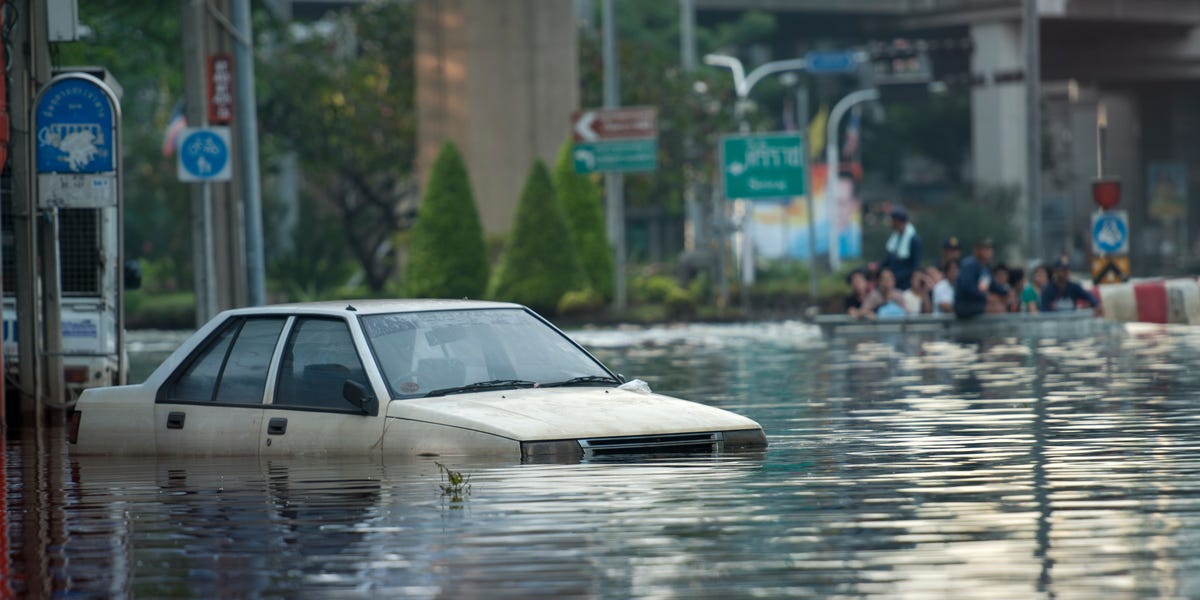
Flash floods are dangerous because they combine water, speed, debris, and surprise. People often underestimate water because it looks harmless when it is only a few inches deep. Unfortunately, moving water is not a puddle with ambition; it is a force. Six inches of fast-moving water can knock an adult off balance. About a foot of rushing water can move many cars. Around two feet can carry away larger vehicles, including SUVs and pickup trucks.
Roads are especially risky. Floodwater can cover sinkholes, missing pavement, broken bridges, open manholes, tree limbs, power lines, and sharp metal. You cannot tell by looking whether the road underneath is still there. That innocent-looking brown water may be hiding a washed-out section of asphalt large enough to swallow a tire, a bumper, or your whole sense of confidence.
What Causes Flash Floods?
Intense Rainfall
The most common cause of flash flooding is heavy rain falling too quickly. When storms drop a large amount of water in a short time, the ground cannot absorb it fast enough. Water then runs over streets, yards, fields, parking lots, and hillsides, collecting in low places and channels.
Urban Drainage Overload
Cities are flash-flood factories when drainage systems are overwhelmed. Pavement, rooftops, sidewalks, and parking lots prevent rain from soaking into soil. Instead, runoff races into storm drains. If drains are clogged by leaves, trash, construction debris, or simply too much water, streets can flood quickly.
Burn Scars After Wildfires
Areas recently burned by wildfires face a higher flash flood risk. Fire removes vegetation and can change soil conditions, making the ground less able to absorb rainfall. Even a modest storm can send water, ash, rocks, mud, and debris rushing downhill. In steep terrain, post-fire flooding may become a debris flow, which behaves like wet concrete with a terrible attitude.
Dam or Levee Failure
Flash floods can also happen when a dam, levee, or water-control structure fails. These events can release large volumes of water suddenly and may leave people with very little time to evacuate. That is why emergency alerts in dam or levee areas should always be taken seriously.
Mountain Canyons and Dry Washes
In desert and mountain regions, flash floods can roar through dry washes, narrow canyons, and normally quiet creek beds. The rain may fall miles away, but runoff can travel downstream and arrive suddenly. Hikers, campers, and drivers should never assume a dry channel will stay dry during stormy weather.
Where Flash Floods Happen
Flash floods can happen in all 50 states. They are not limited to coastal cities, river towns, or hurricane zones. They can strike mountain valleys, desert washes, suburban streets, rural roads, burned forests, urban neighborhoods, and low-lying underpasses. Anywhere rain can fall faster than water can drain, flash flooding is possible.
High-risk locations include:
- Low-water crossings and dips in rural roads
- Urban underpasses and tunnels
- Areas near creeks, streams, rivers, and drainage channels
- Neighborhoods with poor stormwater drainage
- Steep slopes and canyons
- Burned areas after wildfires
- Basements and below-grade apartments
- Campgrounds near water or dry washes
Flash Flood Watch vs. Flash Flood Warning
Weather alerts are useful only if you understand what they mean. A Flash Flood Watch means conditions are favorable for flash flooding. It is your “heads up” alert. Charge your phone, check your emergency kit, review your evacuation route, and keep an eye on the weather.
A Flash Flood Warning means flash flooding is happening or expected soon. This is not the time to debate whether the sky looks “that bad.” Move to higher ground immediately if you are in a flood-prone area. Avoid roads that may flood. Do not wait for water to reach your doorstep before taking action.
A Flash Flood Emergency is even more serious. It means life-threatening flooding is occurring and catastrophic impacts are possible. When officials issue this level of alert, treat it like the emergency it is. Get to safety immediately and follow local instructions.
Before a Flash Flood: How to Prepare
Know Your Risk
Start by learning whether your home, workplace, school, or commute route is in a flood-prone area. Do not rely only on memory or neighborhood gossip. Flood risk can change because of new construction, drainage changes, wildfire damage, erosion, and more intense rainfall patterns.
Create a Family Emergency Plan
Every household should know where to go, how to communicate, and what to do if flash flooding occurs. Choose more than one evacuation route because floodwater may block the road you usually take. Decide where family members will meet if separated. Include pets in the plan, because your dog will not magically pack its own leash and snacks.
Build an Emergency Kit
A practical flood emergency kit should include drinking water, nonperishable food, flashlights, extra batteries, a first-aid kit, prescription medications, phone chargers, copies of important documents, cash, hygiene supplies, pet supplies, and weather-radio access. Keep supplies in a waterproof container or easy-to-carry bag.
Protect Important Documents
Store insurance papers, identification, medical records, property records, and emergency contacts in waterproof sleeves or cloud storage. After a flood, paperwork becomes surprisingly important and surprisingly soggy if you did not prepare.
Consider Flood Insurance
Standard homeowners insurance usually does not cover flood damage. Flood insurance is available for homeowners, renters, and businesses through the National Flood Insurance Program and private insurers. In many cases, a new flood insurance policy has a 30-day waiting period before coverage begins, so buying it when the rain is already tapping on the window is usually too late.
During a Flash Flood: What to Do Immediately
Move to Higher Ground
If you receive a flash flood warning, move to higher ground right away. Do not go to a basement. Do not try to rescue items from low areas. Your television, couch, and holiday decorations are not worth a risky trip into rising water.
Never Drive Through Floodwater
The most famous flood safety phrase exists for a reason: Turn Around, Don’t Drown. If a road is covered by water, turn around. Do not drive around barricades. Do not follow another vehicle through water. Do not assume your truck, SUV, or “very confident sedan” can handle it.
Stay Away from Streams and Drainage Channels
Flash floods can rise suddenly near creeks, storm drains, culverts, and channels. Children should be kept away from flooded areas, ditches, and moving water. What looks like an exciting mini-river can become deadly in seconds.
Listen to Official Instructions
Use emergency alerts, local news, weather radio, and official social media channels for updates. If authorities tell you to evacuate, evacuate. If they tell you to shelter in place on higher ground, do that. Rumors travel quickly during disasters, but official information is your best guide.
If You Are in a Car During a Flash Flood
Driving is one of the most dangerous situations during a flash flood. If you encounter water covering the road, stop and turn around. If your vehicle stalls in rising water and you can safely get out, leave the vehicle and move to higher ground. If water is moving rapidly around the car, call emergency services and follow dispatcher instructions.
Do not stay in a vehicle because it feels familiar. A car can float, spin, fill with water, or be pushed into deeper water. The vehicle may be expensive, but it is not a boat. It is a metal box with cup holders.
After a Flash Flood: Hidden Dangers Remain
The danger does not disappear when the rain stops. Floodwater can contain sewage, chemicals, gasoline, pesticides, sharp debris, dead animals, bacteria, and other hazards. Standing water may also hide holes, unstable ground, electrical risks, and damaged structures.
Wait for the All-Clear
If you evacuated, return only when officials say it is safe. Roads may still be closed, bridges may be weakened, and utilities may be damaged. Emergency crews need space to work, and sightseeing after a flood is both unsafe and deeply unhelpful.
Avoid Contaminated Water
Do not drink, cook with, brush teeth with, or wash dishes with water that may be contaminated. Use bottled, boiled, or properly treated water until local officials confirm the supply is safe. If you have a private well that flooded, have it tested before using it.
Be Careful Entering Buildings
Before entering a flooded building, check for structural damage, gas smells, electrical hazards, and shifting debris. Use flashlights instead of candles to reduce fire risk. Wear gloves, boots, eye protection, and protective clothing during cleanup.
Document Damage
Take photos and videos before cleaning up, if it is safe to do so. Contact your insurance company promptly. Keep receipts for cleanup, repairs, temporary lodging, and replacement items. Good documentation can make recovery smoother.
Flash Floods and Climate Change
Heavy precipitation events have become more frequent in many parts of the United States, especially in regions where warmer air can hold more moisture. More intense downpours can increase flash flood risk, particularly in urban areas, steep terrain, and communities with aging drainage infrastructure. Climate change does not mean every storm becomes a disaster, but it can load the dice toward heavier rainfall and more stressful flood conditions.
Local planning matters. Communities can reduce risk by improving storm drains, protecting wetlands, updating flood maps, limiting development in flood-prone areas, restoring natural drainage, maintaining culverts, and investing in early-warning systems. Homeowners and renters can help by clearing gutters, keeping storm drains free of debris, elevating valuables, and taking warnings seriously.
How to Protect Your Home from Flash Flood Damage
You cannot control the weather, but you can reduce damage. Start outside. Keep gutters, downspouts, and drains clear. Slope soil away from the foundation where possible. Install backflow valves if sewer backup is a risk. Move expensive equipment, electrical systems, and stored valuables above potential flood levels. Use water-resistant materials in flood-prone areas.
Inside the home, avoid storing irreplaceable items in basements. Place appliances on platforms if local codes and safety rules allow. Keep a sump pump in good working order and consider battery backup. Review your insurance coverage annually, especially if your area has experienced new construction, wildfire, drainage problems, or repeated heavy rain events.
Common Flash Flood Myths
“I Know This Road.”
You may know the road, but you do not know what the flood has done to it. Water can wash away pavement, weaken bridges, and hide debris. Familiar roads become unfamiliar hazards during flash flooding.
“The Water Is Not That Deep.”
Depth is only part of the danger. Speed matters. Moving water can push, lift, and carry people or vehicles even when it looks shallow.
“I Will Just Walk Across.”
Walking through floodwater can be as dangerous as driving through it. You may step into a hole, be knocked over, or come into contact with contaminated water or electrical hazards.
“Floods Only Happen Near Rivers.”
Flash floods can happen far from major rivers. Urban streets, parking lots, dry washes, drainage ditches, and mountain roads can flood quickly.
Real-Life Examples of Flash Flood Risk
Flash floods have affected communities across the United States, from desert slot canyons in the Southwest to Appalachian valleys, Gulf Coast cities, Midwest towns, and Northeast urban corridors. In mountain regions, narrow valleys can funnel water into powerful torrents. In cities, intense rain can overwhelm drainage systems and flood subway entrances, underpasses, and basement apartments. In wildfire areas, storms can trigger muddy debris flows long after flames are out.
These examples show why flash flood preparedness is not just for people who live beside a river. It is for drivers, hikers, homeowners, renters, students, business owners, and anyone who occasionally looks at a weather alert and thinks, “Hmm, probably fine.” Sometimes it is fine. Flash flood safety is about knowing when it is absolutely not fine.
Experience-Based Lessons: What Flash Floods Teach People the Hard Way
People who have lived through flash floods often describe the same surprise: how fast normal life turns strange. A street that looked passable at 4:00 p.m. can become a muddy current by 4:15. A backyard can fill like a bathtub. A quiet creek can sound like a freight train. The first lesson is that flash floods do not wait for you to finish errands, move the car, or check one more weather app. When water starts rising quickly, action beats analysis.
One common experience is the shock of losing familiar landmarks. During heavy rain, street signs, curbs, driveway edges, and lane markings disappear under brown water. Drivers may think they are still on the road when they are actually drifting toward a ditch. Homeowners may open a door and discover that water pressure is stronger than expected. Hikers may hear rushing water before they see it. That sensory confusion is why preparation matters before the storm begins.
Another lesson is that small decisions become big ones. Choosing not to drive through a flooded underpass may feel inconvenient, especially when home is only five minutes away. But that decision can save a life. Moving important documents upstairs before storm season may feel boring, right up until the basement floods. Keeping shoes, flashlights, medication, and phone chargers in one place may seem overly organized, until the lights go out and the family is trying to leave quickly.
Flash floods also teach humility. Many people overestimate their ability to judge water depth, vehicle strength, or walking balance. The water may look slow near the edge but move faster in the center. A road may look intact but be hollowed out beneath. A person may feel steady until one foot slips and the current does the rest. Respecting floodwater is not fearfulness; it is common sense wearing rain boots.
Families who recover well usually have three things in common: they listened to warnings, they had a plan, and they did not take unnecessary risks after the water receded. Recovery can be physically and emotionally exhausting. There may be damaged flooring, ruined furniture, insurance calls, cleanup crews, mold concerns, and the unpleasant smell of wet drywall. But the process is far easier when everyone is safe, documents are protected, photos are taken, and contaminated water is treated as hazardous.
Communities also learn from flash floods. Neighbors check on older adults, share generators, help clear debris, and spread official information. Local officials identify blocked culverts, dangerous crossings, and drainage problems. Schools, businesses, and families update their emergency plans. The best time to learn these lessons is before a flood, not while standing ankle-deep in water wondering why nobody bought extra batteries.
The practical takeaway is this: flash flood safety is a habit. Check the forecast before traveling during stormy weather. Know higher ground near your home and workplace. Keep emergency supplies ready. Treat flood warnings as instructions, not suggestions. And when you see water across a road, turn around. Being late is annoying. Being swept away is significantly worse.
Conclusion
Flash floods are among the most dangerous natural disasters because they arrive quickly, move powerfully, and catch people off guard. They can happen in cities, rural areas, deserts, mountains, and neighborhoods that have never flooded before. The good news is that simple actions save lives: understand alerts, move to higher ground, avoid flooded roads, prepare an emergency kit, protect important documents, consider flood insurance, and stay away from contaminated water after the flood.
Flash flood safety does not require panic. It requires respect. Water is useful in a coffee maker, a bathtub, and a garden hose. Rushing across a road during a storm? Not so charming. When in doubt, choose higher ground, wait for official guidance, and remember the rule that has saved countless lives: Turn Around, Don’t Drown.