Some Hollywood mysteries involve locked vaults, missing wills, secret collectors, and dramatic music swelling in the background. This one involved a trash bag, a shoebox, and a theater department office. Not exactly a tornado, but close enough.
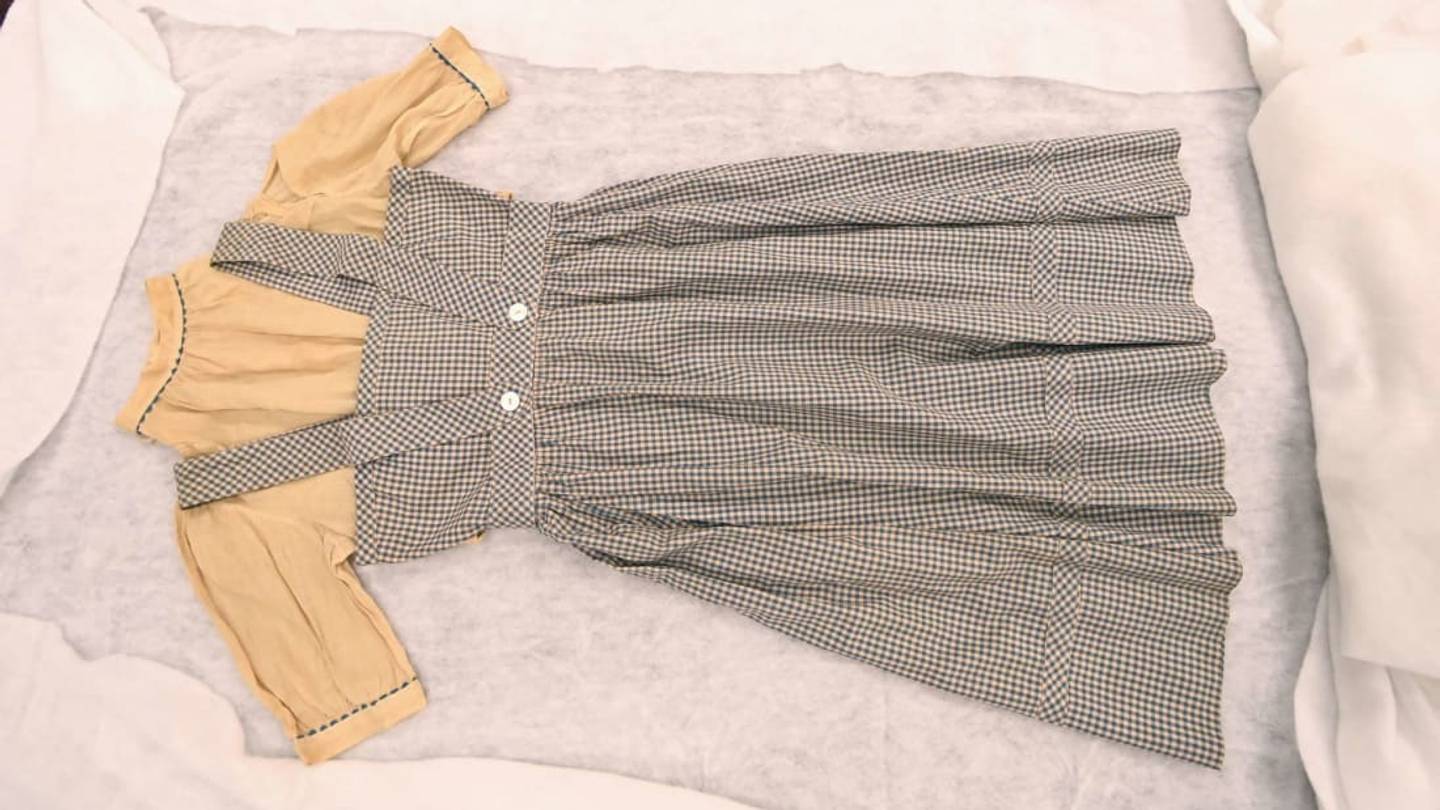
One of Dorothy’s long-lost dresses from The Wizard of Oza blue-and-white gingham pinafore worn by Judy Garland in the 1939 classicwas rediscovered at The Catholic University of America in Washington, D.C., after decades of rumors, dead ends, and “surely somebody knows where it is” conversations. The dress had been hiding in plain sight inside the university’s drama building, wrapped in a bag and tucked away above faculty mail slots. It sounds like the beginning of a campus ghost story, except the ghost was MGM costume history.
The rediscovery instantly became more than a feel-good movie-memorabilia headline. It opened a fascinating story about Hollywood costume design, academic archives, authentication, nostalgia, money, ownership, and why a humble gingham dress can make collectors, historians, lawyers, students, and lifelong Oz fans lean forward at the same time.
The Dress That Became American Movie Mythology
Dorothy Gale’s dress is one of the most recognizable costumes in American film. It is simple by design: a farm-girl pinafore, a blouse, a schoolgirl silhouette, and a pattern so wholesome it practically smells like fresh laundry and Kansas dust. Yet that simplicity is exactly why it works. Dorothy is not dressed like a princess, a superhero, or a glamorous studio star. She is dressed like someone who might accidentally become the emotional center of a Technicolor fever dream before lunch.
Designed under MGM’s legendary costume department, the Dorothy costume helped transform Judy Garland into an instantly readable character: young, sincere, homesick, brave, and slightly overwhelmed by flying monkeys, which is fair. Several versions of the dress were made for filming, as was common in studio production. Costumes had to survive long shooting days, lighting setups, scene continuity, repairs, and the general abuse of filmmaking before modern preservation teams hovered nearby with gloves and archival boxes.
Over time, surviving Dorothy dresses became cultural artifacts. They were no longer just wardrobe pieces; they became physical proof of a movie that generations have watched from couches, classrooms, theaters, and holiday television broadcasts. The blue gingham is a visual shortcut to childhood wonder. You see it, and your brain immediately supplies a yellow brick road.
How a Hollywood Treasure Ended Up at Catholic University
The dress’s route from MGM soundstages to a university drama department is part of what makes the story so compelling. In the early 1970s, actress Mercedes McCambridge, an Oscar-winning performer and a major figure in radio, film, and theater, was connected with Catholic University’s drama program. She presented the Dorothy dress to Rev. Gilbert V. Hartke, O.P., the celebrated founder and longtime head of the university’s drama department.
Hartke was not just another professor with a filing cabinet and a fondness for student productions. He was a dynamic arts leader with connections across entertainment, politics, and American cultural life. McCambridge’s gift placed a piece of Hollywood history inside an educational environment, where it could inspire theater students who were learning that costumes are not accessories; they are storytelling tools.
For a while, the dress was known on campus. Archival photographs showed Hartke holding it. University memories and old articles kept the story alive. But after Hartke’s death in 1986, the dress effectively vanished from view. It was not necessarily stolen, destroyed, or spirited away by a wicked witch with excellent packing tape. It was simply lost in the everyday chaos that can swallow valuable objects when institutions move offices, renovate buildings, change staff, and inherit storage areas full of boxes nobody wants to open.
Found in a Trash Bag, Inside a Shoebox, Above Mailboxes
The rediscovery happened in 2021, while Catholic University staff were preparing for renovations in the Hartke Theatre building. Lecturer and operations coordinator Matt Ripa had heard the campus legend before. People had talked about the Dorothy dress for years, but no one knew exactly where it had gone. Then, during the kind of cleanup that usually produces old cables, dusty binders, and one mysterious coffee mug, Ripa found a bag placed above faculty mail slots.
Inside the bag was a shoebox. Inside the shoebox was the dress.
That is the kind of sentence archivists dream about and insurance adjusters probably fear. The item was not displayed under dramatic museum lighting. It was not locked in a climate-controlled treasure room. It was sitting in the building, waiting for someone curious enough to look. In other words, one of the most famous costume designs in film history had been hiding in plain sight like the world’s most valuable lost-and-found item.
Once the dress was located, the university moved quickly to protect it. Staff treated it as a serious archival object, not as a fun Halloween prop to be tried on “just for a second.” The costume was examined, documented, and preserved with appropriate care. That distinction matters because antique textiles are fragile. A blouse from 1939 is not built to endure modern handling, selfie angles, or enthusiastic “Can I touch it?” energy.
How Experts Determined It Was Probably the Real Deal
Authenticating a famous costume is not as simple as saying, “Looks blue, looks gingham, case closed.” Hollywood memorabilia has value, and value attracts confusion, exaggeration, and occasionally fraud. Experts look for patterns of evidence: construction details, labels, photographs, provenance, fabric condition, alterations, and how the object compares with other known examples.
The Catholic University dress had several important characteristics associated with authenticated Dorothy costumes. These included the gingham pinafore, the accompanying blouse, markings connected to Judy Garland, and specific construction details known from surviving dresses. One particularly charming detail is the so-called secret pocket, used for Dorothy’s handkerchief. It is a tiny practical feature that feels almost too perfect, like a costume designer whispering, “Our heroine may face witches, but she still needs somewhere to put a hankie.”
The blouse also mattered. Surviving Dorothy dresses with their original blouses are especially rare. The blouse was delicate and prone to damage, which makes complete examples much more significant to collectors and historians. Catholic University’s dress was identified as one of the very few surviving versions with the original blouse still connected to the costume’s history.
Experts also matched the dress to scenes in the Wicked Witch’s castle sequence. That connection gives the garment extra storytelling power. It is not simply “a Dorothy-style dress.” It is associated with a memorable section of the film where Dorothy is frightened, trapped, and still emotionally resilient. The dress carries the visual memory of one of the movie’s most intense passages.
Why the Discovery Captured So Much Attention
The story went viral because it combined several irresistible ingredients. First, The Wizard of Oz remains one of the most beloved American movies ever made. Second, the object was not a poster, a lobby card, or a signed photograph. It was a costume worn by Judy Garland, a performer whose image and voice are permanently tied to the film’s emotional impact. Third, the discovery was wonderfully unglamorous. People love treasure stories, but they love them even more when the treasure is found somewhere absurdly ordinary.
There is also a deeper reason the dress matters. Costumes are intimate artifacts. They touch the actor. They move through scenes. They carry evidence of performance, repair, wear, and production decisions. Unlike a camera or a script, a costume visually fuses the fictional character with the real performer. Dorothy’s dress is both a garment and a bridge between Judy Garland, Dorothy Gale, MGM craftsmanship, and millions of viewers’ memories.
The rediscovery also reminded people that archives are not always neat treasure chests. Sometimes history survives because someone did not throw something away. Sometimes preservation begins with curiosity. And sometimes the difference between “lost forever” and “national news” is a person opening a box instead of walking past it.
The Auction Plan and the Million-Dollar Question
After the dress was authenticated and publicized, Catholic University announced plans to auction it through Bonhams. The expected sale price was estimated in the range of $800,000 to $1.2 million, a figure that made sense given the rarity of complete Dorothy costumes and the continuing strength of the Hollywood memorabilia market.
The university said proceeds would support its arts programs, including goals connected to film acting and a faculty position. That plan gave the story a tidy, almost cinematic shape: a costume once used to inspire students could be sold to fund future students. Somewhere, a screenwriter probably nodded approvingly.
But the yellow brick road developed a legal pothole.
The Ownership Dispute That Delayed the Sale
Before the planned auction could go forward, Barbara Ann Hartke, a relative of Father Hartke, challenged the sale. She argued that the dress had been given personally to Hartke and therefore belonged to his estate, not to the university. Catholic University countered that the dress had been presented in connection with the drama department and that Hartke, as a Dominican priest who had taken a vow of poverty, could not have accepted such a valuable object as personal property in the ordinary sense.
A federal judge initially blocked the auction while the ownership dispute was pending. That turned a movie-history story into a legal drama, complete with questions of standing, probate, institutional ownership, donor intent, and whether a garment famous for “There’s no place like home” had legally found one.
In late 2023, the case moved significantly in Catholic University’s favor when the court dismissed Barbara Hartke’s claims, finding problems with her legal standing. In 2024, reporting and court materials showed the dispute continuing through appeal-related proceedings, but the university publicly stated that it could proceed toward an auction after the injunction was lifted. The legal chapter underscored a crucial lesson for museums, universities, collectors, and donors: provenance is not just a fancy word. It is the paper trail that keeps beloved objects from becoming courtroom celebrities.
Why Dorothy’s Dress Is Worth So Much
To someone outside the memorabilia world, a million-dollar dress may sound like a tornado picked up the price tag and dropped it in Beverly Hills. But the valuation reflects rarity, cultural importance, condition, provenance, and emotional power. Movie costumes tied to iconic performances can become among the most desirable collectibles because they represent both art and memory.
Dorothy’s dress belongs to a tiny category of film artifacts that are recognizable even when separated from the actor. Like the ruby slippers, Indiana Jones’s fedora, Marilyn Monroe’s white dress, or Darth Vader’s helmet, it functions almost like a symbol. It does not need explanation. The object brings its own soundtrack.
Complete Dorothy costumes are especially rare, and examples with original blouses are rarer still. Previous Dorothy-related costumes have sold for substantial amounts, including a Bonhams sale in 2015 that brought more than $1.5 million for another Judy Garland-worn dress. That history helped establish the Catholic University dress as a major auction item even before the legal dispute added another layer of public attention.
What the Rediscovery Teaches About Archives
The tale of the rediscovered Dorothy dress is funny because of where it was found, but it is also instructive. Institutions often hold materials that are more valuable than anyone realizes. University departments, theaters, churches, local museums, libraries, and family estates may contain objects with major historical significance but incomplete documentation.
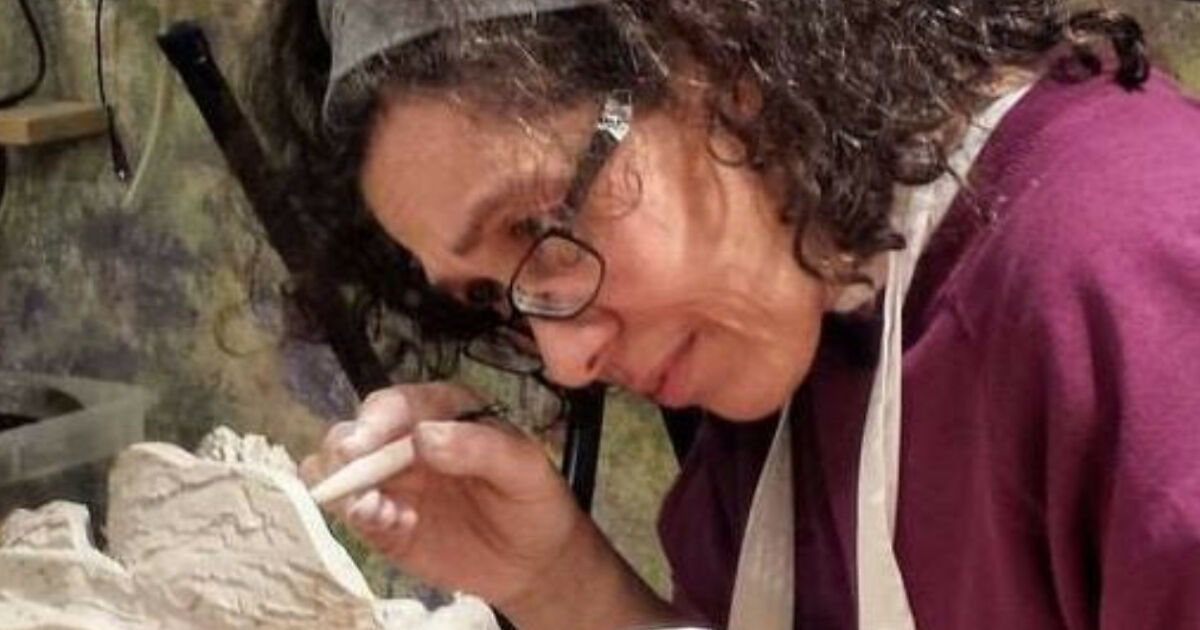
Archival work is not always glamorous. It involves labeling, cataloging, climate control, research, and many hours spent asking, “Why is this here?” Yet that quiet labor is what allows cultural memory to survive. Without staff who recognized the importance of the dress, handled it carefully, and brought in expert help, the garment could have remained just another mysterious old costume in a box.
The story also shows why preservation is a team effort. The person who finds the object matters. The archivist who documents it matters. The expert who compares it with known examples matters. The institution that stores it responsibly matters. Cultural history is rarely saved by one heroic moment; it is saved by a chain of people doing the right thing at the right time.
The Human Magic Behind a Piece of Gingham
What makes the story so appealing is not only that the dress survived. It is that the dress survived in such a human way. It was misplaced, rumored about, found during renovations, and greeted with astonishment. That feels less like a museum catalog entry and more like the way memory actually works. We tuck things away. We forget where we put them. Years later, someone opens a box, and the past comes rushing back wearing gingham.
For fans, the rediscovery offered a rare kind of closeness to a film that can sometimes feel almost mythical. The Wizard of Oz is so famous that it risks becoming abstract: the yellow road, the slippers, the witch, the song, the moral. But the dress is physical. It has seams. It has fabric. It has wear. It reminds us that the magic of Oz was built by artists, stitched by hands, worn by a teenage performer, and preservedsomehowthrough nearly a century of cultural change.
Experiences and Reflections: Why This Story Feels Personal
There is something strangely comforting about the idea that a priceless piece of movie history could be waiting in an ordinary place. Most of us have had some smaller version of that experience. We open a drawer and find an old ticket stub. We clean out a closet and discover a photograph we thought was gone. We flip through a used book and find someone’s handwritten note tucked between the pages. The object itself may not be worth a million dollars, but for a moment it behaves like treasure.
The Dorothy dress story taps into that universal feeling. It tells us that the past is not always locked away in museums. Sometimes it is folded badly, mislabeled, placed on a shelf, and nearly forgotten. That is why the phrase “hiding in plain sight” fits so well. The dress was not buried in a pyramid or hidden behind a secret wall. It was in a working academic building, surrounded by everyday routines. Faculty and staff came and went. Students studied lines, rehearsed scenes, worried about performances, and probably complained about deadlines. Above them, a garment connected to one of the most famous films ever made quietly waited for its second entrance.
For anyone who loves movies, the rediscovery also changes how we think about props and costumes. Watching The Wizard of Oz after learning this story makes the dress feel less like a flat image on screen and more like a survivor. It passed through the pressure of studio production, the hands of Hollywood figures, the care of a theater educator, decades of institutional uncertainty, and finally the scrutiny of modern experts. That is a lot of drama for a dress whose on-screen job was to look innocent.
There is a lesson here for families, schools, and local organizations: document what you have. Write down where important objects came from. Take photographs. Keep donation records. Ask older members what they know before their stories disappear. The world is full of mini-archives sitting in basements and office cabinets. Most will not contain Judy Garland’s costume, but many contain something meaningful: a community playbill, a veteran’s letter, a first edition, a handmade quilt, a civil rights flyer, a church register, a family recipe book. History often arrives without a spotlight.
The story also gives collectors and fans a reason to think beyond price. Yes, the auction estimate was enormous. Yes, the legal battle was dramatic. But the emotional value of the dress comes from what it represents: longing for home, courage in strange places, and the handmade beauty of classic Hollywood. Dorothy’s costume is famous because it helped make fantasy feel sincere. In a movie filled with witches, talking trees, poppy fields, and a suspiciously theatrical wizard, the gingham dress kept Dorothy human.
That may be why the rediscovery made so many people smile. It was not just a lost costume coming back into view. It was a reminder that beloved stories leave traces in the real world. Sometimes those traces are preserved in grand museums. Sometimes they are wrapped in a bag inside a shoebox. Either way, when someone opens the box, the road to Oz appears again.
Conclusion
The rediscovery of one of Dorothy’s long-lost dresses from The Wizard of Oz is the rare Hollywood story that feels both magical and wonderfully practical. A legendary costume was not found by a treasure hunter with a map, but by university staff preparing for renovations. Its journey from MGM to Mercedes McCambridge, from Father Gilbert Hartke to Catholic University, from campus rumor to authenticated artifact, reveals how fragile cultural memory can beand how thrilling it is when that memory survives.
The dress matters because it is more than fabric. It is a piece of Judy Garland’s performance, a symbol of American cinema, a lesson in preservation, and a reminder that history sometimes waits patiently in the most ordinary corners. Dorothy spent the movie trying to get home. Her dress, after decades of uncertainty, finally reminded the world where it had been all along.