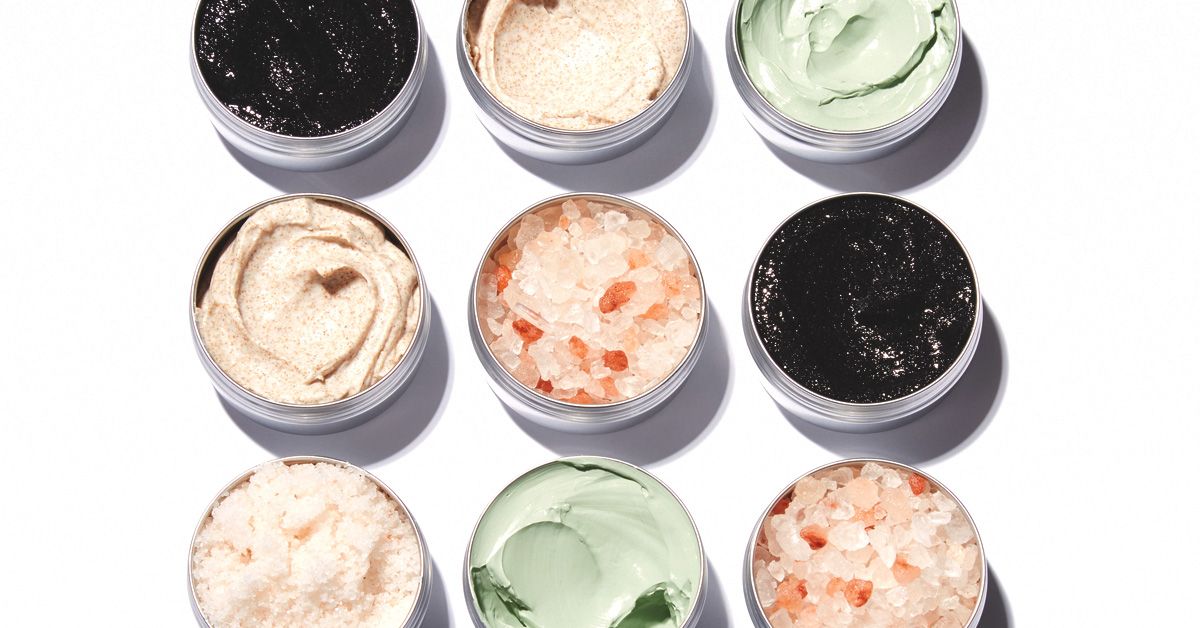
Exfoliation sounds simple: remove dead skin cells, reveal smoother skin, admire your glow in every reflective surface, and try not to wink at yourself in the toaster. But safe exfoliation is less about scrubbing your face like a kitchen pan and more about understanding your skin type, your skin barrier, and the difference between “fresh-faced” and “why is my cheek yelling?”
When done correctly, exfoliation can help improve dullness, rough texture, clogged pores, uneven tone, and flaky buildup. When done too aggressively, it can lead to stinging, redness, dryness, breakouts, irritation, or a damaged moisture barrier. The trick is not to exfoliate more. The trick is to exfoliate smarter.
This guide explains how to exfoliate safely by skin type, including oily, dry, sensitive, acne-prone, combination, mature, and hyperpigmentation-prone skin. Think of it as a friendly map for smoother skinminus the scary “10-step routine before breakfast” energy.
What Is Exfoliation?
Exfoliation is the process of removing dead skin cells from the surface of the skin. Your skin naturally sheds cells on its own, but sometimes those cells hang around like guests who missed the “party is over” memo. When buildup collects, skin may look dull, feel rough, clog pores, or make makeup sit unevenly.
There are two main types of exfoliation: physical exfoliation and chemical exfoliation.
Physical Exfoliation
Physical exfoliation uses movement or texture to loosen dead skin. Examples include soft washcloths, gentle scrubs, cleansing brushes, konjac sponges, or exfoliating gloves for the body. The upside is that results can feel immediate. The downside is that scrubbing too hard can irritate the skin, especially on the face.
Chemical Exfoliation
Chemical exfoliation uses ingredients that help dissolve or loosen the bonds between dead skin cells. Common options include alpha hydroxy acids, beta hydroxy acids, polyhydroxy acids, and enzymes.
- AHAs: Glycolic acid, lactic acid, mandelic acid, and similar ingredients work mainly on the skin surface. They are often used for dullness, roughness, fine lines, and uneven tone.
- BHA: Salicylic acid is oil-soluble, making it useful for oily and acne-prone skin because it can work inside clogged pores.
- PHAs: Polyhydroxy acids, such as gluconolactone, are generally gentler and may be a better starting point for sensitive or dry skin.
- Enzymes: Papaya, pineapple, pumpkin, and other enzyme-based exfoliants can be mild, though they can still irritate sensitive skin if overused.
Why Skin Type Matters
Your skin type determines how much exfoliation your skin can tolerate. Oily skin may handle more frequent exfoliation than dry or sensitive skin. Acne-prone skin may benefit from chemical exfoliants but may react badly to gritty scrubs. Darker skin tones or skin that develops dark spots easily may need extra caution because irritation can trigger post-inflammatory hyperpigmentation.
In other words, your best friend’s “holy grail” exfoliating toner might make your skin glowor make it file a formal complaint. Skin care is personal. Your routine should be too.
General Rules for Safe Exfoliation
Start Slowly
If you are new to exfoliation, begin once a week. Use a gentle product, apply it as directed, and watch how your skin responds for several days. If your skin stays calm, you can slowly increase frequency. If it stings, peels, burns, or becomes unusually shiny and tight, step back.
Do Not Scrub Like You Are Sanding Furniture
Pressure is not progress. Gentle circular motions are enough for physical exfoliation. If your face is red afterward, you may have gone too hard. Your goal is polished skin, not a dramatic reenactment of a tomato.
Moisturize Afterward
Exfoliation can leave skin more vulnerable to dryness. Follow with a fragrance-free moisturizer that supports the skin barrier. Look for ingredients such as glycerin, ceramides, hyaluronic acid, petrolatum, or squalane depending on your skin’s needs.
Use Sunscreen Every Morning
Some exfoliating acids, especially AHAs, can increase sun sensitivity. Daily broad-spectrum sunscreen is non-negotiable if you exfoliate. Yes, even if it is cloudy. Yes, even if you are “just running errands.” The sun has excellent attendance.
Avoid Stacking Too Many Actives
Using exfoliating acids, retinoids, benzoyl peroxide, vitamin C, scrubs, and peels all in the same routine can overwhelm the skin. If you use prescription acne treatments, retinoids, or treatments for eczema, rosacea, or melasma, ask a dermatologist before adding exfoliation.
How to Exfoliate Oily Skin Safely
Oily skin produces more sebum, which can mix with dead skin cells and contribute to clogged pores. Exfoliation can help reduce buildup and make skin feel smoother, but the goal is balancenot stripping your face until it squeaks like a clean dinner plate.
Best Exfoliants for Oily Skin
Salicylic acid is often a strong option for oily skin because it can move through oil and help clear pore buildup. Glycolic acid may also help with rough texture and dullness. Some people with oily, resilient skin can tolerate gentle physical exfoliation, but chemical exfoliants are usually easier to control.
Suggested Frequency
Start with one to two times per week. If your skin tolerates it well, you may increase to two or three times weekly depending on product strength. Daily exfoliation is not necessary for most people and can backfire by causing irritation or rebound oiliness.
Example Routine
At night, cleanse with a gentle cleanser, apply a low-strength salicylic acid product, wait as directed, then moisturize. In the morning, use sunscreen. Keep the rest of the routine simple while your skin adjusts.
How to Exfoliate Dry Skin Safely
Dry skin needs a careful approach because it already lacks enough oil or moisture. Exfoliating dry skin can help remove flakes, but overdoing it can worsen tightness and irritation. The secret is to hydrate first, exfoliate gently, and seal in moisture afterward.
Best Exfoliants for Dry Skin
Lactic acid is often a better choice than stronger acids because it exfoliates while also having humectant properties. PHAs may also be a gentle option. Avoid harsh scrubs with large, rough particles, especially on the face.
Suggested Frequency
Once a week is often enough for dry skin. If your skin is flaky because it is irritated, sunburned, windburned, or reacting to a product, do not exfoliate. Moisturize and let the barrier recover first.
Example Routine
Cleanse with a mild, non-foaming cleanser. Apply a gentle lactic acid or PHA product once weekly at night. Follow with a rich moisturizer. On non-exfoliation nights, focus on barrier repair rather than more actives.
How to Exfoliate Sensitive Skin Safely
Sensitive skin reacts easily. It may sting, flush, itch, or burn after products that other people tolerate. For sensitive skin, exfoliation should be treated like seasoning in soup: a little can help, but too much ruins dinner.
Best Exfoliants for Sensitive Skin
PHAs, very mild lactic acid, or a soft washcloth may be safer starting points. Fragrance-free formulas are preferable. Avoid strong peels, rough scrubs, cleansing brushes, and products that make your skin sting immediately.
Suggested Frequency
Try once every 10 to 14 days at first. Patch test before applying to the whole face. If your skin reacts, exfoliation may not be right for you at that moment.
Example Routine
Use a gentle cleanser, apply a mild exfoliant only to areas that need it, and moisturize generously. Keep a “boring” routine for several days afterward. Boring skin care is often successful skin care wearing comfortable shoes.
How to Exfoliate Acne-Prone Skin Safely
Acne-prone skin can benefit from exfoliation, especially when clogged pores and uneven texture are part of the problem. However, inflamed acne does not appreciate rough scrubs. Scrubbing pimples can increase irritation and may make redness or dark marks last longer.
Best Exfoliants for Acne-Prone Skin
Salicylic acid is commonly used for clogged pores, blackheads, and oily acne-prone skin. Mandelic acid may be a gentler AHA option for uneven tone and texture. If you are already using prescription acne medication, do not add exfoliating acids without professional guidance.
Suggested Frequency
Begin once or twice per week. Avoid using exfoliants on the same night as strong retinoids unless a dermatologist has advised that routine. More products do not equal faster results; sometimes they just equal angry skin with a calendar full of regrets.
Example Routine
Cleanse gently, apply salicylic acid to acne-prone areas, moisturize, and use sunscreen in the morning. Avoid picking or scrubbing active breakouts.
How to Exfoliate Combination Skin Safely
Combination skin is oily in some places and dry in others, usually with an oilier T-zone and drier cheeks. This skin type often needs a “zone approach” rather than one product everywhere.
Best Exfoliants for Combination Skin
Use salicylic acid on oily, congested areas such as the nose, forehead, or chin. Use a gentler AHA or PHA on drier areas if needed. You do not have to exfoliate your entire face every time.
Suggested Frequency
One to two times per week is a good starting point. Adjust by area. Your nose and cheeks may not be in the same mood, and that is perfectly normal.
Example Routine
Apply BHA only to the T-zone once weekly. Use moisturizer everywhere, with a richer layer on dry areas. If cheeks become sensitive, skip exfoliation there.
How to Exfoliate Mature Skin Safely
As skin matures, cell turnover can slow, and skin may appear dull or uneven. Exfoliation can help improve texture and radiance, but mature skin may also be thinner, drier, or more sensitive than it used to be.
Best Exfoliants for Mature Skin
Lactic acid, mandelic acid, and low-strength glycolic acid can help smooth texture and brighten the look of dull skin. If you use retinoids, alternate nights rather than layering everything together.
Suggested Frequency
Start once weekly. Increase only if your skin remains comfortable. Mature skin often rewards consistency more than intensity.
Example Routine
Use an AHA one night per week, a retinoid on separate nights if tolerated, and barrier-supporting moisturizer every night. Sunscreen is essential because exfoliation and retinoids can make sun protection even more important.
How to Exfoliate Hyperpigmentation-Prone or Darker Skin Tones Safely
Skin that develops dark spots easily needs extra care. Irritation, burns, aggressive scrubbing, and strong peels can trigger post-inflammatory hyperpigmentation. Exfoliation may help uneven tone over time, but only when it is gentle and consistent.
Best Exfoliants for Hyperpigmentation-Prone Skin
Mandelic acid, lactic acid, PHAs, and low-strength salicylic acid may be better tolerated than aggressive peels. Avoid high-strength at-home chemical peels unless supervised by a licensed professional.
Suggested Frequency
Once weekly is a safe starting point. Increase slowly only if there is no stinging, redness, peeling, or new darkening.
Example Routine
Use a mild exfoliant at night, moisturize well, and apply sunscreen every morning. For stubborn dark spots, a dermatologist can help design a plan that may include brightening ingredients, prescription treatments, or supervised procedures.
How to Exfoliate the Body Safely
Body skin is generally thicker than facial skin, so it may tolerate more physical exfoliation. Still, elbows, knees, arms, legs, and back all have limits. If your skin is itchy, cracked, sunburned, or inflamed, skip exfoliation and moisturize instead.
For rough arms or keratosis pilaris, gentle lactic acid, urea, salicylic acid, or PHA body lotions may help smooth texture over time. For the back or chest, salicylic acid body washes can help with clogged pores, but they should be rinsed well and followed with moisturizer if dryness appears.
Use exfoliating gloves or scrubs lightly, and keep them clean. A damp loofah left in the shower can become a tiny spa resort for bacteria, and nobody invited that guest.
Signs You Are Over-Exfoliating
Your skin usually gives hints before a full meltdown. Watch for these signs:
- Burning or stinging when applying basic moisturizer
- Unusual redness, flushing, or tenderness
- Dry, shiny, tight-looking skin
- Peeling that does not feel normal for the product
- More breakouts or tiny bumps after increasing exfoliation
- Dark marks appearing after irritation
- Makeup clinging to rough patches even more than before
If this happens, stop exfoliating for at least one to two weeks. Use a gentle cleanser, moisturizer, and sunscreen. Avoid retinoids, peels, scrubs, and strong actives until your skin feels normal again.
What Not to Do When Exfoliating
Do Not Use Strong At-Home Peels Casually
Professional-strength chemical peels belong with trained professionals. At-home peels that are too strong can cause burns, scarring, or long-lasting discoloration. If a product looks intimidating enough to require dramatic music, do not put it on your face without expert advice.
Do Not Exfoliate Sunburned or Broken Skin
Exfoliating damaged skin delays recovery and increases irritation. Let skin heal first.
Do Not Mix Every Trend at Once
Skin care trends move fast, but your barrier prefers peace and quiet. Introduce one new product at a time so you can identify what helps and what causes problems.
Do Not Chase Instant Glow Every Day
That freshly exfoliated glow is nice, but daily intensity can lead to dullness, dryness, and inflammation. The best glow comes from a healthy barrier, not from bullying your skin into submission.
A Simple Exfoliation Schedule by Skin Type
| Skin Type | Best Starting Point | Suggested Frequency |
|---|---|---|
| Oily | Salicylic acid or gentle AHA | 1–2 times weekly, increase if tolerated |
| Dry | Lactic acid or PHA | Once weekly |
| Sensitive | PHA, mild lactic acid, or soft washcloth | Every 10–14 days |
| Acne-Prone | Salicylic acid; avoid harsh scrubs | 1–2 times weekly |
| Combination | Zone exfoliation | 1–2 times weekly by area |
| Mature | Lactic, mandelic, or low-strength glycolic acid | Once weekly, increase slowly |
| Hyperpigmentation-Prone | Mandelic acid, lactic acid, PHA, or low-strength BHA | Once weekly, with strict sunscreen |
Real-World Experiences: What Safe Exfoliation Looks Like in Everyday Life
One of the most common exfoliation mistakes is assuming that tingling means the product is working. Many people start with a strong acid toner, feel a dramatic sting, and think, “Great, my skin is getting serious.” A week later, their skin feels tight, makeup looks patchy, and even plain moisturizer burns. That is not progress. That is your skin barrier waving a tiny white flag.
A better experience usually starts with patience. For example, someone with oily skin and blackheads may begin with a salicylic acid product once a week on the nose and chin only. After two or three weeks, they may notice fewer clogged pores and a smoother feel without dryness. That slow improvement is more valuable than a quick glow followed by irritation.
Dry skin tells a different story. A person with flaky cheeks may think they need more exfoliation, but the real issue may be dehydration or barrier damage. In that case, using a rich moisturizer for several days before exfoliating can make a major difference. Once the skin is calmer, a gentle lactic acid product once weekly may remove flakes without causing that tight, papery feeling.
Sensitive skin often teaches the biggest lesson: less is not lazy. Less is strategy. Someone with reactive skin may only exfoliate twice a month and still get good results because the routine is consistent and gentle. The win is not using the strongest product. The win is waking up with skin that does not feel irritated.
Combination skin is where customized application becomes helpful. One person might use salicylic acid on the T-zone but avoid the cheeks entirely. Another might use a mild PHA all over but only once weekly. The point is to stop treating the face like one single neighborhood. The forehead, nose, cheeks, and chin sometimes behave like separate roommates with very different cleaning standards.
For people prone to dark spots, the safest exfoliation experience is usually slow, mild, and sunscreen-focused. A strong scrub or aggressive peel can create irritation that leads to more discoloration. Gentle exfoliation paired with daily sun protection is often more effective over time than harsh treatments that cause setbacks.
The most successful exfoliation routines usually have three things in common: they start slowly, they include moisturizer, and they respect warning signs. If your skin looks calm, feels comfortable, and gradually becomes smoother, you are on the right track. If your skin burns, flakes, cracks, or looks inflamed, pause and repair. Exfoliation should feel like a helpful reset, not a daredevil stunt performed in front of your bathroom mirror.
Conclusion
Learning how to exfoliate safely by skin type is one of the smartest ways to improve your skin without creating unnecessary irritation. The best exfoliation routine is not the strongest one; it is the one your skin can tolerate consistently. Oily and acne-prone skin may benefit from salicylic acid. Dry skin often prefers lactic acid or PHAs. Sensitive skin needs a slow, gentle approach. Combination skin may require different treatments in different zones. Mature skin can benefit from mild acids used carefully. Hyperpigmentation-prone skin should avoid aggressive irritation and prioritize sunscreen every day.
Exfoliation can absolutely help your skin look smoother, brighter, and fresher. Just remember: your skin barrier is not the villain. It is the security guard. Treat it kindly, and it will do a much better job keeping your glow in and chaos out.