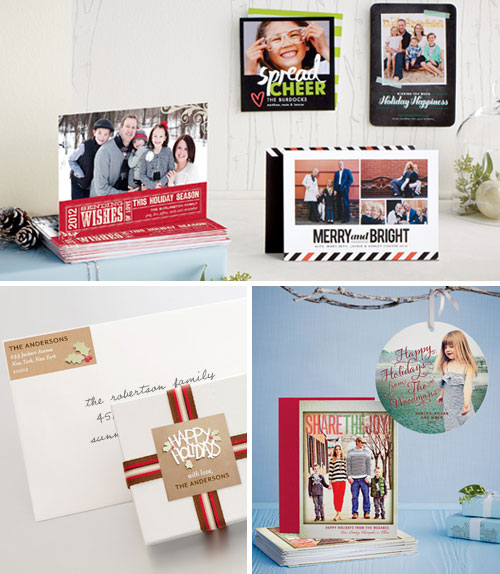
Fab Freebie: It’s The Tiny Things sounds like the kind of cheerful headline that winks at you from a lifestyle blog and says, “Come here, I have something cute, useful, and possibly free.” And honestly, who are we to argue with that kind of emotional leadership?
The phrase originally fits the cozy world of home blogs, holiday cards, tiny details, and thoughtful giveawaysthe sort of internet moment where a small prize can feel like a tiny parade marching across your desk. But the idea is much bigger than one freebie. It taps into something timeless: people love small things that feel personal. A free sample, a handwritten card, a pretty printable, a clever home detail, a neighbor’s giveaway, or a tiny note tucked into a package can create a surprising amount of joy.
In a world where everything seems to be supersizedphones, coffee cups, grocery bills, and the emotional weight of checking emailthe tiny things still have power. Sometimes the smallest gesture is the one that sticks. A beautiful holiday card can outshine a rushed text. A free sample can introduce you to a product you actually love. A mini home update can make a tired room feel fresh without requiring a loan officer and a dramatic soundtrack.
This article explores why “Fab Freebie: It’s The Tiny Things” remains such a charming idea, how freebies work in modern lifestyle culture, why personalized details matter, and how small gestures can create big emotional impact. Consider this your friendly guide to the mighty little thingsthe decorative thumbtacks of happiness, if you will.
What Does “Fab Freebie: It’s The Tiny Things” Really Mean?
At its simplest, the phrase combines three irresistible ideas: something fabulous, something free, and something tiny enough to feel adorable rather than overwhelming. That is a very powerful trio. It is basically the lifestyle-blog version of a golden retriever puppy wearing a bow tie.
“Fab freebie” suggests a giveaway or no-cost treat with style. It is not just “here is a random thing we found in a drawer.” It implies a curated little perksomething pretty, helpful, seasonal, or delightful. “It’s the tiny things” adds the emotional hook. The prize may be small, but the meaning is not.
In the context of holiday cards and personalized stationery, the “tiny things” can include paper texture, envelope color, fonts, photo layout, return-address printing, or the short handwritten message that says, “I actually thought about you for longer than four seconds.” These details turn ordinary mail into a keepsake.
The Tiny Detail Effect
Small details work because they feel intentional. A plain envelope says, “This was mailed.” A carefully chosen card says, “This was meant for you.” That difference matters. Whether we are decorating a room, planning a party, wrapping a gift, or sending a note, the details tell people where we placed our attention.
Think about a coffee shop that serves your drink with a little foam heart. The coffee may taste the same, but the tiny heart says, “We tried.” Suddenly your latte has a personality. It might even need its own Instagram account.
Why Freebies Feel So Good
Freebies are not just about saving money, although saving money is certainly a lovely hobby. Freebies also create curiosity, delight, and low-risk discovery. A free sample lets someone try before they buy. A free printable helps someone decorate or organize without spending extra. A giveaway adds a spark of possibility to an ordinary day.
There is also a simple psychological reason freebies work: people enjoy receiving unexpected value. When something arrives without a price tag attached, it can feel like a small win. It is not always about the object itself. It is about the little burst of “Oh! For me?” energy.
That said, smart consumers know that not every “free” offer is truly free. Free trials can sometimes lead to subscriptions, automatic renewals, or surprise charges if the terms are unclear. So the golden rule is simple: celebrate freebies, but read the fine print. Glamour is great; accidental monthly billing is less charming.
Good Freebies vs. Sneaky Freebies
A good freebie is transparent. It tells you what you are getting, whether shipping costs apply, whether you must enter a promotion, and whether your information will be used for marketing. A sneaky freebie hides the catch in microscopic legal language, the kind that requires a magnifying glass and possibly a law degree.
The best freebies feel generous, not manipulative. They build trust. They make people smile. They do not make people yell, “Why am I being charged $39.99 for premium raccoon-themed stationery?” three weeks later.
The Return of Personal Touches
One reason the “tiny things” idea keeps working is that personal touches are having a quiet comeback. Digital messages are fast, but physical notes and cards feel deliberate. A text can vanish under grocery reminders, security codes, and one group chat that refuses to die. A card sits on a mantel. A thank-you note can live in a drawer for years.
Greeting cards remain popular because they do something digital communication often struggles to do: they slow the moment down. Choosing a card, writing a message, addressing an envelope, and mailing it all require effort. That effort becomes part of the gift.
Personalized stationery and photo cards take that effect even further. A family photo, a custom greeting, or a design that matches someone’s style can transform a simple card into a mini time capsule. It says, “Here is who we are right now. Also, yes, the dog refused to look at the camera again.”
Holiday Cards and the Art of Remembering
Holiday cards are especially powerful because they arrive during a season packed with noise: sales, travel, cooking, decorating, wrapping, and the annual household debate over whether one more string of lights is festive or “a neighborhood electrical concern.”
A holiday card cuts through that noise with something simple: connection. It does not need to be perfect. In fact, slightly imperfect cards often feel more human. A funny family update, a toddler’s chaotic signature, or a photo where everyone looks great except one person blinking heroically can make the card more memorable.
How Tiny Prints, Photo Cards, and Custom Stationery Fit the Theme
The “Fab Freebie” idea has strong roots in the world of custom cards and stationery. Tiny Prints, now associated with Shutterfly’s broader card and photo gift platform, became known for personalized invitations, holiday cards, birth announcements, and stationery designs. The appeal was simple: make paper feel personal, polished, and easy to customize.
Custom card services changed how many people approach greetings. Instead of choosing from a rack at the store, users can upload photos, adjust colors, select paper options, and create cards that feel uniquely theirs. The tiny detailstypeface, trim, paper finish, envelope addressinghelp the final product feel intentional.
That is exactly where “It’s The Tiny Things” earns its title. A card is small. A typeface is smaller. A line of personalized text is smaller still. Yet together, they can make someone feel remembered.
Small Design Choices That Make Cards Better
When creating a personalized card, start with the photo or message. If the photo is lively and colorful, choose a simpler layout so the design does not compete with it. If the message is the star, pick clean typography and enough white space to make the words feel important.
Paper matters, too. Heavy cardstock feels more substantial in the hand. Matte finishes can look elegant and soft, while glossy finishes can make images pop. Rounded corners, foil accents, and shaped cards are fun, but remember that unusual shapes may require extra postage. Tiny detail, real-world consequence. The post office has entered the chat.
Freebies in Home Decor: Small Updates, Big Personality
The “tiny things” concept also works beautifully in home decorating. You do not always need a full renovation to refresh a room. Sometimes the biggest visual difference comes from small, affordable changes: new drawer pulls, a fresh lampshade, a framed print, a plant cutting, a thrifted bowl, or a free printable placed in a frame you already own.
Design experts often point out that rooms feel finished when they include layers: lighting, texture, personal objects, art, books, and meaningful details. A room with only furniture can feel like a waiting room with better pillows. Add small personal touches, and suddenly it feels like a home.
Free or low-cost decor can be surprisingly effective. Rearranging furniture costs nothing. Decluttering a shelf costs nothing. Swapping art between rooms costs nothing. Bringing in branches, flowers, or greenery from the yard costs nothing, assuming your yard is willing to participate.
Examples of Tiny Home Freebies
Some of the best home freebies are hiding in plain sight. A glass jar becomes a vase. Fabric scraps become ribbon. A leftover wallpaper sample becomes drawer liner. A neighbor’s extra plant cutting becomes your new windowsill friend. Free paint samples can help you test color before committing to a whole wall. Even a clean, empty corner can feel like a design upgrade if it removes visual clutter.
The trick is to treat small items with intention. A free object looks stylish when it has a purpose, a place, and a little breathing room. Pile up too many free objects and you no longer have decor; you have a charming storage problem wearing a hat.
The Gift Economy: When Freebies Build Community
Not all freebies come from brands. Some of the most meaningful ones come from neighbors. Community gifting groups, local swap pages, Buy Nothing communities, and Freecycle-style networks show that free items can do more than save money. They can reduce waste and build relationships.
A neighbor giving away baby clothes, moving boxes, garden tools, books, or extra craft supplies is not just clearing space. They are extending usefulness. Something that might have been thrown away gets a second life. Someone who needed it gets help. Two people who might never have met now share a small connection.
That is the deeper magic of the tiny freebie. It can turn “stuff” into community. It can transform an ordinary object into a story: “This lamp came from the neighbor down the street,” “These tomato seedlings were free,” or “This bookshelf survived three apartments and one questionable pickup-truck ride.”
How to Give Better Freebies
If you are giving something away, be clear about its condition. Take a good photo. Mention measurements. Be honest about quirks. “Works perfectly except the left drawer sticks” is helpful. “Vintage character” is suspicious unless the item is actually vintage and not simply broken with confidence.
If you are receiving a freebie, respond promptly, show up when you say you will, and say thank you. Gratitude is the social glue that keeps gifting communities from turning into chaos with porch pickups.
Why Small Acts of Kindness Matter
The emotional side of “It’s The Tiny Things” is not just sentimental fluff. Small acts of kindness can improve mood, strengthen relationships, and create a sense of connection. You do not need a grand gesture to make someone’s day better. Sometimes a short note, a shared resource, or a thoughtful freebie does the job.
Writing a thank-you card, dropping off soup, sharing extra garden herbs, giving a friend a book you finished, or sending a “thinking of you” message can carry real emotional weight. These gestures are small enough to be doable but meaningful enough to be remembered.
That is important because modern life often tricks us into thinking only big things count. Big gifts. Big announcements. Big transformations. But relationships are usually built in tiny deposits over time. A little care here. A little attention there. A little “I saw this and thought of you” tucked into the ordinary Tuesday of life.
How Brands Can Use Fab Freebies Without Feeling Gimmicky
For businesses, freebies can be powerful when they are aligned with the customer’s actual needs. A stationery brand might offer free address printing. A bakery might include a mini cookie sample. A home decor shop might offer a downloadable styling checklist. A beauty brand might include a travel-size sample with purchase.
The key is relevance. A freebie should feel like a helpful extension of the product, not like random clutter. Nobody wants a branded rubber duck from a tax software company unless the duck is prepared to explain deductions.
Great freebies also reduce friction. They help customers try, decide, personalize, or enjoy the product more fully. A sample answers the question, “Will I like this?” A template answers, “How do I start?” A small bonus answers, “Was this brand thoughtful?”
Freebie Ideas That Actually Work
- Printable gift tags for holiday shoppers
- Free card message templates for people who never know what to write
- Mini product samples with clear ingredients and instructions
- Digital planning sheets for home, events, or gifting
- Small loyalty gifts that match the customer’s purchase
- Free address labels or envelope printing with card orders
- Downloadable art prints for seasonal decorating
These ideas work because they are practical, small, and easy to enjoy. They support the main experience instead of distracting from it.
How to Make the Most of Tiny Freebies
To enjoy freebies without becoming buried under them, use a simple filter: Will I use it, gift it, display it, learn from it, or share it? If the answer is no, skip it. Free clutter is still clutter. It just arrives wearing a halo.
For physical freebies, create a small “use soon” basket. Samples, coupons, gift tags, mini notebooks, and small craft supplies should not disappear into the mysterious drawer where batteries, keys, and expired soy sauce packets go to retire. Keep them visible so they become useful.
For digital freebies, organize downloads immediately. Create folders for printables, templates, recipes, and design files. Rename files clearly. “Holiday-gift-tags-2026.pdf” is much better than “download_final_FINAL_v7_reallyfinal.pdf,” a filename that has clearly seen things.
A Simple Tiny Things Checklist
- Choose freebies that match your real life, not your fantasy life.
- Read terms before signing up for free trials.
- Use samples before they expire or get forgotten.
- Personalize cards with one specific sentence.
- Give away items while they are still useful.
- Keep only the tiny things that add beauty, function, or joy.
Personal Experiences: Why the Tiny Things Stay With Us
The best way to understand “Fab Freebie: It’s The Tiny Things” is to think about the small gestures that quietly refuse to leave your memory. Not the expensive ones. Not the dramatic ones. The tiny ones. The free ones. The oddly specific ones that made a normal day feel a little more polished around the edges.
One of the most memorable freebies I ever received was not a luxury item. It was a tiny paper sample tucked into a package, printed with a cheerful pattern and a short thank-you message. Objectively, it was just a piece of paper. Emotionally, it felt like the brand had leaned over and whispered, “We packed this with care, not a forklift and a shrug.” I kept it on my desk for weeks, partly because it was pretty and partly because I am apparently vulnerable to stationery with good manners.
Another tiny thing that made a big difference was a handwritten holiday card from someone who did not write a long message. It simply said, “This year was a lot, and I’m glad you were in it.” That was it. One sentence. No glitter explosion, no dramatic poem, no family newsletter involving three paragraphs about a child’s soccer schedule. Just one specific line that felt honest. I remember that sentence more clearly than many expensive gifts because it had emotional precision.
Freebies can also create practical joy. A neighbor once gave away a small stack of unused picture frames. They were not fancy, but they solved a problem I had been ignoring. I printed a few family photos, framed a small art card, and suddenly a blank hallway looked intentional. The total cost was nearly nothing. The improvement felt huge. It was a reminder that home updates do not always require new purchases; sometimes they require noticing what is already available and giving it a better job.
There is also a special satisfaction in giving tiny freebies. Sharing extra herbs from a garden, passing along a book, offering moving boxes, or giving someone leftover craft supplies can feel surprisingly good. The object may be small, but the act says, “This still has value, and I thought you might enjoy it.” That simple transfer turns clutter into usefulness and usefulness into connection.
Holiday cards offer another example. The most beautiful cards are not always the fanciest. Sometimes the best one is the card with a slightly blurry photo, a funny caption, and a message that sounds like a real person wrote it while drinking coffee and trying to keep the dog from eating the envelopes. Those cards feel alive. They remind us that personality beats perfection almost every time.
The tiny things matter because they lower the barrier to kindness. Not everyone can send an expensive gift, redesign a room, or host a perfect party. But most people can write a note, share a free resource, print a gift tag, give away something useful, or add one thoughtful detail. These gestures are accessible. They are repeatable. They fit into real life, which is excellent because real life rarely comes with a professional stylist and a snack table.
In the end, the charm of “Fab Freebie: It’s The Tiny Things” is that it celebrates generosity on a human scale. It reminds us that delight does not have to be large to be lasting. A small card, a little sample, a free printable, a borrowed tool, a kind message, or a tiny home detail can change the mood of a day. And sometimes, that is more than enough.
Conclusion: Small, Free, and Surprisingly Powerful
Fab Freebie: It’s The Tiny Things is more than a cute title. It is a reminder that value is not always measured by size or price. The smallest gestures often carry the most personality: a handwritten note, a thoughtfully chosen card, a useful sample, a neighborly giveaway, or a tiny design detail that makes a room feel finished.
Freebies are at their best when they are honest, useful, and connected to real life. Tiny things are at their best when they show attention. Put those together, and you get something quietly powerful: affordable joy with emotional staying power.
So yes, big gifts are wonderful. Big makeovers are exciting. Big sales are hard to ignore. But the tiny things? They are the ones that sneak into daily life and make it better. They are the little paper hearts on the latte of existence. And frankly, we could all use more of those.
Note: This article is written from synthesized information across reputable U.S. lifestyle, consumer protection, postal, greeting card, psychology, sustainability, and home design sources. It is intended for web publication as original editorial content.