Editorial note: This article is based on real archaeological reporting, public heritage information, and historical context about church burials, restoration work, and the Igreja Matriz de Portimão in Portugal.
Old churches are excellent at keeping secrets. They hold prayers, weddings, whispered confessions, candle smoke, cracked tiles, and the occasional tourist who insists on photographing every doorway like it personally changed their life. But every so often, history stops whispering and starts dropping hints with the subtlety of a collapsing wall.
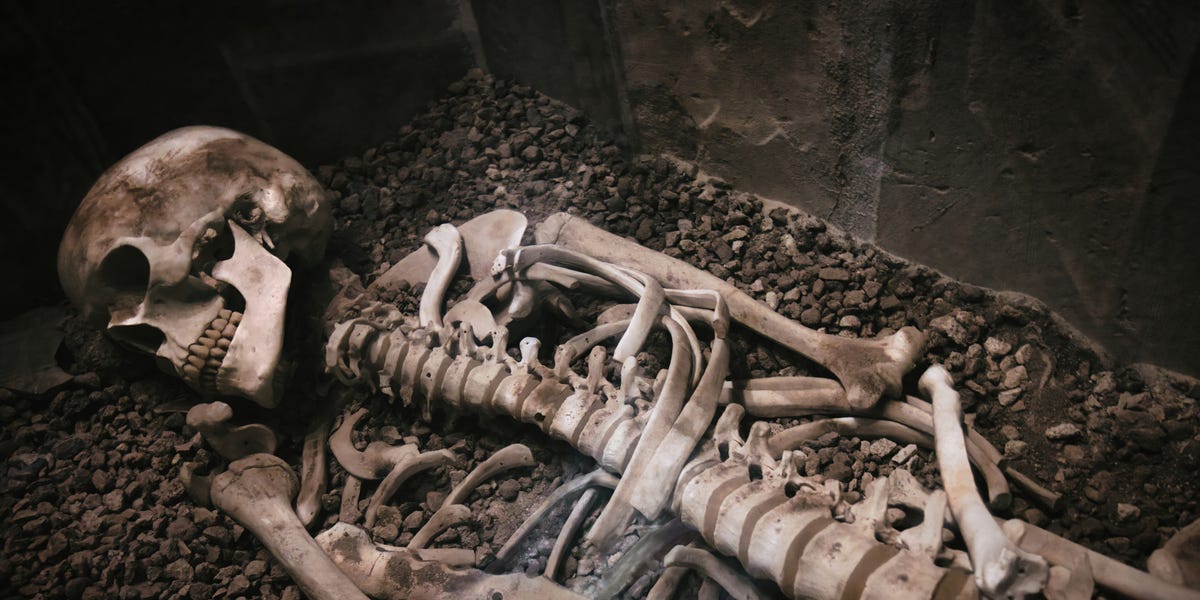
That is exactly what happened at the Igreja Matriz de Portimão, also known as the Main Church of Portimão, in Portugal’s Algarve region. After part of a boundary wall collapsed during bad weather and repair work, crews discovered something far more compelling than loose stone and old mortar: human remains associated with at least 12 burials. Archaeologists were called in, and a routine restoration project quickly turned into a careful excavation of a site that had quietly preserved centuries of local memory.
The story sounds like the opening scene of a gothic mystery novel, but the reality is less haunted mansion and more historical time capsule. The hidden skeletons were not evidence of a sinister plot tucked behind church walls. Instead, they appear to belong to a much older burial landscape connected to the churchyard. In other words, the old church did not suddenly become spooky. It simply reminded everyone that, for much of European history, churches and cemeteries were next-door neighborssometimes extremely close neighbors.
A Church Wall Falls, and History Walks Into the Room
The Igreja Matriz de Portimão stands in one of the highest areas of the city, inside what was once the older urban core. The church dates to the 15th century, though centuries of repairs, rebuilding, earthquakes, and architectural updates have changed much of its original form. Like many historic buildings, it is not one single moment frozen in stone. It is more like a layered cake, except the frosting is Gothic architecture, Baroque decoration, Manueline details, and centuries of human use.
When part of the southern boundary wall near the churchyard collapsed, the initial concern was structural. A wall had fallen; repairs were needed; engineers and workers had practical problems to solve. But then bones appeared in the exposed ground. At that point, the job stopped being ordinary construction and became archaeology with a hard hat.
Archaeologists from ERA Arqueologia began examining the area, and early investigations identified 12 graves. The burials are believed to date broadly from the 16th to the 19th centuries, a period that fits with the long history of churchyard burial in the region. Experts also suggested that multiple burial phases may overlap at the site, meaning the same sacred space was used again and again across generations.
That detail matters. A cemetery is not just a storage place for the dead; it is a map of how a community understood faith, family, status, memory, and public space. When archaeologists find overlapping burials, they are not simply counting remains. They are reading a complicated record of who belonged, who was remembered, and how a town changed over time.
Why Were Skeletons Near an Old Church in the First Place?
To modern readers, the idea of finding skeletons beside a church may feel shocking. Today, many people expect cemeteries to be separate, landscaped spaces with paths, gates, flower arrangements, and rules about where not to park. Historically, however, Christian churches across Europe often functioned as the center of both worship and burial.
For centuries, being buried in or near a church carried religious and social meaning. Proximity to sacred ground mattered. Wealthier or more influential people might be buried inside church buildings or close to important chapels, while others were placed in the surrounding churchyard. The logic was spiritual, communal, and practical all at once: the church was where people gathered, prayed, marked life events, and remembered the dead.
In Portimão, the discovery fits that larger pattern. The remains were found in the churchyard area, a location that would have made sense for burials before modern cemetery reforms. By the 19th century, public health concerns pushed many European communities to move burial grounds away from dense urban centers. In Portimão, a new cemetery opened in 1863, which helps explain why older burials near the church likely date before or around that transition.
So, were the skeletons “hidden”? In the dramatic sense, yesthey were unseen for generations. But in the historical sense, they were probably not hidden as part of a secret. They were hidden because cities build upward, churches repair walls, memories fade, and soil quietly keeps receipts.
The Igreja Matriz de Portimão: A Building With More Than One Life
The Main Church of Portimão is not just a backdrop for a strange discovery. It is a major piece of the story. Built in the 15th century, the church originally reflected late Gothic influence. Its famous portal, often compared with the Gothic language of Portugal’s Monastery of Batalha, remains one of the most important surviving features of the early structure.
But like many Portuguese churches, the building was deeply affected by the catastrophic 1755 earthquake, which damaged buildings across Lisbon, the Algarve, and beyond. Afterward, many churches were repaired, rebuilt, expanded, or stylistically transformed. The Igreja Matriz de Portimão was no exception. Over the 18th and 19th centuries, its appearance changed, leaving only selected elements from its earliest phase.
This is why old buildings can be both beautiful and confusing. A doorway may be 15th century, an altar may reflect later Baroque taste, a wall may contain reused material, and the ground beneath may hold traces of burial, construction, disaster, and repair. Historic churches are rarely simple. They are architectural notebooks written by many hands.
The collapsed wall did not create history; it revealed one of its margins. It exposed a part of the site where the story of worship overlapped with the story of burial, where stonework and memory had settled together for hundreds of years.
What Archaeologists Can Learn From the Hidden Skeletons
Archaeologists do not look at human remains the way movie characters do. There is no dramatic dusting off of a skull while someone announces, “This changes everything!” with thunder in the background. Real archaeology is slower, quieter, and far more careful.
From historical burials, specialists may be able to estimate age at death, biological sex, signs of illness, nutritional stress, injury, or physical labor. They may also study burial position, coffin traces, associated objects, soil layers, and the relationship between graves and nearby structures. These clues can help reconstruct how people lived, not just how they were buried.
In Portimão, one especially interesting point is chronology. Archaeologist Rita Dias has described overlapping phases at the site, suggesting burials from different periods may exist in the same area. Some layers could predate the 1755 earthquake, while others may belong to the period after the church was repaired. If confirmed through continued study, that layering would give researchers a rare local record of how the community used the churchyard before and after one of Portugal’s most destructive historical disasters.
There is also the possibility of learning about everyday people. Grand monuments often preserve the names of elites. Ordinary parishioners, however, can disappear from written history. Their remains, when treated respectfully and studied responsibly, can provide evidence of local diet, health, hardship, migration, and community life. In that sense, the skeletons are not props in a spooky headline. They are former residents of a real town, and they deserve more dignity than a cheap jump scare.
Not a Horror StoryA Heritage Story
The phrase “hidden skeletons” naturally pulls readers toward mystery. It has drama. It has atmosphere. It makes you want to keep reading, preferably with a cup of coffee and the lights on. But the responsible interpretation is more grounded: the remains likely belong to a historical burial ground connected to the church.
This distinction matters because archaeology often gets flattened into entertainment. A collapsed wall and old bones can become “creepy,” “cursed,” or “terrifying” in viral headlines. Yet the real story is richer. It is about urban growth, religious custom, changing burial laws, public health reforms, architecture, restoration, and the way historic spaces contain more than what visitors see on the surface.
In fact, discoveries like this are not unique. Across Europe, restoration projects at old churches regularly uncover burials, crypts, vaults, foundations, and earlier structures. In Dijon, France, work at the Church of Saint-Philibert revealed a forgotten burial vault and older graves. At the Tower of London’s Chapel Royal of St Peter ad Vincula, archaeological excavations uncovered burials connected to different phases of the site’s medieval and later history. In Wales, renovations of a medieval church revealed numerous burials beneath the floor.
The pattern is clear: when people repair old sacred buildings, the past often raises its hand. Sometimes politely. Sometimes by knocking down a wall.
Why Churchyards Became Crowdedand Why Burials Moved Away
One of the most important historical questions is why so many people were buried so close to churches in the first place. The answer begins with religious belief but expands into urban planning.
In many Christian communities, burial near the church was a sign of belonging. The churchyard was familiar, central, and sacred. Families could visit graves near the place where they attended Mass, celebrated feast days, baptized children, and gathered for civic life. The dead remained symbolically close to the living.
Over time, however, churchyards in growing towns became crowded. Urban populations increased. Older graves were disturbed during new burials. Sanitation concerns grew, especially during the 18th and 19th centuries, when governments and medical reformers began pushing for burial grounds outside dense residential areas. The move was not simply bureaucratic fussiness. It reflected changing ideas about disease, hygiene, city space, and public responsibility.
Portimão’s 1863 cemetery fits this broader European shift. Once new cemeteries were established on the outskirts of towns, older churchyard burial practices declined. That transition helps explain why the newly discovered graves near the Igreja Matriz are so historically valuable. They sit at the intersection of an older religious world and a modernizing public-health world.
The 1755 Earthquake and the Layers Beneath Portimão
No discussion of old Portuguese architecture can avoid the earthquake of 1755. The disaster struck on November 1, All Saints’ Day, and caused widespread destruction through shaking, fire, and tsunami impacts. Lisbon suffered catastrophic damage, but the Algarve was also heavily affected.
For churches, the timing was especially tragic. Many people were attending services when the earthquake struck. Buildings collapsed, interiors were damaged, and religious architecture across the region had to be repaired or rebuilt. The Igreja Matriz de Portimão was significantly altered after the disaster, and later renovations reshaped its appearance even further.
Archaeologically, this matters because disaster leaves layers. Rubble, broken tiles, repair materials, rebuilt walls, and changed floor levels can all become part of the buried record. In Portimão, archaeologists have noted material that may relate to the earthquake period, including debris and tile fragments associated with damage to the church. That means the site may preserve not only burial history but also evidence of how the community recovered from a major catastrophe.
To put it another way: the collapsed wall revealed more than skeletons. It opened a small window into how Portimão endured death, disaster, repair, and memory across centuries.
What Makes This Discovery So Fascinating?
The Portimão discovery is fascinating because it combines several irresistible ingredients: an old church, a sudden collapse, hidden burials, uncertain chronology, and the possibility of more remains nearby. But beyond the headline, its value comes from context.
First, the site is historically sensitive. The church stands in the old urban center, where layers of occupation may extend far beyond the visible building. Second, the burials appear to represent repeated use over time, which can help researchers understand long-term community practices. Third, the discovery happened during restoration, proving once again that preservation work and archaeology must go hand in hand.
There is also a public lesson here. Many people think of archaeology as something that happens in deserts, pyramids, ruins, or remote fields where someone in a wide-brimmed hat points dramatically at pottery. In reality, archaeology often appears during road repairs, housing developments, church restorations, and drainage upgrades. The past is not always far away. Sometimes it is under the pavement, beside the wall, or directly beneath the place where someone just parked a scooter.
How Restoration Projects Should Handle Human Remains
When human remains are found during construction, the right response is not panic, rumor, or souvenir hunting. It is documentation, protection, and professional assessment. Workers must stop disturbing the area, authorities must be notified, and qualified archaeologists or forensic specialists must determine the context.
In historic churchyards, the most likely explanation is often old burial activity. Still, every case must be handled carefully. Archaeologists record the position of remains, surrounding soil layers, nearby artifacts, and architectural relationships. They work slowly because the location of each object matters. A bone removed without context loses much of its historical value.
Ethics are equally important. Human remains are not decorative curiosities. They belonged to people with families, communities, beliefs, and identities, even if their names are no longer known. Modern archaeological practice emphasizes respect, legal compliance, and sensitivity toward descendant communities, religious authorities, and the public.
The Portimão discovery shows why that approach matters. A collapsed wall could have been treated as a construction nuisance. Instead, the site became an opportunity to learn while preserving dignity. That is the difference between digging up the past and listening to it.
Experiences Related to Old Churches, Hidden Burials, and the Strange Patience of History
Anyone who has ever stepped into an old church knows the feeling: the air changes. Even if you are not religious, there is a pause that happens naturally. Your voice gets quieter. Your footsteps become more careful. You notice the coolness of stone, the height of the ceiling, the worn edges of steps, and the way light falls through older windows as if it has been practicing for centuries.
Visiting historic churches often feels like walking through a place where time has stacked itself neatly, then forgotten to label the boxes. A column may have been repaired after an earthquake. A chapel may have been funded by a wealthy family. A stone slab may once have marked a grave. A carved doorway may be the only survivor from the original medieval building. You do not need to be an archaeologist to sense that the building has lived more than one life.
The story of the collapsed wall in Portimão reminds travelers, history lovers, and casual museum wanderers to look at old places with patience. The most interesting part of a historic site is not always the most polished part. Sometimes it is the cracked edge, the uneven floor, the blocked doorway, or the wall that looks newer than everything around it. These features are not imperfections. They are clues.
For people who enjoy heritage travel, discoveries like this also create a deeper kind of respect. It is tempting to treat old churches as photo stops: walk in, admire the ceiling, take a picture, whisper “wow,” and leave. But when you understand that the ground around such buildings may contain generations of local burials, the space changes. It becomes less like a monument and more like a community archive. The people buried there may not have statues or written biographies, but they shaped the town all the same.
There is also a lesson for homeowners, builders, and restoration teams working with historic properties. Old buildings should never be approached as empty shells. They are active records. Pull up a floor, and you may find an earlier one. Repair a wall, and you may uncover reused stone. Dig a trench, and you may meet the forgotten edge of a cemetery. History is not dramatic because it tries to scare us. It is dramatic because it patiently waits until someone moves the wrong brick.
On a more personal level, stories like this make the past feel closer. A skeleton in a churchyard is not just an archaeological “find.” It represents a person who once woke up in the morning, worked, worried, laughed, prayed, got annoyed by neighbors, and probably complained about the weather with impressive confidence. Centuries later, bad weather helped reveal their resting place. That is not horror. That is continuity, with a slightly theatrical entrance.
The best experience we can take from the Portimão discovery is humility. Modern life makes us feel permanent because our buildings are tall, our phones are shiny, and our calendars are aggressively full. But old churches remind us that cities are long conversations. We inherit spaces from people who came before us, we alter them, and then we pass them on. Sometimes, when a wall collapses, the conversation simply gets louder.
Conclusion: When Stone, Soil, and Memory Speak Together
The collapsed wall at the Igreja Matriz de Portimão revealed at least 12 historical burials, but the discovery is bigger than a number. It shows how sacred spaces served communities across centuries, how burial practices changed with public health reforms, and how restoration can uncover stories that written records may overlook.
Yes, the headline has all the ingredients of a dark historical thriller. Old church? Check. Collapsed wall? Check. Hidden skeletons? Very much check. But the deeper story is not about fear. It is about memory. These remains connect modern Portimão with the people who lived, worshipped, died, and were buried there long before the city became a familiar Algarve destination.
Archaeology gives those people a careful return to the public record. It does not bring back their names in every case, but it can recover their context. It can show how they were buried, where they belonged, and how their community changed around them. That is why discoveries like this matter. They remind us that history is not buried because it is gone. Sometimes it is buried because it is waiting for the right wall to fall.