If home renovation had a slogan, it would probably be: “Well, while we’re at it…” One new countertop becomes new cabinets, which become new lighting, which somehow become a philosophical debate about whether your house “feels elevated.” Before long, your wallet is hiding under the sofa and pretending not to know you.
That is exactly why this topic matters. Some home upgrades look stunning on Pinterest, sound impressive at dinner parties, and feel wildly tempting when you’re standing in a showroom under flattering lighting. But in real life? They can be expensive, high-maintenance, overly personal, or weak when it comes to resale value. Designers, real estate pros, and remodeling data keep coming back to the same message: not every upgrade is a smart upgrade.
The key is not to avoid spending money on your home. The key is to spend it where it actually improves daily life, fits your house, and makes sense for your neighborhood. In other words, choose upgrades that age gracefully instead of ones that peak emotionally in the tile aisle.
Below are five home upgrades designers say you should think twice about skipping intobecause for many homeowners, they simply are not worth the cost.
Why Expensive Does Not Always Mean Smart
One of the biggest renovation myths is that a bigger budget automatically means bigger value. Not necessarily. In many cases, a modest refresh delivers better practical results than a luxury overhaul. That is especially true when homeowners spend heavily on cosmetic features while ignoring layout, maintenance, durability, or the realities of future resale.
Designers also warn that many regrets come from chasing trends too aggressively. A feature may feel fresh today, but if it clashes with the architecture of the home, creates cleaning headaches, or makes the space less functional, it can age about as well as a phone charger from three upgrades ago.
The smartest home improvements usually do at least one of three things: they improve function, solve a real problem, or appeal to a broad range of future buyers. The five upgrades below often miss that mark.
1. Upscale Kitchen and Bathroom Overhauls
Let’s start with the most seductive budget trap in the house: the luxury kitchen or spa-style bath. To be clear, kitchens and bathrooms matter a lot. They are some of the most important spaces in any home. But that does not mean a top-shelf remodel automatically makes financial sense.
Designers and housing data both suggest the same thing: once you move from “smart update” to “no-expense-spared fantasy sequence,” the value equation gets shaky. Custom cabinetry, professional-grade appliances, imported stone, oversized islands, dramatic plumbing fixtures, and premium tile can send the budget into orbit. The problem is that many buyers will not pay you back for every gorgeous dollar.
In plain English, a refreshed kitchen usually performs better than a kitchen trying to audition for a luxury hotel. A bathroom with durable finishes, good lighting, a clean layout, and quality fixtures tends to be more useful than one packed with every expensive add-on in the catalog.
Why designers say to skip the splurge
Luxury upgrades are deeply personal. Your dream matte-black faucet, waterfall island, and statement slab may be someone else’s “Wow, this seems expensive to maintain.” High-end kitchens and baths also age faster than people expect because trends in these spaces move quickly. Today’s “must-have” finish can become tomorrow’s “why is everything gold and aggressively veined?”
What to do instead
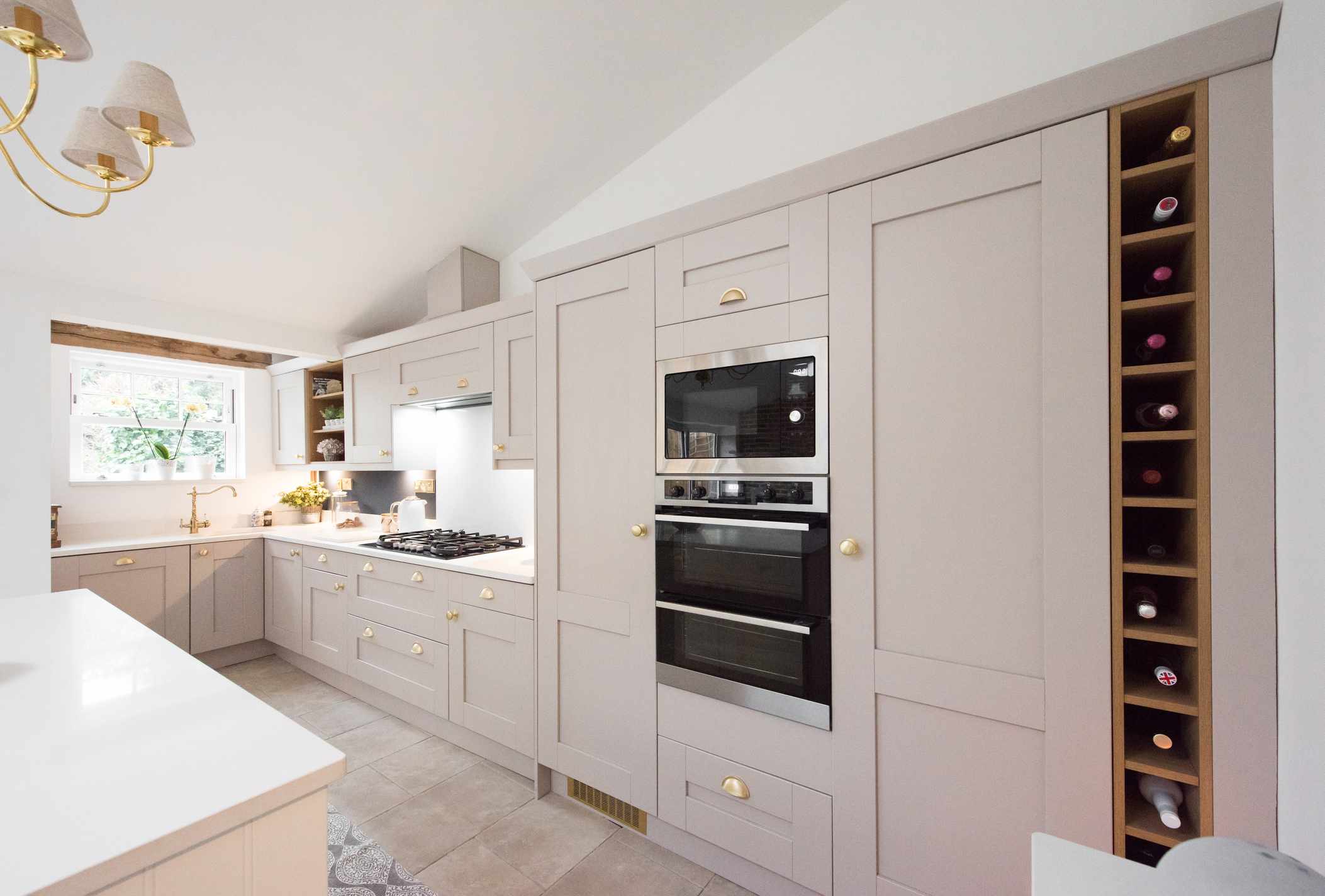
Focus on a midrange refresh. Repaint cabinets or reface them. Replace worn counters with durable surfaces. Upgrade lighting. Improve storage. Swap tired fixtures for clean, classic options. In bathrooms, prioritize ventilation, good tile, practical vanities, and showers or tubs that suit the household. Smart, restrained upgrades are usually the better bet.
2. Whirlpool Tubs and Built-In Home Theaters
These two upgrades live in the same category: expensive “luxury” features that sound fabulous until daily life gets a vote.
Whirlpool tubs have long been sold as the crown jewel of the primary bath. In theory, they promise a spa experience. In reality, many homeowners barely use them. They take up a lot of space, cost a lot to install, complicate cleaning, and often become the world’s fanciest dust collector. It turns out that people love the idea of soaking in a giant tub more than the actual Tuesday-night logistics of doing it.
Built-in home theaters have a similar problem. A dedicated theater room with integrated acoustics, specialized walls, custom seating, wiring, sound dampening, and permanent millwork can be incredibly expensive. It is also highly specific. If the next buyer would rather have a guest suite, office, or flexible family room, that costly upgrade suddenly looks less like a perk and more like a project to undo.
Why designers say to skip the splurge
These upgrades take up premium square footage while serving narrow use cases. They can also make a home feel over-customized. Buyers generally prefer flexibility. A room that can adapt is more valuable than a room with a single dramatic purpose and a dramatic invoice.
What to do instead
In the bathroom, choose a beautiful walk-in shower with high-quality fixtures and excellent lighting. In the media category, upgrade an existing room with a quality projector, great sound, blackout window treatments, and comfortable furniture. You will get most of the experience without rebuilding half the house for movie night.
3. Trend-Chasing Finishes Like Barn Doors, Faux Shiplap, and Fragile Marble Everywhere
Ah yes, the home improvement equivalent of a viral dance trend. Barn doors. Shiplap. All-white-everything. Marble on every possible surface. These upgrades can photograph beautifully, but designers increasingly warn that trend-heavy details are often the first things homeowners regret.
Barn doors are a classic example. They look cool in a styled photo, but they do not seal well, block sound poorly, and are not always practical for bedrooms or bathrooms. Faux shiplap can quickly feel forced when it has no relationship to the home’s architecture. It also adds texture in all the places dust likes to throw a party.
Then there is marble. Marble is undeniably beautiful. It is also porous, easy to etch, prone to staining, and often too delicate for households that use their kitchens like, well, kitchens. The same goes for high-end marble flooring, which can look luxurious but may create maintenance stress and weak resale value in many markets.
Even all-white kitchens, once treated like the universal answer to domestic happiness, are no longer the guaranteed winner they were marketed to be. Trend cycles move fast. A design choice made purely because it is “what everyone is doing” can age quicklyand expensively.
Why designers say to skip the splurge
Trends are best worn lightly. Heavy permanent installations tied to one design moment can make a house feel dated faster than you expect. Designers consistently recommend timeless foundations with room for personality through decor, paint, textiles, hardware, and lighting.
What to do instead
Choose classic doors over barn doors in rooms where privacy matters. Use authentic materials in moderation. If you love marble, use it where wear is lighter or choose a more durable look-alike surface. Keep trend play in easier-to-swap elements rather than expensive structural changes.
4. Sacrificing a Bedroom or Garage for a Walk-In Closet or Oversized Primary Suite
This is one of those upgrades that feels luxurious in the moment and risky on paper. Converting a bedroom into a giant closet. Stealing square footage from another room to create a sprawling primary suite. Turning a garage into interior living space. These choices can make a house feel more tailored to your lifestyle, but they often chip away at features that buyers count heavily when comparing homes.
Bedroom count still matters. Garage access still matters. Practical storage and protected parking still matter. Once you remove a bedroom from the official count or eliminate the garage in a neighborhood where it is expected, you may shrink your future buyer pool. That is not always fatal, but it is definitely not free.
The same logic applies to dramatic primary-suite expansions. A luxury closet and oversized bath may feel amazing, but if they come at the cost of a usable secondary bedroom, home office, or functional garage, many buyers will see a downgrade instead of an upgrade.
Why designers say to skip the splurge
Over-customizing the floor plan can reduce flexibility. Future buyers may need bedrooms for kids, guests, work, or multigenerational living. They may not share your passion for a closet large enough to host a committee meeting.
What to do instead
Improve what you already have. Add better closet systems. Use built-in storage strategically. Rework the primary bedroom layout without erasing another useful room. If you need more living space, consider finishing a basement or attic where appropriate rather than giving up a garage or bedroom.
5. Pools, Outdoor Kitchens, and Other Big Backyard Splurges That Your Lifestyle Will Barely Use
Outdoor upgrades can absolutely be wonderful. The problem starts when the dream is larger than the actual use case.
A swimming pool is one of the most polarizing examples in real estate. Some buyers love it. Others see maintenance, insurance, safety concerns, repairs, and a future relationship with a skimmer they did not ask for. In warm climates and certain price points, a pool may make sense. In many other neighborhoods, it is a huge expense with limited return.
Outdoor kitchens can have a similar issue. They sound glamorous, but in many climates they are only usable for part of the year. They also require weather-resistant materials, regular upkeep, and thoughtful design integration. Done poorly, they can look dated quickly. Done well, they can still be far more expensive than the amount of actual grilled corn they will ever produce.
Why designers say to skip the splurge
These projects are costly, climate-dependent, and often less universally appealing than homeowners assume. They can be worth it if you are fully committed to using them for years. But if your main goal is resale or practical value, they are often not the strongest move.
What to do instead
Create a simpler outdoor setup: a well-designed patio, durable seating, strong lighting, shade, landscaping that is attractive without being high-maintenance, and a great grill area. That gives you most of the enjoyment without creating a second kitchen that needs seasonal emotional support.
What Is Actually Worth Spending On?
If this article has you clutching your renovation budget like a life raft, here is the good news: skipping the wrong upgrades leaves more room for the right ones.
In general, the smartest investments are the ones that improve comfort, function, and buyer confidence. Think durable materials, better storage, strong lighting, updated paint, sensible kitchen refreshes, basic bathroom improvements, energy efficiency, and repairs to roofing, windows, doors, and mechanical systems. These upgrades may not inspire dramatic before-and-after videos with emotional violin music, but they tend to make homes work betterand sell better.
Another smart rule: match the project to the neighborhood. Overbuilding is real. A luxury feature that makes sense in a high-end market may look wildly out of place in a modest one. You do not want the only house on the block with a boutique cinema, imported stone floors, and an outdoor kitchen bigger than the indoor one.
Experience Section: What Homeowners Often Learn the Hard Way
Across designer interviews, remodeling reports, and real estate advice, the same homeowner experience shows up again and again. People rarely regret making their homes more functional. They often regret making them more complicated.
It usually starts with a completely reasonable desire: “I want the house to feel nicer.” That part is fair. The trouble begins when “nicer” gets confused with “more expensive,” “more customized,” or “more dramatic.” A homeowner sees a gorgeous image online, falls in love with the mood, and tries to copy the look without asking the less glamorous questions. How hard is this to clean? Will this still make sense in five years? Does it fit the architecture of the house? Will anyone else want this if I move?
Designers say regret tends to appear in very predictable moments. One is the first time the owner realizes a beautiful surface is annoyingly high-maintenance. Marble etches. Dark fixtures spot. Deep tubs gather dust. Barn doors do not magically become soundproof because they are photogenic. Another moment of regret hits when the space becomes less flexible. A sacrificed bedroom, converted garage, or dedicated theater room may feel exciting during construction, but later it can create frustration when family needs change.
There is also the budget spiral. Homeowners often discover that one upgrade pulls three more behind it. A new floor makes old trim look tired. New cabinets make the backsplash feel wrong. Luxury appliances make the lighting look cheap. This chain reaction is real, and it is one reason people end up spending far more than planned for results that are not always meaningfully better.
Another recurring experience is that foundational fixes do not feel excitinguntil they save the day. Roof repairs, moisture control, windows, insulation, layout corrections, and storage improvements are not usually the stars of renovation fantasy boards. But homeowners frequently report greater satisfaction when they solve the daily annoyances first. In the long run, a house that works smoothly beats a house that merely photographs well.
Perhaps the biggest lesson is this: a successful renovation is not the one that gets the most compliments in the first month. It is the one that still makes sense after the novelty wears off. The best homes are not packed with expensive gimmicks. They are comfortable, durable, easy to maintain, and aligned with the people living in them. That may not sound flashy, but neither is writing checks for features you barely use.
So yes, by all means improve your home. Paint the walls. Upgrade the lighting. Refresh the kitchen. Make the bathroom more functional. Create better storage. Just do it with clear eyes. Because the true luxury is not a giant whirlpool tub or a themed media bunker. The true luxury is loving your home without feeling like it tricked you into funding a very expensive mistake.
Conclusion
The smartest home upgrades are not always the splashiest ones. Designers keep warning homeowners away from the same costly traps: oversized luxury remodels, highly customized spaces, trendy finishes that age fast, and backyard features that demand more money than joy. If an upgrade makes your house harder to maintain, less flexible, or less appealing to future buyers, it may not be an upgrade at all.
Spend where it counts. Improve how the home lives. Choose materials that can handle real life. Respect the style of the house. And whenever possible, let timeless function beat expensive drama. Your future selfand your budgetwill both sleep better.