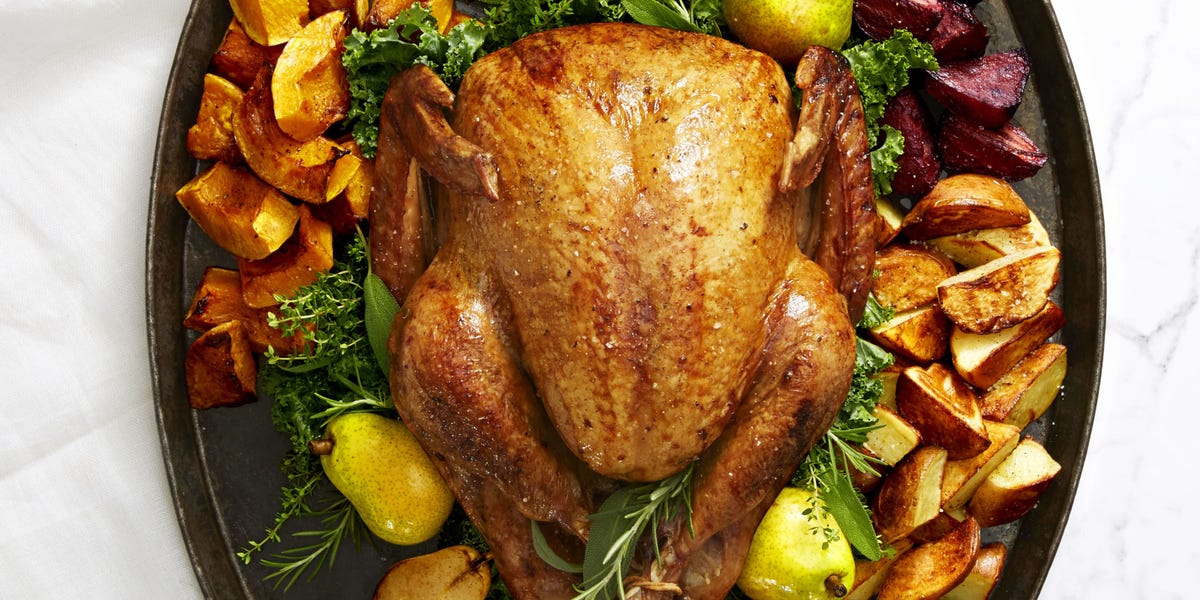
Some Thanksgiving turkeys arrive at the table looking like they just survived a desert hike. Others are so pale they appear to have skipped the oven and gone straight from the spa. A golden glazed turkey with roasted pear gravy is the happy middle ground: glossy, deeply savory, gently sweet, juicy enough to silence the annual “who made the turkey?” interrogation, and elegant without requiring a culinary degree or a therapist on standby.
This recipe guide is inspired by the classic Good Housekeeping-style idea of roasting a whole turkey with pears, herbs, onion, and a buttery umami glaze, then turning the roasted fruit and pan drippings into a smooth, fragrant gravy. The result is a Thanksgiving turkey recipe that feels traditional but not boring. Rosemary and sage bring the holiday aroma. Pears add mellow sweetness. Worcestershire sauce and soy sauce deepen the glaze. Butter helps the skin brown into that camera-ready golden finish everyone pretends not to photograph before eating.
Below, you will find a practical, rewritten, cook-friendly version of golden glazed turkey and roasted pear gravy, plus detailed tips for timing, seasoning, food safety, troubleshooting, and real kitchen experience. Think of it as your calm, slightly witty turkey coach.
Why Golden Glazed Turkey With Roasted Pear Gravy Works
The genius of this roast turkey is balance. Turkey is lean, especially the breast, so it needs help from salt, fat, aromatics, and proper timing. Pears bring natural sugar and moisture to the roasting pan. As they cook with onion, rosemary, sage, and turkey drippings, they soften into a flavorful base for gravy. Instead of making gravy from plain stock alone, you are blending roasted fruit and pan juices into a sauce with personality.
The glaze is equally important. Melted butter gives richness and promotes browning. Worcestershire sauce adds tangy, savory depth. Soy sauce contributes salt and umami, helping the skin develop a more appetizing color. The combination may sound simple, but it behaves like a holiday glam squad for poultry.
Ingredients for Golden Glazed Turkey and Roasted Pear Gravy
For the Turkey
- 1 fresh or fully thawed turkey, about 12 to 14 pounds
- 3 ripe Bartlett or Anjou pears, cored and sliced
- 1 medium yellow onion, roughly chopped
- 4 sprigs fresh rosemary
- 4 sprigs fresh sage
- 1 tablespoon kosher salt for the outside of the turkey
- 1 teaspoon kosher salt for the cavity
- 1 teaspoon freshly ground black pepper, plus more to taste
- 1/2 cup unsalted butter, melted
- 3 tablespoons Worcestershire sauce
- 2 tablespoons soy sauce
- 4 cups water, plus more if needed during roasting
For the Roasted Pear Gravy
- 3 tablespoons turkey fat from the roasting pan
- 1/4 cup all-purpose flour
- Roasted pear and onion mixture from the pan
- Low-sodium turkey or chicken broth, as needed
- Salt and black pepper, to taste
Best Equipment to Have Ready
You do not need a kitchen that looks like a cooking show set, but a few tools make this golden glazed turkey recipe much easier. Use a sturdy roasting pan, a roasting rack, kitchen twine, paper towels, a pastry brush, a blender or immersion blender, a whisk, and an instant-read thermometer. The thermometer is non-negotiable. Pop-up timers are cute, but they are not the boss of Thanksgiving. The turkey is safely cooked when the thickest part of the breast, thigh, and any stuffing reaches 165°F.
How to Make Golden Glazed Turkey and Roasted Pear Gravy
Step 1: Prep the Turkey
Preheat the oven to 350°F. Remove the neck and giblets from the turkey cavity. Pat the bird very dry with paper towels. Dry skin browns better than wet skin, and browning is the whole point of the word “golden.” Season the inside of the cavity with 1 teaspoon kosher salt. Sprinkle the outside evenly with 1 tablespoon kosher salt and a little black pepper.
Place the chopped onion, about two-thirds of the sliced pears, and 2 rosemary sprigs in the bottom of the roasting pan. Stuff the turkey cavity loosely with sage, the remaining pear slices, and the remaining rosemary. Do not pack the cavity tightly; air needs to circulate. Tie the legs together with kitchen twine and tuck the wing tips under the body so they do not burn.
Step 2: Start Roasting
Set the turkey breast-side up on a rack in the roasting pan. Pour 4 cups of water into the bottom of the pan. This helps prevent the pears and onions from scorching during the first part of roasting and creates a flavorful base for gravy. Roast the turkey for about 2 hours before applying the glaze.
Step 3: Make the Golden Glaze
While the turkey roasts, whisk together melted butter, Worcestershire sauce, soy sauce, and 1 teaspoon black pepper. This mixture is salty, savory, buttery, and slightly tangy. It does not need sugar because the pears are already doing the sweet-talking.
Step 4: Brush and Finish Roasting
After the turkey has roasted for 2 hours, brush it generously with about half of the glaze. If the pan looks dry, add 1 to 2 cups of water. Continue roasting for 30 minutes to 1 hour longer, brushing with the remaining glaze every 15 minutes. Begin checking the internal temperature early. Insert the thermometer into the thickest part of the thigh without touching bone, and also check the breast. The safe target is 165°F.
If the breast skin is browning too quickly, loosely tent it with foil. Do not seal the turkey like leftovers; just shield the skin from over-browning while the interior finishes cooking.
Step 5: Rest the Turkey
Transfer the turkey to a carving board and let it rest for at least 20 to 30 minutes. Resting allows the juices to redistribute, making carving cleaner and the meat juicier. This is also the perfect window to make gravy, warm side dishes, and tell guests that no, dinner is not late, it is “resting.”
Step 6: Blend the Roasted Pear Gravy Base
Remove the roasting rack and discard any woody herb stems. Carefully transfer the roasted pear, onion, and pan liquid to a blender. Blend until smooth, working in batches if necessary. You can also use an immersion blender in a deep pot. Measure the puree. If you have less than about 5 cups, add low-sodium turkey or chicken broth until you reach that amount.
Step 7: Make the Roux and Finish the Gravy
Spoon 3 tablespoons of turkey fat from the pan back into the roasting pan or a saucepan. Set it over medium heat. Whisk in 1/4 cup flour and cook for about 2 minutes, stirring constantly. This step removes the raw flour taste and builds a smooth base. Gradually whisk in the roasted pear puree. Bring the gravy to a simmer, then cook for 5 to 10 minutes until thick enough to coat the back of a spoon. Season carefully with salt and pepper. Because soy sauce and Worcestershire are already salty, taste before adding more salt.
Flavor Tips for the Best Golden Glazed Turkey
Use Ripe but Firm Pears
Bartlett and Anjou pears are excellent choices because they soften beautifully without becoming aggressively sweet. Avoid pears that are rock-hard or mushy. A good pear should yield slightly near the stem. If it feels like a baseball, it needs more time. If it feels like pudding, it has gone on a personal journey.
Do Not Skip the Salt
Salt is not just there to make the turkey taste salty. It helps season the meat, improves moisture retention, and makes every herb and aromatic taste more alive. Kosher salt is easiest to distribute evenly. If using fine table salt, reduce the amount because it is denser by volume.
Pat the Skin Dry
Moisture is the enemy of crisp, golden skin. Drying the turkey before roasting is one of the simplest upgrades you can make. For even better results, unwrap the turkey the night before, pat it dry, season it, and refrigerate it uncovered on a rack. This air-drying step helps the skin roast instead of steam.
Use Low-Sodium Broth for Gravy
The glaze contains soy sauce and Worcestershire sauce, so low-sodium broth gives you control. You can always add salt at the end, but removing it is significantly harder unless you own a time machine.
Common Mistakes to Avoid
Roasting by Time Alone
Turkey roasting time varies based on the bird’s size, starting temperature, oven accuracy, pan type, and how often the oven door is opened. Use time as a guide, not a verdict. A meat thermometer is the only reliable way to know when turkey is done.
Over-Basting
Brushing glaze during the final stage adds color and flavor, but opening the oven too frequently drops the temperature and slows cooking. Every 15 minutes near the end is enough. The turkey does not need a spa treatment every five minutes.
Carving Too Soon
If you carve immediately after roasting, juices will run across the board instead of staying in the meat. Resting is not optional. It is the quiet hero of juicy turkey.
Adding Flour Directly to Hot Liquid
That is how lumps are born. Cook flour with fat first to create a roux, then whisk in the liquid gradually. Smooth gravy is not luck; it is technique.
Serving Ideas for Golden Glazed Turkey
This turkey pairs beautifully with classic Thanksgiving side dishes: mashed potatoes, green beans, roasted carrots, cranberry sauce, cornbread stuffing, sweet potatoes, and dinner rolls. The roasted pear gravy is especially good with buttery mashed potatoes because the fruit adds a subtle sweetness that balances rich starch and savory turkey.
For a more modern menu, serve the turkey with wild rice stuffing, shaved Brussels sprout salad, maple-roasted squash, or a citrusy fennel salad. A bright side dish helps cut through the richness of the butter glaze and gravy.
Make-Ahead Tips
You can prep several components in advance. Chop the onion and herbs one day ahead. Core and slice the pears a few hours ahead, then toss them with a tiny splash of lemon juice to prevent browning. Make the glaze the day before and refrigerate it; gently rewarm before brushing. You can also make turkey or chicken stock ahead for a richer gravy.
If you want maximum flavor, season the turkey the day before and let it sit uncovered in the refrigerator. This dry-brine-style approach gives the salt time to work and helps the skin dry for better browning.
How to Store Leftovers Safely
After serving, refrigerate leftover turkey and gravy within 2 hours. Carve remaining meat from the bones before storing so it cools quickly. Keep turkey in airtight containers in the refrigerator for 3 to 4 days. Gravy should also be refrigerated promptly and reheated until hot. For longer storage, freeze sliced turkey with a little broth or gravy to help prevent dryness.
Troubleshooting the Gravy
If the Gravy Is Too Thick
Whisk in more low-sodium broth, a little at a time, until it loosens. Simmer briefly after each addition so the texture stays silky.
If the Gravy Is Too Thin
Simmer it longer to reduce, or whisk a teaspoon of flour with a teaspoon of softened butter to make a quick paste. Add a little at a time and simmer until thickened.
If the Gravy Tastes Too Sweet
Add a splash of broth, a few drops of Worcestershire sauce, or a pinch of black pepper. The goal is balance, not dessert sauce wearing a gravy costume.
If the Gravy Is Lumpy
Strain it through a fine-mesh sieve or blend it briefly. Nobody has to know. Thanksgiving is not a courtroom.
Experience Notes: What Cooking This Turkey Feels Like in a Real Kitchen
The first thing you notice when making golden glazed turkey with roasted pear gravy is the smell. Before the turkey even reaches its glossy stage, the kitchen fills with rosemary, sage, onion, and warm pear. It smells like Thanksgiving walked in wearing a cashmere sweater. The pears are the surprise. Most people expect apple, citrus, or cranberry with turkey, but pear is softer and rounder. It does not shout. It quietly makes everything taste more polished.
In a real holiday kitchen, this recipe is forgiving in the ways that matter. The glaze is easy to whisk together, and it gives nervous cooks a visible checkpoint. Once you brush it over the turkey, the skin starts developing that deep golden color that makes everyone relax a little. There is something deeply reassuring about seeing the bird transform from pale and intimidating to bronzed and festive. It is the culinary equivalent of turning on flattering lighting.
The roasted pear gravy is also a practical win. Traditional gravy can feel like a high-pressure final exam because it happens right when guests are hovering, potatoes need mashing, and someone is asking where the serving spoons are despite standing directly next to them. This version gives the gravy more body and flavor from the blended roasted pears and onions. The puree helps create a naturally velvety texture, while the roux adds structure. Even if your drippings are not dramatic, the roasted fruit mixture carries the sauce.
One useful experience tip: do not rush the blending step. Hot liquid expands in a blender, so work in batches and vent the lid slightly while covering it with a towel. If using an immersion blender, choose a deep pot to avoid decorating your backsplash with gravy polka dots. Another tip is to taste the gravy after it simmers, not before. As it reduces, the salt and savory notes become more concentrated.
Carving this turkey after a proper rest is noticeably easier. The breast slices hold together, the dark meat pulls away more cleanly, and the juices stay where they belong. Guests may not know you waited 30 minutes before carving, but they will notice that the turkey is moist. That is the secret of good holiday cooking: the best techniques are often invisible.
This recipe also creates excellent leftovers. The pear gravy keeps turkey sandwiches from tasting like dry obligation. Spoon it over open-faced turkey toast, mashed potatoes, stuffing waffles, or rice. You can even shred leftover turkey into a skillet with a little gravy and broth for a quick pot pie filling. In other words, this recipe does not stop working after Thanksgiving dinner. It continues being useful when everyone is standing in front of the fridge the next day pretending they are “just looking.”
The biggest lesson from cooking a golden glazed turkey is that impressive does not have to mean complicated. A few smart ingredients, careful seasoning, thermometer-based cooking, and a smooth gravy technique can turn a standard holiday bird into something memorable. The pears make it special. The glaze makes it beautiful. The gravy makes people go back for seconds. And honestly, that is the whole Thanksgiving assignment.
Conclusion
Golden glazed turkey with roasted pear gravy is a standout Thanksgiving centerpiece because it blends classic holiday flavor with a subtle twist. The turkey roasts with sage, rosemary, onion, and pears, then gets brushed with a buttery Worcestershire-soy glaze for a deep golden finish. The roasted pear gravy is smooth, savory, lightly sweet, and far more interesting than plain pan gravy. With proper seasoning, a reliable thermometer, and enough resting time, this recipe delivers juicy meat, beautiful skin, and a sauce worthy of mashed potato applause.
Note: This article is an original, fully rewritten recipe guide based on established U.S. cooking guidance, food-safety recommendations, and tested holiday turkey techniques. It is written for web publishing and does not include unnecessary citation placeholders or source-link clutter.