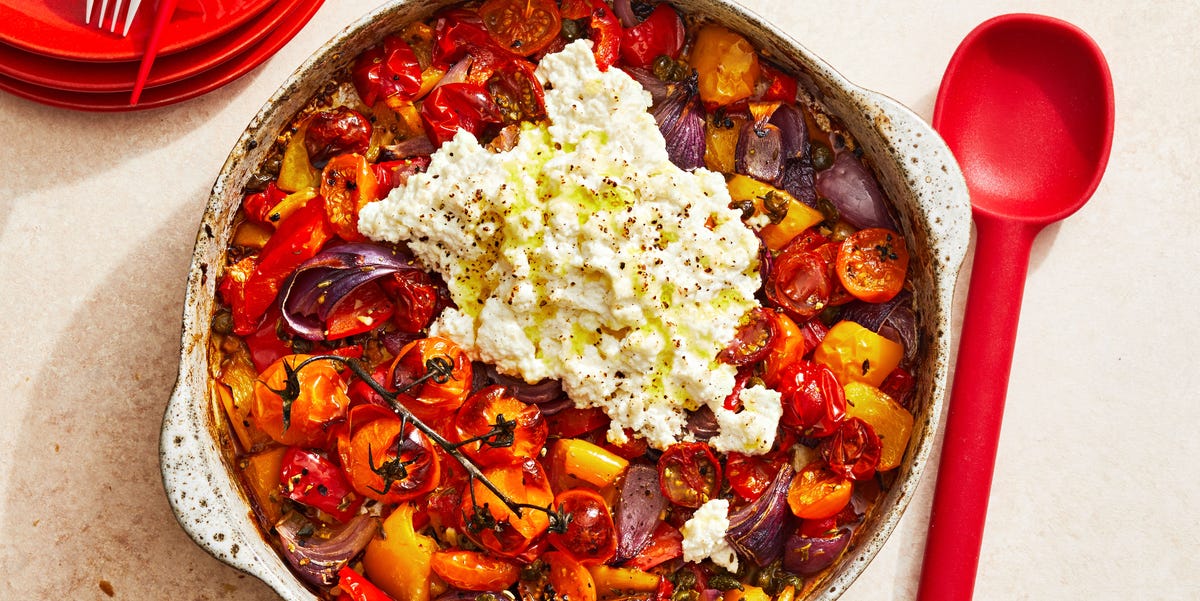
Baked ricotta is what happens when an ordinary tub of cheese gets dressed up, steps into a warm oven, and emerges ready to host a party. Creamy in the center, lightly golden around the edges, and fragrant with lemon, garlic, herbs, and Parmesan, this easy baked ricotta recipe delivers restaurant-style flavor without restaurant-style drama.
It works equally well as a holiday appetizer, a relaxed game-day dip, or the centerpiece of a snack-for-dinner situation. Spoon it onto toasted bread, scoop it up with crackers, or surround it with vegetables and pretend the platter took hours to plan. Your oven does most of the work, and it is excellent at keeping secrets.
The best baked ricotta starts with whole-milk cheese, balanced seasoning, and enough heat to warm and set the mixture without turning it dry or rubbery. This recipe follows that formula, then offers sweet, spicy, tomato-topped, and vegetable-filled variations for cooks who cannot leave a good thing alone.
Easy Baked Ricotta Recipe at a Glance
- Prep time: 10 minutes, plus optional draining time
- Baking time: 18 to 22 minutes
- Total time: About 30 minutes
- Yield: 6 appetizer servings
- Oven temperature: 375°F
- Best served: Warm with crostini, crackers, or vegetables
A temperature near 375°F is commonly used for savory baked ricotta because it heats the cheese efficiently while allowing the top and edges to develop light color. Depending on the depth of the baking dish and the moisture in the ricotta, the dish may need a few minutes more or less.
Ingredients for the Best Baked Ricotta
- 15 ounces whole-milk ricotta cheese
- 1 large egg
- 1/3 cup finely grated Parmesan cheese, divided
- 1 tablespoon extra-virgin olive oil, plus more for finishing
- 1 small garlic clove, finely grated or minced
- 1 teaspoon finely grated lemon zest
- 1 teaspoon fresh lemon juice
- 1 tablespoon chopped fresh basil
- 1 teaspoon chopped fresh thyme or rosemary
- 1/2 teaspoon kosher salt, adjusted to taste
- 1/4 teaspoon freshly ground black pepper
- 1/8 teaspoon crushed red pepper flakes, optional
- Chopped parsley, basil, honey, or additional lemon zest for serving
- Toasted baguette slices, crackers, pita chips, or vegetables for dipping
Why Whole-Milk Ricotta Is the Better Choice
Whole-milk ricotta generally produces a richer, smoother appetizer than lower-fat versions. Fat contributes flavor and helps the finished dip feel creamy rather than chalky. Fresh or artisan ricotta can be especially luxurious, but good-quality supermarket ricotta also works when excess liquid is removed before mixing.
Ricotta brands vary considerably. One container may be thick enough to stand a spoon in, while another contains enough whey to qualify as a small indoor pool. Check the texture before you begin rather than assuming every tub will behave the same way. Recipes and culinary guidance from several major food publications similarly emphasize the importance of choosing flavorful, creamy ricotta for baked or whipped preparations.
Does Ricotta Need to Be Drained?
Drain watery ricotta for 20 to 30 minutes before making the recipe. Place it in a fine-mesh strainer set over a bowl, or line the strainer with cheesecloth when the cheese is particularly loose. Thick ricotta can usually be used directly from the container.
Do not squeeze it until it resembles drywall compound. The goal is simply to remove loose liquid so the baked ricotta becomes creamy and scoopable instead of soupy.
How to Make Baked Ricotta
Step 1: Heat the Oven and Prepare the Dish
Preheat the oven to 375°F. Lightly grease a shallow 1-quart baking dish, small gratin dish, or 8-inch oven-safe skillet with olive oil.
A shallow dish creates more golden surface area. A deeper ramekin produces a softer, creamier center but may require several extra minutes in the oven.
Step 2: Smooth the Ricotta
Place the ricotta in a medium mixing bowl. Stir it firmly with a whisk or sturdy spoon for about 30 seconds, just until it becomes smooth and evenly textured.
For an especially airy result, process the ricotta in a food processor for 30 to 45 seconds. This step is optional; baked ricotta does not need an appliance parade to taste good.
Step 3: Add the Flavorings
Add the egg, 1/4 cup Parmesan, olive oil, garlic, lemon zest, lemon juice, basil, thyme, salt, black pepper, and red pepper flakes. Stir until everything is thoroughly combined.
Taste the mixture before adding the egg when possible, or taste a small portion of the seasoned ricotta before the egg goes in. Parmesan can be salty, and ricotta itself ranges from nearly unsalted to noticeably seasoned. Adjust carefully.
Step 4: Fill the Baking Dish
Spoon the mixture into the prepared dish and smooth the surface. Use the back of the spoon to create a few shallow swirls. These ridges catch olive oil and turn lightly golden, which is both practical and suspiciously photogenic.
Sprinkle the remaining Parmesan evenly over the top.
Step 5: Bake Until Set
Bake for 18 to 22 minutes, or until the edges are gently bubbling, the center is hot, and the top has developed patches of pale golden color.
The center should look set but remain soft when the dish is moved. Avoid waiting for the entire surface to become deeply brown. Ricotta is not mozzarella and will not melt into a stretchy cheese pull. Its charm is creamy, delicate, and slightly custard-like.
Step 6: Broil for More Color, If Desired
For a more deeply browned top, place the dish under the broiler for 30 to 90 seconds. Stay beside the oven and watch continuously. Parmesan can travel from golden to charcoal with the confidence of a magician performing a disappearing act.
Step 7: Rest, Garnish, and Serve
Let the baked ricotta rest for 5 minutes. Drizzle it with extra-virgin olive oil and garnish with chopped herbs, more lemon zest, black pepper, or a light ribbon of honey.
Serve while warm with toasted baguette slices, seeded crackers, pita chips, cucumber rounds, radishes, carrots, bell pepper strips, or roasted vegetables.
Why This Baked Ricotta Recipe Works
The Egg Provides Gentle Structure
One egg helps the cheese hold together without transforming it into a firm ricotta pie. The dip remains soft enough to scoop but does not release a puddle of liquid as soon as the first piece of toast dives in.
Parmesan Adds Saltiness and Browning
Ricotta is mild, so Parmesan supplies savory depth. Reserving part of it for the top creates a delicate crust and makes the appetizer smell irresistible before it even reaches the table.
Lemon Keeps the Cheese from Feeling Heavy
Lemon zest contributes aroma without adding much liquid. A small amount of juice brightens the flavor, while garlic and herbs pull the recipe firmly into savory territory.
A Moderate Baking Time Protects the Texture
Ricotta can become grainy or dry when baked too long. Pulling it from the oven as soon as the center is hot and softly set preserves its creamy character. Shallow savory ricotta dishes are often baked only until hot and lightly golden rather than until deeply browned throughout.
Flavor Variations
Hot Honey Baked Ricotta
Leave out the lemon juice but keep the zest. After baking, drizzle the cheese with two tablespoons of honey mixed with a pinch of crushed red pepper. Add toasted pistachios or walnuts for crunch.
Tomato and Basil Baked Ricotta
Top the baked cheese with roasted cherry tomatoes, torn basil, and balsamic glaze. Roast the tomatoes separately so their juices do not make the ricotta watery.
Spinach Baked Ricotta
Fold in 1/2 cup of chopped cooked spinach. Squeeze the spinach very dry first. Frozen spinach is perfectly respectable, but it must be relieved of its excess water before joining the cheese.
Spinach, greens, herbs, and mustard are established additions to warm ricotta dips because they contribute color and savory flavor without overwhelming the mild cheese.
Roasted Garlic Ricotta
Replace the fresh garlic with two or three mashed roasted garlic cloves. The flavor becomes sweeter, softer, and ideal for serving alongside roasted mushrooms or caramelized onions.
Sweet Baked Ricotta
Omit the garlic, Parmesan, herbs, pepper, and olive oil. Mix the ricotta with the egg, two tablespoons of honey, one teaspoon of vanilla, lemon zest, and a small pinch of salt. Bake until softly set, then serve with berries, roasted grapes, poached pears, jam, or sliced peaches.
Fruit, honey, nuts, and warm spices are natural partners for baked ricotta, which can move from appetizer to dessert with only a few ingredient changes.
What to Serve with Baked Ricotta
A good baked ricotta platter benefits from contrasting textures. The cheese is soft and creamy, so include at least one crisp or crunchy item.
- Bread: Crostini, grilled sourdough, focaccia strips, or garlic toast
- Crackers: Seeded crackers, flatbread crackers, or pita chips
- Fresh vegetables: Cucumber, radishes, carrots, celery, and bell peppers
- Roasted vegetables: Broccoli, zucchini, mushrooms, peppers, or eggplant
- Sweet additions: Honey, figs, grapes, pears, peaches, or berry preserves
- Savory additions: Olives, roasted tomatoes, pesto, prosciutto, or marinated artichokes
For a complete appetizer board, place the warm baking dish in the center of a large platter. Arrange crostini on one side, vegetables on another, and small piles of olives, fruit, or nuts around the edges. The arrangement looks generous and intentional, even when the olives came directly from a jar three minutes earlier.
How to Make Crostini for Baked Ricotta
- Cut one baguette into slices about 1/2 inch thick.
- Arrange the slices on a sheet pan.
- Brush both sides lightly with olive oil.
- Season with a small pinch of salt.
- Bake at 400°F for 8 to 12 minutes, turning once, until crisp and golden.
The crostini can be prepared several hours ahead and kept at room temperature after cooling completely. Do not seal warm toast in a container unless steamed bread chips are part of the plan.
Make-Ahead and Storage Instructions
Can Baked Ricotta Be Prepared in Advance?
Yes. Mix the ricotta filling, place it in the baking dish, cover it, and refrigerate it for up to 24 hours. Add the final Parmesan topping shortly before baking.
When baking directly from the refrigerator, allow approximately three to five additional minutes. A ceramic or glass dish should not go from an extremely cold refrigerator into an unusually hot oven if the manufacturer warns against thermal shock.
How to Store Leftovers
Cool leftovers promptly, cover the dish, and refrigerate for up to three or four days. Perishable dairy foods should generally not remain at room temperature longer than two hours, or one hour when the surrounding temperature is above 90°F.
How to Reheat Baked Ricotta
Reheat the ricotta in a 325°F oven for 10 to 15 minutes, or until warmed through. Small portions can be reheated in the microwave at reduced power in short intervals. Stirring is not necessary unless the cheese has separated slightly.
Can It Be Frozen?
Freezing is possible, but the texture may become more grainy after thawing. For the creamiest result, serve baked ricotta freshly made or refrigerated rather than frozen.
Common Baked Ricotta Problems
Why Is My Baked Ricotta Watery?
The ricotta probably contained excess whey, or a watery ingredient was added. Drain loose ricotta before mixing, squeeze cooked greens thoroughly, and roast juicy vegetables separately.
Why Did It Turn Dry or Grainy?
It was likely overbaked or made with a low-fat ricotta that was already fairly dry. Use whole-milk cheese and remove the dish when the center is just set.
Why Does It Taste Bland?
Ricotta needs assertive companions. Add enough salt, Parmesan, lemon zest, herbs, and black pepper to wake it up. Taste the seasoned cheese mixture before adding the raw egg so adjustments are easy.
Why Did It Not Brown?
Ricotta itself remains pale. Parmesan, olive oil, a shallow dish, and a brief broil create more surface color. Browning is attractive, but it should not come at the cost of a dry center.
Can I Make It Without an Egg?
Yes. The finished dish will be looser and more dip-like. Omit the egg and reduce the baking time slightly, removing the dish as soon as the ricotta is hot and bubbling gently around the edges.
Practical Experiences and Lessons from Serving Baked Ricotta
The most useful lesson about baked ricotta is that the occasion changes how the dish should be prepared. For a quiet dinner, a deep ramekin creates a cozy, spoonable center. For a party, a shallow gratin dish is easier for several guests to reach and provides more browned surface. That sounds like a minor detail until six people attempt to attack one narrow ramekin with pieces of baguette.
Another common experience is discovering that ricotta consistency matters more than the label suggests. Two containers with the same weight can behave very differently. Thick ricotta creates a creamy, softly set dip with almost no preparation. Loose ricotta may release liquid around the edges unless it is drained. Taking a minute to inspect the cheese prevents most texture problems before they begin.
Serving temperature also changes the experience. Straight from the oven, baked ricotta is fragrant, fluffy, and almost molten at the center. After five minutes, it becomes easier to scoop and the flavors become clearer. At room temperature, it is firmer but still pleasant, especially when topped with roasted vegetables or fruit. Because of food-safety limits, however, it should not spend an entire afternoon decorating the buffet.
Bread selection makes a surprisingly large difference. Very hard crackers can overpower the soft dip, while thin, fragile chips may collapse under a generous scoop. Crostini about half an inch thick provides the best balance: crisp enough to hold the ricotta but not so hard that every bite sounds like home renovation. Fresh vegetables are useful for lighter servings, but they should be dried well after washing so water does not collect in the cheese.
When baked ricotta is served as part of a larger menu, restraint pays off. A heavily seasoned version with garlic, rosemary, Parmesan, chili flakes, pesto, olives, and tomatoes can become confusing. Choosing two or three dominant flavors usually produces a cleaner result. Lemon, thyme, and Parmesan make a classic combination. Roasted garlic, rosemary, and honey offer a sweeter, earthier direction. Tomato, basil, and balsamic create a familiar Italian-inspired platter.
The sweet variation creates a completely different experience. With honey, vanilla, and lemon zest, baked ricotta lands somewhere between cheesecake filling and a warm breakfast custard. It is less sweet than most desserts, making it a good partner for ripe fruit or jam. Guests who expect a savory dip may require a warning, unless surprise lemon cheesecake on toast is the evening’s planned entertainment.
Finally, baked ricotta is at its best when treated as a flexible method rather than a rigid formula. The cheese, dish size, oven, and toppings all affect the timing. Watching for gently bubbling edges and a softly set center is more reliable than obeying the timer with courtroom-level seriousness. Once that visual cue becomes familiar, the recipe becomes one of the easiest appetizers to adapt for different seasons, diets, and gatherings.
Final Thoughts
The best baked ricotta recipe does not require a long ingredient list or complicated technique. Start with creamy whole-milk ricotta, remove excess liquid, season it confidently, and bake only until warm and softly set. Parmesan creates a savory golden top, while lemon and herbs keep the cheese bright and inviting.
Serve it with crunchy crostini for a classic appetizer, add roasted tomatoes for summer, drizzle it with hot honey for the holidays, or turn it sweet with fruit and vanilla. It is quick enough for an ordinary evening but polished enough to place in the middle of a celebration.
Note: Baking time may vary according to the ricotta’s moisture level and the depth and material of the baking dish. Begin checking the center at 18 minutes and remove it before the cheese becomes firm or dry. This recipe framework was synthesized from established techniques published by major American culinary and food-safety sources.