Editorial note: This article is for educational purposes only and should not replace medical advice. Menopause can be a dramatic life chapter, but your supplement bottle should not be the main character without your clinician’s approval.
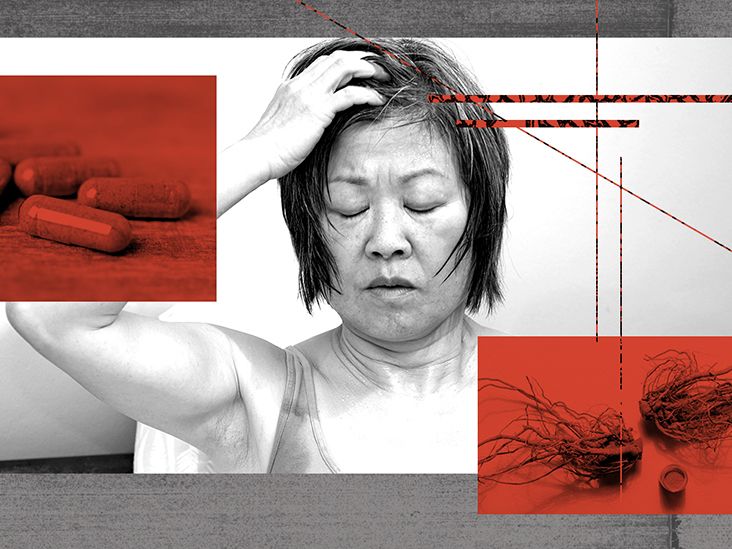
Menopause has a way of turning ordinary Tuesday nights into tropical weather events. One minute you are peacefully reading in bed, and the next you are negotiating with your blanket like it has personally betrayed you. Hot flashes, night sweats, mood swings, sleep disruption, brain fog, and stress can make the transition feel exhausting. That is why many people search for gentler options, including herbs such as ashwagandha.
Ashwagandha, also known as Withania somnifera, is an herb used in Ayurvedic traditions and now widely sold in the United States as capsules, gummies, powders, teas, and “stress support” blends. It is often marketed for relaxation, sleep, cortisol balance, energy, and hormone support. But when it comes to ashwagandha for menopause, the honest answer is neither “miracle root” nor “avoid at all costs.” The truth sits in the middle: promising for some symptoms, limited in long-term evidence, and not risk-free.
What Is Ashwagandha?
Ashwagandha is a small shrub whose root and sometimes leaves are used to make herbal supplements. Many modern products contain standardized root extract, often promoted as an “adaptogen,” meaning a substance believed to help the body respond to stress. The word sounds very sleek, like something your nervous system would wear to a conference, but it does not mean the herb works the same way for everyone.
The active plant compounds in ashwagandha include withanolides and other phytochemicals. Researchers are studying how these compounds may influence stress pathways, sleep, inflammation, and hormone-related markers. However, dietary supplements are not regulated like prescription drugs. In the United States, a supplement can reach the market without FDA approval for safety or effectiveness before sale. That means product quality, dose, ingredient accuracy, and contamination risk matter a lot.
Why People Consider Ashwagandha During Menopause
Menopause officially occurs after 12 consecutive months without a menstrual period. Perimenopause, the years leading up to that point, can bring fluctuating estrogen and progesterone levels. Those hormonal changes can affect the brain, blood vessels, sleep, mood, vaginal and urinary tissues, metabolism, and daily energy.
People usually consider ashwagandha for menopause because it appears to target several areas that overlap with common menopause complaints: stress, sleep, fatigue, mood, and possibly hot flashes. It is not estrogen, and it should not be treated like hormone therapy. Instead, think of it as a possible supportive tool for selected people, especially when stress and sleep disruption are major issues.
Potential Benefits of Ashwagandha for Menopause
1. Stress and Irritability Support
Stress does not cause menopause, but menopause can make stress feel louder. Poor sleep, hot flashes, work pressure, caregiving, aging parents, teenagers, inbox chaos, and mysteriously shrinking patience can all pile up. Ashwagandha is best known for its possible stress-relieving effects. Some studies in adults suggest that standardized root extract may reduce perceived stress and may influence cortisol, a hormone involved in the body’s stress response.
For menopausal people, this may matter because stress can make symptoms feel more intense. A person who is already sleeping poorly may experience ordinary stress as a full-body emergency alarm. If ashwagandha improves calmness or sleep quality, it may indirectly improve the way hot flashes, mood swings, and fatigue are experienced.
2. Sleep Quality
Sleep during menopause can become a nightly obstacle course: fall asleep, wake up sweating, kick off covers, get cold, pull covers back, stare at the ceiling, repeat. Ashwagandha has been studied for sleep support, and some research suggests it may modestly improve sleep quality, especially in people with insomnia or stress-related sleep problems.
This does not mean it works like a sleeping pill. It may be more subtle, helping some people feel more relaxed or wake feeling more refreshed. If night sweats are severe, ashwagandha alone is unlikely to solve the entire problem. But for someone whose main issue is “my body forgot how bedtime works,” it may be worth discussing with a clinician.
3. Hot Flashes and Night Sweats
Hot flashes and night sweats, also called vasomotor symptoms, are among the most common menopause symptoms. Small randomized trials have studied ashwagandha root extract in perimenopausal or menopausal women and reported improvements in menopause rating scores, hot flash frequency, stress scores, and some hormone markers. One study used 300 milligrams twice daily for eight weeks in perimenopausal women. Another trial studied women aged 45 to 55 for 56 days and reported improvements in symptom scores and quality-of-life measures.
That sounds encouraging, but there is a very important comma after the good news. These studies were relatively small and short. Larger, independent, longer-term trials are needed before ashwagandha can be considered a proven treatment for hot flashes. Major menopause guidance still does not place herbal supplements in the same evidence category as established treatments such as hormone therapy, certain antidepressants, gabapentin, oxybutynin, fezolinetant, cognitive behavioral therapy, and clinical hypnosis.
4. Mood and Brain Fog
Menopause brain fog can make you walk into a room and immediately forget whether you came for laundry, coffee, or emotional support. Mood changes and concentration problems may be linked to poor sleep, hormonal shifts, anxiety, depression, thyroid disease, anemia, medication effects, or life stress. Ashwagandha may help some people feel calmer, and better sleep may improve focus. But it should not be used to self-treat severe anxiety, depression, panic attacks, memory problems, or sudden personality changes.
If mood symptoms interfere with work, relationships, safety, or daily function, it is time for a real evaluation. Menopause is common, but suffering silently is not a wellness plan.
5. Fatigue and Energy
Some people take ashwagandha because they feel tired, wired, or both. Menopause fatigue can come from poor sleep, hot flashes, low iron, thyroid problems, blood sugar issues, medication side effects, stress overload, or depression. Ashwagandha may help if fatigue is strongly tied to stress and sleep disruption. It is less likely to help if the root cause is untreated sleep apnea, anemia, uncontrolled thyroid disease, or another medical condition.
Risks and Side Effects
Ashwagandha is natural, but so are poison ivy and the urge to cut your own bangs at midnight. Natural does not automatically mean safe.
Common Side Effects
Commonly reported side effects include stomach upset, nausea, loose stools, diarrhea, vomiting, headache, and drowsiness. Some people feel sedated, which may be welcome at bedtime but less charming before a morning staff meeting. Starting with a low dose and avoiding daytime use may reduce drowsiness, but individual reactions vary.
Liver Concerns
Although uncommon, liver injury has been reported in association with ashwagandha supplements. Warning signs can include yellowing of the skin or eyes, dark urine, pale stools, severe nausea, unusual fatigue, itching, abdominal pain, or loss of appetite. Anyone with cirrhosis, advanced chronic liver disease, unexplained elevated liver enzymes, heavy alcohol use, or multiple liver-stressing medications should avoid ashwagandha unless a qualified clinician specifically says otherwise.
Thyroid Effects
Ashwagandha may affect thyroid activity. That matters because thyroid symptoms can overlap with menopause: sweating, anxiety, palpitations, fatigue, sleep changes, weight changes, and irregular periods. People with hyperthyroidism, borderline thyroid levels, thyroid nodules, Graves’ disease, Hashimoto’s disease, or those taking thyroid medication should ask a healthcare professional before using it.
Medication Interactions
Ashwagandha may interact with sedatives, anti-anxiety medications, sleep medications, seizure medications, thyroid drugs, diabetes medications, blood pressure medications, and immunosuppressants. It may also be a concern before surgery because of possible sedative effects and interactions with anesthesia. A safe rule: if you take daily medication, ask before adding a daily herb.
Pregnancy and Breastfeeding
Ashwagandha is not recommended during pregnancy, and safety during breastfeeding is not well established. Menopause articles may not seem relevant to pregnancy, but perimenopause can include irregular ovulation. Translation: surprise pregnancy is still possible until menopause is confirmed. Biology enjoys plot twists.
Who Should Avoid Ashwagandha?
Ashwagandha may not be appropriate for people who are pregnant, breastfeeding, trying to conceive without medical guidance, living with liver disease, dealing with thyroid disease, taking immunosuppressive therapy, preparing for surgery, using sedatives, or managing autoimmune conditions. People with a history of hormone-sensitive cancers should discuss any hormone-related supplement with their oncology or gynecology team before use.
It is also wise to avoid ashwagandha if you have had a previous reaction to it or to related nightshade plants. While food sensitivities and plant-family reactions vary, any rash, swelling, breathing trouble, intense itching, or severe digestive reaction should be treated seriously.
How to Use Ashwagandha More Safely
Talk With a Clinician First
Before trying ashwagandha for menopause symptoms, list your medications, supplements, medical conditions, and main symptoms. Bring that list to a doctor, nurse practitioner, pharmacist, or menopause-trained clinician. This is especially important if you have severe hot flashes, abnormal bleeding, new depression, chest pain, palpitations, unexplained weight loss, or symptoms that came on suddenly.
Choose a Quality Product
Look for products tested by independent organizations such as USP, NSF, or ConsumerLab. Choose brands that clearly state the plant part used, the dose per serving, and whether the extract is standardized for withanolides. Avoid mega-dose formulas, mystery blends, and products that promise to “cure menopause.” Menopause is not a villain to be defeated; it is a biological transition that deserves intelligent support.
Use Short-Term and Track Symptoms
Most clinical studies of ashwagandha are short, often around eight to twelve weeks. Long-term safety over months or years is not well established. If a clinician agrees that you can try it, consider tracking sleep, hot flashes, mood, digestion, and side effects for four to eight weeks. A notebook or phone note works fine. No glitter journal required, unless glitter is your emotional support system.
Do Not Stack Too Many Supplements
Many menopause blends combine ashwagandha with black cohosh, red clover, maca, rhodiola, soy isoflavones, magnesium, melatonin, and vitamins. More ingredients can mean more uncertainty. If a side effect appears, it becomes harder to know which ingredient caused it. A single-ingredient product is often easier to evaluate.
Ashwagandha Compared With Other Menopause Treatments
Ashwagandha should not be framed as a replacement for evidence-based menopause care. Hormone therapy remains the most effective treatment for many people with bothersome hot flashes and night sweats, especially those under age 60 or within 10 years of menopause who have no contraindications. Nonhormonal prescription options may also help, including certain SSRIs or SNRIs, gabapentin, oxybutynin, and fezolinetant. Cognitive behavioral therapy and clinical hypnosis also have supportive evidence for reducing the burden of vasomotor symptoms.
Lifestyle habits still matter, even if they are less glamorous than a trendy supplement. Regular physical activity, strength training, sleep routines, limiting alcohol, balanced meals, smoking cessation, and stress management can support long-term health during and after menopause. These habits may not erase every hot flash, but they help protect bones, heart health, mood, metabolism, and sleep quality.
Practical Examples: When Ashwagandha Might or Might Not Make Sense
Example 1: A 49-year-old in perimenopause has mild hot flashes, work-related stress, and trouble falling asleep. She takes no medications and has normal thyroid and liver tests. After discussing it with her clinician, a short trial of a third-party-tested ashwagandha root extract may be reasonable.
Example 2: A 56-year-old has severe night sweats, insomnia, and depression that is affecting daily life. Ashwagandha alone is not enough of a plan. She should discuss medical options, mental health support, and screening for other causes of symptoms.
Example 3: A 52-year-old has Graves’ disease and takes thyroid medication. Ashwagandha is a poor DIY choice because of possible thyroid effects. Her clinician should guide any supplement use.
Example 4: A 60-year-old has chronic liver disease and wants a “natural” option. Ashwagandha should generally be avoided due to documented liver injury concerns, even if the supplement aisle looks friendly and smells faintly of chamomile.
Real-Life-Style Experiences With Ashwagandha for Menopause
Experiences with ashwagandha for menopause tend to fall into a few recognizable patterns. The first is the “sleep seeker.” This person is not necessarily having the most dramatic hot flashes, but she is tired of waking at 3:17 a.m. with her mind producing a full documentary about every awkward email she has ever sent. When ashwagandha helps this type of person, the improvement may feel gradual: falling asleep a little faster, waking less tense, or feeling less emotionally crispy the next day. It is rarely a movie-style transformation. More often, it is a quiet shift from “I am running on fumes” to “I can answer messages without sighing like a haunted Victorian widow.”
The second pattern is the “hot flash tracker.” This person starts ashwagandha hoping it will cool the internal furnace. Some people report fewer or less intense hot flashes after several weeks, especially when they also reduce alcohol, manage stress, improve sleep routines, and dress in layers. Others notice no meaningful change. This is why tracking matters. Memory is unreliable when symptoms fluctuate. A simple daily note with hot flash count, night sweats, sleep quality, mood, caffeine, alcohol, and supplement dose can reveal whether the herb is actually helping or simply getting credit for a better week.
The third pattern is the “supplement stacker.” This person buys a menopause blend, a sleep gummy, magnesium, melatonin, collagen, vitamin D, black cohosh, and ashwagandha because the internet said “hormone balance” with excellent lighting. Two weeks later, she has nausea, grogginess, or strange dreams and no idea which product is responsible. The lesson is boring but useful: change one thing at a time. Menopause already comes with enough variables. Do not turn your body into a supplement mystery novel.
The fourth pattern is the “wrong root cause” experience. Someone takes ashwagandha for fatigue and anxiety, but the real issue is hyperthyroidism, anemia, sleep apnea, depression, or medication side effects. In that case, the supplement may delay the care that would actually help. Menopause can explain many symptoms, but it should not become a medical junk drawer where every problem gets tossed.
The fifth pattern is the “good fit, used carefully.” This person checks with a clinician, chooses a tested product, avoids high doses, tracks symptoms, and stops if side effects appear. She treats ashwagandha as one tool, not a personality. That is probably the healthiest mindset. A supplement can be useful without being magical. It can support a broader plan that includes medical care, nutrition, movement, sleep habits, boundaries, and the occasional refusal to attend events that require hard pants after 7 p.m.
Bottom Line
Ashwagandha may help some people during menopause, especially when stress, sleep trouble, mild mood changes, or fatigue are part of the symptom picture. Early menopause-focused studies are promising, but the evidence is still limited, and long-term safety is not well understood. It is not a proven replacement for hormone therapy, nonhormonal prescription treatments, or professional care.
The safest approach is simple: talk with a healthcare professional, choose a high-quality product, avoid unnecessary blends, use it short-term, track your response, and stop immediately if concerning symptoms appear. Menopause is already enough of an adventure. Your supplement routine should not add a plot twist involving your liver, thyroid, or medication list.