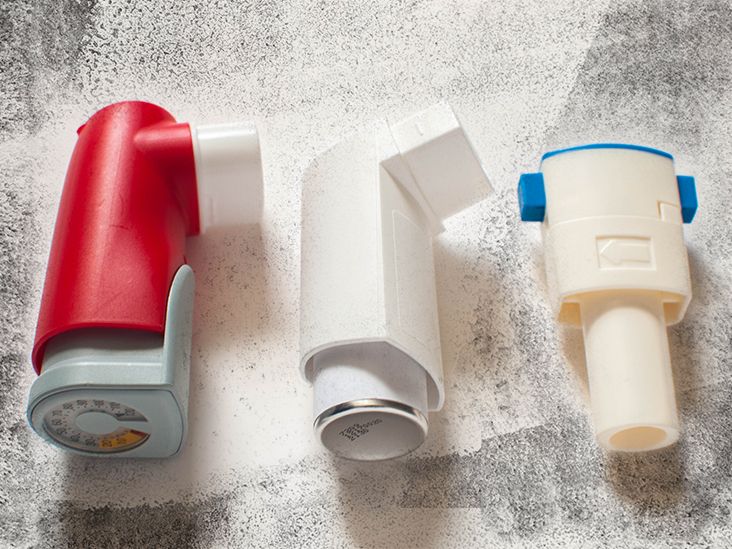
Inhalers are small enough to fit in a pocket, but they do a job worthy of a superhero cape: they deliver medicine directly into the lungs. For people living with asthma or chronic obstructive pulmonary disease, commonly called COPD, the right inhaler can mean fewer symptoms, fewer flare-ups, and more confidence walking the dog, climbing stairs, laughing at a bad joke, or surviving spring pollen without feeling personally attacked by a tree.
Still, inhalers can be confusing. Some spray. Some click. Some twist. Some demand a slow breath, while others want a quick, strong inhale like you are trying to vacuum crumbs from the universe. Add medication names, device brands, rescue inhalers, controller inhalers, combination inhalers, spacers, and nebulizers, and suddenly a “simple inhaler” feels like it came with a tiny graduate degree.
This guide breaks down the main inhaler types for asthma and COPD, how they work, what makes them different, and what patients often learn through everyday use. It is educational, not a replacement for medical advice, but it can help you have a smarter conversation with your healthcare provider.
Why Inhaler Type Matters
Asthma and COPD both affect breathing, but they are not the same condition. Asthma is often driven by airway inflammation and tightening that can change over time. COPD, which includes emphysema and chronic bronchitis, usually involves long-term airflow limitation and airway damage. Both conditions may cause coughing, wheezing, chest tightness, and shortness of breath.
Inhalers are used because they deliver medicine straight to the airways. That targeted delivery can work quickly and may reduce the amount of medicine circulating through the rest of the body. But the medicine only helps if it reaches the lungs. Poor inhaler technique can leave too much medicine in the mouth or throat, which is about as useful as mailing a birthday card and forgetting the address.
The best inhaler is not always the newest or fanciest one. It is the one a person can use correctly, consistently, and comfortably. Hand strength, breath strength, coordination, age, vision, memory, insurance coverage, and personal preference all matter.
Main Device Types: The Hardware Behind the Help
1. Metered-Dose Inhalers (MDIs)
A metered-dose inhaler is one of the most common inhaler types for asthma and COPD. It uses a pressurized canister to release a measured spray of medication. Many people recognize it as the classic “puff inhaler.”
MDIs can deliver quick-relief medicines, controller medicines, or combination treatments. They are portable and familiar, but they require timing. The user usually needs to start breathing in slowly and press the canister at the right moment. This sounds easy until your lungs are already irritated and your inhaler decides to test your hand-mouth coordination like a carnival game.
A spacer or valved holding chamber can make an MDI easier to use. The spacer holds the medicine briefly after it is sprayed, giving the user more time to inhale it. This can help reduce medicine landing in the mouth and throat and improve delivery to the lungs.
2. Breath-Actuated Inhalers
Breath-actuated inhalers are designed to release medicine when the user inhales. They can be helpful for people who struggle to coordinate pressing and breathing at the same time. Instead of “press, breathe, panic, repeat,” the device responds to the breath.
These inhalers are not ideal for everyone. During a severe flare-up, some people may not generate enough airflow to activate certain devices properly. A clinician or pharmacist can demonstrate the exact technique because each product has its own personality, and yes, some inhalers are surprisingly picky.
3. Dry Powder Inhalers (DPIs)
Dry powder inhalers deliver medication as a fine powder rather than a spray. DPIs do not usually require the same press-and-breathe coordination as MDIs. Instead, the user loads or prepares the dose and then inhales quickly and deeply through the device.
The key difference is breath force. A DPI generally requires a stronger, faster inhalation to pull the medication into the lungs. This can work very well for some people with asthma or COPD, but it may be harder during severe symptoms or for people with very limited airflow.
DPIs also should not be used with spacers. Moisture can affect the powder, so users are usually told not to breathe into the device and to store it carefully. In other words, treat it less like a whistle and more like a tiny medical instrument with boundaries.
4. Soft Mist Inhalers (SMIs)
Soft mist inhalers release a slow-moving mist rather than a fast spray or dry powder. The mist stays in the air slightly longer, which may give the user more time to inhale the medicine. Soft mist devices are used for certain COPD and asthma medications, depending on the prescription.
SMIs still require correct preparation and technique. Some need cartridge insertion, priming, turning, opening, pressing, and slow inhalation. That sounds like assembling furniture, but after a demonstration, many people find the steps manageable.
5. Nebulizers
A nebulizer changes liquid medication into a mist that is breathed in through a mouthpiece or mask. Nebulizers are not usually called inhalers, but they are another inhaled medication delivery system used in asthma and COPD care.
Nebulizers may be helpful for people who cannot use handheld inhalers well, during certain flare-ups, or when a clinician recommends them for a specific treatment plan. The trade-off is convenience. Nebulizers take more time, require cleaning, and are less portable than most inhalers. They are the slow cooker of respiratory devices: useful, reliable, but not exactly pocket-sized.
Medication Types: What Is Inside the Inhaler?
The device is only half the story. The medication inside determines whether the inhaler is for fast relief, daily control, long-term maintenance, or a combination of goals.
Quick-Relief Inhalers
Quick-relief inhalers are often called rescue inhalers. They are used to relieve sudden symptoms such as wheezing, chest tightness, or shortness of breath. Common quick-relief medicines include short-acting beta agonists, often called SABAs, such as albuterol or levalbuterol. Some COPD plans may also include short-acting anticholinergic medicine, such as ipratropium, or a combination of bronchodilators.
These medicines relax airway muscles so air can move more easily. For asthma, frequent need for a rescue inhaler can be a warning sign that the condition is not well controlled. For COPD, rescue medicine may be used for sudden symptom relief, while maintenance medicines are used regularly to reduce day-to-day breathing problems.
Controller Inhalers for Asthma
Controller inhalers are used to prevent symptoms rather than chase them after they show up wearing tap shoes. In asthma, inhaled corticosteroids are a foundation of long-term control for many people because they reduce airway inflammation.
Controller inhalers may be prescribed once or twice daily, depending on the medicine and the treatment plan. Some asthma medications combine an inhaled corticosteroid with a long-acting bronchodilator. Certain newer approaches may use specific anti-inflammatory reliever combinations for eligible adults, but the right plan depends on age, asthma severity, medical history, and clinician guidance.
After using an inhaled corticosteroid, many patients are told to rinse, gargle, and spit. This simple habit can reduce the risk of mouth irritation or yeast infection. It is not glamorous, but neither is coughing through a movie trailer, so we accept the rinse.
Maintenance Inhalers for COPD
COPD treatment often focuses on bronchodilators that keep airways open over time. Long-acting beta agonists, called LABAs, and long-acting muscarinic antagonists, called LAMAs, are common maintenance options. Some people use one long-acting bronchodilator; others use two.
Combination inhalers for COPD may include LABA/LAMA therapy or triple therapy with an inhaled corticosteroid, a LABA, and a LAMA. Triple therapy may be considered for certain people with ongoing symptoms or frequent exacerbations, but it is not automatically the right choice for everyone. COPD treatment is personalized, and the “strongest” inhaler is not always the smartest inhaler.
Asthma vs. COPD: Similar Tools, Different Strategy
Asthma and COPD inhalers can look similar, and some medicines overlap, but the treatment logic may differ. Asthma care often emphasizes controlling inflammation and preventing attacks. COPD care often emphasizes long-acting bronchodilation, symptom reduction, exercise tolerance, and prevention of exacerbations.
For asthma, using only a rescue inhaler too often may suggest inflammation is not being controlled. For COPD, maintenance inhalers may need to be taken consistently even on “good breathing” days. In both conditions, a written action plan can help patients know what to use daily, what to use during symptoms, and when to seek urgent care.
Common Inhaler Mistakes
Many inhaler problems are not about intelligence; they are about design. Inhalers are small devices with exact steps, and nobody is born knowing how to use one. Even experienced patients can drift into bad technique over time.
Going Too Fast With an MDI
With many metered-dose inhalers, inhaling too quickly can send medicine into the throat instead of the lungs. A slow, steady breath is often recommended. A spacer can help reduce timing problems.
Not Breathing Strongly Enough With a DPI
Dry powder inhalers need a quick, deep inhalation. A weak breath may not move enough powder into the airways. This is one reason clinicians consider lung function and patient ability when choosing a device.
Forgetting to Prime or Load the Dose
Some inhalers must be primed before first use or after not being used for a while. Others require a twist, click, lever, or capsule loading step. Skipping that step can mean inhaling with great confidence and receiving approximately nothing. The lungs are not impressed by confidence alone.
Not Tracking Remaining Doses
Many modern inhalers have dose counters. When the counter reaches zero, the device may feel like it still has something inside, but the medication is gone or unreliable. Keeping track prevents the classic “emergency puff from an empty inhaler” problem, which is nobody’s favorite surprise.
How Clinicians Choose an Inhaler
A healthcare provider may consider several factors before prescribing an inhaler. The diagnosis matters, but so does the person using the device. Can the patient inhale forcefully enough for a DPI? Would a spacer make an MDI easier? Is the device affordable? Can the patient open, grip, twist, press, or assemble it? Does the person need one medicine or a combination?
Side effects also matter. Bronchodilators may cause shakiness, nervousness, or a fast heartbeat in some people. Inhaled corticosteroids may cause hoarseness or mouth irritation. Anticholinergic medicines may cause dry mouth. Not everyone experiences these effects, but they are worth discussing.
The best visit often includes a demonstration. Patients should bring every inhaler they use, including rescue, controller, maintenance, and “mystery inhaler from the bottom of the backpack.” A pharmacist, respiratory therapist, nurse, or clinician can watch the technique and correct small mistakes that make a big difference.
Cleaning, Storage, and Everyday Care
Inhalers work best when they are treated properly. Mouthpieces should be kept clean and dry. Spacers and valved holding chambers need cleaning according to instructions. Nebulizer cups and masks require regular washing and drying to reduce contamination.
Inhalers should be stored away from extreme heat, cold, and moisture. A bathroom may seem convenient, but steam is not a spa day for dry powder medicine. Patients should also avoid sharing inhalers. Sharing may spread germs, and the medicine or dose may not be appropriate for another person.
When to Ask for Help
People with asthma or COPD should contact a healthcare professional if symptoms are getting worse, rescue medicine is needed more often than usual, daily activities become harder, side effects are bothersome, or the inhaler feels difficult to use. Urgent symptoms such as severe shortness of breath, blue lips or face, confusion, or symptoms that do not improve with the prescribed rescue plan require emergency care.
An inhaler should make breathing management easier, not turn life into a guessing game. If a device is confusing, too expensive, uncomfortable, or hard to use, patients should say so. There may be another option.
Real-World Experiences With Inhalers for Asthma and COPD
Living with an inhaler is not just about medicine. It is about habits, routines, small frustrations, and tiny victories that rarely appear on prescription labels. Many people remember the first time they received an inhaler and thought, “That’s it? This little thing is supposed to help my lungs?” Then comes the first lesson: small device, big instructions.
One common experience is learning that technique matters more than expected. A person may use the same inhaler for months and still discover during a checkup that they were inhaling too fast, forgetting to hold their breath briefly afterward, or not sealing their lips well around the mouthpiece. It can feel embarrassing, but it should not. Inhaler technique is a skill, like tying a tie or parallel parking. Some people learn it quickly; others need a few demonstrations and a little patience. Nobody should be judged for needing a refresher.
Another real-life issue is remembering which inhaler does what. Rescue inhalers and controller inhalers can look similar, especially when someone is tired, worried, or rushing out the door. Many patients create practical systems: keeping the rescue inhaler in the same bag, placing the daily inhaler beside a toothbrush, using phone reminders, or putting a colored sticker on the case. The goal is not perfection. The goal is fewer “Wait, did I take that?” moments.
People with COPD often describe a different learning curve. Maintenance inhalers may not create the dramatic instant relief that rescue inhalers can provide, so it may take time to trust them. A daily inhaler can feel unnecessary on a better day, but skipping it may lead to more symptoms later. This is where routine becomes powerful. The inhaler becomes part of the morning rhythm: coffee, teeth, inhaler, keys, and the heroic search for reading glasses that were on the head all along.
Travel also teaches lessons. Experienced inhaler users often learn to pack inhalers in carry-on bags, check dose counters before leaving home, and keep prescriptions updated. Nobody wants to discover an empty inhaler while standing in an airport snack line next to a $9 banana. People may also learn to avoid leaving inhalers in hot cars or damp bathrooms, because storage conditions can affect performance.
There is also an emotional side. Some people feel self-conscious using an inhaler in public. Over time, many discover that breathing comfortably is more important than looking cool. Besides, most people nearby are too busy checking their phones to notice. Confidence grows when patients understand their treatment plan and know what to do during symptoms.
The best experience often comes when patients ask questions. “Can you watch me use this?” “Should I use a spacer?” “What should I do if symptoms increase?” “Is this my rescue inhaler or my daily inhaler?” These are not silly questions. They are the exact questions that prevent problems. Inhalers are tools, and like any tool, they work best when the person using them feels informed, prepared, and supported.
Conclusion
Inhaler types for asthma and COPD include metered-dose inhalers, dry powder inhalers, soft mist inhalers, breath-actuated devices, and nebulizers. Each device has strengths, limitations, and technique requirements. The medicine inside may be for quick relief, daily control, long-term maintenance, or combination therapy.
The most important lesson is simple: the right inhaler is the one that matches the condition, the medication goal, and the patient’s ability to use it correctly. Asthma and COPD care should never feel like decoding a secret menu. With good instruction, regular technique checks, and honest communication with healthcare professionals, inhalers can become less confusing and much more effective.
Note: This article is for general educational purposes only. It does not diagnose, treat, or replace medical advice. People with asthma, COPD, breathing symptoms, medication side effects, or questions about inhaler use should speak with a licensed healthcare professional.