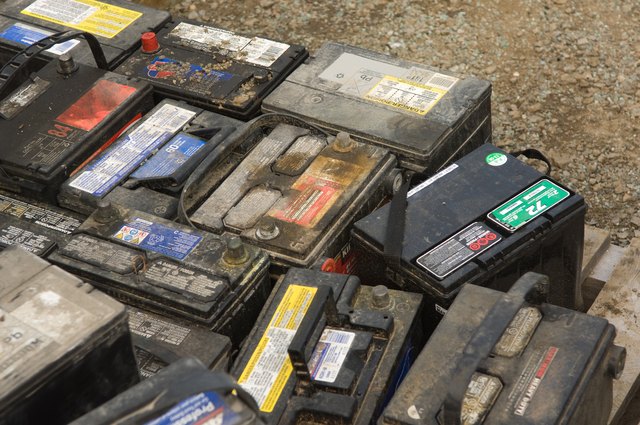
Note: This guide is for small, controlled sulfuric acid spills or old stains on concrete, such as minor battery acid residue in a garage. For large spills, strong fumes, unknown chemicals, industrial-strength acid, active leaks, or any exposure to skin, eyes, or lungs, leave the area and call emergency services, Poison Control, or a hazardous-materials professional. Concrete is tough, but sulfuric acid is tougherand it does not care about your weekend plans.
Why Sulfuric Acid on Concrete Is a Big Deal
Sulfuric acid is one of the most aggressive acids commonly found around homes, garages, workshops, warehouses, and battery-storage areas. It may come from lead-acid batteries, some drain cleaners, industrial products, or chemical spills. When it lands on concrete, it does not simply “sit there” like a dramatic houseguest. It reacts with the cement paste, eats away at the surface, and can leave rough, powdery, discolored, or weakened areas behind.
Concrete contains alkaline compounds, including calcium-based materials. Sulfuric acid reacts with those materials and can produce salts such as calcium sulfate. In plain English, that means the acid can break down the concrete’s surface, leaving it etched, soft, pitted, or crumbly. If the spill reaches reinforcing steel, metal tools, drains, or surrounding soil, the problem can become more than cosmetic.
The goal is not just to “clean” the acid. The goal is to neutralize sulfuric acid on concrete safely, remove the contaminated residue, rinse and dry the slab, test the surface, and repair any damage. A mop and a hopeful attitude are not enough.
Before You Start: Decide Whether This Is a DIY Job
Before grabbing baking soda like a kitchen wizard, stop and evaluate the situation. A small, old battery acid stain on a garage floor may be manageable. A fresh pool of acid, a leaking battery bank, a spilled industrial container, or a strong chemical odor is not a casual DIY cleanup.
Call a Professional Immediately If:
- The spill is larger than a small puddle or continues to spread.
- You do not know the concentration or source of the acid.
- The acid is smoking, steaming, bubbling violently, or giving off strong fumes.
- It has entered a drain, soil, gravel, stormwater path, or landscaped area.
- Someone has inhaled fumes or gotten acid on skin, eyes, clothing, or shoes.
- The spill is inside a business, warehouse, lab, or workplace subject to safety regulations.
If any of those apply, isolate the area, keep people and pets away, improve ventilation from a safe distance, and contact emergency services or a hazardous-waste cleanup company. Sulfuric acid is corrosive, and concentrated acid can cause severe burns. This is not the moment for “I saw a guy on the internet do it with a broom.”
Safety Gear You Need
For a small and manageable spill, wear proper protective gear before touching anything. Concrete cleanup is already dusty and annoying; adding acid burns to the schedule is a poor lifestyle choice.
Recommended PPE
- Chemical-resistant gloves, such as nitrile, neoprene, or other acid-resistant gloves.
- Safety goggles plus a face shield if splashing is possible.
- Long sleeves, long pants, and chemical-resistant footwear or boots.
- An acid-resistant apron for larger small spills.
- Good ventilation, especially in garages or enclosed utility rooms.
Do not wear open shoes, thin cloth gloves, or your favorite “painting clothes” unless you are emotionally prepared to retire them. Keep children and pets away until the area has been neutralized, cleaned, rinsed, dried, and checked.
What You Need to Remove Sulfuric Acid From Concrete
Gather everything before beginning. Once neutralization starts, you do not want to sprint through the house looking for pH strips while wearing gloves and regret.
Supplies
- Baking soda, soda ash, or garden lime for neutralizing acid.
- pH test strips or pH paper.
- Dry sand, clay-based cat litter, or another non-combustible absorbent.
- Plastic dustpan, plastic scoop, or acid-resistant shovel.
- Plastic bucket or approved chemical-resistant container with a lid.
- Stiff nylon brush or acid-resistant scrub brush.
- Alkaline concrete cleaner or mild detergent.
- Clean water for controlled rinsing.
- Wet/dry vacuum suitable for liquid pickup, if available.
- Heavy-duty plastic bags or containers for contaminated cleanup waste.
Avoid metal tools if possible because acid can corrode metal and may create additional hazards. Avoid sawdust, paper towels, rags, or other organic absorbents for fresh acid spills. Sulfuric acid can react strongly with some materials, and the cleanup pile should not become a chemistry experiment with an attitude problem.
Step-by-Step: How to Remove Sulfuric Acid From Concrete
Step 1: Ventilate and Block Off the Area
Open garage doors or windows if you can do so safely. Keep people away from the affected zone. If the spill is indoors and fumes are noticeable, leave the area and call for help. Do not use fans that blow fumes toward people, pets, ignition sources, or living areas.
Step 2: Stop the Source of the Acid
If the sulfuric acid came from a leaking battery or container, do not move it unless you can do so safely and without splashing. Place a leaking battery in a plastic tub or on an acid-resistant tray if it is small and safe to handle. If the container is damaged, actively leaking, or too heavy, stop and call a professional.
Step 3: Contain the Spill
For fresh liquid acid, build a ring around the spill with sand, clay cat litter, or another non-combustible absorbent. Work from the outside toward the center to prevent spreading. Do not hose the area yet. Water can spread acid deeper into pores, across the slab, into cracks, or toward drains.
Step 4: Slowly Add Neutralizer
Sprinkle baking soda, soda ash, or lime slowly around the edges of the spill, then gradually move inward. The mixture may fizz as the acid neutralizes. That fizzing is normal, but aggressive bubbling means you should slow down. Dumping a mountain of neutralizer onto acid can create splashing, heat, and a mess that looks like a science fair project lost a fight.
Continue adding neutralizer until fizzing stops. For small household spills, baking soda is often the easiest option because it is widely available and mild compared with stronger alkaline chemicals. For larger concrete areas, soda ash or lime may be more efficient, but those materials still require care.
Step 5: Test the pH
Once fizzing stops, dampen a pH strip with a small amount of the remaining liquid or slurry and compare it with the strip’s color chart. A surface near neutral, roughly between pH 6 and 8, is usually the target for cleanup. If the pH is still acidic, add more neutralizer in small amounts and test again.
Do not skip this step. A surface can look calm while still being acidic. Sulfuric acid is not required to announce itself with theme music.
Step 6: Collect the Residue
After neutralization, use a plastic scoop, dustpan, or shovel to collect the wet neutralized residue and absorbent. Place it in a plastic container or heavy-duty bag suitable for chemical cleanup waste. Label it clearly. Even after neutralization, the waste may contain contaminants from batteries, concrete dust, metal residues, or other chemicals.
Do not toss the residue into regular household trash without checking local rules. Do not pour it into a storm drain, yard, sink, or street gutter. If lead-acid battery residue is involved, treat the waste as potentially hazardous.
Step 7: Scrub the Concrete With an Alkaline Cleaner
Once the bulk material is removed, apply an alkaline concrete cleaner or a mild detergent solution. Scrub with a stiff nylon brush. This helps lift remaining residue from the pores of the concrete and removes the powdery film that can remain after neutralization.
For small areas, you can use a baking soda solution as a final neutralizing wash. A practical approach is to mix baking soda with water, apply it to the spot, scrub thoroughly, and let it sit briefly before rinsing. For larger garage floors, a commercial alkaline concrete cleaner may work better and save your arms from filing a formal complaint.
Step 8: Rinse Carefully
Rinse with clean water, but control the runoff. Use a wet/dry vacuum, mop, or absorbent material to collect rinse water. The goal is to remove residue without sending questionable liquid into storm drains, landscaping, or soil.
Repeat scrubbing and rinsing until the rinse water is clear and pH testing shows the surface is no longer acidic. If the concrete still feels slippery, chalky, or gritty, keep cleaning. Residue left behind can interfere with patching, sealing, coating, or painting later.
Step 9: Let the Concrete Dry Completely
Allow the slab to dry fully. Concrete holds moisture in its pores, so this may take longer than it looks. A fan can help circulate air after the area is safe and fumes are gone. Do not apply sealer, coating, epoxy, or patching compound to damp concrete unless the product specifically allows it.
Step 10: Inspect the Damage
After drying, inspect the area closely. Look for discoloration, rough texture, pitting, exposed aggregate, soft spots, powdery residue, cracks, or surface scaling. Sulfuric acid may permanently etch concrete, especially if it sat for a long time. Cleaning removes the acid and residue; it may not magically restore the surface to its original smooth finish.
How to Remove Old Sulfuric Acid Stains From Concrete
Old sulfuric acid stains are usually a mix of chemical damage, mineral residue, and surface etching. If the acid has already reacted with the concrete, you may not be able to “wash away” the mark completely. The acid may have changed the surface itself.
Start by dry sweeping loose powder while wearing eye protection and a dust mask appropriate for concrete dust. Then wash the area with an alkaline cleaner, scrub well, rinse, and test the pH. If the surface remains acidic, repeat neutralization with a baking soda solution or appropriate alkaline wash.
If the stain remains after neutralization and cleaning, you are probably dealing with etched concrete rather than surface dirt. In that case, the best solution may be mechanical repair: grinding, resurfacing, patching, or applying a compatible concrete coating. A stain that looks like a ghostly outline of a battery may be less of a cleaning problem and more of a “concrete has been chemically remodeled without permission” problem.
What Not to Do
Do Not Mix Acid With Bleach
Never use bleach on an acid spill. Mixing bleach with acids can release chlorine gas, which is dangerous to breathe. This is one of those rules that belongs in bold letters, possibly with a tiny cartoon skull for emphasis.
Do Not Pressure Wash Before Neutralizing
Pressure washing can drive acid deeper into porous concrete and spread it across a larger area. Neutralize first, collect residue, then wash carefully.
Do Not Pour Water Directly Onto Concentrated Acid
Adding water to concentrated sulfuric acid can generate heat and splashing. For small surface spills, neutralize slowly first. If you are dealing with concentrated acid, treat it as a hazardous-materials situation and get professional help.
Do Not Use Metal Containers for Cleanup Waste
Use plastic or approved chemical-resistant containers. Acid and metal are not friends. They are the kind of neighbors who call the city on each other.
Do Not Ignore Runoff
Even diluted or neutralized rinse water can carry contaminants. Keep it out of storm drains, wells, yards, vegetable gardens, and waterways. Local disposal rules matter.
Can Sulfuric Acid Permanently Damage Concrete?
Yes. Sulfuric acid can permanently damage concrete by dissolving and weakening the cement paste that binds the aggregate together. The surface may become rough, sandy, chalky, or pitted. If the acid sits long enough, it can cause deeper deterioration and expose aggregate. In severe cases, the damaged area may need to be removed and patched.
The amount of damage depends on several factors: acid concentration, contact time, concrete porosity, whether the concrete was sealed, how quickly the spill was neutralized, and how much acid soaked into cracks or joints. A sealed garage floor has a better chance of surviving a small spill than bare, porous concrete that has been quietly absorbing everything since the Clinton administration.
How to Repair Concrete After Sulfuric Acid Damage
Once the acid is neutralized and the surface is clean and dry, you can decide whether repair is needed.
For Light Etching
If the surface is only slightly rough or discolored, cleaning and sealing may be enough. Use a concrete sealer compatible with the area’s use, such as a garage-floor sealer or concrete coating. Make sure the surface pH is acceptable and the slab is dry before applying any product.
For Pitting or Surface Loss
Remove loose material with a stiff brush, scraper, or grinder. Vacuum the dust thoroughly. Apply a concrete patching compound, resurfacer, or polymer-modified repair mortar according to the manufacturer’s instructions. Feather-edge repairs are often fragile, so choose a repair product designed for thin applications if the damage is shallow.
For Deep Damage or Structural Concerns
If the concrete is soft, cracked, spalling, or near structural elements, call a concrete repair contractor or engineer. Acid damage around columns, equipment pads, warehouse slabs, containment areas, or reinforcing steel deserves professional evaluation.
How to Prevent Future Sulfuric Acid Damage
The easiest sulfuric acid cleanup is the one you never have to do. Store batteries and acid-containing products on plastic trays or secondary containment pans. Keep baking soda or a proper acid spill kit nearby in garages, shops, and battery-storage areas. Inspect batteries for bulging, cracks, corrosion, or leakage. Avoid storing acids directly on bare concrete.
If your garage or workspace regularly handles batteries, forklifts, sump pump batteries, solar battery systems, or chemical containers, consider applying an acid-resistant coating. Standard concrete sealers help with minor staining, but not all coatings resist strong acid. For repeated exposure, use products specifically rated for chemical resistance.
Common Questions About Sulfuric Acid on Concrete
Will Baking Soda Remove Sulfuric Acid From Concrete?
Baking soda can neutralize small amounts of sulfuric acid and is often useful for minor household spills. However, it does not reverse concrete damage that has already occurred. Think of baking soda as the cleanup crew, not a time machine.
Can I Use Vinegar?
No. Vinegar is acidic. It is useful for some alkaline battery leaks, but sulfuric acid is already an acid. Adding vinegar is like bringing a kazoo to a fire alarm.
Can I Use Bleach?
No. Do not use bleach on sulfuric acid residue. Bleach and acids can create dangerous fumes.
Can I Seal the Concrete After Cleaning?
Yes, but only after the acid is neutralized, residue is removed, the pH is acceptable, and the concrete is completely dry. Sealing too early can trap moisture or residue and cause coating failure.
Why Is the Concrete Still White or Powdery?
White or powdery residue may be neutralized salts, damaged cement paste, efflorescence, or leftover cleaner. Scrub, rinse, vacuum, and test the pH again. If the surface keeps powdering, the concrete may be chemically damaged and may need resurfacing.
Real-World Experience: What Sulfuric Acid Cleanup Usually Looks Like
In real life, sulfuric acid spills on concrete rarely look as neat as a tutorial. They usually happen when someone moves an old car battery, discovers a mysterious wet ring under a golf-cart battery, drags a leaking backup battery across a garage, or tips over a container while reorganizing a shelf that should have been reorganized five years ago. The first reaction is often panic, followed by the universal human question: “Can I just rinse this?” The better answer is: not yet.
A small battery-acid spot on a garage floor often appears as a dark wet stain at first, then later turns pale, rough, or crusty. If the battery leaked slowly, the acid may have had hours or days to soak into the concrete. By the time the homeowner notices it, the surface may already be etched. Neutralizing still matters because active acidity can remain in the pores, but the visible mark may not disappear completely.
One common experience is over-wetting the area too early. People hose the slab, the stain spreads, and suddenly a palm-sized problem becomes a cloudy three-foot cleaning zone. Controlled cleanup works better. Contain, neutralize, collect, scrub, rinse, and collect the rinse water. It feels slower at first, but it prevents the spill from taking a scenic tour across the garage.
Another common issue is using too little neutralizer. A light sprinkle of baking soda may fizz dramatically, which makes it feel like the job is done. But fizzing only shows a reaction is happening. It does not prove all acid is neutralized. That is why pH strips are so useful. They are cheap, simple, and more reliable than guessing based on vibes.
Old stains can be frustrating because cleaning removes residue but not always the scar. Concrete is not like fabric where a stain remover can lift color from fibers. Acid can physically alter the concrete surface. If the slab looks pitted after cleaning, that is damage, not dirt. At that point, repair is about resurfacing, patching, grinding, or sealingnot scrubbing harder until your shoulders resign.
In garages, the best long-term fix is prevention. Store batteries in a plastic tray, keep acid-neutralizing material nearby, and do not place questionable chemical containers directly on concrete. If the garage is used for automotive work, battery charging, or equipment storage, a chemical-resistant floor coating can save a lot of future trouble. Bare concrete is porous and hardworking, but it is not invincible. It has limits, just like everyone after assembling flat-pack furniture.
The biggest lesson from real cleanup situations is simple: act early, stay calm, neutralize carefully, and respect the chemical. Sulfuric acid can be handled safely in small situations when the right precautions are used, but it should never be treated like an ordinary household stain. If the spill seems serious, it probably is. Calling a professional is cheaper than medical treatment, environmental cleanup, or explaining to your family why the garage floor now resembles the surface of the moon.
Conclusion
Removing sulfuric acid from concrete is a safety task first and a cleaning task second. The correct process is to assess the spill, wear proper protection, contain the area, neutralize the acid slowly, test the pH, collect contaminated residue, scrub with an alkaline cleaner, rinse carefully, and inspect the concrete for damage. For small garage stains, baking soda and careful cleanup may be enough. For large, fresh, unknown, or fuming spills, professional help is the only sensible move.
Concrete may look tough, but sulfuric acid can weaken, pit, and discolor it quickly. The faster you neutralize and clean the spill, the better your chances of limiting damage. And once the surface is clean, consider sealing or coating the concrete, especially in battery-storage or workshop areas. Future you will appreciate itand future you already has enough chores.