Scandinavian winter does not simply arrive; it lowers the lights, hushes the landscape, and quietng for scenes the eye could recognize but never hold: snow drifting through a streetlamp, waves sliding beneath shelves of ice, clouds moving over dark mountains, and the northern lights folding across the sky like enormous green curtains.
Long exposure photography became the perfect language for the journey. A conventional photograph freezes a fraction of a second, while a long exposure gathers time and compresses it into one frame. Water becomes silk, headlights become ribbons, falling snow becomes silver rain, and stars begin drawing their own maps.
In Scandinavia, where winter light can be brief, blue, and wonderfully dramatic, slowing the shutter transformed familiar landscapes into scenes that felt almost mythological.
Why Scandinavian Winter Is Perfect for Long Exposures
The far north offers a rare combination of long darkness, reflective snow, frozen shorelines, colorful villages, active weather, and skies that can change personality in minutes. I could photograph pastel twilight in the afternoon, a cobalt-blue harbor soon afterward, and an aurora-lit valley later that night without feeling that I had switched locations.
Winter also simplifies the landscape. Snow covers visual clutter and turns fields, roads, and rooftops into broad, clean shapes. That simplicity is especially useful in long exposure photography because motion needs a stable stage. When the ground is calm and uncluttered, a streaking cloud or luminous wave becomes the obvious subject rather than one more detail fighting for attention.
The darkness was not an inconvenience. It was creative breathing room. Northern winters provide extended periods of darkness, and auroras are commonly observed at high latitudes. As geomagnetic activity increases, auroral displays can become brighter, more active, and more widespread. In practical terms, that gave me more time to wait, experiment, fail, warm my fingers, and fail again with greater confidence.
ent I Trusted in Snow and Deep Cold
A long exposure magnifies every vibration. A gentle tap, a swinging camera strap, or one enthusiastic shiver can turn pine trees into green noodles. I used a solid tripod, pressed its legs firmly into the snow, and kept the center column low whenever possible. On icy ground, I tested the footing before mounting the camera because discovering that a tripod can skate is funny only when it belongs to someone else. I also removed or secured the camera strap so the wind could not slap it against the tripod during the exposure. A remote shutter release or the camera’s self-timer reduced movement caused by touching the shutter button. For exposures longer than the camera’s standard shutter-speed limit, Bulb mode allowed me to control exactly how long the shutter remained open. A wide-angle zoom helped me include dramatic skies while still building the image around a strong foreground, such as a cabin, bridge, snow-covered rock, or curve of shoreline. I avoided changing lenses during blowing snow whenever possible. Thick gloves turn tiny camera buttons into an escape-room puzzle, and opening the camera body invites moisture and debris inside. I carried several microfiber cloths because sea spray, frost, and snowflakes have a talent for landing on the lens at the precise moment the light becomes spectacular. Cold temperatures reduce battery performance, so I carried fully charged spares in an inside pocket close to my body. When one battery appeared exhausted, I replaced it with a warm one rather than assuming it was permanently dead. Batteries may regain usable capacity after returning to a warmer temperature, which is useful when the nearest charger is back at the cabin and the aurora has decided to perform an encore. Condensation required equal care. Before going indoors, I sealed cold equipment in a bag or left it closed inside the camera bag so it could warm gradually. Moving a freezing camera directly into warm, humid air can cause moisture to form on or inside the equipment. Patience is less exciting than photographing a frozen fjord, but it is considerably cheaper than repairing a damp camera. tings That Gave Me a Reliable Starting Point
No single setting works for every Scandinavian winter landscape. Moonlight, cloud cover, artificial lighting, snow brightness, and subject movement can change rapidly. However, a consistent starting routine saved me from rebuilding the exposure from scratch with frozen fingers. For snowy landscapes and coastal scenes, I usually began in manual mode with ISO 100, an aperture between f/8 and f/11, and a shutter speed ranging from one to 30 seconds. I checked the histogram, examined the brightest snow and lights, and adjusted from there. The shutter speed changed the emotional character of the water. Around one second, waves retained texture and energy. Between five and 15 seconds, they became softer streaks. At 30 seconds or longer, restless water could turn into a luminous surface, especially when it reflected twilight or village lights. If the scene was too bright for the exposure time I wanted, I used a neutral-density filter to reduce the light entering the lens. I composed and focused before attaching a strong filter because dark filters can make focusing and framing more difficult. ights Photography
Aurora photography required a different balance. The northern lights move, sometimes rapidly, so an exposure that is too long can smear their delicate folds into a shapeless green patch. I started with a wide aperture, a higher ISO than I used for blue-hour landscapes, and a shutter speed of a few seconds. When the aurora moved slowly, I lengthened the exposure. When it danced quickly, I shortened the shutter speed to preserve its rays and curves. I focused manually using a distant light or bright star, magnified the live-view image, and checked sharpness repeatedly. The infinity marking on a lens is helpful, but it is not sacred scripture. Temperature changes and lens construction can shift the exact focus point. Snow responds beautifully to shutter speed. A fast exposure freezes individual flakes, while a slower one turns them into streaks. Near warm streetlights, I experimented around 1/30 second and gradually moved slower. Flakes close to the lens appeared large and soft, while distant snow formed finer lines. It felt less like documenting weather and more like drawing with gravity. navian Winter Long Exposures I Remember Most
One of my favorite images came from a small harbor shortly after sunset. Snow rested on the roofs like thick white icing, and yellow window light spilled across the waterfront. Fishing boats shifted gently against their ropes. During a multi-second exposure, the boats softened slightly while their reflections stretched into colored bands. The sky became a deep cobalt blue that my eyes had barely noticed at the time. The photograph worked because it contained both stillness and motion. The buildings remained crisp. The water moved. The reflected lights connected the two. Long exposure photography is often strongest when it does not blur everything indiscriminately. It needs something stable to make the passing time visible. On another evening, I photographed waves sliding around dark coastal rocks. The original scene looked chaotic: foam, wind, spray, and uneven patches of snow. A 20-second exposure simplified it. The sea became pale mist, the rocks held their shape, and the snow created a quiet border around the frame. I learned to time the shutter around the rhythm of the waves. Opening it just before a larger wave arrived produced brighter, fuller streaks. Beginning the exposure while the water retreated created delicate lines pulling back toward the ocean. The location stayed the same, but timing changed the emotional direction of the image. The most dramatic scene began with an apparently empty sky. I had already composed a small red cabin against a snowy slope, hoping the clouds would clear. Then a faint gray arc appeared above the horizon. Cameras can detect auroral color before it becomes obvious to the human eye, and my first test frame revealed green. Within minutes, the arc brightened and separated into vertical rays. I shortened the shutter speed as the movement increased. Longer exposures looked brighter but lost definition, while shorter ones preserved the folds. The cabin anchored the composition and gave the sky a sense of scale. Without the building, the aurora would still have been beautiful. With it, the photograph became a story about standing somewhere cold, remote, and very small beneath an enormous sky. Late one night, fresh snow fell through a nearly empty street. Warm lamps illuminated the flakes, and the road reflected amber light beneath a thin layer of slush. I positioned the tripod beside a wall to escape the strongest wind and tried several shutter speeds. At shorter exposures, the snow looked busy and scattered. At longer exposures, it formed diagonal brushstrokes that revealed the direction of the wind. A lone pedestrian entered one frame and became a translucent figure. That accidental detail completed the photograph. Long exposures reward patience, but they also reward the unexpected person who walks through your composition while you are too cold to complain. It is easy to point a camera at an aurora or dramatic cloud formation and forget the lower half of the photograph. My strongest images began with foregrounds. I looked for leading roads, isolated trees, red cabins, frozen fences, exposed rocks, ice patterns, and reflections before worrying about what the sky might do. A white landscape can become visually flat under overcast light. Dark trees, rock, colorful buildings, and human figures gave the photographs structure. Snow can also confuse automatic metering systems, causing bright scenes to appear dull or gray. Reviewing the histogram and increasing exposure when appropriate helped me retain luminous snow without sacrificing highlight detail. Not every landscape improves when exposed for a minute. Sometimes a shorter shutter speed retains the texture of water or the shape of fast-moving auroral rays. I stopped asking, “How long can I expose this?” and began asking, “What movement do I want the viewer to feel?” That question produced stronger photographs and fewer mysterious gray rectangles. My editing approach was restrained. I corrected white balance, recovered highlights in the snow, opened deep shadows carefully, reduced noise when necessary, and added modest contrast. Winter photographs naturally contain cool tones. Removing every trace of blue can erase the atmosphere of the season, so I usually kept important snow areas relatively neutral while allowing shadows and twilight to remain cooler. Aurora colors also deserve restraint. Cameras may record more intense greens and magentas than the eye perceives, particularly at higher ISO settings. I adjusted saturation carefully and used local contrast to reveal structure rather than turning the sky into radioactive lime pudding. I also checked smooth skies and water for hot pixels, flare, light leaks, and moisture spots. Tiny defects become surprisingly obvious in long exposures. Removing those distractions encouraged viewers to notice the intended movement instead of wondering why one star appeared to be square. I would scout more locations during daylight. Finding a safe shoreline, stable tripod position, and strong foreground is much easier before darkness removes the helpful parts of the map. I would also carry fewer accessories, more lens cloths, and a clearer system for separating charged batteries from depleted ones. Most importantly, I would leave more unscheduled time in the itinerary. Winter weather does not respect shot lists. Clouds arrive, roads slow down, auroras ignore forecasts, and the best light may appear while you are making coffee. Flexibility is not a backup plan in Scandinavian winter photography; it is part of the technique. My Scandinavian winter long exposures were not simply photographs of snow, water, villages, or northern lights. They were records of time: a wave crossing a shoreline, a cloud sliding over a mountain, an auroral curtain changing shape, or a person walking through falling snow. The cold made every successful frame feel earned. The conditions demanded preparation, but they also removed distractions and slowed the entire process. I had to observe before shooting, wait before adjusting, and accept that nature was directing the session. The resulting photographs felt quieter, stranger, and more alive than anything I could have created by rushing. The part nobody sees in a finished long exposure is the waiting. A photograph may look serene, but behind it there is often a photographer stamping both feet, inspecting the lens for frost, and negotiating with a tripod that has become emotionally attached to a snowbank. My most memorable nights were not comfortable. They stayed with me because discomfort sharpened my attention. One evening, I followed a narrow road toward a frozen lake after noticing a break in the clouds. The moon was hidden, but the snow reflected enough ambient light to separate the road from the trees. I walked slowly, listening to the crunch beneath my boots and the occasional crack from the ice. The sound was normal, although “normal” becomes a flexible concept when you are alone in darkness carrying expensive electronics. I placed the tripod near the shore and framed a cluster of reeds in the foreground. My first exposure was technically acceptable and completely boring. The second was brighter and equally forgettable. Then a thin cloud crossed the stars. Instead of waiting for the cloud to disappear, I lengthened the shutter speed. It became a soft diagonal sweep while the reeds remained sharp. That frame taught me not to divide conditions into good and bad. Moving clouds, light snowfall, fog, and wind can all become design elements when time is allowed into the photograph. Another lesson arrived during an aurora display that looked weak to the naked eye. I nearly packed up, but a test photograph revealed a green band above the horizon. I recomposed around a row of birch trees and waited. The band brightened, faded, and returned farther east. For nearly an hour, nothing happened according to my preferred schedule, which the sky had apparently forgotten to consult. Then the aurora unfolded rapidly, leaving only a few minutes of strong movement. Because the camera was already focused, leveled, and secured, I could respond immediately. That preparation mattered more than any exotic accessory. I adjusted the shutter speed as the lights accelerated, checked the histogram instead of trusting the brightness of the rear screen, and created several deliberate compositions rather than taking hundreds of identical frames. The strongest photograph came from the middle of the sequence, when a green curtain leaned above the trees and a faint magenta edge appeared near its top. Cold weather also changed how I thought about mistakes. At home, I might endlessly refine settings. Outside, every adjustment had a physical cost. Removing a glove to operate a small dial made me consider whether the change was truly necessary. That limitation encouraged deliberate photography. I composed more carefully, reviewed fewer images, and spent more time watching the landscape directly. Back indoors, I resisted opening the camera bag immediately. The equipment needed time to warm gradually, even though I wanted to inspect every file. That waiting period became part of the ritual: hang the wet clothing, charge the batteries, prepare something hot, write down the settings, and allow the equipment to acclimate. The experience left me with a simple conclusion. Long exposure photography is not mainly about making motion blurry. It is about noticing how a place changes over seconds and minutes. Scandinavian winter makes those changes visible through drifting snow, restless seas, moving skies, and the slow return of daylight. The camera records the exposure, but patience creates the photograph.A Sturdy Tripod Was Nonnegotiable
One Versatile Lens and Plenty of Cloths
Spare Batteries Stayed Inside My Coat
Blue-Hour Landscapes and Moving Water
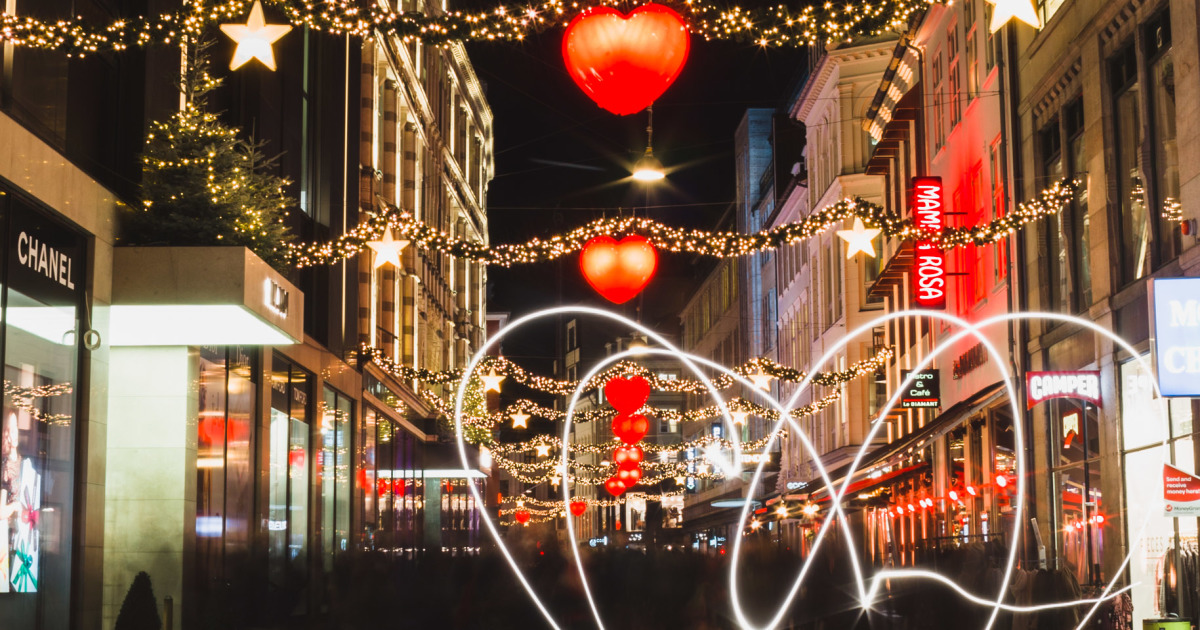
Falling Snow Under Streetlights
A Harbor at Blue Hour
Black Rocks, White Snow, and a Restless Sea
Aurora Above a Snow-Covered Cabin
Snowfall Through a Quiet Town
Composition Lessons the Winter Taught Me
Find the Foreground Before Watching the Sky
Give Snow Something to Contrast With
Choose Motion With a Purpose
Editing Without Freezing the Magic Out of the Files
What I Would Do Differently Next Time
Final Thoughts
Additional Field Experiences From the Scandinavian Winter