There is a particular kind of summer weekend that makes ordinary life feel suspiciously cinematic. The grill is smoking, somebody has brought enough watermelon for a small county, and a striped towel is draped over a chair as though a magazine stylist placed it there. Even the mosquitoes appear to have received a dress code.
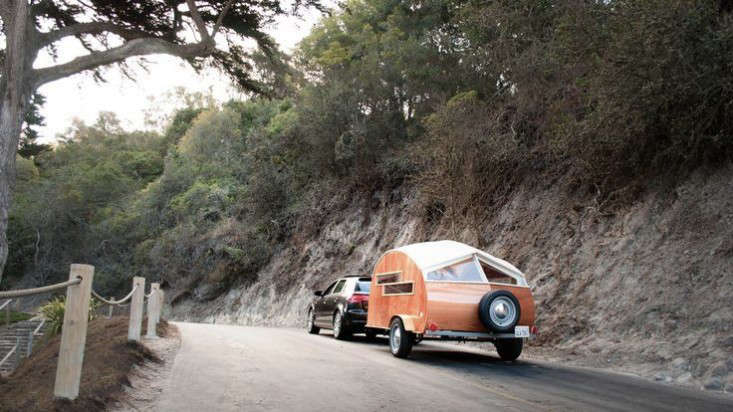
Current Obsessions: Go Fourth celebrates that easygoing version of American summer style. The phrase originally appeared as the title of a July 4, 2015, Remodelista roundup featuring prefab escapes, American-made goods, colorful wooden cutlery, vegetarian barbecue ideas, and old-fashioned marshmallow roasters. Rather than reproducing that brief list, this guide expands its spirit into a practical approach to patriotic decor, outdoor entertaining, summer food, responsible shopping, and memorable Fourth of July traditions.
What Does “Go Fourth” Mean?
“Go Fourth” is partly a holiday pun and partly a design philosophy. It suggests moving beyond predictable decorations and creating a celebration that feels personal. Red, white, and blue can certainly attend the party, but they do not need to arrive wearing matching sequined top hats.
The best modern Americana style is relaxed, layered, and connected to everyday American life. Think weathered porches, woven picnic baskets, handmade pottery, faded quilts, striped linens, enamelware, wildflowers, and food cooked outdoors. The goal is not to make your home resemble a parade float. The goal is to create a setting where people immediately feel welcome.
That distinction matters. A thoughtful Independence Day gathering is less about purchasing an entire seasonal collection and more about recognizing what already feels summery: blue glasses, white dishes, red garden flowers, vintage textiles, wooden serving boards, and chairs pulled into the shade.
Obsession One: Americana Without the Costume
Start With a Restrained Color Palette
Red, white, and blue remain one of the most recognizable patriotic color combinations, but successful rooms rarely use all three shades at equal strength. Architectural Digest has highlighted interiors in which blue and white create the foundation while smaller red details provide energy. That approach works just as well on a patio or picnic table.
Begin with a quiet base: a white tablecloth, natural wood table, cream canvas umbrella, or neutral outdoor cushions. Add navy napkins, indigo pottery, or blue-striped dish towels. Finish with restrained red accents such as tomatoes, cherries, geraniums, candleholders, or a bowl of strawberries.
This method prevents the celebration from becoming visually exhausting. Your guests should think, “What a charming table,” not, “The table appears to be running for office.”
Use Pattern and Texture Instead of Novelty Decor
Checks, ticking stripes, plaids, stars, patchwork, and handwoven textiles can evoke Americana without relying on disposable banners. Vintage quilts are especially effective because they carry color, craft, and history in one practical object. Spread one over a picnic table, use it as a lawn blanket, or hang it behind a drink station.
Natural materials also soften a patriotic palette. Rattan trays, wicker baskets, linen napkins, bamboo-handled utensils, and wooden chairs introduce texture while keeping the setting casual. Better Homes & Gardens recommends combining outdoor tables with natural materials and simple flowers rather than forcing every element to match perfectly.
Obsession Two: The American Home as a Living Timeline
American residential design has never been one single look. It includes symmetrical Federal houses, decorative Queen Anne homes, Colonial Revival buildings, Prairie School residences, modest ranch houses, rustic cabins, prefabricated kit homes, and experimental modern dwellings.
The Library of Congress notes that home styles often reflect broader historical, social, cultural, and economic movements. The National Park Service similarly documents how styles such as Greek Revival and Colonial Revival became associated with changing ideas about democracy, national identity, technology, and civic pride.
This history offers a useful lesson for contemporary decorating: Americana should feel collected rather than manufactured. A porch rocking chair can sit beside a modern metal planter. A midcentury pitcher can hold flowers on a farmhouse table. A patchwork quilt can warm a clean-lined sofa. American design has always borrowed, adapted, combined, and reinvented.
Bring the Porch Feeling Anywhere
You do not need an actual wraparound porch to create a porch atmosphere. A balcony, stoop, deck, courtyard, or corner of the yard can work. The essential ingredients are straightforward:
- Comfortable chairs arranged for conversation
- A small table for drinks and snacks
- Soft lighting from lanterns or string lights
- A basket containing blankets or extra towels
- A few hardy plants or loosely arranged flowers
Keep the arrangement flexible. Guests will move chairs, children will claim the blankets, and someone will place a lemonade glass directly on the one surface you hoped to protect. That is not a design failure. That is the space doing its job.
Obsession Three: The Great Summer Escape
The original “Go Fourth” roundup opened with the fantasy of escaping to a modern prefab retreat. The idea still feels appealing because cabins offer something many larger homes cannot: a clear invitation to slow down.
Dwell has documented numerous prefab cabins designed around modest footprints, efficient construction, large views, and close relationships with the surrounding landscape. Prefabrication is not automatically inexpensive or environmentally perfect, but its controlled construction process can support efficient material use and shorter installation periods.
Fortunately, you do not need to purchase a cabin every time you feel tired. That would create several exciting zoning conversations. Instead, borrow the cabin mindset:
- Put away unnecessary screens for an afternoon.
- Open doors and windows when weather permits.
- Eat outdoors instead of hovering near the kitchen island.
- Use simple, durable objects rather than delicate formal pieces.
- Plan one unstructured activity, such as swimming, reading, hiking, or staring heroically into the distance.
A successful holiday weekend needs breathing room. Scheduling every minute may produce an efficient celebration, but it can also make guests feel as though they have accidentally joined a corporate retreat.
Obsession Four: Better Picnic Tools
Outdoor entertaining often creates a mountain of single-use objects: plastic forks, cups, plates, bags, decorations, and serving containers. Convenience matters, especially for large gatherings, but a few thoughtful substitutions can reduce waste without requiring everyone to eat potato salad from their hands.
The U.S. Environmental Protection Agency recommends reusable food containers and notes that plastic utensils are rarely recyclable. For a smaller gathering, ordinary flatware, washable cups, cloth napkins, and lightweight enamel plates are practical choices. For a larger event, sturdy wooden or plant-based utensils may offer a more appealing alternative to brittle plastic, although disposal requirements vary by material and local waste system.
Shop More Carefully, Not More Patriotically
Independence Day promotions often feature products labeled with American imagery, but flags and stars do not prove where an item was manufactured. Under the Federal Trade Commission’s standard, an unqualified “Made in USA” claim generally means a product should be “all or virtually all” made in the United States. Qualified claims may describe a specific domestic component or manufacturing step.
Read the full label, look for clear sourcing information, and choose products you will use beyond one holiday. A durable pitcher, picnic blanket, serving tray, or set of outdoor glasses is more valuable than a novelty item that becomes emotionally irrelevant on July 5.
Obsession Five: Vegetarian Food That Deserves the Grill
Vegetarian cookout food should not be treated as an emergency side dish assembled after someone remembers that a guest does not eat meat. Summer produce responds beautifully to smoke, char, marinades, herbs, and bright sauces.
Bon Appétit and Serious Eats have both highlighted substantial meatless grilling options, including black bean burgers, charred cabbage, grilled cauliflower, zucchini, corn, potatoes, fruit, and sturdy cheeses. The common principle is to build flavor deliberately through browning, seasoning, acidity, and contrasting textures.
A Balanced Go Fourth Menu
- Main: Black bean burgers with pickled onions and smoky sauce
- Vegetable: Grilled zucchini with chimichurri
- Salad: Tomatoes, peaches, basil, and mozzarella
- Side: Charred corn with lime and herbs
- Dessert: Grilled stone fruit with vanilla ice cream
- Drink: Sparkling lemonade with berries and mint
Prepare sauces, pickles, and salads in advance. Grill the foods that benefit from being served hot, and avoid making one person spend the entire event standing over the fire like a mildly resentful blacksmith.
Keep the Cookout Safe
The USDA advises using a food thermometer because browning alone does not reliably indicate that meat or poultry is safely cooked. It also recommends keeping raw and cooked foods separate, refrigerating perishables promptly, and discarding foods left outside for more than two hoursor one hour when the temperature exceeds 90 degrees Fahrenheit.
Obsession Six: Firelight, Marshmallows, and Sensible Decisions
A fire pit extends an outdoor gathering into the evening and gives guests an activity that requires almost no explanation. Hand people roasting sticks, marshmallows, and chocolate, and they will organize themselves with remarkable efficiency.
Long, reusable roasting forks are safer and easier to control than short improvised sticks. Set up a station with marshmallows, chocolate squares, graham crackers, napkins, and a bowl for used skewers. Include sliced fruit or sandwich cookies for guests who believe the traditional s’more requires additional engineering.
Fire safety, however, is not an aesthetic suggestion. The National Fire Protection Association recommends using grills outdoors and away from structures, branches, and combustible materials. Children and pets should remain well clear of active cooking equipment and open flames.
Fireworks require even more caution. The Consumer Product Safety Commission advises keeping young children away from fireworks, maintaining a bucket of water or hose nearby, and soaking used devices before disposal. The safest choice is often attending a professional public display rather than attempting to transform the driveway into a launch facility.
Obsession Seven: A Table That Looks Effortless
The secret of effortless entertaining is that somebody usually made several decisions in advance. Fortunately, those decisions do not need to be complicated.
Choose one anchor element, such as a striped cloth, blue plates, a wooden table, or a group of red flowers. Build the rest of the setting around it. Mix dishes that share a color family instead of using a perfectly matched set. Place flowers in several small bottles or bud vases so guests can see one another across the table.
Set up food in a logical sequence: plates first, main dishes next, sides and sauces afterward, utensils and napkins last. Put beverages on a separate table to prevent a traffic jam near the food. Label vegetarian dishes and common allergens. Place a visible trash container and recycling bin nearby, because guests are far more responsible when responsibility does not involve a scavenger hunt.
Outdoor spaces should support multiple activities. Better Homes & Gardens suggests treating patios as flexible rooms for relaxing, dining, gardening, and entertaining. A potting bench can become a buffet, a garden cart can hold drinks, and a side table can become a dessert station.
Obsession Eight: Displaying the American Flag Respectfully
The flag can be a meaningful part of an Independence Day celebration, but it should be displayed thoughtfully rather than treated as disposable party material.
The U.S. Flag Code identifies Independence Day as one of the occasions on which the flag is especially appropriate for display. It generally describes outdoor display from sunrise to sunset, while allowing nighttime display when the flag is properly illuminated. The code also states that the flag should not touch the ground, floor, water, or objects beneath it.
Use bunting, ribbons, printed napkins, or abstract red-white-and-blue patterns for table decorations. Reserve an actual flag for respectful display. This approach is simpler, more dignified, and far less likely to result in a paper plate bearing the national emblem being found beneath a scoop of baked beans.
Why the “Current Obsessions” Approach Works
A traditional decorating guide often attempts to present one finished look. A collection of current obsessions is more flexible. It allows a celebration to grow from several small interests: a particular color, a useful picnic tool, a regional recipe, a vintage chair, an architectural idea, or a new outdoor ritual.
This approach also encourages slower consumption. Instead of buying a complete theme, you can identify a few details that genuinely improve the gathering. Perhaps this year’s obsession is indigo linen. Next year it may be grilled peaches, handmade ceramics, portable lanterns, or antique camp stools.
The result feels more authentic because it reflects real curiosity. Homes and celebrations become memorable through repeated use, adaptation, and storiesnot because every object arrived in one delivery box on the same afternoon.
Conclusion: Go Fourth in Your Own Style
Current Obsessions: Go Fourth is ultimately an invitation to make summer entertaining simpler and more personal. Borrow the colors of Americana without turning your home into a costume. Learn from the variety of American architecture. Choose durable picnic equipment, cook vegetables with confidence, display the flag respectfully, and treat fire safety as more important than getting the perfect photograph.
The most successful Fourth of July gathering does not depend on a flawless table or an ambitious menu. It depends on comfort, conversation, good food, enough shade, and the feeling that nobody needs to rush home. Add a little music, a bowl of cold cherries, and a place to watch the evening sky. The holiday will handle the rest.
A Composite Go Fourth Weekend Experience
The following scene is a composite of common summer-hosting experiences rather than a claim of personal attendance. It illustrates how the ideas in this guide can work together in an ordinary home.
The day begins with the discovery that the outdoor table is slightly less charming than remembered. It is dusty, one leg is suspicious, and a spider has established what appears to be a long-term lease beneath it. After a quick cleaning and a strategic piece of folded cardboard, the table is ready for service.
A white cotton cloth creates a neutral base. Navy napkins, mismatched blue plates, and three small jars of red garden flowers supply the patriotic colors. Nothing is printed with “Happy Fourth,” which means everything can be used again. A faded quilt is spread beneath a tree, and a basket of sunscreen, bug repellent, and extra towels is placed near the door.
Food preparation is intentionally modest. Black bean burgers were shaped the night before. Corn, zucchini, and peaches wait beside the grill. Pickled onions and chimichurri are already refrigerated. Guests bring potato salad, lemonade, and enough chips to survive an unexpected regional shortage.
The first arrivals immediately ignore the carefully arranged chairs and move them into a circle. This improves the layout. Children run through the sprinkler while the adults discuss the weather as though they personally negotiated it. The grill cook uses separate utensils for raw and cooked food, checks temperatures, and actually sits down after serving dinneran Independence Day miracle.
The vegetarian burgers develop crisp edges, while grilled zucchini absorbs the sharp, herby sauce. Corn disappears first. The peaches soften over the heat and later arrive beneath melting ice cream. A guest who claimed not to like cooked fruit asks for seconds and quietly revises a lifelong position.
As the light fades, battery lanterns illuminate the table. The American flag remains properly mounted near the porch rather than appearing on disposable plates or tablecloths. Children receive glow sticks instead of handheld fireworks, and the group plans to watch the town’s professional display from a safe distance.
Before the fireworks begin, everyone gathers around the fire pit. Long roasting forks keep marshmallows away from fingers, although they cannot protect them from enthusiastic over-toasting. One marshmallow catches fire and becomes a tiny torch. It is calmly extinguished, proving that not every dramatic moment needs to become family folklore.
The evening ends without a formal announcement. Some guests remain near the fire, others lie on the quilt, and a few begin stacking plates. Leftovers return to the refrigerator before they spend too long in the summer heat. Reusable dishes create extra washing, but considerably less trash.
Nothing about the gathering is perfect. The table wobbles, a napkin blows into the yard, and the lemonade runs out earlier than expected. Yet the experience feels complete because the design served the people rather than demanding attention from them. That is the real spirit of “Go Fourth”: choose useful beauty, leave room for improvisation, and allow an ordinary summer evening to become the tradition everyone requests again next year.
Note: The experience section is an illustrative composite created for this article and is not presented as the author’s personal experience.