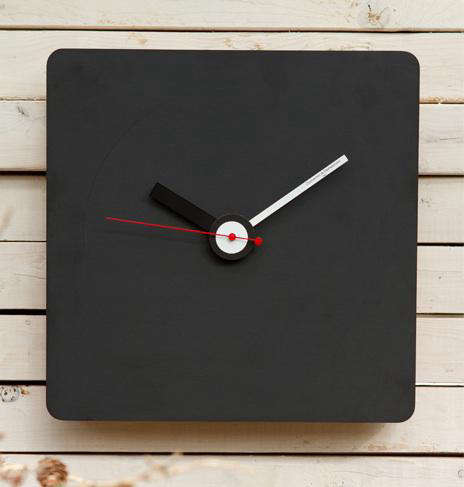
Some home accessories politely sit in the corner and say, “Please admire me from a respectful distance.” A chalkboard clock is not one of them. It hangs on the wall, tells time, takes messages, hosts grocery lists, reminds someone to buy lemons, and may even become the unofficial family comedy board. That is exactly why the idea behind Accessories: Chalkboard Clock at Terrain still feels charming: it blends the usefulness of an analog wall clock with the casual, handwritten personality of a chalkboard.
Terrain, known for nature-inspired home, garden, and gathering pieces, has long appealed to shoppers who like accessories with a slightly rustic, artful, “found at a beautiful weekend market” feeling. A chalkboard clock fits that world perfectly. It is not just a timepiece. It is a small command center, a kitchen helper, a decorative accent, and a gentle rebellion against the icy glow of digital screens. In an era when everyone checks the time on a phone and then accidentally loses 17 minutes to notifications, an analog clock with a writable surface feels refreshingly human.
This article explores why a chalkboard clock works so well, where to use it, how to style it, how to care for the chalkboard surface, and why this humble accessory deserves more attention than the average wall clock. Spoiler: it may not make you more punctual, but it will make being late look more stylish.
What Is a Chalkboard Clock?
A chalkboard clock is exactly what it sounds like: a clock combined with a writable chalkboard surface. Depending on the design, the board may surround the clock face, sit beneath it, frame it like a memo panel, or include space for notes, menus, reminders, doodles, and labels. Some versions include a chalk holder or eraser slot, because apparently even home accessories understand that small objects disappear into another dimension the moment you need them.
The classic appeal comes from contrast. The clock provides structure: numbers, hands, rhythm, schedule. The chalkboard provides freedom: handwriting, sketches, last-minute dinner plans, birthday reminders, or a cheerful “Do not forget the dog food” written with theatrical urgency. Together, they create a piece that is both decorative and practical.
Why the Chalkboard Clock at Terrain Stands Out
The phrase Chalkboard Clock at Terrain has a very specific design energy. It suggests something warmer than a standard office clock and more useful than a purely decorative wall plaque. Terrain’s style often leans into natural textures, garden living, artisan charm, and pieces that make indoor spaces feel connected to outdoor life. In that context, a chalkboard clock feels like a natural fit: tactile, simple, a little nostalgic, and easy to imagine in a kitchen filled with herbs, baskets, ceramics, and sunlight.
Unlike sleek digital clocks, a chalkboard clock does not try to disappear. It becomes part of the daily routine. In a kitchen, it can display the dinner menu. In an entryway, it can remind everyone about soccer practice, dry cleaning, or the mysterious package that must be returned before the deadline. In a mudroom, it can become a family message board. In a home office, it can hold a short priority list that is harder to ignore than another tab on your browser.
The Design Appeal: Rustic, Functional, and Friendly
The best home accessories do more than fill empty space. They create a feeling. A chalkboard clock does this with a blend of texture, contrast, and informality. The dark chalkboard surface can ground a wall visually, while white chalk marks add brightness and movement. If the frame is wood, metal, or distressed material, the piece can feel farmhouse, industrial, cottage, vintage, or garden-inspired depending on the surrounding decor.
It Adds Texture Without Clutter
Texture is one of the secrets to a room that feels finished. A chalkboard surface has a soft matte quality that contrasts beautifully with glossy tile, painted cabinets, glass jars, stainless steel appliances, and ceramic dishes. It gives the eye a place to rest without making the wall feel flat.
It Makes Organization Look Intentional
Most organizational tools are not exactly glamorous. A sticky note stuck to a cabinet can look like panic wearing neon yellow. A chalkboard clock, however, turns reminders into decor. Grocery lists, meal plans, and appointment notes suddenly look like part of the design rather than evidence that Tuesday is winning.
It Feels Personal
A handwritten note instantly makes a room feel lived in. The handwriting does not have to be perfect. In fact, slightly imperfect chalk lettering can look warmer than polished typography. A chalkboard clock invites participation from everyone in the home, including the person who insists on drawing tiny stars around every reminder.
Best Places to Use a Chalkboard Clock
A chalkboard wall clock can work in many rooms, but it shines brightest in spaces where time and reminders matter. That usually means kitchens, entryways, mudrooms, home offices, laundry rooms, and family rooms.
Kitchen
The kitchen is the natural habitat of the chalkboard clock. Use it to write the weekly menu, jot down missing pantry items, note oven times, or leave a message like “Soup in fridge” so nobody opens every container like a detective in a low-budget mystery. A chalkboard clock works especially well near a pantry, breakfast nook, coffee station, or command center wall.
Entryway or Mudroom
In an entryway, the clock helps everyone check the time before leaving, while the chalkboard surface can hold reminders such as “Bring umbrella,” “Library books,” or “Keys are not optional.” Pair it with hooks, a small bench, baskets, and a tray for mail to create a practical drop zone.
Home Office
A chalkboard clock in a home office can make work feel more grounded. Use the writing area for three daily priorities, meeting times, or a simple phrase that keeps you focused. It is more charming than a digital timer and less bossy than a productivity app that sends notifications with the emotional warmth of a parking ticket.
Kids’ Room or Homework Area
For children, an analog clock paired with a writable surface can help teach time management. The board can show homework tasks, reading goals, or a simple after-school routine. It also gives kids a safe place to draw on the wall, which is a sentence every parent wants to hear with conditions attached.
How to Style a Chalkboard Clock
Styling a chalkboard clock is about balance. Because the dark surface can be visually strong, it looks best when paired with lighter textures, natural materials, or clean spacing around it.
Pair It With Natural Materials
Terrain-inspired styling works beautifully with wood shelves, woven baskets, stoneware, linen towels, terra-cotta pots, and fresh herbs. A chalkboard clock above a small console table with a vase of branches can look casual and thoughtful without trying too hard.
Create a Kitchen Command Center
Hang the chalkboard clock near a calendar, mail sorter, key hooks, or small shelf. The clock becomes the visual anchor, while the surrounding tools handle everyday clutter. Keep the palette simple so the wall feels organized rather than like the family schedule exploded.
Use Seasonal Notes
One of the joys of chalkboard decor is that it changes easily. In spring, write “Plant basil.” In summer, write “Lemonade counts as hydration.” In fall, write the soup of the week. In winter, write “Buy batteries,” because every holiday decoration apparently requires a battery size nobody owns.
Chalkboard Clock Versus Regular Wall Clock
A regular wall clock tells time. A chalkboard clock tells time and also tells someone to pick up oat milk. That is the difference.
Traditional clocks are useful, but many are purely decorative. A chalkboard clock adds a layer of interaction. It is ideal for households that need visible reminders, families with rotating schedules, cooks who like menu planning, or anyone who enjoys decor that changes with the day. It can be especially helpful in screen-free zones, where checking the time on a phone can lead to accidental scrolling.
The only downside is maintenance. Chalk dust, smudges, and ghosting can happen if the board is used heavily. But with basic care, the surface remains attractive and functional.
How to Care for a Chalkboard Clock
A chalkboard surface is easy to love, but it appreciates a little attention. Before writing on a new chalkboard surface, many DIY experts recommend conditioning it by rubbing the side of a piece of chalk over the entire writable area and then erasing it. This helps reduce permanent-looking first marks and gives the surface a more even writing base.
For daily cleaning, use a soft eraser or dry microfiber cloth. For deeper cleaning, wipe gently with a slightly damp cloth and let the surface dry before writing again. Avoid soaking the board, especially if the clock includes wood or fiberboard. Moisture and clock mechanisms are not best friends; they are more like awkward neighbors.
Be cautious with chalk markers. Some liquid chalk markers are designed for nonporous surfaces and may stain traditional chalkboard paint or porous boards. Test in a small corner first. Regular chalk is safer for most surfaces and gives the classic soft look people expect from chalkboard decor.
Chalkboard Paint, Chalk Paint, and Why the Difference Matters
One common source of confusion is the difference between chalkboard paint and chalk paint. Chalkboard paint creates a writable surface that can be used with chalk. Chalk paint, on the other hand, is a decorative matte paint often used on furniture for a soft, vintage-style finish. It may look chalky, but it is not meant to function as a writing board.
If you are buying a chalkboard clock, look for a surface described as writable, erasable, or chalkboard-compatible. If you are making a DIY version, use actual chalkboard paint or a board designed for chalk use. This detail matters unless your goal is a permanently labeled wall accessory, in which case congratulations: you have invented regret with a frame.
DIY Inspiration: Making Your Own Chalkboard Clock
If the original Terrain chalkboard clock is hard to find, the concept is still easy to recreate. Start with a framed chalkboard or a painted wood panel. Add a clock movement kit, which typically includes hands, a motor, and mounting hardware. Mark the center carefully, drill a hole for the clock shaft, install the mechanism, and add numbers or tick marks if desired.
For a more polished look, choose a frame that matches your decor. A natural wood frame feels warm and rustic. A black metal frame leans industrial. A whitewashed frame feels cottage-inspired. You can also attach a tiny ledge for chalk or a small clip for notes. The result can be simple, affordable, and completely customized.
Just remember: measure twice, drill once, and do not eyeball the clock hands unless you enjoy explaining why noon is slightly northeast.
Who Should Buy a Chalkboard Clock?
A chalkboard clock is a great choice for people who like functional decor. It suits busy families, meal planners, teachers, gardeners, home cooks, remote workers, and anyone who appreciates analog charm. It is especially useful for people who want a command center but do not want their wall to look like a corporate logistics board.
It is also a smart accessory for small spaces. In an apartment kitchen, one piece can replace a separate clock, memo board, and decorative sign. In a rental, a removable or lightweight version can add personality without major changes. In a farmhouse-style kitchen, it reinforces the handmade look. In a modern kitchen, it adds contrast and warmth.
Buying Tips for a Chalkboard Clock
Before buying a chalkboard clock, consider size, readability, surface quality, mounting method, and sound. A clock should be easy to read from across the room. If the hands blend into the board, it may look stylish but fail at its one job. Choose high-contrast hands and clear numbers if function matters.
Check whether the clock ticks audibly or uses a silent movement. In a kitchen, ticking may not matter. In a bedroom, office, or study area, a loud clock can become the villain of the room. Also look at how the piece mounts. A heavier clock needs secure hardware, especially if it will be used daily for writing and erasing.
Finally, pay attention to the chalkboard material. A smooth, erasable surface will be easier to maintain than a rough board that traps chalk dust. If the product includes chalk, an eraser, or a holder, that is a bonus. If not, keep accessories nearby so the clock does not become one more beautiful thing nobody uses.
Why This Accessory Still Feels Relevant
The chalkboard clock remains relevant because it solves a modern problem in an old-fashioned way. We have endless digital tools for reminders, calendars, and alarms, yet many households still benefit from a visible note in a central location. A chalkboard clock does not require charging, syncing, updating, or remembering a password. It simply hangs on the wall and does its job.
There is also a growing appreciation for home accessories with character. People are moving away from sterile, overly perfect interiors and toward spaces that feel layered, personal, and warm. A chalkboard clock brings a little imperfection into the room, and that is part of its charm. The handwriting changes. The notes change. The doodles appear and disappear. The clock stays steady through all of it.
Experience Section: Living With a Chalkboard Clock
Using a chalkboard clock in real life feels different from simply admiring it online. The first thing you notice is how quickly it becomes part of the household rhythm. At first, you may write practical things: “Dentist 3 PM,” “Buy eggs,” “Trash night.” Then, slowly, the board starts collecting personality. Someone adds a smiley face. Someone else writes “Pizza?” with the confidence of a campaign slogan. A guest leaves a tiny drawing. Before long, the clock is not just an accessory; it is a public square for everyday domestic nonsense, which is honestly one of the finest forms of home decor.
In the kitchen, the chalkboard clock works best when placed where people naturally pause. Near the coffee maker is a strong choice because everyone eventually visits the coffee zone, sometimes with the expression of a Victorian ghost. A reminder written there has a better chance of being seen. Near the pantry also works well because grocery notes happen naturally in that area. When someone uses the last of the rice, they can write it down immediately instead of trusting memory, that unreliable little intern.
One practical experience is that short notes work better than long ones. A chalkboard clock is not the place for a full family newsletter. It is best for quick, visible messages: “Soup tonight,” “Call Mom,” “Water herbs,” “Game at 6,” or “Do not eat cake.” The last one may be ignored, but at least the board tried.
The chalk itself matters more than expected. Cheap dusty chalk can look charming, but it may leave a mess if the board is used constantly. Dustless chalk or high-quality school chalk often writes more smoothly. Chalk markers look crisp and modern, but they should be tested first because some surfaces stain. For everyday use, regular white chalk is the safest and most classic option. Colored chalk is fun for headings, seasonal notes, or children’s drawings, but too many colors can make the board look chaotic. A little color goes a long way.
Cleaning becomes a tiny ritual. A dry eraser handles daily changes, while a damp cloth refreshes the board when it starts looking cloudy. The surface will never look perfectly new forever, and that is not a flaw. A lightly seasoned chalkboard has character, like a well-used cutting board or a favorite cookbook with a suspicious amount of flour in the spine. The goal is not perfection. The goal is usefulness with charm.
The biggest surprise is how a chalkboard clock can reduce small household friction. Instead of shouting reminders across rooms, people can point to the board. Instead of asking “What’s for dinner?” six times, they can read the menu. Instead of forgetting appointments, keys, or library books, the reminder sits beside the clock, quietly judging everyone. In the nicest possible way, of course.
A chalkboard clock also encourages a slower kind of attention. Writing something by hand feels more deliberate than typing it into an app. Checking an analog clock feels calmer than unlocking a phone. In a busy home, that small shift can be meaningful. It turns a plain wall into a place of rhythm, memory, and communication. That is why the chalkboard clock concept associated with Terrain remains appealing: it is decorative, useful, flexible, and a little bit playful. It makes time visible, but it also makes daily life visible. And daily life, with all its grocery lists, doodles, and reminders, is usually the most interesting design story in the house.
Conclusion
Accessories: Chalkboard Clock at Terrain is more than a product idea; it is a reminder that the best home accessories earn their space. A chalkboard clock tells time, organizes thoughts, adds texture, and gives a wall personality. It fits beautifully in kitchens, mudrooms, home offices, and family command centers. It can look rustic, modern, farmhouse, industrial, or cottage-inspired depending on how it is styled.
Most importantly, it invites interaction. A regular clock is useful. A chalkboard clock is useful and talkative. It can hold reminders, menus, sketches, and tiny household jokes. It turns organization into decor and makes daily routines feel a little more charming. For anyone who loves Terrain-style accessories, garden-inspired living, and practical design with personality, the chalkboard clock is a small piece with big staying power.