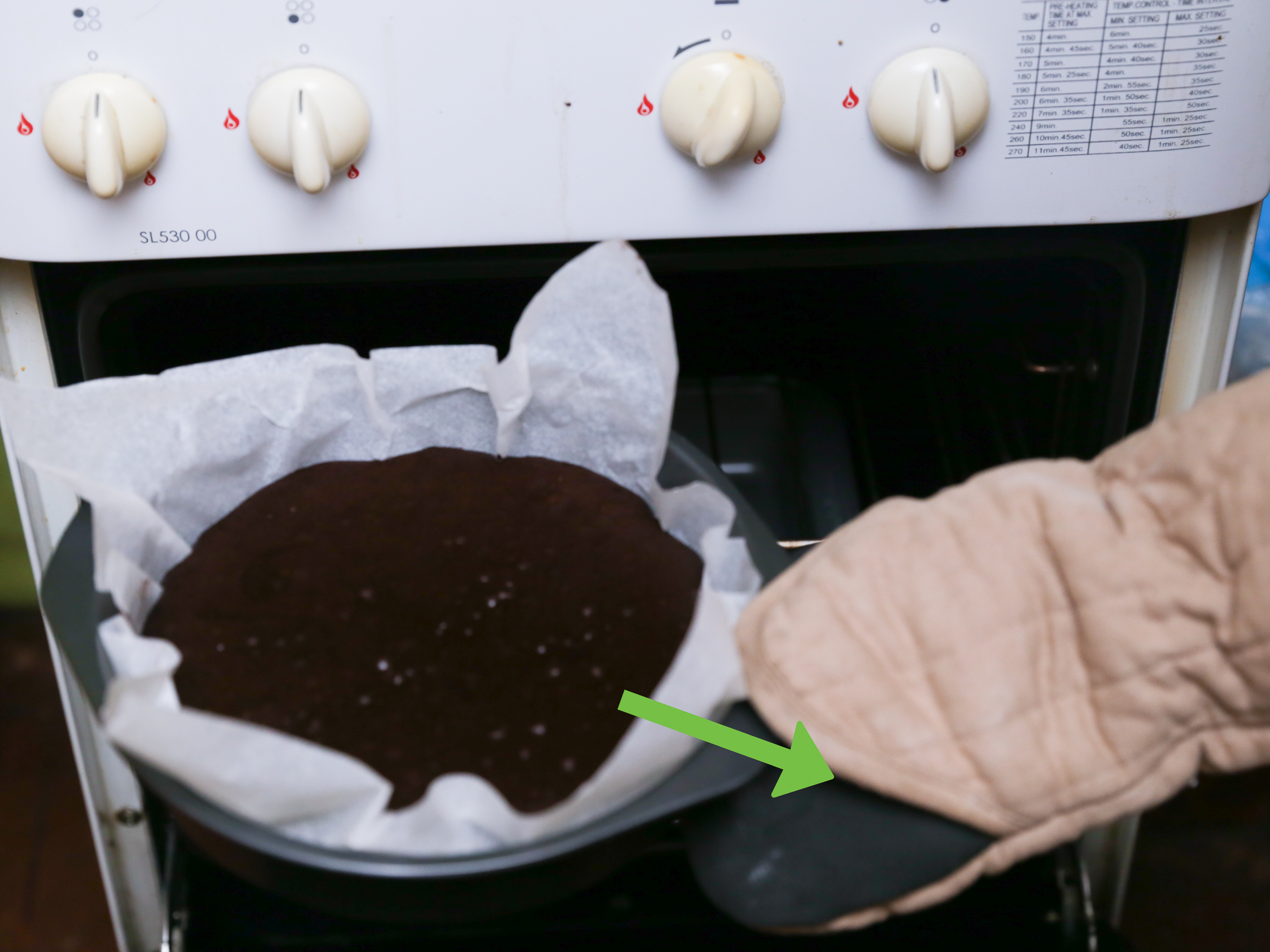
If chocolate cake had a superpower, it would be this: it can make an ordinary Tuesday feel suspiciously close to a birthday. The good news is that you do not need a culinary degree, a dramatic apron, or a pantry stocked like a television baking set to make one. A simple chocolate cake can be easy, reliable, and deeply satisfying if you understand a few basics: use good cocoa, do not overmix, do not overbake, and let chocolate do what chocolate does bestshow off.
This guide walks you through three easy ways to make a simple chocolate cake: a classic one-bowl cake for everyday cravings, a no-fuss sheet cake for feeding more people, and a quick mug cake for those moments when patience has left the building. Along the way, you will also get practical baking tips, flavor upgrades, frosting shortcuts, and real-world advice for beginners who want a homemade dessert without turning the kitchen into a flour-covered crime scene.
Whether you want a casual weeknight dessert, a beginner-friendly birthday cake, or just an excuse to buy more cocoa powder, these methods keep things simple while still delivering rich chocolate flavor, a moist crumb, and the kind of aroma that makes people wander into the kitchen “just to check.” Sure. That is definitely why they are there.
Why Simple Chocolate Cake Works So Well
The best easy chocolate cake recipe is not the one with the most ingredients. It is the one that gives you dependable results with pantry staples. Most simple chocolate cakes rely on a familiar group of ingredients: flour, sugar, cocoa powder, baking soda or baking powder, eggs, oil or butter, milk or sour cream, vanilla, and hot water or coffee. That combination creates the magic most home bakers are after: a tender cake with a strong chocolate flavor and a texture that stays moist instead of turning into edible drywall.
Chocolate cake is also forgiving. Unlike more delicate cakes, it does not demand perfect decoration or laser-level layers to taste fantastic. A dusting of powdered sugar, a shiny ganache, a quick cocoa frosting, or even no frosting at all can still leave you with a dessert that feels complete. That is part of the charm. Chocolate cake is not trying to impress you with a complicated backstory. It just wants to be delicious.
Way #1: Make a Classic One-Bowl Chocolate Cake
If you are new to baking, this is the method to start with. A one-bowl chocolate cake is easy, quick, and merciful on cleanup. It is the kind of recipe you can make without hauling every mixing tool you own onto the counter.
Best for
Birthdays, family dessert, casual gatherings, and beginners who want a dependable homemade cake.
What you need
- 1 3/4 cups all-purpose flour
- 2 cups granulated sugar
- 3/4 cup unsweetened cocoa powder
- 1 1/2 teaspoons baking powder
- 1 1/2 teaspoons baking soda
- 1 teaspoon salt
- 2 eggs
- 1 cup milk
- 1/2 cup vegetable oil
- 2 teaspoons vanilla extract
- 1 cup hot water or hot brewed coffee
How to make it
- Preheat the oven to 350°F. Grease two 8-inch round pans or one 9-by-13-inch pan.
- Whisk together the flour, sugar, cocoa powder, baking powder, baking soda, and salt in a large bowl.
- Add the eggs, milk, oil, and vanilla. Mix just until combined.
- Slowly stir in the hot water or coffee. The batter will look thin. That is normal, not a crisis.
- Pour into the prepared pan or pans.
- Bake for about 30 to 35 minutes for round pans or 35 to 40 minutes for a 9-by-13-inch cake.
- Cool before frosting.
Why this method is so reliable
Oil helps keep the crumb soft and moist. Hot liquid blooms the cocoa and deepens the chocolate flavor. Coffee does not make the cake taste like a latte; it simply boosts the chocolate. If you are worried about that, use hot water instead. Your cake will still be rich and lovely.
For frosting, keep it simple. A basic chocolate buttercream works beautifully, but whipped ganache or even a dusting of powdered sugar can turn this into a complete dessert. If you want a little more flair, add chocolate chips, rainbow sprinkles, or fresh berries on top. Suddenly, your “simple cake” looks like it got promoted.
Way #2: Bake an Easy Chocolate Sheet Cake
Sometimes you do not need a layer cake. Sometimes you need a cake that is easy to transport, easy to slice, and easy to serve to a crowd without starting a conversation about structural engineering. That is where the simple chocolate sheet cake comes in.
Best for
Potlucks, school events, office parties, weekend baking, and anyone who prefers low drama and high chocolate output.
What you need
- 2 cups all-purpose flour
- 2 cups sugar
- 3/4 cup cocoa powder
- 2 teaspoons baking soda
- 1 teaspoon salt
- 2 eggs
- 1 cup buttermilk
- 1/2 cup vegetable oil
- 1 teaspoon vanilla extract
- 1 cup hot coffee or hot water
How to make it
- Preheat your oven to 350°F and grease a 9-by-13-inch pan.
- Whisk the dry ingredients in a large bowl.
- Add the eggs, buttermilk, oil, and vanilla, then mix until smooth.
- Stir in the hot coffee or water last.
- Pour the batter into the pan and bake for 32 to 38 minutes.
- Cool slightly and frost directly in the pan.
Why sheet cake is a smart move
This method is wonderfully practical. Buttermilk adds a gentle tang and helps create a tender texture. The single pan keeps things simple, and frosting the cake in the same pan means you do not need to stack, fill, chill, or whisper motivational speeches to unstable layers.
You can also customize a sheet cake with almost no extra effort. Add mini chocolate chips to the batter, top it with chopped pecans, or finish with a quick cocoa frosting poured over the warm cake. If you like nostalgic desserts, this is the style that often tastes the most like home. It is casual, cozy, and unconcerned with perfectionbasically the sweatpants of cake, but in the best possible way.
Way #3: Make a Quick Chocolate Mug Cake
There are times when baking a full cake is delightful. There are also times when you want chocolate cake in under ten minutes and would prefer not to have leftovers staring at you like an invitation. A chocolate mug cake solves that problem beautifully.
Best for
Single servings, late-night cravings, dorm rooms, small kitchens, and emergency chocolate situations.
What you need
- 4 tablespoons all-purpose flour
- 2 tablespoons cocoa powder
- 2 to 3 tablespoons sugar
- 1/4 teaspoon baking powder
- Pinch of salt
- 3 tablespoons milk
- 2 tablespoons oil
- 1/4 teaspoon vanilla extract
- 1 tablespoon chocolate chips, optional but highly recommended
How to make it
- In a microwave-safe mug, whisk together the flour, cocoa powder, sugar, baking powder, and salt.
- Add the milk, oil, and vanilla. Stir until smooth.
- Fold in chocolate chips if using.
- Microwave for 60 to 90 seconds, depending on your microwave.
- Let it sit for a minute before eating so you do not discover lava the hard way.
Why mug cake is worth knowing
A mug cake is not trying to replace a beautifully frosted birthday cake. It is trying to save your Tuesday night. It is fast, portion-friendly, and shockingly satisfying when made well. The key is not to overcook it. A mug cake should be soft and slightly fudgy, not dry and rubbery. If it looks almost done, stop early. Residual heat will finish the job.
Simple Tips for a Better Chocolate Cake Every Time
Use the right cocoa powder
Natural cocoa powder and Dutch-process cocoa are not always interchangeable. If the recipe is built around one type, try to stick with it. Natural cocoa tends to taste brighter and more acidic, while Dutch-process cocoa gives a darker color and mellower flavor.
Do not overmix
Once the wet and dry ingredients come together, mix only until combined. Overmixing can make the cake tougher than it needs to be. This is cake, not an upper-body workout.
Do not overbake
Chocolate cake keeps baking for a bit after it comes out of the oven. Pull it when the center looks set and a tester comes out with a few moist crumbs instead of bone-dry silence.
Let hot liquid do its job
Hot water or coffee helps dissolve and bloom the cocoa, which creates fuller chocolate flavor. It can make a simple cake taste much more impressive than the ingredient list suggests.
Cool before frosting
If you frost a hot cake, the frosting will melt and slide around like it is trying to escape. Let the cake cool first unless you are intentionally making a warm glaze situation.
Easy Frosting and Topping Ideas
Not every chocolate cake needs a grand finale, but a little topping never hurts. Here are a few easy options:
- Chocolate buttercream: Great for layer cakes and birthdays.
- Ganache: Heat cream, pour it over chopped chocolate, stir, and suddenly you look very accomplished.
- Powdered sugar: Minimal effort, maximum charm.
- Whipped cream and berries: Lightens up a rich cake beautifully.
- Ice cream: Not technically frosting, but nobody will complain.
Conclusion
When it comes to making a simple chocolate cake, you really have options for every mood and every schedule. The classic one-bowl cake is the dependable all-rounder, the sheet cake is your crowd-pleasing workhorse, and the mug cake is the speedy hero for one-person dessert emergencies. Each approach proves the same delicious point: chocolate cake does not have to be complicated to be memorable.
The real secret is not fancy technique. It is understanding a few basics, choosing the version that fits your day, and trusting that simple ingredients can still create something rich, moist, and genuinely special. In other words, chocolate cake is here to support your happiness, one slice at a time.
Real-Life Chocolate Cake Experiences: What Beginners Usually Learn
One of the most common experiences people have when making chocolate cake for the first time is surpriseusually the pleasant kind. Many beginners expect homemade cake to be complicated, fussy, and loaded with mysterious pastry-chef rituals. Then they mix a thin chocolate batter, worry that they have ruined everything, slide the pan into the oven, and discover thirty minutes later that the kitchen smells like victory. Chocolate cake has a way of making people feel more skilled than they thought they were, and honestly, that is part of its charm.
Another very real experience is learning that “simple” does not mean “careless.” New bakers often find out that small habits matter. Measuring flour too heavily can make a cake dense. Baking five minutes too long can dry it out. Frosting before the cake cools can create a chocolate landslide. None of these mistakes are tragic, but they are memorable. Ask enough home bakers, and nearly all of them have a story about a cake that stuck to the pan, cracked in the middle, or looked slightly chaotic but still tasted amazing. Chocolate cake is generous that way. Even when it is not pretty, it is often still dessert, and dessert still wins.
People also learn quickly that texture is deeply personal. Some want a fluffy, tender crumb that feels light enough for a second slice. Others want a dark, moist, almost fudgy cake that borders on brownie territory. That is why the “three ways” approach matters so much. A layer cake feels celebratory. A sheet cake feels comforting and practical. A mug cake feels immediate and personal, like a private little reward after a long day. Different cakes fit different moments, and that flexibility makes chocolate cake feel less like a recipe and more like a kitchen skill you can actually use.
For families, making a simple chocolate cake often becomes a small ritual. Kids like whisking cocoa, sneaking chocolate chips, and licking the spatula when no one is looking, which is to say, while everyone is definitely looking. Adults like that the recipe is forgiving enough to make with distractions, background music, and a sink that somehow fills with dishes even when the recipe promised to be “one bowl.” These experiences matter because they turn baking from a task into a memory. A simple chocolate cake is rarely just about sugar and cocoa. It is about birthdays, rainy afternoons, last-minute celebrations, and the deeply human desire to eat something comforting while still warm.
And then there is the moment every baker remembers: slicing into the cooled cake and seeing that soft, dark crumb. Maybe the frosting is a little uneven. Maybe the corners are not perfect. Maybe the top cracked and had to be strategically hidden with extra icing. But once people take a bite, perfection suddenly feels much less important. The usual response is not, “This has textbook geometry.” It is, “Wow, this is really good.” That is the experience worth chasing. Not a flawless cake, but a delicious one. A cake that gets eaten. A cake that gets requested again. A cake that reminds you homemade food does not need to be complicated to feel special.