If baking had a love language, it would probably be precision with a side of butter. You can absolutely make great cookies, cakes, muffins, and bread without turning your kitchen into a pastry school supply closet, but a few smart tools make the entire process easier, cleaner, and far less dramatic. Fewer collapsed cakes. Fewer mystery cookies that somehow come out both pale and overbaked. Fewer moments where you stare into a bowl of sticky dough and wonder how your life got here.
The good news is that you do not need every shiny gadget marketed to home bakers. What you do need is a reliable core set: tools that help you measure accurately, mix efficiently, bake evenly, and cool or decorate with less stress. The best baking tools are not always flashy. In fact, many of the real heroes are humble: a scale, a whisk, a cooling rack, a sheet pan, and a spatula that actually reaches the corner of the bowl.
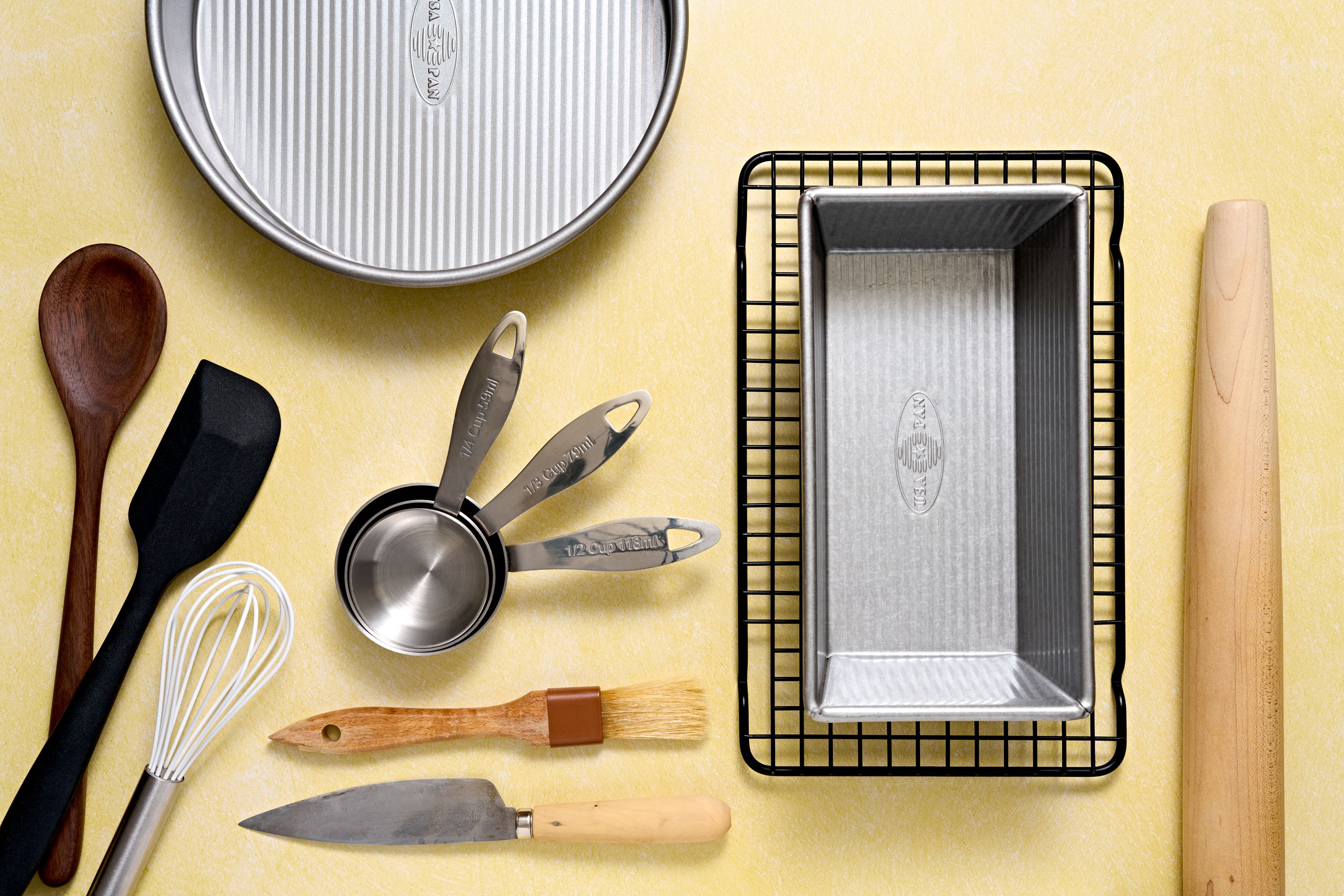
This guide breaks down the 22 essential baking tools worth having in your kitchen, why each one matters, and how they help with everyday baking projects. Whether you are just getting started or finally upgrading from a drawer full of mismatched measuring spoons and one suspiciously warped cookie sheet, these are the baking essentials that earn their keep.
Why the Right Baking Tools Matter
Baking is less forgiving than everyday cooking. In a soup, you can eyeball a little extra broth and call it rustic. In baking, a small measurement mistake can change texture, rise, browning, and flavor. The right tools help you control those variables. They give you accuracy when measuring flour, consistency when portioning batter, and better results when your oven decides to behave like a moody theater kid.
Good baking tools also improve the experience. They cut down on mess, shorten prep time, and make the whole process more fun. That matters because people bake more often when it feels doable. And the more often you bake, the faster you learn the little instincts that recipes cannot fully teach, like when pie dough feels ready, when cake batter has been mixed enough, or when cookies should come off the pan before they turn into sweet roofing tiles.
The 22 Essential Baking Tools Every Home Baker Needs
1. Digital Kitchen Scale
If you buy only one new baking tool, make it a digital kitchen scale. Measuring by weight is the easiest way to improve your baking because flour, sugar, cocoa, and other ingredients can vary wildly when measured by cups. A scale gives you consistency, which means your muffins stop playing roulette and your bread dough stops changing personality from batch to batch.
It also speeds things up. You can tare the bowl, add ingredients one by one, and avoid washing half your cabinet afterward. That alone deserves applause.
2. Dry Measuring Cups
Even if you love your scale, dry measuring cups still matter. They are useful when working from older family recipes, quick everyday bakes, or ingredient add-ins that do not need extreme precision. A sturdy set with clearly marked sizes is worth having for flour, oats, chocolate chips, and chopped nuts.
3. Liquid Measuring Cups
Liquid measuring cups are not the same thing as dry measuring cups, no matter what your inner optimist says at 9 p.m. before making banana bread. A good glass or clear plastic cup with printed markings and a pour spout helps you measure milk, oil, water, and vanilla cleanly and accurately. Being able to set it on the counter and read the lines at eye level makes a real difference.
4. Measuring Spoons
Salt, baking powder, baking soda, yeast, cinnamon, and extracts do not forgive sloppy measuring. That is why a full set of measuring spoons is nonnegotiable. Look for a set with narrow enough spoons to fit into spice jars and clear labels that will not fade after two enthusiastic dishwasher cycles.
5. Mixing Bowls
You need mixing bowls in multiple sizes because baking has a sneaky way of using all of them at once. A large bowl for dough or cake batter, a medium one for dry ingredients, and a smaller one for eggs, glaze, or melted butter will cover most projects. Stainless steel bowls are light and durable, while glass bowls are handy when you want to see what is happening.
6. Balloon Whisk
A balloon whisk is one of those simple tools that quietly does everything. It combines dry ingredients, whips eggs, smooths custards, and mixes pancake or muffin batter without making you feel like you need an engineering degree. It is especially helpful when you want gentle mixing, which matters for tender cakes and muffins.
7. Silicone Spatula
A flexible silicone spatula scrapes bowls clean, folds batter gently, and helps you get every last streak of chocolate or peanut butter where it belongs. In other words, it protects both texture and your grocery budget. Choose one that is heat-resistant and sturdy enough to handle thick cookie dough without folding in half like it just heard bad news.
8. Bench Scraper
The bench scraper is one of baking’s unsung heroes. It divides dough, lifts sticky pastry from the counter, portions rolls, and makes cleanup dramatically easier. If you work with bread, biscuits, scones, pie dough, or bars, this tool quickly becomes the kind of thing you reach for and then wonder how you ever baked without it.
9. Fine-Mesh Sieve
A fine-mesh sieve does more than sift flour. It removes lumps from cocoa powder, dusts powdered sugar over cakes, strains custards, and catches little surprises you do not want in your finished bake. It is especially useful for delicate batters and smooth frostings, where texture matters as much as flavor.
10. Rolling Pin
For pie crusts, tart doughs, sugar cookies, biscuits, and rustic galettes, a rolling pin is essential. A classic straight or French-style rolling pin gives you control without too much bulk. You do not need a deluxe model with ten attachments and the emotional energy of a power tool. You just need one that feels comfortable and rolls evenly.
11. Electric Mixer
This can be a hand mixer or a stand mixer, depending on your baking habits and budget. An electric mixer helps cream butter and sugar properly, whip egg whites or cream, and handle thicker batters with less effort. A stand mixer is wonderful for frequent bakers and bread lovers, but a good hand mixer is plenty for many home kitchens.
12. Half-Sheet Pans
If one pan deserves a standing ovation, it is the half-sheet pan. Use it for cookies, scones, roasted fruit, slab pies, granola, and even staging ingredients before they go into other pans. Heavy-gauge sheet pans bake more evenly and resist warping better than flimsy ones that pop in the oven like they are trying to start a conversation.
13. Rectangular Baking Pan
A sturdy 8-by-8-inch or 9-by-13-inch pan is ideal for brownies, bars, snack cakes, baked oatmeal, focaccia, bread pudding, and coffee cakes. If you only have one, a 9-by-13-inch pan is the more versatile choice. It is one of those practical tools that does not get much attention but quietly handles a huge portion of home baking.
14. Round Cake Pans
If you bake layer cakes, coffee cakes, or celebration desserts, round cake pans are worth owning. Two matching 8-inch or 9-inch pans make life easier because evenly sized layers bake and stack more predictably. That means less trimming, less tilting, and fewer cake emergencies five minutes before guests arrive.
15. Muffin Pan
A muffin pan earns its place quickly. Beyond muffins and cupcakes, it works for mini cheesecakes, tartlets, baked eggs, biscuit cups, and portion-controlled desserts when you are pretending to be sensible. Go for a sturdy, nonstick pan that releases well and does not brown the bottoms too aggressively.
16. Loaf Pan
Banana bread alone justifies the loaf pan, but it is also useful for pound cake, sandwich bread, quick breads, meatloaf-adjacent savory bakes, and freezer-friendly treats. Metal pans generally brown more efficiently, while glass can be helpful for watching doneness. Either way, one dependable loaf pan covers a lot of ground.
17. Pie Plate
Even if you are not baking pie every weekend like a county fair legend, a pie plate is still a smart addition. It handles fruit pies, custard pies, quiches, freezer desserts, and holiday showstoppers. A standard 9-inch pie plate is the safest choice for recipe compatibility and keeps you ready for that inevitable moment when someone says, “Could you bring dessert?”
18. Parchment Paper
Parchment paper is the low-cost peace treaty between your baked goods and your pans. It helps cookies release cleanly, keeps cakes from sticking, reduces scrubbing, and makes cleanup much faster. For many bakers, it is the difference between a neat batch of bars and a pan that looks like it survived a caramel explosion.
19. Cooling Rack
A cooling rack may look simple, but it solves a serious problem: trapped steam. As baked goods cool, airflow underneath helps moisture escape, which keeps bottoms from going soggy. That is especially important for cookies, cakes, muffins, and pie crusts that can lose texture if left sitting in a hot pan too long.
20. Oven Thermometer
Your oven’s built-in temperature display is not always telling the truth. Sometimes it is off by enough to ruin delicate baking. An independent oven thermometer helps you see what temperature your oven is actually hitting, which is a game-changer for cookies, cakes, custards, and anything else where timing and browning matter.
21. Offset Spatula
An offset spatula is not just for fancy cake people with suspiciously steady hands. It is useful for spreading batter evenly in pans, loosening bars, frosting cupcakes, smoothing layer cakes, and swirling fillings or toppings. Once you have one, it becomes a tiny magic wand that makes your bakes look more polished with almost no effort.
22. Piping Bags and Tips
If you ever frost cupcakes, fill cream puffs, pipe whipped cream, decorate cookies, or add a simple border to a cake, piping bags and tips are worth having. You do not need a massive decorating arsenal. A small starter set with a few round and star tips covers plenty. This is one of those tools that makes homemade desserts look delightfully intentional instead of “lovingly chaotic.”
How to Build Your Baking Kit Without Overspending
If you are starting from scratch, do not buy all 22 tools in one glorious, financially questionable weekend. Start with the items that improve the widest range of recipes: a digital scale, measuring tools, mixing bowls, a whisk, a silicone spatula, a sheet pan, parchment paper, a cooling rack, and an oven thermometer. That core setup handles cookies, muffins, cakes, quick breads, brownies, and many basic pastries.
Next, expand based on what you actually bake. Love pies? Add a rolling pin, pie plate, and pastry brush. Into layer cakes? Prioritize round cake pans, an electric mixer, and an offset spatula. Obsessed with cookies? Grab a muffin pan later and keep investing in better sheet pans first. The smartest baking kitchen is not the one with the most gadgets. It is the one built around your real habits.
Conclusion: Better Baking Starts with Better Basics
The best baking tools are not about showing off. They are about making your kitchen more predictable, more efficient, and more enjoyable. With the right essentials, you spend less time fighting sticky pans, inaccurate measurements, and weird oven behavior, and more time pulling out cookies that are actually the same size or cakes that do not require a motivational speech before frosting.
These 22 baking tools create a strong foundation for almost everything a home baker wants to make. Start with the basics, add as your interests grow, and remember that reliable tools do more than make baking easier. They make it more repeatable. And in baking, repeatable is beautiful, especially when it smells like cinnamon and butter.
Real Baking Experiences: What These Tools Actually Change in Everyday Life
There is a big difference between owning baking tools and understanding how they change your experience in the kitchen. At first, a lot of these items can seem boring. A digital scale is not glamorous. A cooling rack does not exactly scream excitement. A bench scraper sounds like something you buy only after accidentally enrolling in a bread monastery. But once you start baking regularly, the value becomes obvious in very ordinary, very satisfying ways.
Take the scale. Before using one, many home bakers assume their recipes are the problem. Cookies spread too much, banana bread turns dense, and pie dough feels either dry as desert dust or sticky enough to qualify as a science experiment. Then the scale enters the picture, and suddenly recipes become more consistent. You stop blaming the flour, the weather, the moon, and your childhood. You realize that accuracy is not fussy; it is freeing.
The same thing happens with an oven thermometer. Plenty of people discover their oven runs hot, cool, or simply enthusiastic in one corner and sleepy in another. That explains why one tray of cookies comes out gorgeous while the back row looks like it spent too long on vacation in the Sahara. Once you know your oven’s real behavior, you start adjusting with confidence instead of guessing and hoping for a miracle.
Even the humble cooling rack can create one of those “Oh, so that’s why” moments. Muffins left in the pan too long get damp bottoms. Cookies that cool on a hot sheet pan keep baking and lose that ideal chewy center. Cakes turn slightly sweaty underneath. A cooling rack fixes these small annoyances in a way that feels almost unfairly simple.
Then there are the tools that save effort in quiet ways. A silicone spatula means less batter wasted in the bowl. A bench scraper keeps sticky dough moving and makes counter cleanup fast. An offset spatula turns frosting from a wrestle into a smooth, satisfying finish. Parchment paper helps baked goods release cleanly, which is wonderful for your dessert and even better for your blood pressure.
What surprises many bakers most is that the right tools do not just improve the final result. They improve your mood while baking. There is less frustration, less second-guessing, and fewer moments of muttering at a cake like it personally betrayed you. The process feels calmer. More organized. More repeatable. You begin to trust your own hands because the tools are no longer working against you.
That is why building a smart baking setup matters. It does not turn you into a pastry chef overnight, but it does create the conditions for success more often. And success builds momentum. When your muffins rise properly, you bake again. When your pie crust rolls out without sticking to everything except the pan, you try another recipe. When your cookies come out evenly browned and shaped like actual cookies instead of abstract emotional states, you start having fun.
In the end, baking tools are not really about owning stuff. They are about removing friction. They make your kitchen feel more capable, your recipes feel more approachable, and your results feel more dependable. And that is the kind of kitchen energy that turns “I might bake something someday” into “I have butter softening on the counter right now.”