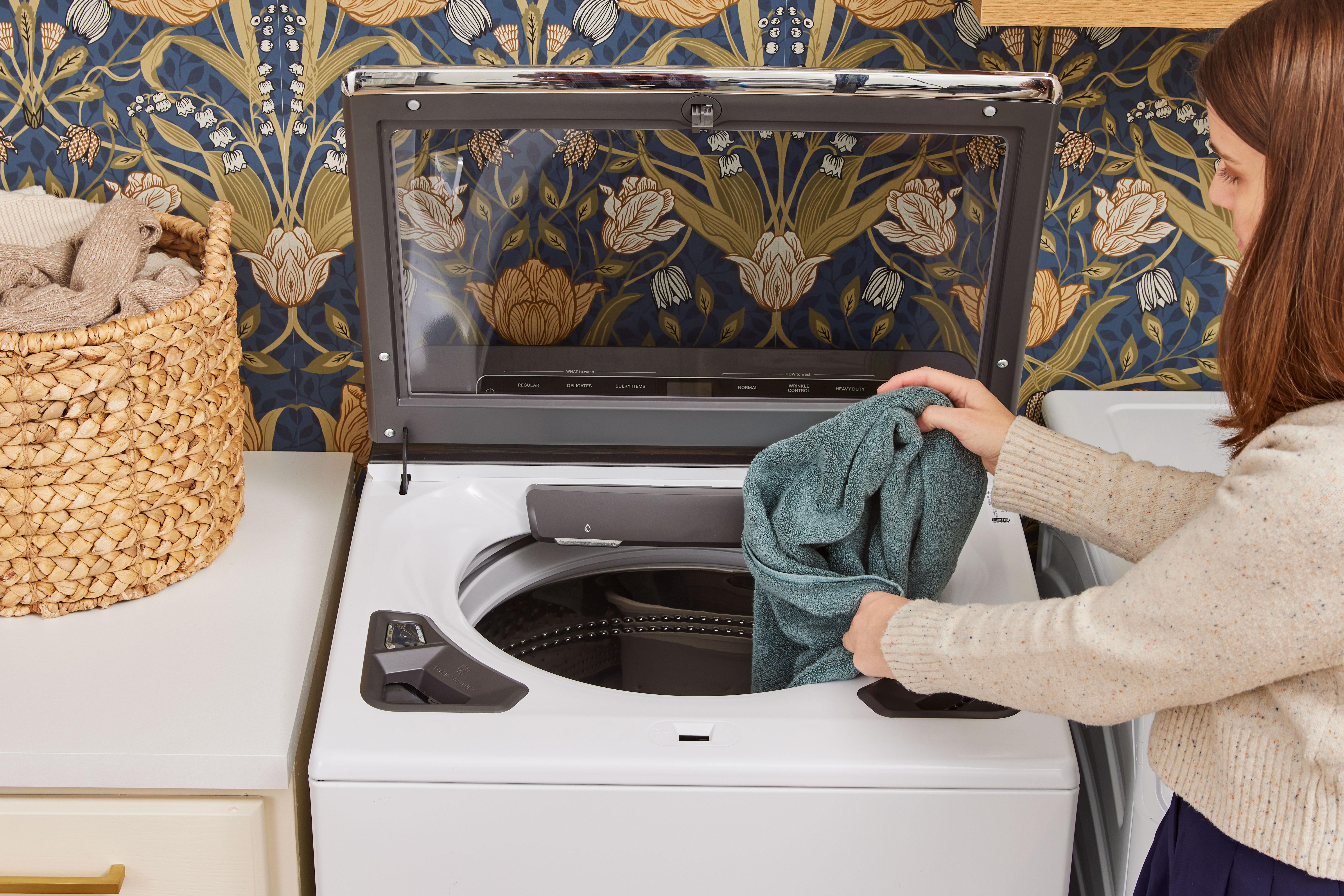
Your washing machine is supposed to clean your clothes, not audition for a stunt scene by thumping across the laundry room like it just drank three espressos. Yet that is exactly what happens when a washer falls out of balance. Sometimes the cause is simple: an uneven load, a machine that is no longer level, or feet that are not firmly touching the floor. Other times, the imbalance is the warning bell before bigger trouble shows up.
If you have been ignoring the noise because “it still works,” this is your polite but firm wake-up call. A washing machine that needs rebalancing can wear faster, clean less effectively, and create damage to the floor around it. The good news is that many balance issues are fixable before they turn into expensive repairs. The trick is noticing the signs early.
In this guide, we will break down the six most common signs your washing machine needs rebalancing, explain why they happen, and show you what to do next. We will also cover when a simple adjustment is enough and when that wild laundry-room rodeo is actually a clue that a professional should take over.
Why washer balance matters more than most homeowners think
A balanced washing machine is not just about keeping the peace and quiet. Proper balance helps the washer spin correctly, drain more effectively, and reduce wear on internal parts. When the machine is level and the load is evenly distributed, the drum can rotate the way it was designed to. When it is not, the spin cycle becomes a mini disaster with sound effects.
Front-load and top-load washers can both have balance problems, though they often show them in slightly different ways. Front-load units may shake, walk, or vibrate aggressively during high-speed spin cycles. Top-load machines may bang, twist laundry into a miserable rope sculpture, or stop mid-cycle because the load has shifted to one side.
In plain American English: balance problems start small, then get loud, then get expensive.
Sign #1: The washer shakes, walks, or scoots across the floor
This is the classic symptom, and frankly, the least subtle one. If your washer visibly moves during the spin cycle, it is practically filing a complaint. A washing machine should stay planted in place. If it rocks, shuffles, or slowly inches forward like a determined turtle, the machine is likely unlevel or the load is badly distributed.
What causes it
Usually, one or more leveling feet are not making firm contact with the floor. In some homes, the floor itself is uneven or flexes too much under the machine. In other cases, the washer is technically level at first, but the legs have shifted over time because the lock nuts were never tightened. New machines can also shake violently if the shipping bolts were not removed after installation.
What to do
First, stop the cycle and redistribute the load. Washers hate having one heavy blanket or a clump of wet towels stuck on one side of the drum. Next, check whether the machine rocks when you press on opposite corners. If it does, it needs leveling. Use a bubble level or a reliable phone leveling tool to check front-to-back and side-to-side balance. Adjust the feet until all four are firmly planted, then tighten the lock nuts so they stay put.
If your floor has noticeable flex, placing a sturdy plywood platform beneath the washer may help stabilize the surface. Think of it as giving your washer a better stage, not a trampoline.
Sign #2: You hear loud banging, knocking, or thumping during the spin cycle
Every washer makes some noise. A little swishing, humming, or whooshing is normal. But a repeated bang-bang-bang during spin is not normal. That sound usually means the drum or tub is struggling because the machine is off balance.
Why this matters
Many people dismiss these noises as “just the washer working hard.” Nice try. When a washer is unbalanced, the force of high-speed spinning gets thrown off-center. That leads to the tub slamming around more than it should, which puts extra stress on suspension parts, shock absorbers, rods, pads, and bearings.
What to check
Open the washer after the cycle stops and look at the laundry. If everything is wadded to one side, twisted into a giant knot, or wrapped around itself like a laundry burrito, the load was probably unbalanced. Bulky items such as bedding, towels, rugs, and jeans are the usual suspects. These heavy pieces absorb lots of water and become oddly weighted during spin.
Try washing bulky items in smaller, more even loads. Pair large items with a few lighter pieces so the drum is not dealing with one soaked heavyweight champ all by itself. If the knocking continues even with carefully balanced loads, the issue may be more than simple rebalancing.
Sign #3: The washer stops spinning properly or leaves clothes soaking wet
If your clothes come out wetter than expected, the washer may not be reaching or maintaining full spin speed. A balance problem can trigger that. Many modern washers are designed to slow down, pause, or stop a spin cycle when they sense an unbalanced load. That feature protects the machine, but it leaves you holding a load of laundry that feels like it just came out of a swimming pool.
How balance affects spin performance
When the drum cannot stabilize, the washer may reduce the spin speed automatically. That means less water gets extracted from clothes. The machine is not being dramatic. It is trying not to destroy itself.
What homeowners often miss
People sometimes assume poor spinning means the washer is dying, but not every wet-load problem is a major mechanical failure. Rebalancing the load, leveling the feet, and checking the flooring can solve the issue surprisingly often. Start with the obvious before you begin emotionally preparing for appliance replacement.
That said, if the washer repeatedly fails to spin even when empty or with carefully arranged small loads, deeper issues such as worn suspension rods, bad shock absorbers, or drum support problems may be involved.
Sign #4: The machine vibrates so much that nearby shelves, walls, or doors rattle
If your washer is not technically walking but still makes the entire laundry area buzz, hum, and tremble, pay attention. Excessive vibration is one of the clearest signs a washer needs rebalancing. A well-installed machine will vibrate a little during high-speed spin cycles, but it should not feel like your utility room is launching into low Earth orbit.
What is happening
Too much vibration usually points to one of three issues: the machine is not level, the load is uneven, or the floor underneath is not solid enough. The longer the washer operates in that state, the more likely fasteners, feet, and internal components are to loosen or wear down.
Easy test
Run an empty rinse-and-spin cycle. If the washer behaves normally with no laundry inside, your problem is probably load distribution. If it still shakes hard while empty, the machine likely needs leveling or further inspection.
This test is helpful because it separates “I overloaded the towels again” from “something is genuinely wrong with the washer setup.” One is a laundry habit. The other is a maintenance issue.
Sign #5: The washer rocks when you press on it by hand
This one sounds simple, and that is because it is. Put your hands on the top corners of the washer and gently press down diagonally from one corner to the other. If the machine rocks, even slightly, it is not sitting level.
Why this small wobble matters
A tiny wobble becomes a giant wobble once the drum starts spinning at high speed. During a calm moment, the washer may seem fine. During spin, it transforms into a percussion instrument. That is why checking the machine when it is off is such a smart early warning step.
How to fix it
Adjust the leveling feet until the rocking stops and the washer sits firmly on the floor. Then secure the lock nuts. Avoid extending the feet more than necessary, because overly long legs can make the machine shakier. The goal is firm, even contact with the floor, not a washer on high heels.
Sign #6: Balance problems keep coming back after every few loads
One odd load is not a crisis. A washer that constantly goes out of balance is. If you repeatedly have to stop cycles, rearrange clothes, and restart the machine, something in the setup is not right.
Common repeat offenders
Loads that mix one heavy item with several light items are notorious for causing imbalance. Small loads with a single blanket or bath mat can also throw off the drum. But if you are loading the washer reasonably and the problem keeps happening, the machine may not be level anymore, the feet may have shifted, or the floor may be uneven.
In some cases, repeat balance issues are the first clue that internal support parts are wearing out. Suspension rods, snubber pads, dampers, and shock absorbers all help control movement. When those parts weaken, even well-balanced loads can cause the washer to shake more than usual.
How to rebalance a washing machine safely
1. Pause the cycle and redistribute the load
Spread laundry more evenly around the drum. Separate bulky pieces if needed. Wash heavy items in smaller loads. Do not cram the tub just because you are trying to win time against Mount Laundry.
2. Check that all four feet touch the floor
Gently rock the machine from side to side and front to back. If it moves, adjust the feet.
3. Use a level
Check the top of the washer from left to right and front to back. Make small adjustments until the bubble is centered.
4. Tighten the lock nuts
This step gets skipped a lot. It should not. Tightened lock nuts help keep the feet from shifting again.
5. Inspect the floor
Soft, damaged, or flexing floors can make a balanced washer behave like an unbalanced one. If the floor moves under the machine, the washer will never be completely happy there.
6. Confirm shipping bolts are removed on newer front-load units
If the machine is newly installed and shaking like crazy from day one, check the installation setup. Shipping bolts left in place are a famous cause of violent vibration.
When rebalancing is not enough
Sometimes the washer is not asking for a simple adjustment. It is asking for help. Call a professional if the machine still shakes while empty, if the drum seems loose, if you hear grinding instead of banging, or if the washer leaks, stops, or refuses to spin after being leveled properly.
Persistent vibration can point to worn shock absorbers, damaged suspension rods, bad bearings, or other internal problems. Rebalancing helps many washers, but it is not a magic spell. If the easy fixes fail, do not keep running the machine and hoping for character development.
Smart habits that prevent future balance issues
The best washing machine maintenance is not glamorous, but it works. Avoid overloading the drum. Wash bulky items thoughtfully. Recheck the washer’s level every few months, especially if your house settles or the machine sees heavy use. Listen for changes in sound. A washer usually warns you before it fully misbehaves.
Also, do not ignore minor vibration just because the machine finishes the cycle. That is like ignoring a rattling tire because your car still made it to the grocery store. Success does not equal safety.
Real-life experiences homeowners often have with an unbalanced washer
Ask enough homeowners about washing machine problems, and you will hear the same stories on repeat. One person says the washer only acts up with towels. Another swears the machine is possessed because it is quiet one day and wildly loud the next. A third insists nothing is wrong until the spin cycle starts and the laundry room door begins to rattle like an angry ghost is trying to get out.
One of the most common experiences is the “mystery migration.” A homeowner starts a load, walks away, and comes back to find the washer a few inches away from its original spot. Nobody saw it happen. Nobody wants to admit it is impressive. But that creeping movement is usually the result of an unlevel machine combined with a heavy, uneven load. It feels dramatic because it is.
Another common situation happens in busy family homes. Someone stuffs in jeans, hoodies, bath towels, and a fitted sheet all at once, hits start, and hopes for the best. The washer does not share that optimism. By the time the spin cycle begins, everything has gathered into a soggy lopsided mass, and the machine responds by pounding like a bass drum in a garage band. The family assumes the washer is old. In reality, the load was just horribly distributed.
There are also homeowners who notice the problem only because their clean clothes are still drenched. The washer technically finishes the cycle, but the laundry takes forever to dry because too much water remains trapped in the fabric. This often leads people to blame the dryer first. Poor dryer, always taking the heat. But the real issue may be that the washer reduced its spin speed because the drum could not stabilize properly.
Then there is the new-machine surprise. A family buys a shiny new front-load washer, gets it installed, and expects peace, efficiency, and modern appliance bliss. Instead, the first load sounds like a marching band in a tin shed. The culprit can be something as simple as leveling feet that were not adjusted correctly or shipping hardware that was not removed during setup. It is frustrating, but it is also fixable.
Older homes introduce another kind of experience. The washer may be level, but the floor itself has a little bounce or slope. Homeowners often spend weeks blaming the appliance before realizing the real problem is the surface underneath it. Once they reinforce the floor or stabilize the setup, the washer suddenly behaves like it has been through therapy.
What all of these experiences have in common is delay. Most people hear the noise, see the shaking, and tell themselves they will deal with it later. Later turns into several weeks, and several weeks turns into extra wear on the machine. The lesson is simple: when your washer starts acting weird, believe it. Appliances are not known for subtle communication, so when they do send a message, it is worth reading.
Conclusion
If your washing machine shakes, bangs, vibrates, rocks, leaves clothes too wet, or repeatedly throws loads off balance, do not shrug it off as normal. Those are common signs your washing machine needs rebalancing. In many cases, a simple combination of leveling the machine, checking the feet, redistributing laundry, and improving the floor support can solve the problem. If the symptoms continue after that, it may be time to inspect for worn internal parts or call a service technician.
The big takeaway is this: washers are supposed to clean clothes, not test your patience or your subfloor. Catch the signs early, and you can often avoid bigger repairs later.