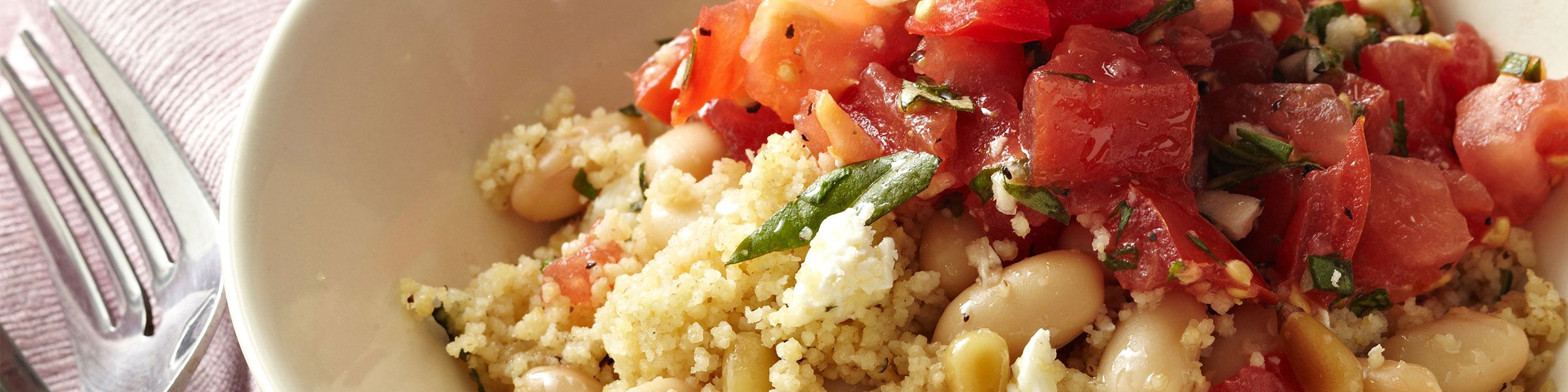
Vegetarian recipes have officially escaped the sad side-dish era. No more lonely iceberg lettuce, no more “mystery vegetable medley,” and absolutely no more meals that leave you staring into the refrigerator 40 minutes later like a raccoon with Wi-Fi. Today’s vegetarian cooking is colorful, protein-rich, affordable, and surprisingly practical for busy American kitchens.
Whether you are fully vegetarian, trying Meatless Monday, cooking for a mixed household, or simply attempting to make vegetables taste less like homework, the right vegetarian recipes can make dinner feel generous instead of restrictive. The best ones are built around real satisfaction: hearty beans, creamy lentils, roasted vegetables, whole grains, tofu, eggs, cheese, nuts, seeds, herbs, spices, and sauces that know how to show up for work.
This guide explains how to build better vegetarian meals, which ingredients deserve permanent pantry status, and how to turn simple plant-forward food into breakfasts, lunches, dinners, snacks, and meal-prep heroes. Bring a cutting board, a skillet, and a tiny amount of confidence. The vegetables are ready.
What Makes a Great Vegetarian Recipe?
A great vegetarian recipe is not just a meat recipe with the meat removed. That approach usually produces disappointment in a bowl. Instead, strong vegetarian cooking starts with structure: protein, fiber, fat, flavor, and texture. When those five pieces are in place, nobody asks, “Where’s the meat?” They ask, “Is there more?” which is a much better dinner-table problem.
1. Protein That Actually Satisfies
Protein is the backbone of a filling vegetarian meal. Good options include lentils, chickpeas, black beans, pinto beans, white beans, tofu, tempeh, edamame, Greek yogurt, eggs, cottage cheese, nuts, seeds, quinoa, and soy milk. A black bean taco, lentil soup, tofu stir-fry, or chickpea curry can easily carry a meal without needing a dramatic speech about wellness.
2. Fiber-Rich Carbohydrates
Whole grains and starchy vegetables help vegetarian recipes feel complete. Brown rice, farro, barley, oats, whole-wheat pasta, corn tortillas, sweet potatoes, potatoes, and quinoa all add staying power. They also give sauces something useful to cling to, which is important because sauce is often the difference between “healthy dinner” and “I would happily eat this again tomorrow.”
3. Healthy Fats and Big Flavor
Vegetarian food loves fatin reasonable amounts, of course. Olive oil, avocado, tahini, peanut butter, walnuts, cashews, sesame oil, and cheese add richness. Then come the flavor builders: garlic, onions, citrus, vinegar, smoked paprika, cumin, ginger, basil, cilantro, parsley, chili flakes, miso, soy sauce, mustard, and nutritional yeast. A bowl of vegetables without seasoning is a meeting that should have been an email.
Essential Vegetarian Ingredients to Keep at Home
The easiest vegetarian recipes begin before cooking starts. A smart pantry makes weeknight meals faster, cheaper, and less dependent on emergency takeout. Stock a few flexible ingredients and dinner becomes more like assembling a playlist than solving a math problem.
Pantry Staples
Keep canned chickpeas, black beans, kidney beans, lentils, crushed tomatoes, coconut milk, vegetable broth, pasta, rice, oats, quinoa, peanut butter, tahini, tortillas, and your favorite spices. These ingredients can become chili, curry, grain bowls, tacos, soups, pasta, and breakfast in very little time.
Fridge and Freezer Staples
In the refrigerator, keep eggs, yogurt, cheese, tofu, hummus, salad greens, carrots, cabbage, mushrooms, peppers, and fresh herbs. In the freezer, frozen spinach, peas, corn, broccoli, berries, edamame, and vegetable blends are lifesavers. Frozen vegetables are not “lazy.” They are vegetables with a business plan.
Easy Vegetarian Breakfast Recipes
Vegetarian breakfasts can be fast, nourishing, and more exciting than dry toast eaten while standing in front of the sink. Aim for protein plus fiber, then add fruit or vegetables when possible.
Greek Yogurt Breakfast Bowl
Spoon Greek yogurt into a bowl and top it with berries, sliced banana, oats or granola, chia seeds, and a drizzle of honey. For crunch, add walnuts or almonds. This breakfast is creamy, sweet, tangy, and ready before your coffee finishes judging you.
Vegetable Egg Scramble
Sauté spinach, mushrooms, onions, and bell peppers in olive oil, then add beaten eggs. Finish with feta, cheddar, or avocado. Serve with whole-grain toast or a warm tortilla. For extra protein, add black beans or cottage cheese on the side.
Overnight Oats with Peanut Butter
Combine oats, milk or fortified soy milk, peanut butter, chia seeds, cinnamon, and sliced banana in a jar. Refrigerate overnight. In the morning, stir and eat cold or warm it gently. It tastes like breakfast and meal prep shook hands.
Vegetarian Lunch Recipes That Travel Well
Good vegetarian lunches should survive a container, a commute, and the emotional weight of a busy afternoon. Bowls, wraps, soups, and salads with sturdy ingredients work best.
Chickpea Salad Wrap
Mash chickpeas with Greek yogurt or vegan mayo, Dijon mustard, lemon juice, celery, red onion, parsley, salt, and pepper. Wrap it in a tortilla with lettuce, tomato, and shredded carrots. It has the creamy comfort of classic deli salad without needing chicken to do the heavy lifting.
Mediterranean Grain Bowl
Layer cooked quinoa or brown rice with cucumbers, tomatoes, roasted chickpeas, olives, greens, feta, and hummus. Add a lemon-olive oil dressing with oregano and garlic. This vegetarian recipe is fresh, filling, and suspiciously good for something that came from leftovers.
Lentil Soup
Simmer lentils with carrots, celery, onion, garlic, tomatoes, vegetable broth, cumin, bay leaf, and spinach. Lentils cook faster than many dried beans and create a naturally hearty texture. Add vinegar or lemon at the end to brighten the soup.
Vegetarian Dinner Recipes for Busy Weeknights
Dinner is where vegetarian recipes get to show off. The goal is simple: big flavor, manageable steps, and enough food to keep everyone from wandering back into the kitchen pretending they “just wanted water.”
1. Black Bean and Sweet Potato Tacos
Roast diced sweet potatoes with olive oil, cumin, smoked paprika, chili powder, salt, and pepper. Warm black beans with garlic and a splash of lime. Serve in corn tortillas with cabbage slaw, avocado, salsa, and cilantro. The sweet potatoes bring caramelized edges, the beans bring protein, and the toppings bring the party.
2. Creamy Tomato White Bean Pasta
Sauté garlic in olive oil, add crushed tomatoes, Italian seasoning, and white beans, then simmer until thick. Stir in cooked pasta and spinach. Finish with Parmesan or nutritional yeast. This is a fantastic vegetarian dinner because the beans make the sauce creamy and filling without requiring heavy cream.
3. Tofu Vegetable Stir-Fry
Press tofu, cube it, and pan-sear until golden. Stir-fry broccoli, carrots, bell peppers, snap peas, and mushrooms. Add a sauce made from soy sauce, garlic, ginger, sesame oil, rice vinegar, and a little maple syrup or brown sugar. Serve over rice or noodles. The secret is letting the tofu brown properly before adding sauce. Tofu enjoys personal space.
4. Vegetarian Chili
Combine onions, peppers, garlic, beans, tomatoes, corn, chili powder, cumin, smoked paprika, and vegetable broth. Simmer until thick. Top with Greek yogurt, cheese, scallions, avocado, or crushed tortilla chips. Vegetarian chili is proof that comfort food can be hearty, affordable, and packed with plants.
5. Chickpea Coconut Curry
Sauté onion, garlic, and ginger, then add curry powder or curry paste, chickpeas, coconut milk, tomatoes, and vegetables such as cauliflower, peas, or spinach. Simmer until rich and fragrant. Serve with rice and a squeeze of lime. It is cozy, fast, and tastes like you tried harder than you did.
High-Protein Vegetarian Recipes
One common myth is that vegetarian meals cannot provide enough protein. In reality, protein is not difficult when meals are planned around beans, lentils, soy foods, eggs, dairy, nuts, seeds, and whole grains. The trick is to make protein a main character, not a background extra.
Protein-Packed Recipe Ideas
Try scrambled eggs with black beans and salsa, tofu bowls with edamame, lentil Bolognese over whole-wheat pasta, cottage cheese toast with tomatoes, Greek yogurt smoothies, quinoa bowls with chickpeas, or tempeh tacos with cabbage slaw. These meals also bring fiber, which helps with fullness and supports digestive health.
Vegetarian Recipes for Meal Prep
Meal prep does not have to mean eating the same sad container of rice five days in a row. A better strategy is to prep building blocks: one grain, one protein, two vegetables, one sauce, and one crunchy topping. Then mix and match.
Simple Weekly Meal-Prep Formula
Cook a pot of brown rice or quinoa. Roast a tray of vegetables such as broccoli, carrots, onions, and sweet potatoes. Prepare a protein like baked tofu, lentils, or chickpeas. Make one saucetahini lemon, peanut lime, salsa verde, or yogurt herb. Add toppings like pumpkin seeds, pickled onions, herbs, or crushed nuts.
With those components, you can make grain bowls, wraps, salads, tacos, and quick skillet meals. This keeps vegetarian eating flexible and prevents what experts call “leftover fatigue,” also known as staring at Tuesday’s lunch with Wednesday’s resentment.
Important Nutrition Tips for Vegetarian Cooking
A balanced vegetarian diet can be nourishing, but it still deserves thoughtful planning. Pay attention to protein, iron, vitamin B12, calcium, vitamin D, zinc, iodine, and omega-3 fats. Lacto-ovo vegetarians may get B12 from eggs and dairy, while vegans usually need fortified foods or supplements. Iron from plants is absorbed differently than iron from meat, so pair lentils, beans, spinach, and fortified grains with vitamin C-rich foods like citrus, tomatoes, peppers, or strawberries.
Calcium can come from dairy, fortified soy milk, fortified plant milks, tofu made with calcium sulfate, leafy greens, and yogurt. Omega-3 fats can come from walnuts, chia seeds, ground flaxseed, hemp seeds, and canola oil. For personalized advice, especially during pregnancy, childhood, older adulthood, or medical conditions, a registered dietitian can help tailor a vegetarian eating plan.
Food Safety Tips for Vegetarian Recipes
Vegetarian food still needs safe handling. Fresh produce should be rinsed under running water, and firm produce can be scrubbed with a clean brush. Cut fruits, cooked grains, cooked beans, tofu dishes, dairy-based foods, and leftovers should be refrigerated promptly. As a practical rule, do not leave perishable foods at room temperature for more than two hours, or one hour in very hot conditions.
Store meal-prep recipes in shallow containers so they cool quickly. Label containers with dates if your refrigerator has become a museum of mysterious leftovers. When in doubt, throw it out. Food poisoning is not the kind of adventure anyone wants with their lentil soup.
How to Make Vegetarian Food Taste Better
The difference between “fine” and “fantastic” often comes down to technique. Roast vegetables instead of steaming them when you want deeper flavor. Toast spices briefly in oil before adding liquids. Salt food in layers, not only at the end. Add acid with lemon juice, lime juice, vinegar, pickles, or tomatoes. Finish dishes with fresh herbs, crunchy nuts, seeds, or crispy onions.
Texture matters too. Pair creamy with crunchy, soft with crisp, and rich with bright. A vegetarian burrito bowl becomes more exciting when creamy avocado meets crisp cabbage, warm beans, tangy salsa, and toasted pepitas. A simple soup gets better with croutons, herbs, or a swirl of yogurt. Vegetarian recipes are not about removing meat; they are about building flavor from the ground up.
of Real-Life Experience with Vegetarian Recipes
The first thing many people learn from cooking vegetarian recipes is that vegetables are not the problem. Boring preparation is the problem. A plain boiled carrot may not inspire poetry, unless the poem is titled “Why Is Dinner Orange and Wet?” But roast that same carrot with olive oil, salt, cumin, and a little honey, then serve it over yogurt with toasted pistachios, and suddenly it has main-character energy.
In everyday cooking, vegetarian recipes become easier when you stop treating them like special projects. Instead of asking, “What vegetarian dish should I make?” ask, “What do I already like, and how can plants carry it?” Love tacos? Use black beans, sweet potatoes, mushrooms, or lentils. Love pasta? Use white beans, roasted tomatoes, spinach, pesto, ricotta, or mushrooms. Love burgers? Try a bean burger, portobello mushroom, or crispy halloumi sandwich. Familiar formats make vegetarian cooking less intimidating.
Another experience many home cooks share is the power of one good sauce. A refrigerator with cooked rice, roasted vegetables, and chickpeas is useful. Add a bright lemon-tahini sauce and it becomes lunch. Add peanut sauce and it becomes a noodle bowl. Add salsa and it becomes a burrito bowl. Add pesto and it becomes an Italian-ish dinner that nobody needs to fact-check. Sauces are the social skills of vegetarian food.
Vegetarian cooking also teaches flexibility. You learn that canned beans are not a compromise; they are a weeknight miracle. Frozen vegetables are not embarrassing; they are practical. Tofu is not bland when pressed, browned, and seasoned. Lentils are humble until they become soup, curry, shepherd’s pie filling, or taco “meat.” Mushrooms can be deeply savory when browned instead of crowded in a pan and steamed into sadness.
Meal prep becomes more enjoyable when you avoid over-planning. Instead of cooking five identical lunches, prep ingredients that can become different meals. A batch of roasted cauliflower can go into tacos one day, grain bowls the next, and pasta after that. Cooked lentils can become soup, salad, or sloppy joes. A big container of washed greens can support breakfast eggs, lunch wraps, and dinner bowls. This style feels less like dieting and more like having options.
The biggest lesson is that vegetarian recipes work best when they are generous. Add enough seasoning. Use enough heat. Include protein. Add something creamy, something crunchy, and something fresh. Keep lemons or limes around. Keep herbs around when possible. Do not apologize for using cheese, yogurt, olive oil, or a handful of toasted nuts if they make the meal satisfying. Food should be nourishing, yes, but it should also make you happy to sit down and eat.
Over time, vegetarian cooking can change the way you see dinner. Instead of placing meat at the center and building sides around it, you start building meals around color, texture, and flavor. A tray of roasted vegetables becomes exciting. Beans become dependable. Grains become a canvas. Sauces become secret weapons. And eventually, vegetarian recipes stop feeling like “meatless meals” and start feeling like what they really are: delicious food that happens to be made from plants.
Conclusion
Vegetarian recipes are practical, flavorful, and flexible enough for almost any lifestyle. The best meals combine plant-based protein, fiber-rich carbohydrates, healthy fats, colorful produce, and bold seasoning. From chickpea wraps and lentil soups to tofu stir-fries, sweet potato tacos, creamy bean pasta, and vegetarian chili, meatless cooking can be hearty without being heavy and healthy without being boring.
Start with familiar meals, stock a smart pantry, and use sauces, herbs, spices, and texture to keep food exciting. Whether you are cooking vegetarian full time or just adding more plant-forward meals to your week, the goal is not perfection. The goal is dinner that tastes good, fuels your body, and does not require a culinary degree or a second mortgage.