Note: This guide is for routine cleaning of stable, legally owned petrified wood. If your specimen is cracking, flaking, glued, filled, or shedding grit like it is trying to escape the room, stop and let a fossil preparator or conservator take over.
Petrified wood is one of those natural objects that makes people do a double take. It looks like wood, feels like stone, and often sparkles like it has been quietly training for a jewelry career. That strange magic is exactly why collectors, decorators, hobby geologists, and gift-shop impulse buyers all love it. But once a piece sits on a shelf, travels in a box, or spends time outside, it starts collecting dust, grime, fingerprints, and mystery gunk.
The good news is that cleaning petrified wood is usually simple. The better news is that you do not need a chemistry lab, a belt sander, or a heroic amount of confidence. In most cases, the safest approach is also the least dramatic: remove dust gently, wash only when needed, and avoid turning a beautiful fossil into a regrettable science experiment.
In this guide, you will learn three practical ways to clean petrified wood, when to use each method, what tools work best, and which cleaning habits deserve an immediate timeout. Whether you have a polished slice, a rough chunk with bark texture, or a treasured display piece that has been gathering dust like an antique paperback, these methods will help you clean it safely.
Why Petrified Wood Needs Special Care
Even though petrified wood is stone, it is not always a “scrub first, ask questions later” kind of material. Many pieces are mostly quartz and can handle gentle cleaning well, but every specimen is a little different. Some have natural cracks, crumbly outer surfaces, weathered matrix, or old repairs. Others are polished smooth, while some still have rugged grooves that love trapping dust like a tiny geologic vacuum cleaner.
That means the smartest cleaning rule is simple: clean as much as needed, but no more than necessary. Over-cleaning can dull a polished surface, wear down fragile detail, or loosen unstable bits. Think of it this way: your goal is not to make petrified wood look factory-fresh. Your goal is to help it look clean, natural, and well cared for.
Before You Start: What You’ll Need
Basic supplies
Most cleaning jobs require only a few simple items:
- A soft paintbrush, makeup brush, or soft toothbrush
- A microfiber cloth or soft cotton cloth
- Warm water
- Mild dish soap
- A small bowl or basin
- Cotton swabs for detail work
- A dry towel
Things to avoid
- Bleach
- Harsh household cleaners
- Wire brushes
- Abrasive scrub pads
- Strong acids or solvents
- High-heat drying
- Overenthusiastic scrubbing worthy of a kitchen pan
Also, test any method on a small, less visible area first. If grit, flakes, or surface color start coming off, stop immediately. That is your specimen politely saying, “Absolutely not.”
Way #1: Dry Dusting for Light Dirt and Display Pieces
If your petrified wood mostly looks dusty rather than truly dirty, dry cleaning is the best place to begin. This is the safest method for many display pieces, especially rough specimens with natural texture or older pieces you do not know much about.
Best for
- Loose dust
- Shelf grime
- Polished slices with light fingerprints
- Specimens with cracks or uncertain stability
How to do it
- Place the petrified wood on a stable, padded surface.
- Use a soft brush to gently sweep dust off the surface.
- Work with the grain, grooves, and natural contours instead of scrubbing across them.
- For polished areas, follow with a dry microfiber cloth to lift remaining dust and buff lightly.
This method is especially useful for rough petrified wood with crevices. A soft brush can reach into tiny valleys without grinding dirt deeper into the surface. If the piece is especially large, clean section by section rather than trying to dust it like you are speed-running housework.
Example
Say you have a polished petrified wood slice on a bookshelf near a sunny window. It has no mud, no sticky spots, just a layer of everyday dust and the occasional fingerprint from visitors who cannot resist touching shiny things. Dry dusting is enough. No soaking required. No soap opera required either.
Way #2: Warm Water and Mild Soap for Everyday Grime
When dry dusting is not enough, a gentle soap-and-water cleaning is usually the best next step. This is the go-to method for dirt, oily residue, and general buildup from handling or storage.
Best for
- Mud
- Sticky residue
- Handling grime
- Polished or solid pieces that feel stable
How to do it
- Fill a bowl with warm, not hot, water.
- Add a few drops of mild dish soap.
- Dampen a soft cloth or soft toothbrush in the soapy water.
- Gently wipe or brush the surface.
- Use a clean damp cloth to remove any soap residue.
- Dry the piece thoroughly with a soft towel.
If the piece is very solid and especially grimy, you can briefly rinse it under lukewarm water while brushing gently. Do not leave it soaking for a long time unless you are confident the specimen is stable and untreated. If it has visible fractures, attached sediment, repairs, or a chalky outer rind, stick to controlled wiping rather than a bath.
Mild soap matters here. You want something boring. Exciting cleaners are for commercials, not fossils. A few drops of gentle dish soap do the job without coating the surface in perfumes, waxes, or mystery ingredients with main-character energy.
Example
Imagine you bought a rough petrified wood chunk from a rock shop, and it still has dusty residue from being handled by half the county fair. A brief wash with warm water, mild soap, and a soft toothbrush is usually enough to reveal the color and texture underneath.
Way #3: Detail Cleaning for Stubborn Dirt in Cracks and Crevices
Some petrified wood has deep texture, tiny pits, bark-like surfaces, or narrow cracks where dirt likes to settle in and sign a long-term lease. When that happens, detail cleaning can help.
Best for
- Dirt packed into grooves
- Textured outer surfaces
- Small spots that remain after a general wash
- Display pieces that need careful touch-up
How to do it
- Start with a soft brush to loosen surface debris.
- Use a cotton swab dampened with plain water or very diluted soapy water for tight spots.
- For stubborn dirt in larger grooves, use a wooden toothpick very lightly, never digging hard.
- Wipe away loosened debris with a damp cloth.
- Dry the area completely.
The key word here is lightly. You are teasing dirt out, not carving a new canyon. If the dirt will not move without force, do not escalate into amateur fossil surgery. Some material that looks like “dirt” may actually be part of the natural surface, old matrix, or a weathered texture you do not want to remove.
Example
A rough Arizona petrified wood section with bark texture may look clean overall but still hold tan dust in the grooves. A damp cotton swab and soft brush can freshen those spots without stripping the character that makes the piece beautiful in the first place.
What Not to Do When Cleaning Petrified Wood
This is where many well-meaning collectors get into trouble. Petrified wood is tough, but that does not mean every cleaning trick from the internet deserves a chance.
Avoid these mistakes
- Do not use bleach. It is unnecessary and can leave residue or alter the look of the surface.
- Do not use abrasive pads or wire brushes. These can scratch polished areas and damage softer attached material.
- Do not use strong acids or chemical cleaners. If you are not a trained preparator, this is not your lane.
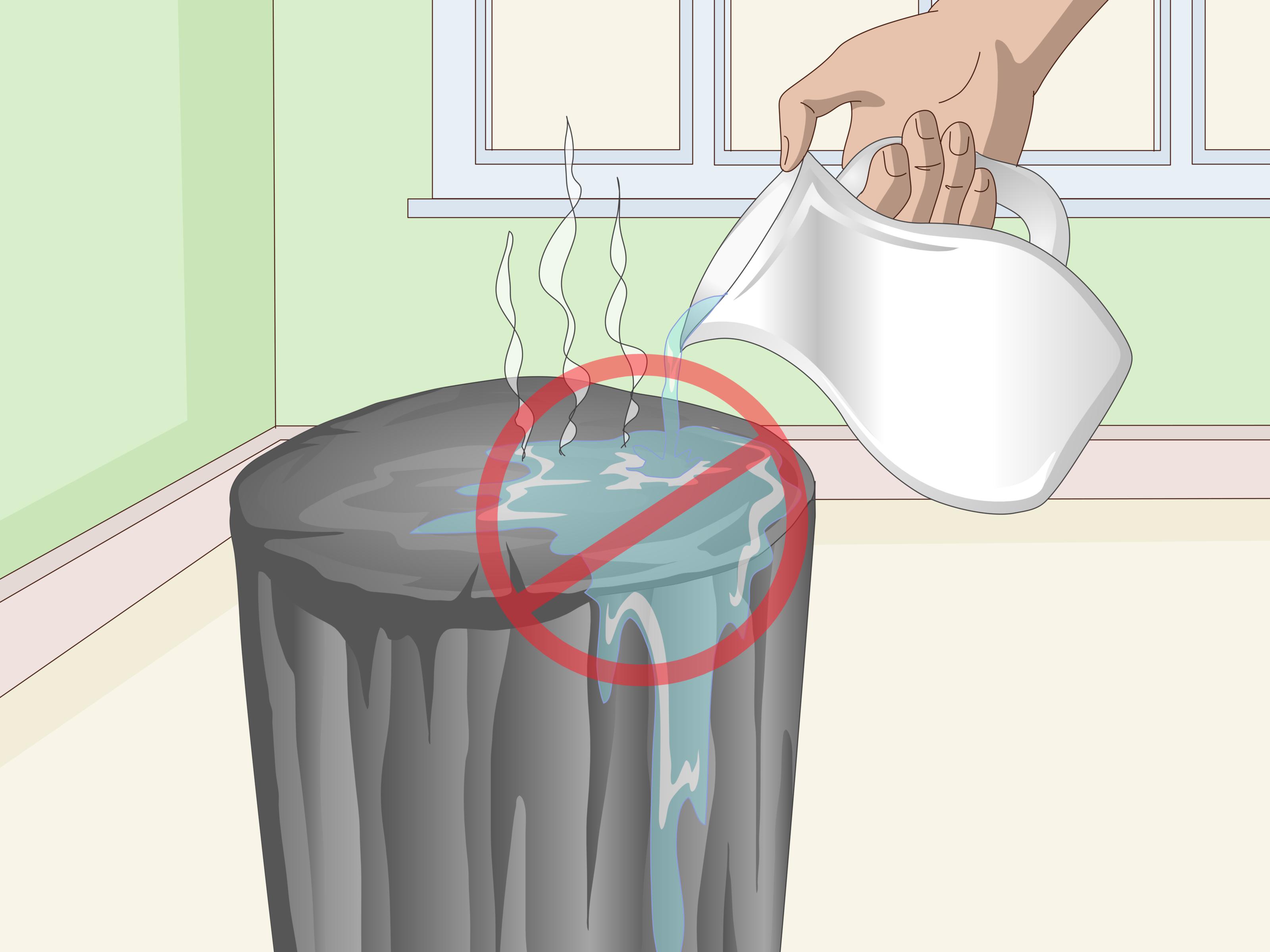
- Do not over-soak unknown pieces. Some specimens have repairs, fillers, or fragile matrix that water can weaken.
- Do not polish rough petrified wood by accident. Heavy scrubbing can remove natural texture and make it look oddly artificial.
- Do not panic-clean. Fast hands make bad choices.
How to Tell If a Piece Is Too Fragile to Clean at Home
Sometimes the right cleaning move is no move at all. Hold off and get expert help if your petrified wood has any of these warning signs:
- Cracks widening during cleaning
- Loose grains or flakes coming off
- Powdery material shedding from the surface
- Old glue lines or repaired breaks
- Soft matrix attached to the fossil
- Important scientific or high-value collector significance
If the specimen begins to come apart, stop. That is not a “maybe keep going” moment. That is a “put the toothbrush down and back away slowly” moment.
How Often Should You Clean Petrified Wood?
Not very often, honestly. A light dusting every so often is usually enough for indoor display pieces. A full soap-and-water cleaning should only happen when the specimen is visibly dirty. If it looks good, leave it alone. Fossils and stone specimens do not earn bonus points for excessive spa treatment.
For display, prevention helps a lot. Keep petrified wood away from greasy kitchen air, dusty vents, and high-traffic spots where people constantly touch it. A stable shelf beats repeated cleaning every time.
Extra Care Tips for Long-Term Display
Store and display smart
- Use padded shelves or felt pads under heavy pieces.
- Dust regularly with a soft brush instead of letting grime build up.
- Keep polished pieces separate from objects that can scratch them.
- Avoid dropping them. This sounds obvious, yet geology keeps proving gravity is undefeated.
Know where your piece came from
If you collect petrified wood yourself, make sure it is legal to do so. Petrified wood is protected in national parks, including Petrified Forest National Park. In other words, admire it, photograph it, brag about it to your friends, but do not pocket it.
Final Thoughts
The best way to clean petrified wood is usually the gentlest one. Start dry. Move to mild soap and warm water only when needed. Use detail cleaning carefully for stubborn dirt, and stop the second a piece shows signs of instability. That approach keeps your fossil looking beautiful without sanding away its age, texture, and story.
In short, the three best ways to clean petrified wood are dry dusting, gentle soap-and-water cleaning, and careful spot cleaning for crevices. None of them require fancy gear. All of them require patience. And patience, fortunately, is cheaper than replacing a damaged specimen.
Real-World Experiences Cleaning Petrified Wood
One of the most common experiences people have with petrified wood is discovering that the piece looks far less dramatic under a layer of dust than it did in the store. A polished slice can go from glowing with red, gold, and smoky gray tones to looking like a tired coaster if it sits untouched for a few months. In those cases, a dry microfiber cloth and soft brush are often all it takes to bring the color back. Many collectors are surprised by how much of the “problem” is just ordinary household dust and fingerprints rather than actual staining.
Another common scenario happens after travel. Maybe a specimen rode home wrapped in newspaper, rattled around in a box, and arrived with a film of grit in every crack. A rough piece with natural bark texture tends to trap packing dust like it was designed for that exact purpose. The first instinct is often to scrub hard, but careful cleaning usually works better. A soft toothbrush, warm water, and a few drops of mild soap can lift the residue gradually. The big lesson people learn from that first cleaning session is that petrified wood rewards patience. Rush it, and the piece looks worse. Go slow, and the details come alive.
Outdoor finds create a different experience altogether. A legally collected piece from private land or another permitted source may come home wearing dried mud, plant residue, or a crust of plain old dirt. At first glance, it can look unimpressive. Once gently washed, however, colors start appearing in bands and patches that were completely hidden before. Browns warm up, reds deepen, creams brighten, and tiny quartzy sparkles suddenly show up in the light. It is one of those satisfying before-and-after moments that makes rock collecting feel a little magical and a little ridiculous in the best way.
People also learn quickly that not every piece wants the same treatment. A dense polished slab may clean up beautifully with a damp cloth, while a rough specimen with fragile edges may shed tiny grains if brushed too aggressively. That difference can be frustrating at first, especially for beginners who expect one universal method. Over time, though, most hobbyists develop a feel for the material. They learn to notice old glue repairs, crumbly matrix, or hidden cracks before cleaning. That experience matters more than buying extra tools.
Perhaps the most valuable lesson from real-world cleaning is this: sometimes stopping early is the smartest move. Not every dark line is dirt. Not every rough patch needs “fixing.” Some of what makes petrified wood attractive is its natural surface, weathering, and irregular texture. Experienced collectors often say the goal is not to make a specimen look new. The goal is to let the specimen look like its best, most honest self. That mindset prevents a lot of unnecessary damage and usually leads to better-looking results too.