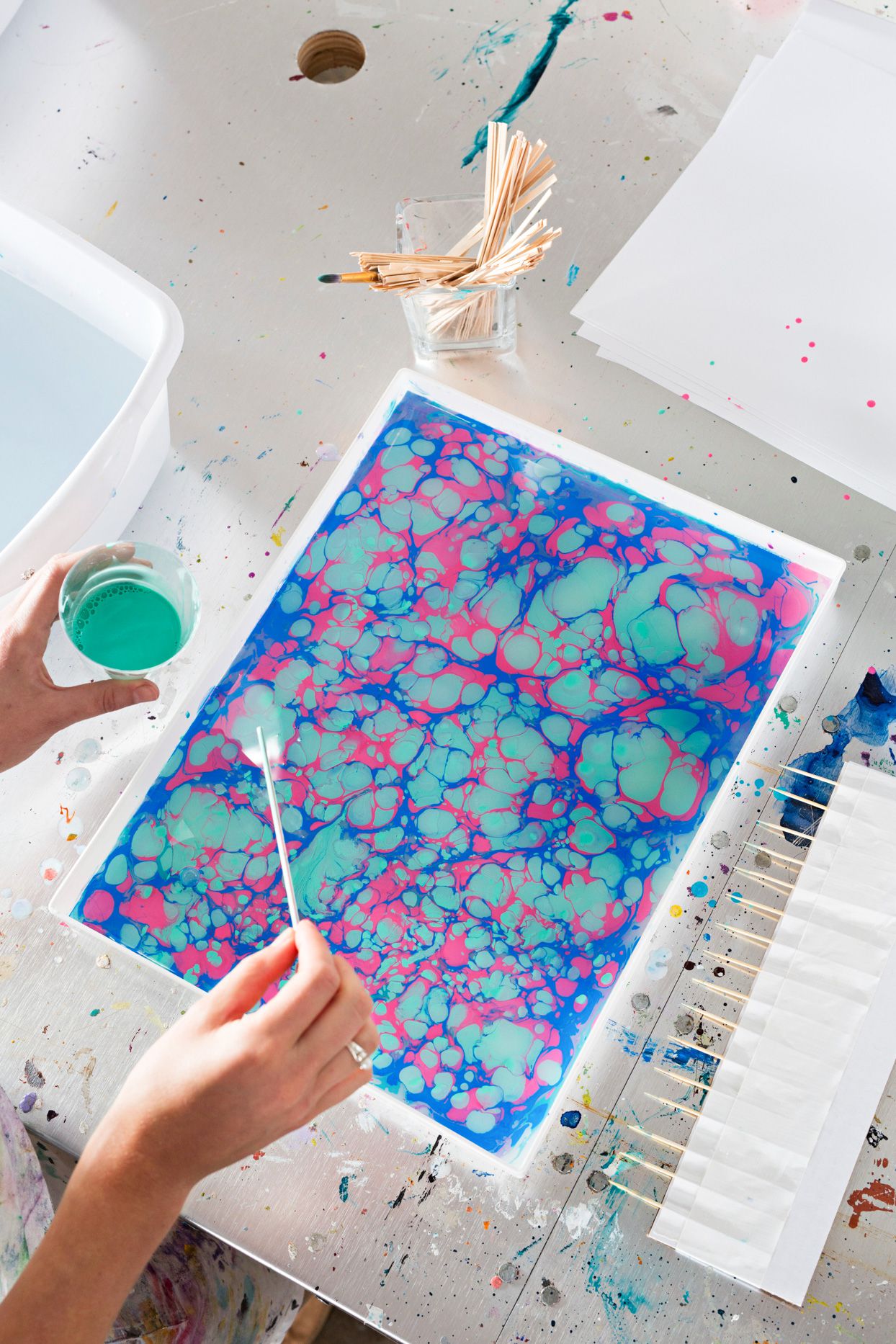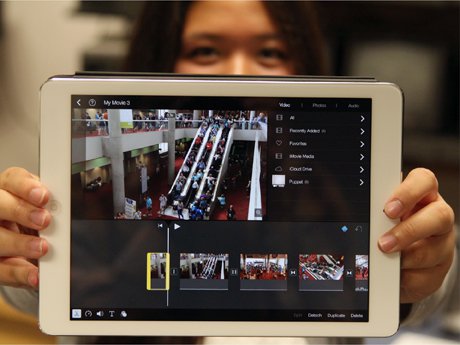
There was a time when a student project meant a poster board, three markers, one heroic glue stick, and a parent wondering why the dining table had become an archaeological dig site. Today, students can still make posters, but they can also create podcasts, short documentaries, interactive slideshows, photo essays, animations, digital exhibits, and narrated data stories. That shift is more than a shiny tech upgrade. It is a powerful change in how students think, communicate, and see themselves as creators.
Multimedia storytelling gives students the tools to combine words, images, sound, video, design, research, and personal voice into meaningful stories. It helps them move from “I completed the assignment” to “I made something that matters.” In a modern classroom, that difference is huge. Students are not simply memorizing information for a quiz on Friday and forgetting it by Monday morning. They are learning how to shape ideas, evaluate sources, organize evidence, speak to an audience, and use media responsibly.
At its best, multimedia storytelling empowers students because it makes learning active, personal, and public. A student who struggles to write a traditional five-paragraph essay may shine when producing a narrated photo essay. A quiet learner may discover confidence through podcasting. A science student may explain climate patterns through a video documentary. A history student may bring a local civil rights story to life using interviews, archival images, and music. Suddenly, school is not just about receiving knowledge. It is about creating meaning.
What Is Multimedia Storytelling in Education?
Multimedia storytelling is the practice of using multiple forms of media to communicate a story, idea, argument, or learning experience. In the classroom, it can include text, voiceover, video, photographs, drawings, maps, music, animation, infographics, interviews, and interactive digital tools. The key word is not “multimedia.” It is “storytelling.” A slideshow full of random facts is not automatically a story. A video with flashy transitions is not automatically meaningful. The story comes from purpose, structure, emotion, evidence, and audience.
A strong multimedia story usually includes a clear message, a beginning that draws people in, a middle that builds understanding, and an ending that leaves the audience with something to remember. Students must ask: What am I trying to say? Who needs to hear it? What evidence supports it? Which media format helps the message land? That kind of thinking is not fluff. It is high-level communication work wearing sneakers.
Why Multimedia Storytelling Empowers Students
1. It Gives Students a Real Voice
Student voice is not just letting students choose between blue paper and green paper. Real voice means students have room to ask questions, make decisions, share perspectives, and contribute to conversations beyond the classroom. Multimedia storytelling supports that because it allows students to connect academic content with their experiences, communities, and curiosity.
For example, instead of assigning a generic report on immigration history, a teacher might invite students to create short audio stories based on family interviews, community research, or local historical records. One student may explore a grandparent’s journey. Another may investigate how immigration shaped neighborhood businesses. Another may examine policy through a data visualization and narration. The academic goal remains serious, but the learning becomes personal and memorable.
2. It Builds Digital Literacy Without Turning Class Into “Button Practice”
Students are often called digital natives, but owning a phone does not automatically make someone a wise media creator. A student may know how to post a video but still need guidance on source credibility, copyright, privacy, tone, editing, visual design, and audience impact. Multimedia storytelling teaches students to use digital tools with intention.
When students create a documentary, podcast, or interactive timeline, they must evaluate information, select credible sources, cite media properly, and decide what belongs in the final product. They learn that not every image on the internet is free to use, not every viral claim is true, and not every dramatic soundtrack improves a serious topic. Sometimes the biggest editing victory is deleting the thunder sound effect from a presentation about photosynthesis.
3. It Strengthens Writing, Speaking, and Critical Thinking
Multimedia projects do not replace writing. They often require more writing than students expect. Before recording a podcast, students write scripts. Before filming a video, they create storyboards. Before building a digital exhibit, they draft captions, labels, introductions, and transitions. The writing becomes purposeful because it has a real audience and a visible outcome.
Students also practice speaking and listening. They record narration, interview classmates, revise their tone, and learn how pacing affects meaning. They discover that reading a script in a flat robot voice can make even the Boston Tea Party sound like a toaster manual. Through revision, they learn how to sound clear, confident, and human.
4. It Supports Different Learning Styles and Abilities
One of the greatest strengths of multimedia storytelling is flexibility. Students can show understanding through different modes: written text, spoken language, visuals, movement, music, data, or design. This does not mean lowering expectations. It means creating more pathways for students to reach high expectations.
For English language learners, multimedia storytelling can provide visual and oral supports while still developing academic language. For students with disabilities, options such as captions, audio recording, assistive technology, and visual planning tools can reduce barriers. For advanced learners, multimedia projects offer room for complexity, creativity, and independent inquiry. A well-designed project lets every student enter the work while still challenging them to grow.
5. It Encourages Collaboration and Project Management
Most meaningful multimedia projects require teamwork. Students may divide roles such as researcher, scriptwriter, editor, narrator, designer, interviewer, fact-checker, and project manager. This helps them practice the skills adults use constantly but rarely list on worksheets: scheduling, negotiation, feedback, responsibility, troubleshooting, and polite disagreement.
Of course, group work can get messy. Someone forgets the file. Someone spends 40 minutes choosing a font. Someone believes every video needs dramatic slow motion. But with clear roles, checkpoints, and reflection, students learn how creative teams actually function. They learn that collaboration is not everyone doing the same thing. It is everyone contributing to a shared purpose.
Classroom Examples of Multimedia Storytelling
A History Podcast Series
Students research local history and produce short podcast episodes. Each episode includes a hook, historical context, an interview or primary source, and a closing reflection. A group might investigate a historic building, a neighborhood migration story, or a local veteran’s experience. The project teaches research, writing, speaking, listening, and civic awareness.
A Science Mini-Documentary
Instead of only writing a lab report, students create a three-minute documentary explaining an experiment. They include footage of the process, diagrams, voiceover, data charts, and a conclusion about what the results mean. This helps students move beyond “we mixed stuff and it changed color” into actual scientific explanation.
A Literature Character Trailer
Students create a short video trailer from a character’s point of view. They must use evidence from the text to show motivation, conflict, and transformation. This type of project can deepen literary analysis because students have to make interpretive choices. What image represents guilt? What sound suggests isolation? What line of narration reveals change?
A Community Photo Essay
Students photograph places, people, or objects connected to a social issue, then write captions that combine observation, research, and reflection. A photo essay on food access, public transportation, local art, or environmental change can help students see their community as a living text worth studying.
A Data Story
Students use charts, maps, narration, and design to explain a data set. For example, they might explore school recycling habits, local weather patterns, or survey results about teen screen time. The goal is not just to make a chart look pretty. The goal is to explain what the numbers reveal and why anyone should care.
How Teachers Can Design Powerful Multimedia Storytelling Projects
Start With the Learning Goal, Not the Tool
The fastest way to ruin a multimedia project is to begin with, “Let’s use this cool app.” Technology should serve the learning, not lead it around on a leash. Teachers should first ask: What should students understand? What skills should they practice? What audience will they address? What form best fits the message?
If the goal is persuasive communication, students might create public service announcements. If the goal is historical empathy, they might produce oral history interviews. If the goal is scientific explanation, they might design animated explainers. The tool comes after the purpose.
Teach Story Structure Explicitly
Students need models. Teachers can analyze short documentaries, podcasts, photo essays, or digital exhibits and ask students to identify the hook, conflict, evidence, turning point, and takeaway. This helps students see that powerful stories are built, not magically discovered under a pile of headphones.
Use Storyboards and Scripts
Planning saves time. A storyboard helps students match visuals with narration, evidence, and transitions. A script helps them organize ideas before recording. These planning tools also make assessment easier because teachers can give feedback before students spend hours editing the wrong thing beautifully.
Build in Research and Source Evaluation
Every multimedia story should include a research habit. Students need to verify claims, compare sources, credit images and music, and avoid misinformation. Teachers can require a source log, annotated bibliography, or fact-checking checkpoint. This turns digital storytelling into a media literacy workout.
Make Accessibility Part of the Creative Process
Students should learn to add captions, readable fonts, alt text when possible, clear audio, strong contrast, and inclusive language. Accessibility is not a boring technical requirement. It is part of respecting the audience. A brilliant video with muddy sound is like a gourmet meal served in a locked box.
Assess Both Product and Process
A fair multimedia storytelling rubric should evaluate content accuracy, story structure, evidence, creativity, technical quality, collaboration, reflection, and revision. The final product matters, but so does the process. Students should explain what they changed, what they learned, and how their choices affected the message.
Common Challenges and How to Solve Them
Challenge: Not Every Student Has Equal Access to Technology
Equity must be planned from the beginning. Teachers can offer low-tech options, use school devices, create rotating production stations, allow offline planning, and choose tools that work across different devices. A powerful story can be made with a basic recorder, a few images, and a clear script. The goal is communication, not Hollywood.
Challenge: Projects Take Time
Multimedia storytelling does take time, but it can replace less meaningful tasks rather than sit on top of them like an overpacked suitcase. Teachers can break projects into short milestones: pitch, research, script, storyboard, draft, peer review, final production, reflection. Smaller checkpoints prevent last-minute chaos and reduce the classic “we started editing at 11:47 p.m.” disaster.
Challenge: Students Focus Too Much on Effects
Yes, students may want explosions, neon fonts, and transitions that spin like carnival rides. The solution is to teach design choices as meaning choices. Ask students to justify every major media decision. Why this image? Why this music? Why this cut? Why this color? If they cannot explain it, it probably does not belong.
Challenge: Privacy and Copyright Matter
Students need clear rules for recording people, using names, publishing work, and borrowing media. Teachers should teach Creative Commons, public domain resources, citation practices, and consent. This is not only about avoiding trouble. It is about becoming ethical creators.
The Role of Teachers: Coach, Editor, and Creative Guide
In a multimedia storytelling classroom, the teacher is not replaced by technology. The teacher becomes even more important. Students need coaching on questions, structure, evidence, tone, revision, and audience. They need someone to say, “Your idea is strong, but your message is buried under twelve animated stickers.” They need feedback that helps them sharpen both content and craft.
Teachers also create the classroom culture that makes storytelling safe. Students may share personal experiences, cultural identities, family histories, or community concerns. That requires respect, choice, and thoughtful boundaries. Empowerment does not mean forcing students to reveal private stories. It means giving them meaningful options and honoring their agency.
Why Multimedia Storytelling Matters Beyond School
Outside the classroom, people communicate through video calls, presentations, websites, social media, reports, podcasts, data dashboards, and visual campaigns. Students who can tell a clear, ethical, evidence-based story across media are better prepared for college, careers, and civic life. They can explain ideas, advocate for causes, evaluate information, and participate in public conversations.
More importantly, they learn that their perspective has value. A student who creates a documentary about neighborhood flooding may begin to see herself as a researcher. A student who records a bilingual family story may see his language as an asset. A student who publishes a podcast on mental health resources may realize that communication can help others. That is empowerment in action.
Experiences Related to Empowering Students Through Multimedia Storytelling
One of the most memorable things about multimedia storytelling is watching students surprise themselves. In a traditional assignment, some students already know where they stand. The strong essay writers feel safe. The reluctant writers brace themselves. The artistic students hope there might be a drawing somewhere. The quiet students prepare to disappear politely into the wallpaper. But when a multimedia storytelling project begins, the classroom map changes.
Consider a student who rarely speaks during discussion but loves music. During a podcast project, that student may become the sound designer who understands how a pause can create emotion or how background music can support a serious topic without turning it into a movie trailer for a superhero squirrel. Suddenly, classmates are asking for advice. The student who was once silent becomes essential.
Another common experience is the moment students realize revision is not punishment. In a normal paper, revision can feel like being told, “Congratulations, please suffer again.” But in multimedia storytelling, revision feels practical. The audio is too soft. The opening is confusing. The image does not match the message. The interview clip is powerful but too long. Students can see and hear the reason for changes. Revision becomes problem-solving, not a mysterious red-pen ritual.
Multimedia storytelling also creates authentic pride. When students know their work will be viewed by classmates, families, community members, or an online audience, they often raise their standards. They care about the title. They care about the opening line. They care whether the captions are readable. Not always, of course. Some students will still try to submit a video called “final_final_REALfinal3.mp4.” Humanity remains undefeated. But many students become more invested because the work feels real.
Teachers often notice stronger peer feedback during these projects. Students who might write “good job” on a peer’s essay can give specific advice on a video or podcast: “The interview is interesting, but you need context before it,” or “Your image is strong, but the text is hard to read,” or “The ending needs to connect back to your main question.” Because multimedia products are concrete and visible, students can discuss craft in practical language.
Another powerful experience is seeing students connect school content to identity. A student making a digital story about food traditions may explore migration, economics, agriculture, and family memory. A student creating a video about a local park may learn environmental science, public policy, and community history. A student designing an infographic about sleep may connect biology with personal habits. The academic content does not disappear. It becomes attached to life.
Multimedia storytelling can also help students develop courage. Recording your own voice can feel strangely vulnerable. Sharing a personal story can be nerve-racking. Interviewing someone requires preparation and confidence. Publishing a project invites response. These moments help students practice communication in ways that feel authentic. They learn to manage nerves, accept feedback, and improve through practice.
Perhaps the most rewarding experience is when students begin to see themselves as authors, producers, journalists, designers, historians, scientists, and advocates. They stop asking only, “What does the teacher want?” and begin asking, “What does my audience need to understand?” That question changes everything. It shifts learning from compliance to communication. It turns assignments into acts of meaning-making.
For educators, the experience is energizing but not effortless. Files will vanish. Microphones will fail. Someone will discover the loudest snack wrapper on earth during recording. But the payoff is worth it. Students learn content while practicing creativity, critical thinking, collaboration, digital literacy, and self-expression. They build skills that matter far beyond one unit or one grade.
Conclusion
Empowering students through multimedia storytelling is not about adding sparkle to schoolwork. It is about helping students become thoughtful creators in a media-rich world. When students combine research, writing, visuals, sound, and personal voice, they learn to communicate with clarity and purpose. They also learn that stories can explain, persuade, preserve, question, and connect.
The best multimedia storytelling projects do not begin with technology. They begin with meaningful questions, authentic audiences, and respect for student voice. The tools matter, but the deeper goal is agency. Students should leave the project not just knowing more, but believing they have something worth saying and the skills to say it well.
Note: This article is written as original web-ready content based on reputable education research and classroom practice. It contains no copied passages, raw source links, or unnecessary citation placeholders.