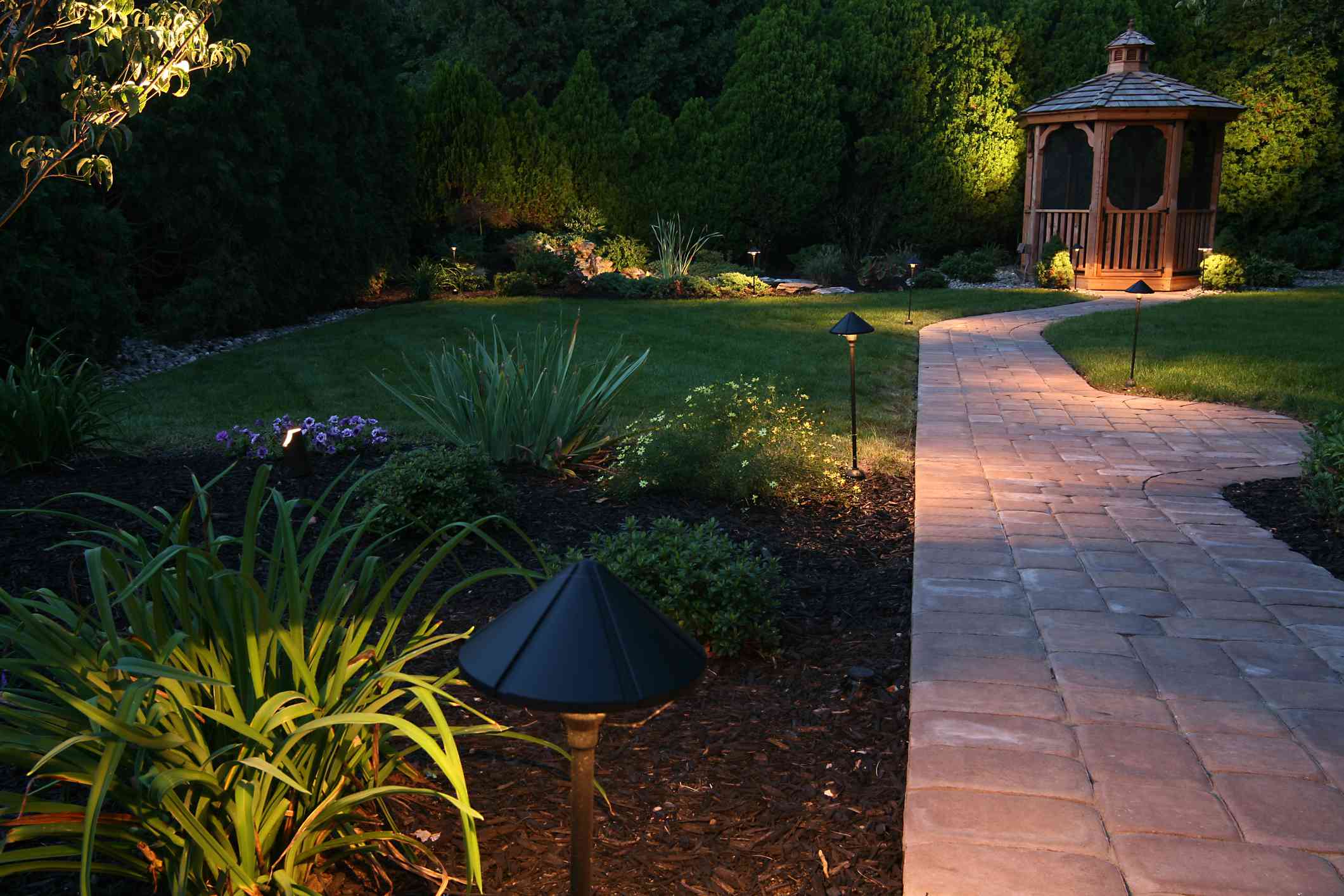
Garden path lighting is the tiny design detail that can make your yard feel like a boutique hotel, a storybook cottage, or the place where your neighbors suddenly “just happen” to walk by after sunset. It is practical, yes. It helps guests find the front door without performing a dramatic ankle twist. But the best garden path lighting ideas do more than keep shoes on stone and people out of the petunias. They add mood, shape, depth, and a little after-dark magic.
Whether you have a long brick walkway, a curving gravel path, a modern concrete route, or a narrow garden trail that disappears into your hydrangeas like it has secrets, the right outdoor path lights can transform the entire space. The trick is choosing lighting that fits your home, your plants, your budget, and the amount of effort you are willing to invest. Some homeowners love a hardwired low-voltage system. Others want solar lights they can push into the soil in fifteen minutes and then proudly call it a landscape upgrade. Both approaches can be beautiful.
Below are 15 stunning garden path lighting ideas we love, including classic fixtures, solar solutions, modern LEDs, lantern-style accents, smart lighting, and soft glow techniques that make a walkway feel inviting instead of overlit. Think of this as your friendly field guide to making your garden look expensive without requiring you to sell a kidney for curb appeal.
Why Garden Path Lighting Matters
Good pathway lighting improves safety, highlights landscape features, extends outdoor living time, and boosts curb appeal. A dark path can make even a gorgeous garden feel unfinished, while a softly lit walkway gives structure to the yard after sunset. It tells the eye where to go and makes the landscape feel intentional.
Path lighting also helps connect different zones: the driveway to the front porch, the patio to the fire pit, the vegetable garden to the back gate, or the pool area to the house. Instead of one big blast of brightness, the goal is gentle guidance. The most beautiful outdoor lighting usually feels like moonlight had a design budget.
15 Stunning Garden Path Lighting Ideas We Love
1. Classic Low-Voltage Path Lights
Classic low-voltage path lights are the reliable little black dress of landscape lighting. They work with almost every garden style, from traditional front yards to tidy suburban walkways. These fixtures are usually connected to a transformer and buried cable, giving them dependable power and consistent brightness.
Use them along stone, brick, paver, or gravel paths where year-round performance matters. Choose bronze, black, copper, or brass finishes depending on your home’s exterior. For a timeless look, place fixtures slightly away from the path edge and stagger them rather than lining them up like a runway. Unless your garden is preparing for takeoff, symmetry is not always your friend.
2. Solar Stake Lights for Easy Charm
Solar garden path lights are popular for one very good reason: they are easy. No trenching, no wiring, no transformer, no moment where you stare at electrical instructions and reconsider your life choices. Just place them in a sunny area, let the panel charge during the day, and enjoy a soft glow at night.
Solar stake lights work best in areas that receive several hours of direct sunlight. They are ideal for informal garden paths, cottage gardens, side yards, and seasonal entertaining zones. For better results, avoid placing them under dense shrubs, deep shade, or anywhere your sprinkler system behaves like a tiny weather disaster. Look for weather-resistant models with warm white LEDs for a cozy, natural effect.
3. Recessed Step Lights for Sloped Paths
If your garden path includes steps, lighting is not just decorative; it is a kindness to ankles everywhere. Recessed step lights can be installed into stair risers, retaining walls, or nearby hardscape surfaces to illuminate changes in elevation.
This idea works beautifully for terraced gardens, hillside yards, deck-to-garden transitions, and paths leading down to patios. Keep the brightness moderate and aim the light downward. The goal is to reveal each step, not make guests feel like they are entering a stadium tunnel.
4. Lantern-Style Path Lights
Lantern-style path lights bring personality and warmth to a walkway. They can look farmhouse, coastal, vintage, Moroccan, rustic, or modern depending on the frame shape and finish. Their biggest strength is ambiance. They do not just light the path; they decorate it.
Use lantern path lights near entry walks, herb gardens, seating areas, or flower beds where the fixture itself will be visible during the day. Patterned lanterns can cast beautiful shadows on gravel or stone, adding texture after dark. For a polished look, repeat the same lantern style along the path and coordinate it with porch sconces or patio lighting.
5. Bollard Lights for Modern Walkways
Bollard lights are taller, architectural fixtures that suit contemporary landscapes. They look especially sharp beside concrete pavers, linear gravel paths, minimalist planting beds, and modern homes with clean lines.
Choose shielded bollards that direct light downward or sideways instead of spraying light in every direction. Warm white LEDs soften the look and prevent the path from feeling too commercial. A row of matte black bollards beside ornamental grasses, river rock, and concrete slabs can make a backyard feel sleek without trying too hard.
6. Moonlighting from Trees Above the Path
Moonlighting is one of the dreamiest landscape lighting techniques. Instead of placing fixtures at ground level, lights are mounted high in trees and aimed downward through branches. The result is a soft, dappled effect that looks like moonlight filtering through leaves.
This approach works beautifully over winding garden paths, woodland walkways, natural stone trails, and backyard seating routes. It is more advanced than installing solar stakes, so professional help may be worthwhile. But when done well, moonlighting creates a layered, romantic glow that makes even taking out the trash feel a little cinematic.
7. Glow-in-the-Garden Ground Lights
In-ground lights, also called well lights or disk lights, sit flush with the soil, gravel, deck, or paving surface. They are excellent when you want illumination without visible fixtures interrupting the garden design.
Use ground lights to highlight path edges, sculptural plants, small trees, boulders, or architectural walls near the walkway. Solar disk lights are easy to place along informal paths, while hardwired well lights offer more power and durability. Just be careful with placement so the beam does not shine directly into people’s eyes. Nobody wants to be flash-interrogated by a flower bed.
8. String Lights Over a Garden Path
String lights are not only for patios. When suspended over a garden path, they create a festive canopy that makes the walkway feel like an outdoor room. This idea is perfect for paths leading to dining areas, pergolas, fire pits, garden gates, or backyard studios.
Use sturdy poles, fence posts, tree trunks, or pergola beams as supports. Choose outdoor-rated LED string lights for durability and energy efficiency. Keep the sag intentional and graceful, not “we got tired halfway through.” Warm bulbs add a soft glow that flatters plants, people, and even the old fence you keep meaning to repaint.
9. Mason Jar Lights for Cottage Style
Mason jar lights are charming, affordable, and delightfully unfussy. They work especially well in cottage gardens, farmhouse landscapes, vegetable gardens, and casual backyard paths. You can buy solar mason jar lights or create DIY versions with battery-powered candles or LED inserts.
Hang them from shepherd hooks, tree branches, fence posts, or small stakes beside the path. They are not usually the brightest option, so use them as accent lighting rather than the only source of visibility. Their job is to say, “Welcome to the garden,” not “Perform surgery on this walkway.”
10. Smart Path Lights with Adjustable Color
Smart outdoor path lights let you control brightness, schedules, color temperature, and sometimes color from an app or voice assistant. They are ideal for homeowners who love convenience, automation, and the occasional holiday light show that does not involve untangling seventeen feet of mystery cord.
Use warm white for everyday elegance, then shift to soft seasonal tones for celebrations. Smart path lights can also be scheduled to turn on at dusk and off later at night, which helps reduce wasted energy. They are especially useful for front walks, entertaining paths, and homes where outdoor lighting doubles as security and curb appeal.
11. Copper Path Lights That Age Beautifully
Copper garden path lights bring warmth and character to the landscape. Fresh copper looks polished and bright, while aged copper develops a natural patina over time. That changing finish can be gorgeous in cottage gardens, traditional landscapes, Mediterranean yards, and homes with natural stone or brick details.
Pair copper fixtures with lavender, rosemary, boxwood, ornamental grasses, roses, or gravel paths for a classic look. Copper is often more expensive than basic aluminum, but it has a rich, enduring presence. Consider it the path lighting equivalent of a good leather jacket: it gets better with age.
12. Hidden LED Strip Lighting Along Edges
LED strip lighting can create a clean, modern glow along path borders, raised beds, retaining walls, deck edges, or steps. When tucked beneath a lip or behind a hardscape edge, the light source disappears and the path seems to glow from within.
This idea is excellent for contemporary gardens, courtyard paths, rooftop gardens, and small spaces where bulky fixtures would feel cluttered. Use outdoor-rated, waterproof LED strips and install them where they are protected from foot traffic, standing water, and garden tools. The effect can be subtle and sophisticated, especially when the light is warm and dimmable.
13. Firefly-Style Lights in Planting Beds
Firefly-style lights, swaying reed lights, and tiny clustered LEDs can add whimsy to planting beds beside a garden path. They create sparkle and movement without overwhelming the walkway. This is a wonderful idea for pollinator gardens, children’s gardens, meadow-style plantings, or relaxed backyard paths.
Use these lights sparingly. A few glowing accents can feel magical; too many can feel like your flower bed is hosting a tiny electronic rave. Place them among grasses, coneflowers, salvia, or airy perennials where the stems can blend naturally into the planting.
14. Wall-Mounted Downlights Beside Narrow Paths
Not every garden path has room for stake lights. In narrow side yards or paths between the house and fence, wall-mounted downlights can be a smarter option. These fixtures cast light downward from walls, fences, posts, or retaining structures, keeping the walkway clear.
Choose shielded fixtures that reduce glare and keep light focused on the walking surface. This type of lighting is especially useful near gates, basement entries, trash-bin paths, and side-yard routes. It is practical, tidy, and far more attractive than tripping over a hose in the dark while pretending you meant to do that.
15. Candle-Effect Lanterns for Special Evenings
For dinner parties, weddings, holidays, or quiet evenings outside, candle-effect lanterns can make a garden path feel enchanting. Use flameless LED candles for safety, especially near dry leaves, mulch, pets, children, or guests who become dramatic after dessert.
Place lanterns at wider intervals along the path or cluster them near entries, seating areas, or garden focal points. Black metal, brass, rattan, glass, and weathered wood lanterns all create different moods. The glow should feel relaxed and intimate, like the garden dressed up but did not overdo it.
How to Choose the Best Garden Path Lighting
Match the Fixture to Your Garden Style
Before buying lights, look at the personality of your outdoor space. A formal brick path may call for brass or bronze fixtures. A modern concrete walkway may look better with black bollards or hidden LED strips. A cottage garden can handle lanterns, mason jars, and softer decorative lights. The best garden path lighting ideas feel connected to the materials, plants, and architecture already present.
Use Warm Light for a Welcoming Glow
Warm white lighting is usually the most flattering choice for gardens. It makes foliage look natural, softens stone and wood, and creates a more inviting atmosphere. Cool blue-white lighting can look harsh outdoors, especially near plants. When in doubt, choose a warm color temperature and lower brightness. Your path should whisper, not shout.
Think in Layers, Not Lines
A common mistake is placing identical lights in two straight rows along both sides of a walkway. This can make a garden path look stiff and overly staged. Instead, layer the lighting. Use path lights for guidance, accent lights for plants, downlights for steps, and lanterns for mood. Stagger fixtures and create small pools of light with gentle darkness between them. A little shadow gives the garden depth.
Choose Solar, Low-Voltage, or Hardwired Lighting
Solar lights are easy to install and ideal for sunny areas, seasonal updates, and budget-friendly projects. Low-voltage lighting offers stronger, more reliable performance and is a favorite for permanent landscape designs. Hardwired lighting may be best for complex installations, steps, walls, or smart systems, but it usually requires professional electrical work. Pick the option that fits your path, your climate, and your comfort level.
Prioritize Safety and Weather Resistance
Outdoor lighting must be rated for exterior use. Look for weather-resistant materials and fixtures designed to handle rain, heat, frost, and irrigation. For walkways, steps, and slopes, avoid fixtures that create glare or shadows in the wrong places. Good garden path lighting helps people move confidently, even while carrying groceries, party trays, or a suspiciously overfilled watering can.
Garden Path Lighting Placement Tips
Spacing depends on fixture brightness, beam spread, path width, and the mood you want. In many gardens, path lights placed several feet apart and staggered on alternate sides create a natural rhythm. For brighter fixtures, increase the spacing. For very low-output solar lights, place them closer together, but avoid crowding.
Place lights near curves, steps, gates, intersections, and changes in surface material. These are the areas where people need visual cues. If your path leads to a focal point, such as a bench, fountain, arbor, or front door, use lighting to guide the eye toward it. Think of your garden path lighting as a polite host: it should show guests where to go without grabbing them by the elbow.
Common Garden Path Lighting Mistakes to Avoid
The first mistake is overlighting. Too much brightness flattens the landscape and makes the yard feel less relaxing. The second mistake is ignoring glare. If a fixture shines directly into someone’s eyes, it does not matter how expensive it was; it is now annoying. The third mistake is mixing too many color temperatures. Warm lights, cool lights, and colored lights all fighting for attention can make a garden feel chaotic.
Another common issue is poor solar placement. Solar path lights need sunlight to charge, so placing them under dense shade usually leads to disappointment. Also, do not forget maintenance. Clean lenses, remove leaves, trim plants around fixtures, and check that lights remain upright after storms, pets, or enthusiastic lawn mowing.
of Real-Life Experience: What Garden Path Lighting Teaches You After Dark
The funny thing about garden path lighting is that you often do not know what your yard needs until you walk through it at night. During the day, everything seems obvious. The stepping stones are visible, the flower beds look tidy, and the gate is exactly where it has always been. Then the sun goes down, and suddenly your charming garden path becomes a mild obstacle course with bonus spiderwebs.
One of the best experiences related to garden path lighting is testing the space before installing anything permanent. Take a flashlight outside after dark and walk the path slowly. Notice where your feet hesitate. Notice where steps disappear, where tree roots create shadows, where the path curves, and where guests naturally pause. This simple nighttime walk reveals more than any daylight plan. It also gives you a chance to see which plants deserve attention after sunset. A Japanese maple, ornamental grass, hydrangea, boxwood hedge, or rosemary border can look completely different when softly lit from the side.
Another lesson: subtle lighting almost always looks better than bright lighting. Many homeowners start by wanting their path fully illuminated from end to end. After experimenting, they realize that a series of gentle light pools feels more elegant. Darkness is not the enemy; uncontrolled darkness is. The best designs leave soft shadows between fixtures, allowing texture and depth to remain visible. Gravel sparkles slightly, stone edges glow, and leaves cast delicate patterns. The garden becomes layered instead of flat.
Solar lights are a great first step for beginners because they are forgiving. You can move them around until the spacing feels right. Try placing them temporarily for a few nights before pushing the stakes deeply into the ground. You may discover that the lights look better staggered, set back from the walkway, or tucked near plants instead of placed directly at the edge. Low-voltage systems are more permanent, so experimenting first with temporary markers, small lanterns, or even flashlights can prevent expensive regrets.
Maintenance is another practical reality. Outdoor lights live outdoors, which means they deal with mulch, mud, pollen, rain, sprinklers, leaves, bugs, and the occasional dog who believes every new fixture is a personal announcement. Clean the lenses occasionally, trim plants that block the beam, and check fixtures after storms. A crooked path light can ruin the effect faster than you might expect. One tilted fixture can make the whole path look like it had a rough weekend.
The most rewarding part is how lighting changes the way you use the garden. A path that was only functional during the day can become an evening stroll, a route to a quiet bench, a safe way to reach the grill, or a welcoming entrance for guests. Garden path lighting invites people outside. It makes the yard feel cared for, comfortable, and complete. And when the lights click on at dusk, there is a small but satisfying moment when the garden seems to wake up for its second shift.
Conclusion
Garden path lighting is one of the most effective ways to make an outdoor space safer, prettier, and more enjoyable after dark. From classic low-voltage fixtures and easy solar stake lights to moonlighting, lanterns, bollards, smart LEDs, and hidden strip lighting, there is a path lighting idea for every style of home and every level of DIY confidence.
The best approach is thoughtful, not excessive. Use warm light, avoid glare, place fixtures where they guide movement, and let your plants and materials share the spotlight. A beautifully lit path does not need to be complicated. It just needs to make the garden feel welcoming, balanced, and a little bit magical. After all, your walkway works hard all day. It deserves to glow a little at night.
Note: This article was written in original American English and synthesized from current best practices in outdoor lighting design, landscape lighting safety, solar garden lighting, LED efficiency, and garden path styling.