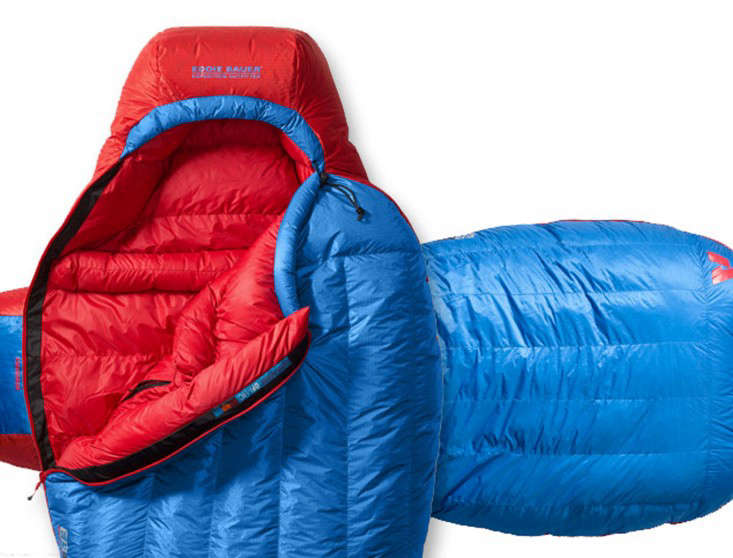
The Karakoram +20° Down Sleeping Bag is the kind of cold-weather backpacking bag that makes gear nerds lean forward in their chairs. It has the ingredients people love in a premium mountain sleeping bag: high-loft down, a protective shell, a mummy shape, and a 20°F temperature target that fits the sweet spot for many three-season trips. In simple terms, it is designed for nights when the stars look gorgeous, the tent wall is collecting condensation, and your breath is doing that tiny dragon-cloud thing.
Known in many listings and reviews as the Eddie Bauer First Ascent Karakoram 20, this sleeping bag was built around a classic formula: keep the weight low, preserve loft, block drafts, and give backpackers enough warmth for chilly shoulder-season conditions without forcing them to carry a bag that feels like a rolled-up sofa. The regular version is commonly listed at about 2 pounds 4 ounces, with 850-fill premium European goose down, a 20-denier Pertex Endurance DWR nylon shell, and dimensions around 84 inches long by 33 inches wide. Those numbers matter, but the real story is how they work together on a cold night.
This review-style guide breaks down the Karakoram +20° Down Sleeping Bag from a practical, trail-focused perspective. We will look at warmth, weight, packability, materials, comfort, weather resistance, best uses, limitations, buying considerations, and real-world experience. No campfire smoke requiredalthough, frankly, it improves the mood.
What Is the Karakoram +20° Down Sleeping Bag?
The Karakoram +20° Down Sleeping Bag is a performance mummy sleeping bag designed for backpacking, mountaineering-style travel, alpine camping, and cold three-season adventures. Its name hints at serious mountain heritage, and its design follows that personality: efficient, light, protective, and focused on warmth-to-weight performance.
The 20°F rating places it in a popular category for backpackers who want one bag that can handle more than summer campground lounging. A 20-degree down sleeping bag can be useful for spring, fall, high-elevation summer trips, desert nights, early-season alpine routes, and colder backpacking weekends where a 30°F bag starts to feel a little too optimistic. Think of it as the “I want to sleep, not negotiate with my own toes” category.
Its high-fill-power down is one of the biggest selling points. Fill power measures how much loft a given amount of down can create. Higher fill power generally means better warmth for less weight and better compressibility. At 850 fill, the Karakoram sits in premium territory. That is the same general performance class many serious backpackers look for when they want a bag that packs small, fluffs up fast, and does not punish their shoulders on a long climb.
Key Specifications at a Glance
Commonly Listed Features
- Temperature rating: 20°F
- Insulation: 850-fill premium European goose down
- Shell fabric: 20-denier Pertex Endurance nylon with DWR finish
- Shape: Mummy sleeping bag
- Regular dimensions: Approximately 84 inches long by 33 inches wide
- Regular weight: Approximately 2 pounds 4 ounces
- Fill weight: Commonly listed around 22 ounces
- Footbox: Three-dimensional design for natural foot position
- Hood: Adjustable hood for draft control
- Interior pocket: Useful for small electronics or items that should stay warm
These specs make the Karakoram +20° Down Sleeping Bag especially interesting for hikers who compare bags by weight, fill quality, and shell protection. A 20°F bag weighing a little over two pounds is not ultralight by today’s most aggressive cottage-industry standards, but it remains competitive for a full-featured down mummy bag with a weather-resistant shell and generous insulation.
Warmth: What a 20°F Down Bag Really Means
A 20°F sleeping bag does not mean every person will feel cozy at exactly 20°F in every situation. Temperature ratings are helpful, but they are not magic spells. Your warmth depends on many factors: sleeping pad insulation, base layers, metabolism, wind exposure, tent setup, humidity, fatigue, hydration, and whether dinner was a hearty backcountry meal or three sad crackers eaten while regretting your life choices.
The Karakoram +20° is best understood as a cold three-season bag. For many warm sleepers, it can work around freezing and below when paired with the right pad and clothing. Cold sleepers may prefer using it closer to the upper 20s or low 30s unless they add extra layers. For winter use, it may be part of a system, but it is not a deep-winter expedition bag. Eddie Bauer and First Ascent also offered colder Karakoram versions, including 0°F and -30°F models, which shows that the +20° version was meant to be the lighter, more versatile member of the family.
Why the Sleeping Pad Matters
The ground is a sneaky heat thief. Even the best down sleeping bag loses much of its insulation beneath your body because down compresses under weight. That is where a sleeping pad earns its dinner. A pad with a higher R-value resists heat loss better. If you use a low-R-value summer pad on a cold night, the Karakoram may feel less warm than expected, not because the bag failed, but because the ground is basically drinking your warmth with a straw.
For shoulder-season backpacking, many hikers prefer an insulated pad in the R-value range suitable for cold nights. For near-freezing or below-freezing conditions, a warmer pad can dramatically improve comfort. Pairing the Karakoram +20° Down Sleeping Bag with a strong insulated sleeping pad is one of the easiest ways to unlock its intended performance.
850-Fill Down: The Heart of the Bag
The biggest reason this sleeping bag has stayed interesting on the used and gear-review market is its 850-fill down. Down insulation works by trapping warm air in tiny spaces created by loft. The higher the fill power, the more volume one ounce of down can occupy under standardized testing. Translation: better down can create more warmth with less weight.
In the Karakoram +20° Down Sleeping Bag, 850-fill goose down gives the bag a strong warmth-to-weight ratio. It also helps the bag compress smaller in a pack and rebound when unpacked. That matters on backpacking trips where every cubic inch in the pack is already fighting for survival against food, layers, rain gear, and that one luxury item you swore you would not bring but absolutely did.
High-fill down also tends to have good longevity when properly cared for. A quality down bag can last many years if it is stored uncompressed, dried thoroughly after trips, washed carefully, and protected from oils, dirt, and repeated moisture exposure. This is one reason older premium down sleeping bags often remain desirable even after newer models appear.
Shell Fabric and Weather Resistance
The Karakoram +20° uses a 20-denier Pertex Endurance nylon shell with a durable water repellent finish. That shell is designed to be light, reasonably tough for its weight, and more protective than a basic ultralight fabric. It is not a substitute for a waterproof bivy or a dry tent, but it can help shed condensation, light moisture, and accidental contact with damp tent walls.
This is especially useful in real camping conditions. Anyone who has slept in a small backpacking tent knows the ritual: wake up, stretch, accidentally brush the ceiling, and get a cold kiss from condensation. A shell with water resistance gives the down insulation a better chance of staying lofty. Since untreated down loses performance when wet, anything that helps keep moisture away from the fill is valuable.
That said, the Karakoram +20° Down Sleeping Bag should still be treated like a down product. Keep it dry whenever possible. Use a waterproof stuff sack or pack liner in wet climates. Air it out during breaks when conditions allow. If the shell becomes damp overnight, let the bag dry before packing it away for the long term.
Comfort and Fit
The Karakoram +20° is a mummy sleeping bag, which means it is shaped to reduce dead air space and improve thermal efficiency. Mummy bags are warmer for their weight than roomy rectangular sleeping bags because your body has less empty space to heat. The tradeoff is freedom of movement. If you sleep like a calm statue, you may love the fit. If you rotate all night like a gas station hot dog, you may need to test the width before committing.
Reviews and listings commonly describe the bag as snug but not overly restrictive for average builds. The approximately 33-inch shoulder width gives it a functional mountain-bag shape without turning it into a nylon straightjacket. The three-dimensional footbox is another comfort win. It allows your feet to rest more naturally instead of being crushed flat at the bottom of the bag. Cold toes are bad. Cold, cramped toes are a tiny opera of suffering.
Hood and Draft Control
The adjustable hood is important because a surprising amount of warmth can escape around the head and neck. On warmer nights, the hood can stay loose and relaxed. When temperatures drop, cinching the hood helps trap warm air. Good draft control is one reason mummy bags remain popular for cold-weather backpacking even though quilts and hybrid sleep systems have become trendy.
The interior pocket is a small but useful feature. On cold nights, batteries drain faster, lip balm turns into a brick, and water filters can be damaged if they freeze. A pocket inside the sleeping bag gives you a place to keep small essentials warmer and easier to find in the dark. It also reduces the classic 2 a.m. tent panic: “Where did my headlamp go, and why am I touching a sock?”
Weight and Packability
At about 2 pounds 4 ounces in the regular size, the Karakoram +20° Down Sleeping Bag offers a strong balance of warmth, protection, and carry weight. It is light enough for backpacking and alpine use, especially when compared with synthetic 20°F bags or older lower-fill-power down bags. The 850-fill down helps it compress well, making it easier to fit inside a backpack with food, layers, shelter, and cooking gear.
For ultralight hikers counting every gram, there are lighter modern quilts and minimalist bags. But many of those options sacrifice features such as a full hood, more protective shell fabric, or a traditional mummy design. The Karakoram +20° is better seen as a premium technical sleeping bag rather than a bare-bones race-to-the-lowest-weight product.
Best Uses for the Karakoram +20° Down Sleeping Bag
Backpacking in Spring and Fall
This is one of the best use cases for the Karakoram +20°. Spring and fall trips often bring unpredictable nighttime temperatures. A summer bag may be too light, while a winter bag may be overkill. The Karakoram’s 20°F rating gives backpackers a practical safety margin for cold snaps, high camps, and frosty mornings.
High-Elevation Summer Trips
Mountain weather does not care what month your calendar says. In many alpine environments, summer nights can drop quickly, especially above treeline. The Karakoram +20° Down Sleeping Bag is a smart choice for hikers who camp high, start early, and want dependable warmth without carrying a heavy expedition bag.
Dry, Cold Conditions
Down performs best in dry cold. The Karakoram’s shell gives some moisture defense, but its greatest strength remains cold, relatively dry weather. Western mountain trips, desert winter camping, and crisp forest backpacking routes are all good examples.
Mountaineering-Style Travel
The First Ascent identity and Karakoram name point toward mountain use. While the +20° model is not designed for severe winter expeditions, it can be appropriate for lighter alpine objectives, summer glacier travel, and cold-weather backpacking where weight and warmth both matter.
Who Should Buy It?
The Karakoram +20° Down Sleeping Bag makes sense for backpackers who want premium down performance, a traditional mummy design, and a bag warm enough for chilly three-season nights. It is especially appealing if you find one in excellent condition on the used market, because many current high-fill-power down bags can be expensive.
It is a good match for hikers who value:
- High warmth-to-weight performance
- Compact pack size
- A protective DWR shell
- Cold three-season versatility
- A hooded mummy design
- Premium down loft and long-term durability
It may not be ideal for people who mainly car camp in warm weather, need lots of room to sprawl, frequently camp in wet environments, or prefer a modern quilt system. It also may not be the best choice for deep winter unless paired with additional insulation or used in conditions safely above its realistic comfort range.
Used-Market Buying Tips
Because the Karakoram +20° Down Sleeping Bag is often found through used gear listings, condition matters as much as specs. Before buying, ask for clear photos of the shell, lining, zipper, footbox, hood, and baffles. Look for stains, down leakage, compressed areas, odors, damaged zipper teeth, and signs of mildew. A little cosmetic wear is normal on older gear; a musty smell is a red flag wearing a tiny red flag backpack.
Ask whether the bag has been stored loose or compressed. Long-term compression can reduce loft. Also ask whether it has been washed and, if so, how. Down sleeping bags should be cleaned carefully with down-specific wash or mild appropriate cleaners, then dried thoroughly on low heat with plenty of time for the down to separate and re-loft.
If possible, let the bag loft fully before judging it. A quality down bag may look unimpressive right out of a stuff sack, then transform into a puffy warmth burrito after 30 to 60 minutes. If baffles remain flat after airing out, the down may be dirty, damaged, or unevenly distributed.
Care and Maintenance
To keep the Karakoram +20° Down Sleeping Bag performing well, treat it like a premium insulation system, not a gym towel. Store it loose in a large breathable storage sack. Avoid leaving it compressed between trips. Air it out after every outing, especially if there was condensation, sweat, or damp weather.
Use a sleeping bag liner if you want to reduce body oil and dirt buildup. This is especially helpful on longer trips. Down does not need frequent washing, but when it becomes noticeably dirty or loses loft, careful cleaning can restore performance. A front-loading washer or large commercial washer is usually preferred over an agitator-style top loader, which can stress the fabric. Drying takes patience. The bag must be completely dry before storage, or mildew can ruin your investment and your nose.
Karakoram +20° vs. Modern 20°F Down Bags
Modern sleeping bags may offer updated down treatments, revised temperature testing, more size options, lighter fabrics, and more advanced zipper systems. Some new bags use hydrophobic down and standardized ISO or EN rating data that makes comparisons easier. However, the Karakoram +20° still holds up as a well-built premium down mummy bag, especially if the condition is excellent.
Compared with many budget 20°F bags, it has better fill quality and a more technical shell. Compared with ultralight quilts, it is heavier but warmer around the head and better at blocking drafts. Compared with synthetic bags, it is more compressible and lighter for similar warmth, though less forgiving if soaked. The best choice depends on your climate, sleep style, and appetite for risk. Also your tolerance for zipper wrestling at midnight.
Practical Setup Tips for Better Sleep
To get the most from the Karakoram +20° Down Sleeping Bag, build a complete sleep system. Start with an insulated pad appropriate for the expected temperatures. Wear dry base layers, clean socks, and a warm hat or hood if needed. Eat enough before bed, because your body needs fuel to produce heat. Keep the bag dry, shake it out before sleeping, and avoid breathing directly into the hood because moisture from your breath can dampen the insulation.
On colder nights, place tomorrow’s base layers near your feet or torso so they are warm in the morning. Keep electronics and water filters inside the bag or close to your body. If you wake up cold, check your pad first, then drafts around the hood and zipper. Many “cold sleeping bag” problems are actually “cold ground” or “open hood” problems in disguise.
Real-World Experience: Living With the Karakoram +20° Down Sleeping Bag
Using a bag like the Karakoram +20° Down Sleeping Bag teaches you that comfort in the backcountry is not one big thing. It is a stack of small wins. The first win is packability. A high-fill down bag compresses into a manageable shape, leaving room in your pack for food, a rain shell, and the emergency chocolate bar that is not truly for emergencies. When you reach camp tired, that matters. Nobody wants to unpack a backpack that looks like it was loaded by an angry raccoon.
The second win comes when you pull the bag from its stuff sack and watch it loft. Premium down has a way of expanding that feels reassuring. It is visual warmth. After a long day, the bag slowly puffs up inside the tent, and suddenly the evening feels less like survival and more like a planned outdoor activity by a responsible adult. Mostly.
On a cool fall trip, the Karakoram +20° feels best when paired with a proper insulated pad and dry sleep clothes. Around camp, you may be wearing a puffy jacket, beanie, and gloves while cooking dinner. But once inside the bag, with the hood lightly cinched and the footbox filled with warm socks, the system settles into a steady warmth. The three-dimensional footbox is especially noticeable if you dislike having your toes pressed flat. You can flex your feet naturally, which is a small luxury until you have gone without it.
Condensation is where the shell earns respect. In a single-wall shelter or a small double-wall tent with poor ventilation, dampness can collect overnight. Brushing against a wet tent wall is almost inevitable. A protective shell does not make the bag waterproof, but it gives you a little breathing room. Instead of panic, you can wipe moisture away, air the bag when the sun appears, and continue the trip without feeling like your down insulation has betrayed you.
The mummy shape also feels purposeful. It is not the bag for dramatic starfish sleeping. It is the bag for turning carefully, managing drafts, and appreciating efficiency. Side sleepers may need to rotate with the bag or loosen the hood slightly. Back sleepers will probably find it more natural. The fit is part of the performance. Less empty space means less air to warm, which helps when the temperature drops before sunrise.
Morning is the real test. A good 20°F down bag does not just help you fall asleep; it helps you stay asleep through the coldest part of the night. That hour before dawn can humble even experienced campers. With the Karakoram, the best mornings are the ones where frost is outside the tent, your water bottle is chilly, and you are still reluctant to unzip because the microclimate inside the bag is excellent. That is the backcountry version of a five-star hotel, minus the shower and plus several pine needles.
Over multiple trips, the biggest lesson is that the Karakoram +20° rewards good habits. Store it loose. Keep it dry. Use a liner on long outings. Choose the right pad. Vent it when you are too warm instead of sweating into the insulation. Shake the down into place before bed. These little routines preserve loft and make the bag feel warmer for longer.
For backpackers who enjoy shoulder-season travel, the experience is confidence-building. You can plan trips when temperatures are uncertain, camp higher, and stretch your season beyond mild summer nights. The bag does not replace judgment, weather planning, or backup layers, but it gives you a strong foundation. And in the backcountry, a strong foundation is the difference between waking up refreshed and waking up at 3:17 a.m. having a philosophical debate with your knees.
Conclusion
The Karakoram +20° Down Sleeping Bag remains a compelling choice for backpackers and cold-weather campers who appreciate premium down, practical mountain design, and a reliable 20°F warmth category. Its 850-fill goose down, Pertex Endurance shell, mummy shape, adjustable hood, and thoughtful footbox make it more than a basic camping bag. It is a technical sleep system built for cold three-season use, high-elevation nights, and trips where pack weight and warmth both matter.
Its biggest strengths are warmth-to-weight performance, compressibility, and protective materials. Its main limitations are the usual realities of down: moisture sensitivity, the need for careful storage, and the importance of pairing it with an insulated sleeping pad. If you find one in good condition, the Karakoram +20° can still be a smart and satisfying piece of gear. It is warm, efficient, and just fancy enough to make you feel like your backpack has excellent taste.