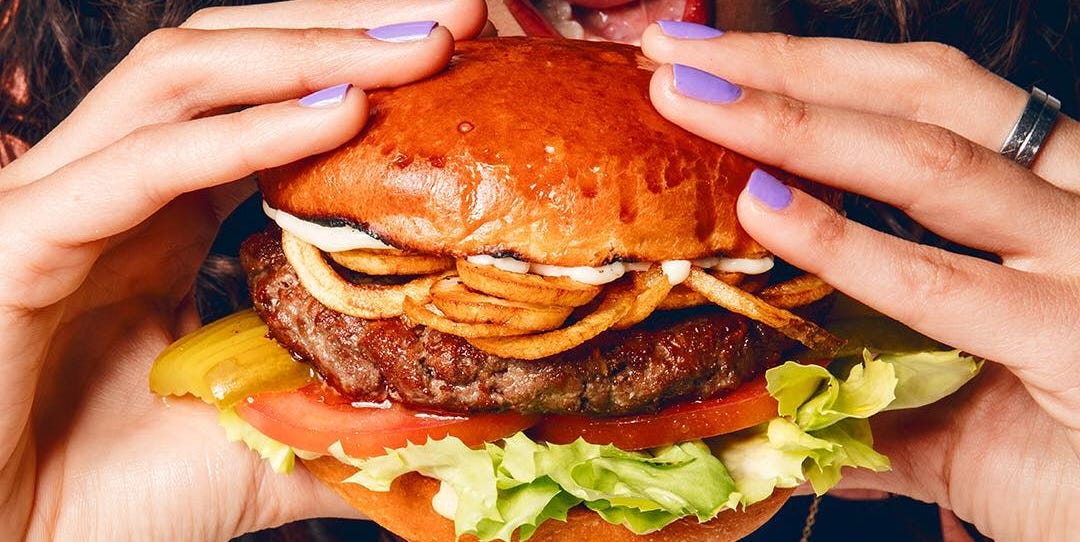
The Impossible Burger is one of those foods that can make a dinner table suddenly feel like a science fair, a barbecue, and a family debate club all at once. It looks like a burger. It sizzles like a burger. It even has that juicy, savory, “did someone just fire up the grill?” personality. But it is not made from beef. It is made from plants, food science, and one very famous ingredient called heme.
So, is the Impossible Burger healthy? The honest nutritionist-style answer is: it depends on what you are comparing it with, how often you eat it, and what else is on your plate. If you swap a greasy double cheeseburger with bacon for an Impossible Burger topped with lettuce, tomato, avocado, and a whole-grain bun, your body may send a polite thank-you note. If you eat Impossible Burgers every night with fries, soda, and “extra sauce because life is short,” the health halo gets a little wobbly.
This guide breaks down what an Impossible Burger is, what is actually in it, how its nutrition compares with beef, and whether it deserves a regular spot in a balanced diet.
What Is an Impossible Burger?
An Impossible Burger is a plant-based meat alternative created to mimic the flavor, texture, aroma, and cooking behavior of ground beef. Unlike old-school veggie burgers that proudly tasted like beans, grains, and garden optimism, the Impossible Burger was designed for people who like beef burgers but want to eat less animal meat.
The main product is often sold as Impossible Beef or Impossible Burger patties. It is commonly used in burgers, tacos, pasta sauces, meatballs, lettuce wraps, and bowls. It cooks similarly to ground beef, browns in a pan, and can be seasoned in many of the same ways.
The big idea is simple: give consumers a burger experience without using a cow. The execution, however, is more complicated. The Impossible Burger relies on plant proteins, plant oils, binders, flavorings, vitamins, minerals, and soy leghemoglobin, the ingredient responsible for much of its meaty flavor and reddish color.
Impossible Burger Ingredients: What Is Actually Inside?
The exact ingredient list may vary slightly depending on the product format and market, but current Impossible Beef products commonly include water, soy protein concentrate, sunflower oil, coconut oil, natural flavors, methylcellulose, cultured dextrose, modified food starch, yeast extract, dextrose, soy leghemoglobin, salt, vitamin E, amino acids, soy protein isolate, zinc, and B vitamins such as niacin, thiamin, vitamin B6, riboflavin, and vitamin B12.
Soy Protein Concentrate and Soy Protein Isolate
Soy is the main protein source in the Impossible Burger. This matters nutritionally because soy is a complete plant protein, meaning it contains all nine essential amino acids your body needs from food. That gives the burger a protein profile closer to animal-based meat than many traditional veggie burgers.
For most people, soy foods can fit into a healthy diet. However, Impossible products are not suitable for people with soy allergies. If soy is a problem for you, this burger is not your burger. No hard feelings; the freezer aisle is a big place.
Sunflower Oil and Coconut Oil
Sunflower oil and coconut oil help create the juicy texture and sizzling effect. Sunflower oil is mostly unsaturated fat, while coconut oil contributes saturated fat. This is one reason the Impossible Burger tastes rich, but it is also one reason nutrition experts do not treat it like a bowl of steamed broccoli wearing a burger costume.
Saturated fat is not something most Americans need more of. The current Impossible Beef nutrition profile lists about 6 grams of saturated fat per 4-ounce serving. That is lower than many 80/20 beef patties, but still significant, especially if you add cheese, mayo, bacon-style toppings, or a buttery bun.
Soy Leghemoglobin, Also Called Heme
Heme is the star ingredient that made the Impossible Burger famous. In animal meat, heme contributes to the flavor and aroma people associate with beef. Impossible Foods uses soy leghemoglobin, a heme-containing protein originally found in soy plant roots, produced through fermentation with genetically engineered yeast.
This ingredient helps the burger taste, smell, and brown more like meat. It is also why the patty has that reddish, juicy appearance before and during cooking. From a food safety standpoint, soy leghemoglobin has been reviewed by the U.S. Food and Drug Administration for use in plant-based ground beef alternatives, including as a color additive.
Methylcellulose and Other Binders
Methylcellulose is a plant-derived ingredient used to help the patty hold together. It may sound like something from a chemistry quiz you did not study for, but it is common in many processed foods. In the Impossible Burger, it helps create a cohesive texture so the patty does not crumble into a sad pile of protein confetti.
Vitamins and Minerals
Impossible products are fortified with nutrients such as iron, zinc, and B vitamins. Vitamin B12 is especially notable because it is naturally found in animal foods and is an important nutrient for people following vegan or mostly plant-based diets. Still, fortified foods should complementnot replacea varied eating pattern.
Impossible Burger Nutrition Facts
Nutrition facts can vary by product, recipe, and serving size. A typical current 4-ounce serving of Impossible Beef provides approximately:
| Nutrient | Approximate Amount Per 4-Ounce Serving |
|---|---|
| Calories | 230 |
| Protein | 19 grams |
| Total Fat | 13 grams |
| Saturated Fat | 6 grams |
| Cholesterol | 0 milligrams |
| Sodium | 370 milligrams |
| Fiber | 5 grams |
| Iron | About 4 milligrams |
That is a strong protein number for a plant-based patty. The fiber is also a plus compared with beef, which contains no fiber. The zero cholesterol is another advantage for people trying to reduce dietary cholesterol. However, the sodium and saturated fat deserve attention.
Is the Impossible Burger Healthy?
The Impossible Burger can be part of a healthy diet, but it is not automatically a health food. Think of it as a bridge food: useful for people trying to reduce red meat, convenient for mixed-diet households, and satisfying for burger cravings. But it is still a processed food, not the nutritional equivalent of lentils, beans, tofu, vegetables, or whole grains.
The Health Benefits
It provides plenty of protein. With around 19 grams of protein per 4-ounce serving, the Impossible Burger can help support satiety, muscle maintenance, and balanced meals.
It contains no cholesterol. Since it is made from plants, it has zero dietary cholesterol. This is a meaningful difference from beef, which naturally contains cholesterol.
It offers fiber. A beef patty has no fiber. Impossible Beef provides about 5 grams per serving, which helps move it in a better direction nutritionally.
It may help reduce red meat intake. Many health organizations recommend limiting red and processed meat, particularly for heart and colorectal health. If an Impossible Burger helps someone enjoy a familiar meal while eating less beef, that can be a practical step.
It is convenient. Healthy eating is not only about nutrients on paper. It is also about what people can actually cook on a Tuesday night while tired, hungry, and being stared down by a refrigerator that appears to contain only mustard and emotional support pickles.
The Nutrition Concerns
It is high in sodium compared with plain beef. A 4-ounce serving contains about 370 milligrams of sodium before you add a bun, sauces, cheese, pickles, fries, or restaurant seasoning. For people watching blood pressure, kidney health, or overall sodium intake, this matters.
It contains saturated fat. The coconut oil helps with texture but also adds saturated fat. Six grams per patty is not extreme, but it is not tiny either. A burger meal with cheese and creamy sauce can push saturated fat up quickly.
It is ultra-processed. The Impossible Burger is made from isolated proteins, oils, binders, flavorings, and added nutrients. That does not make it “bad,” but it does mean it should not replace whole plant proteins like beans, lentils, chickpeas, edamame, tofu, tempeh, nuts, and seeds.
It contains soy. Soy is fine for many people, but it is a major allergen. People with soy allergies should avoid Impossible products.
It may create a health halo. “Plant-based” sounds virtuous, but a plant-based burger can still become a high-calorie meal depending on toppings and sides. French fries are also plant-based. So is cotton candy. Plants are innocent; preparation is where things get spicy.
Impossible Burger vs. Beef Burger
Compared with an 80/20 ground beef patty, the Impossible Burger usually has similar calories and protein, less cholesterol, some fiber, and often less saturated fat. However, it also has more sodium than plain, unseasoned beef.
From a nutritionist’s perspective, the Impossible Burger is not clearly “better” in every category. It wins on cholesterol and fiber. It may win on saturated fat compared with fattier beef. Beef wins on having fewer ingredients and lower sodium when cooked at home without added salt. The better choice depends on your health goals.
If your goal is to reduce red meat for heart health, cancer risk reduction, animal welfare, or environmental reasons, Impossible can be a useful substitute. If your goal is to eat fewer processed foods, a homemade bean burger, grilled portobello mushroom, lentil patty, or turkey burger may be a better everyday option.
Impossible Burger vs. Traditional Veggie Burger
Traditional veggie burgers are usually made from ingredients like beans, grains, mushrooms, vegetables, seeds, or soy. They often taste less like beef but may be lower in saturated fat and less processed, depending on the brand or recipe.
The Impossible Burger is designed for meat-like satisfaction. A black bean burger is designed to be a black bean burger. That may sound obvious, but it matters. If you want something that fools your uncle at a cookout, Impossible has the advantage. If you want more whole-food ingredients and less saturated fat, a bean- or lentil-based burger may be the stronger nutrition pick.
Who Should Consider Eating Impossible Burgers?
Impossible Burgers may be a good fit for people who want to reduce beef without giving up burger-style meals. They can also help families where one person is vegetarian or flexitarian and another person believes dinner is not dinner unless something sizzles.
They may also be helpful for restaurants, schools, offices, and events that want a plant-based option with broad appeal. Many people who dislike traditional veggie burgers enjoy Impossible because it feels familiar.
Who Should Be Careful?
People with soy allergies should avoid Impossible Burgers. People limiting sodium should pay close attention to the whole meal, not just the patty. People managing heart disease, high cholesterol, or high blood pressure should consider how often they eat these burgers and what toppings they use.
Anyone trying to build a minimally processed diet should treat Impossible Burgers as an occasional convenience food rather than a daily protein foundation. A balanced plant-based diet should still lean heavily on whole foods: beans, lentils, tofu, tempeh, vegetables, fruit, whole grains, nuts, and seeds.
How to Make an Impossible Burger Healthier
The patty is only one part of the meal. The supporting cast can either make it more balanced or turn it into a sodium-and-saturated-fat parade.
Choose a Better Bun
Use a whole-grain bun when possible. It adds fiber, texture, and a more satisfying bite. If you are watching carbohydrates, try a lettuce wrap or serve the patty over a salad bowl with roasted vegetables.
Add Produce Like You Mean It
Top your burger with lettuce, tomato, onion, pickles, avocado, sprouts, grilled mushrooms, roasted peppers, or slaw. The more colorful the toppings, the more the meal starts acting like lunch instead of a drive-thru dare.
Go Easy on Cheese and Creamy Sauces
Cheese, mayo, aioli, and creamy dressings can quickly add saturated fat, sodium, and calories. Mustard, salsa, hot sauce, hummus, guacamole, or a yogurt-based sauce can be lighter options.
Serve It With Smart Sides
Instead of fries every time, try roasted sweet potatoes, a side salad, grilled vegetables, corn on the cob, fruit salad, or a bean salad. You still get a satisfying meal without making the burger carry the entire nutritional performance review.
A Nutritionist-Style Verdict
The Impossible Burger is not a magic health food, but it is not nutritional villainy in patty form either. It is a high-protein, plant-based meat alternative that can help reduce beef intake while still delivering the burger experience many people crave.
The biggest advantages are protein, zero cholesterol, fiber, fortified nutrients, and convenience. The biggest drawbacks are sodium, saturated fat, soy allergen concerns, and its ultra-processed nature.
For most healthy adults, eating an Impossible Burger occasionally is perfectly reasonable. For everyday meals, rotate in less processed proteins such as lentils, beans, tofu, tempeh, eggs if you eat them, fish if you eat seafood, poultry, nuts, and seeds. Variety is the real nutrition superhero. The cape is optional.
Real-Life Experience: What Eating an Impossible Burger Feels Like
The first thing most people notice about an Impossible Burger is that it does not behave like the veggie burgers of the past. There is no crumbly bean situation, no dry puck texture, and no immediate need to drown it in ketchup just to survive the meal. It browns nicely, smells savory, and has enough fat to feel indulgent. For someone trying it for the first time, the experience can be surprisingly close to eating a regular burger.
At home, the easiest way to cook it is in a hot skillet or on a grill. It develops a good crust, especially if you resist the urge to poke it every twelve seconds like an anxious burger detective. A little black pepper, garlic powder, smoked paprika, or onion powder works well, but be careful with added salt because the patty already contains sodium. If you are used to seasoning plain beef heavily, you may need to adjust your habits.
One practical benefit is that it fits smoothly into familiar meals. You can use it for tacos with lettuce, salsa, avocado, and black beans. You can crumble it into marinara sauce for a meatless pasta night. You can make sliders for guests who are plant-curious but suspicious. It is especially useful when feeding a group with different eating preferences because it feels less like a compromise than many older vegetarian options.
The taste is rich and savory, but not exactly identical to beef. Some people notice a slightly different aftertaste, while others barely notice once toppings are added. A toasted bun, crunchy pickles, tomato, mustard, and crisp lettuce make a big difference. Texture-wise, it is one of the more convincing plant-based options, which explains why many meat eaters are willing to try it without making dramatic facial expressions.
From a nutrition experience standpoint, the burger is filling. The protein and fat help with satiety, and the added fiber gives it an advantage over beef. However, it can also feel heavy if paired with fries, cheese, creamy sauce, and a large bun. A lighter plate with vegetables or salad tends to make the meal feel balanced rather than sleepy. In other words, the Impossible Burger can be part of a smart meal, but it still appreciates adult supervision.
The best use case is occasional enjoyment. It is great for cookouts, quick dinners, restaurant meals, and transition periods when someone is cutting back on beef but not ready to fully embrace chickpea patties. It is less ideal as a daily “health food” replacement. If you eat it once or twice a week as part of a varied diet, it can be a helpful tool. If it becomes your only plant protein, your menu may need more beans, lentils, tofu, vegetables, and whole grains.
The bottom line from the plate is simple: the Impossible Burger delivers on convenience and taste better than many people expect. It is enjoyable, flexible, and satisfying. Just build the meal wisely, watch the sodium and saturated fat, and remember that plant-based eating is at its healthiest when it includes actual plantsnot only products made from them.
Note: This article is for general educational purposes and is based on current publicly available nutrition information and mainstream health guidance. Product formulas and nutrition labels can change, so readers should check the package label and consult a qualified healthcare professional for personal dietary advice.