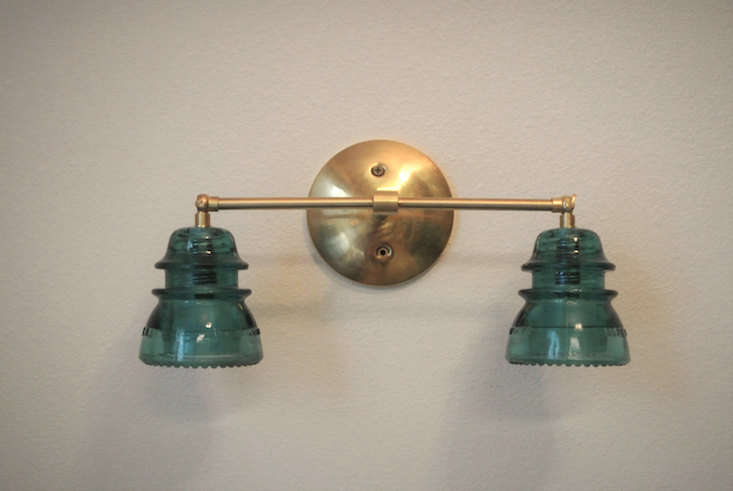
There are two kinds of lighting in this world: the kind that quietly does its job, and the kind that makes guests pause mid-sentence and say, “Wait, where did you get that?” Handmade lighting belongs firmly in the second camp. It has personality, texture, and just enough imperfection to remind you that a humannot a warehouse robot named Garyhad a hand in making it.
One of the best examples of this charm-meets-value approach is the story of Pepe & Carols, the handmade home goods shop created by husband-and-wife design duo Krystal and Keith Ziobron. Their work, originally spotlighted by Remodelista, combines vintage influence, reclaimed materials, industrial details, and an approachable price point. The result is lighting that feels collected, not copied; warm, not showroom-stiff; and stylish without requiring you to sell your dining table in order to afford a pendant above it.
In an era when mass-produced fixtures can look suspiciously identical from one online store to another, well-priced handmade lighting offers something more satisfying: a sense of origin. You can see the maker’s eye in the finish, the proportions, the hardware, and the way a simple bulb suddenly becomes a design feature. Handmade lighting is not just about illumination. It is about atmosphere, craftsmanship, and giving your home a little wink of originality.
Why Handmade Lighting Has Become a Design Favorite
Lighting has always been one of the secret weapons of interior design. Paint changes a room. Furniture fills a room. But lighting decides whether the room feels like a cozy café, a boutique hotel, or a dentist’s waiting area where joy goes to file paperwork.
Designers often talk about layered lighting: ambient lighting for the overall glow, task lighting for practical activities, and accent lighting for mood and visual interest. Handmade fixtures fit beautifully into this formula because they rarely feel generic. A wall sconce with a raw brass arm, a pendant with a reclaimed shade, or a plug-in lamp with vintage-style hardware can act as both a useful light source and a small sculptural object.
The renewed interest in handcrafted home decor also connects with a broader shift away from overly polished, mass-produced interiors. Homeowners increasingly want spaces that feel personal, collected, and lived in. Handmade lighting supports that mood because it naturally carries texture, variation, and story. It says, “Someone made this,” which is much more interesting than “This was item 7B in a 600-piece container shipment.”
The Pepe & Carols Appeal: Vintage Soul, Practical Prices
Pepe & Carols stands out because the brand was built on a love of antiques, travel, and useful objects. Krystal and Keith Ziobron’s story includes time in Oakland, a cross-country chapter in a Volkswagen Vanagon, antique buying and selling, and a later home base in Reno, Nevada. That background matters because their lighting does not look like it was designed by committee in a conference room with bad coffee. It looks discovered, refined, and made by people who understand the pleasure of old materials and honest hardware.
Their lighting style often leans industrial, vintage, and quietly rustic. Think simple wall sconces, utilitarian brackets, exposed bulbs, metal details, aged finishes, and shapes that feel familiar without being boring. These pieces work especially well in kitchens, entryways, bathrooms, reading corners, mudrooms, and small apartments where every design choice has to pull its weight.
The phrase “well-priced” is important here. Handmade does not always mean affordable. Some artisan lighting lives in the luxury zone, where a chandelier costs more than a used car and still does not come with cup holders. Pepe & Carols represents a more accessible lane: handmade lighting that brings character and craftsmanship into everyday homes without drifting into museum-piece pricing.
What Makes Handmade Lighting Worth Buying?
1. It Adds Character Without Overdecorating
A handmade sconce or pendant can transform a plain wall faster than most decorative accessories. Because lighting naturally draws the eye, even a small fixture can become a focal point. This is especially useful in rooms where you do not want clutter. A sculptural wall light beside a bed, for example, can replace both a table lamp and unnecessary tabletop decor.
The best handmade lighting has enough personality to be noticed but enough restraint to age well. That balance is crucial. A fixture should not scream for attention like it just discovered karaoke. It should create a point of interest while still supporting the room around it.
2. It Works with Vintage, Modern, Farmhouse, and Industrial Styles
One reason handmade Etsy lighting has such broad appeal is its flexibility. A simple brass sconce can look elegant in a traditional hallway, relaxed in a farmhouse kitchen, or sharp in a modern loft. A blackened metal pendant can feel industrial over a kitchen island but cozy above a breakfast nook when paired with warm bulbs and natural wood.
Pepe & Carols-style fixtures are especially good at mixing old and new. Their antique-inspired forms can soften contemporary interiors, while their clean silhouettes prevent rustic rooms from feeling too themed. No one wants a kitchen that looks like it requires a butter churn unless there is actual excellent bread involved.
3. It Supports Small Creative Businesses
Etsy’s marketplace is built around independent sellers offering handmade, designed, vintage, or creatively sourced goods. When you buy handmade lighting from a small design studio, you are often supporting a real person or family business rather than a faceless chain. That does not automatically guarantee quality, of course, but it does create a more direct relationship between buyer and maker.
For shoppers, this can mean more customization options, clearer communication, and a better understanding of how the piece is made. For makers, platforms like Etsy offer a way to reach design-minded buyers without needing a traditional retail showroom. It is a modern craft economy with better search filters and fewer awkward craft-fair folding tables.
4. It Can Be More Sustainable Than Buying New Mass-Produced Fixtures
Handmade lighting often uses durable materials such as brass, steel, glass, ceramic, reclaimed wood, or repurposed vintage components. Many makers also produce in smaller batches, which can reduce waste compared with trend-driven mass production. When a fixture is built to last and designed with timeless proportions, it is less likely to end up in the donation pile after one decorating season.
Energy efficiency matters too. Pairing handmade fixtures with quality LED bulbs can significantly reduce electricity use compared with old incandescent bulbs. LEDs also produce less heat and last longer, making them a sensible match for fixtures you plan to enjoy for years.
How to Choose Well-Priced Handmade Lighting on Etsy
Look Closely at Materials
Good handmade lighting starts with materials. Brass, steel, aluminum, ceramic, glass, and hardwood can all be excellent choices, depending on the design. Read descriptions carefully. “Brass finish” is not the same as solid brass, and “vintage style” is not the same as actual vintage parts. Neither is bad, but you should know what you are buying.
For a warm, aged look, brass and bronze finishes are especially popular. For a crisp industrial mood, blackened steel or matte black metal works well. For softer spaces, ceramic shades, linen-covered cords, or milk glass can add a gentler glow.
Check Dimensions Like Your Future Self Depends on It
Online lighting can be deceptive. A pendant may look heroic in a styled photo and then arrive looking like it was designed for a dollhouse breakfast nook. Always check height, width, depth, canopy size, cord length, and shade diameter before ordering.
For wall sconces, pay attention to projectionthe distance the fixture extends from the wall. This matters in narrow hallways, bathrooms, and bedside areas. A beautiful sconce that pokes you in the shoulder every morning is not charming. It is a tiny architectural grudge.
Read Reviews and Shop Policies
Reviews can tell you a lot about quality, packaging, shipping speed, and customer service. Look for comments about sturdiness, finish accuracy, installation experience, and whether the fixture matched the photos. Also read the shop’s return policy, especially for custom or made-to-order lighting.
Handmade work can require longer processing times than big-box inventory. That is not a problem if you plan ahead. It is, however, a problem if your electrician is coming tomorrow morning and your custom sconce is still a polite idea in someone’s workshop.
Ask About Safety and Certification
Lighting is beautiful, but it is also electrical. That means safety should be part of the buying decision. For hardwired fixtures, ask whether components are UL-listed or tested to applicable standards, and have installation handled by a qualified electrician. For plug-in fixtures, inspect cords, plugs, switches, sockets, and bulb wattage limits.
Any reputable lighting seller should be able to provide basic information about materials, wiring, bulb compatibility, and installation requirements. If a listing is vague, ask questions before buying. A good lamp should light up your room, not your anxiety.
Where Handmade Lighting Works Best in the Home
Kitchen
The kitchen is one of the best places for handmade lighting because it benefits from both function and warmth. A pair of handmade pendants above an island can soften cabinetry and appliances. A wall-mounted sconce above open shelving can create a relaxed, restaurant-like glow. If your kitchen has brass rails, vintage hardware, or natural wood, handmade fixtures can tie those materials together beautifully.
Bedroom
Bedside sconces are a smart alternative to table lamps, especially in small rooms. Plug-in handmade sconces are useful for renters or anyone who does not want to open the wall. Choose warm bulbs and consider adjustable arms if you read in bed. Bonus: wall sconces free up nightstand space for books, water, glasses, and the mysterious collection of receipts no one wants to discuss.
Bathroom
Handmade lighting can make a bathroom feel less builder-basic. Sconces beside a mirror are often more flattering than a single overhead light, because they reduce harsh shadows. For bathroom use, make sure the fixture is appropriate for damp locations and installed safely. This is not the room for electrical improvisation. Water and guesswork are not a design trend.
Entryway
An entryway sets the tone for the whole home. A handmade pendant, lantern-style fixture, or compact wall sconce can make the space feel intentional, even if the entry is small. Choose a fixture that gives enough light for keys, shoes, and last-minute mirror checks, but also adds personality. The goal is “welcome home,” not “airport security checkpoint.”
Living Room
In living rooms, handmade lighting works best as part of a layered plan. Combine overhead lighting with table lamps, floor lamps, wall sconces, and accent lights. A handcrafted fixture can help prevent the room from feeling flat, especially when paired with textured textiles, vintage furniture, art, and plants.
How to Style Handmade Lighting Without Trying Too Hard
The secret to styling handmade lighting is restraint. Let the fixture breathe. If you install a strong handmade pendant, you do not need six competing statement pieces nearby. Give it space, repeat one material elsewhere in the room, and let the design feel intentional.
For example, a brass wall sconce can connect with brass cabinet pulls, a vintage mirror, or a picture frame. A black metal pendant can echo black window frames or chair legs. A ceramic lamp can relate to handmade pottery on a shelf. These small repetitions make a room feel pulled together without making it look like everything came from a matching set.
Bulb choice is equally important. Warm white bulbs, generally in the soft 2700K to 3000K range, tend to flatter handmade materials and create a cozy atmosphere. Clear bulbs can emphasize vintage or industrial fixtures, while frosted bulbs reduce glare. If the bulb is exposed, treat it as part of the design.
The Value Equation: Price, Craft, and Longevity
Well-priced handmade lighting is not necessarily the cheapest lighting. That distinction matters. Cheap lighting often wins on upfront cost but loses on finish quality, proportions, durability, and long-term satisfaction. A well-priced handmade fixture offers a better balance: accessible cost, visible craftsmanship, practical function, and enough design integrity to stay appealing over time.
When evaluating price, consider what is included. Is the fixture made to order? Are the materials solid or plated? Is the wiring included? Is the canopy included for hardwired installation? Is the cord length customizable? Is the piece assembled in the United States? Is the seller available for questions? These details can justify a higher price than a mass-produced alternative.
A good handmade light can also reduce the need for extra decor. One handsome sconce can do the work of a lamp, wall accent, and conversation starter. That is efficient design. It is also helpful if your decorating budget has recently been attacked by groceries, utilities, and that one “small” home project that somehow involved three trips to the hardware store.
Common Mistakes to Avoid When Buying Handmade Lighting
Buying Only for Looks
Yes, beauty matters. But lighting must function. Before buying, decide what the fixture needs to do. Is it for reading, general glow, task work, or accent? A beautiful low-output fixture may be perfect for ambiance but frustrating above a kitchen prep area.
Ignoring Installation Requirements
Hardwired sconces and pendants need proper electrical boxes, safe wiring, and code-compliant installation. Plug-in fixtures are simpler, but cords still need to be routed safely. Never hide extension cords under rugs or use temporary wiring as a permanent solution.
Choosing the Wrong Scale
Scale can make or break a lighting choice. Too small, and the fixture disappears. Too large, and it bullies the room. Measure carefully and compare the fixture size with nearby furniture, ceiling height, and wall space.
Forgetting About Bulb Compatibility
Always check maximum wattage, socket type, dimmer compatibility, and whether LED bulbs are recommended. A fixture with an exposed bulb may look best with a decorative LED bulb, while a shaded fixture may need a frosted bulb for softer diffusion.
Personal Experience: Living with Well-Priced Handmade Lighting
My favorite experience with handmade lighting is that it changes how a room feels before anyone can explain why. A few years ago, I helped refresh a small dining nook that had all the classic symptoms of “almost there” design: decent table, decent chairs, decent walls, and one very sad ceiling light that looked like it had been chosen during a power outage. The room was functional, but it had no mood. Dinner felt less like a ritual and more like a meeting with forks.
Instead of buying a large statement chandelier, we chose a modest handmade pendant with a simple metal shade and warm brass details. It was not flashy. It did not look like a spaceship. It did not require anyone to say “bespoke” in a serious voice. But the moment it was installed, the entire nook felt calmer, warmer, and more finished. The brass picked up the tone of a vintage frame on the wall. The shade directed light downward, making the table feel intimate. The handmade finish added just enough variation to keep the fixture from looking sterile.
That is the power of this kind of lighting. It does not need to dominate a room to improve it. In fact, the best handmade pieces often feel as if they have always belonged there. They make a space look collected over time, even if you assembled the room mostly through online orders, weekend errands, and mild panic.
I have also learned that handmade lighting encourages better design decisions elsewhere. Once you install a fixture with real character, you start noticing the surrounding details. Suddenly the too-cool light bulbs feel wrong. The plastic switch plate looks lonely. The art on the wall wants to be raised two inches. Handmade lighting has a funny way of making a room confess its unfinished business.
Another benefit is emotional durability. Trendy fixtures can become tiring quickly, especially when they are too strongly tied to a specific look. Handmade lighting with simple materialsbrass, steel, ceramic, glass, woodusually ages more gracefully. It may develop patina. It may show small variations. Instead of looking worn out, it often looks better with time. That is a quality mass-produced decor tries very hard to imitate, usually by calling something “aged” while it is still warm from the factory.
When shopping for handmade lighting, I have found that communication matters. Ask the maker questions. Confirm dimensions. Mention where the fixture will be used. Independent sellers often provide helpful details that large retailers cannot. Sometimes they can adjust a cord length, suggest a bulb, or explain the finish more clearly. This makes the buying process feel more personal and usually leads to a better result.
The biggest lesson is simple: buy lighting slowly. A room can survive for a while with a temporary fixture, but the wrong permanent fixture will annoy you every single day. Handmade lighting rewards patience. Measure the space, compare options, think about the glow, and choose a piece that supports how you actually live. A good handmade light is not just decor. It becomes part of the daily rhythm of the roomthe morning coffee glow, the evening reading pool, the soft light that makes Tuesday leftovers feel slightly more glamorous.
Conclusion: Handmade Lighting That Looks Special, Not Spendthrift
Well-priced handmade lighting from an Etsy design duo like Pepe & Carols shows why small-scale design still matters. These fixtures bring together the best parts of vintage inspiration, practical function, and artisan personality. They prove that a home does not need expensive designer lighting to feel thoughtful, warm, and original.
For shoppers, the key is to look beyond the pretty photo. Study materials, dimensions, safety details, reviews, and installation requirements. Choose fixtures that fit your room’s lighting needs, not just your mood board. When you get it right, handmade lighting can become one of the most rewarding upgrades in a home: useful every day, beautiful every night, and charming enough to make even a hallway feel like it has a point of view.
In a world full of copy-and-paste decor, handmade lighting offers something refreshingly human. It glows, it works, it tells a story, and if chosen well, it does all of that without emptying your wallet. That is not just good lighting. That is design with a pulse.