Losing a cat is one of those heartbreaks that sneaks right under the door, curls up in the quietest room of your life, and refuses to leave. One day your cat is knocking pens off the desk like a tiny furry CEO, and the next you are wondering how to say goodbye with dignity, safety, and love. If you are searching for how to bury a cat, you are probably not looking for a cold checklist. You are looking for clear guidance during a tender moment.
This guide walks you through 12 practical steps for burying a cat at home where it is legal and appropriate. It covers what to check before digging, how deep to bury a cat, what to wrap your cat in, how to choose a safe burial spot, and how to create a small memorial that feels meaningful instead of overwhelming. It also explains when cremation, a pet cemetery, or help from a veterinarian may be the better option.
Before we begin, one important reminder: laws and local rules matter. Some U.S. cities, counties, rental agreements, and homeowners associations restrict backyard pet burial. Your veterinarian, local animal control office, municipal website, or county health department can usually point you in the right direction.
Before You Bury a Cat: What You Need to Know
A home burial can be comforting because it keeps your cat close to the place they knew best. But it should be done carefully. The main concerns are legality, sanitation, depth, distance from water sources, underground utility lines, and whether your cat died from a contagious disease or after receiving certain medications. When in doubt, call your veterinarian. They can explain aftercare options such as private cremation, communal cremation, aquamation where available, or referral to a pet cemetery.
If you live in an apartment, rent a home, plan to move soon, have a high water table, or cannot safely dig deep enough, backyard burial may not be the best choice. That does not mean your goodbye is any less loving. A memorial box, urn, framed paw print, planted flowers, or donation to a cat rescue can be just as meaningful.
How to Bury a Cat: 12 Steps
1. Take a Quiet Moment Before Making Decisions
When a cat dies, the first few minutes or hours can feel unreal. You may feel numb, guilty, panicked, or strangely practical. All of that is normal. If your cat has passed at home, move them gently to a cool, safe place while you decide what to do. Use gloves or a towel, especially if there are fluids, wounds, or signs of illness.
If you are unsure whether your cat has died, contact a veterinarian. Do not rely only on appearance. A vet can confirm death and help you decide whether burial, cremation, or another option makes sense. This is especially important if your cat died suddenly, was exposed to toxins, or may have had a contagious disease.
2. Check Local Laws, HOA Rules, and Rental Agreements
Before you dig, make sure backyard cat burial is allowed where you live. In the United States, there is no single national rule for pet burial. Regulations can come from state law, city ordinances, county health rules, environmental rules, lease agreements, and HOA policies. Translation: the legal situation can be as fussy as a cat deciding whether the new expensive bed is acceptable.
Call your city or county animal services office, local health department, or veterinarian. If you rent, ask your landlord in writing. If you live in an HOA community, check the rulebook before choosing a spot. Never bury a cat on public land, in a park, near a trail, on a roadside, or on property you do not own unless you have explicit permission.
3. Decide Whether Home Burial Is the Best Option
Home burial is not the only respectful choice. Private cremation returns your cat’s ashes to you. Communal cremation is usually less expensive but does not return individual ashes. Pet cemeteries offer dedicated burial plots and markers. Some veterinary clinics can arrange aftercare directly, which can be a relief when your brain feels like it has too many browser tabs open and all of them are sad.
Choose home burial only if it is legal, physically possible, and environmentally safe. Avoid home burial if your yard floods, sits close to a stream or well, has very rocky soil, or if you cannot dig a deep enough grave. Also speak with your veterinarian if your cat was euthanized, because some medications can be dangerous to scavenging animals if remains are disturbed.
4. Gather Supplies Before You Begin
Preparing supplies first keeps the process calm. You may need gloves, a shovel, a biodegradable cloth or towel, an untreated wooden or cardboard box, a measuring tape, a marker stone, and a few personal items such as a note, photo copy, or favorite toy. Choose natural materials whenever possible. Cotton, linen, paper, cardboard, and untreated wood are better than plastic.
Avoid sealing your cat in a plastic bag for burial. Plastic slows natural decomposition and is not environmentally friendly. If you need to temporarily contain the body before burial, use a towel and a sturdy container, then transfer your cat into biodegradable wrapping before placing them in the grave.
5. Choose a Safe, Peaceful Burial Location
Pick a spot that is meaningful but practical. A quiet corner of the yard, near a tree, beside a flower bed, or under a favorite sunny window can feel right. But safety comes first. The burial site should be far from wells, streams, ponds, drainage ditches, vegetable gardens, and areas where rainwater collects.
Do not choose a spot that may be disturbed by future construction, landscaping, fence posts, or utility work. Think long term. If you may sell the home soon, consider whether leaving your cat there will bring comfort or future sadness. Some people prefer cremation for this reason, allowing them to keep their companion close even if they move.
6. Call 811 Before Digging
Even a small grave can be deep enough to hit underground utility lines. In the U.S., homeowners should contact 811 before digging. Utility operators can mark buried gas, electric, water, sewer, and communication lines. It may feel odd to make a utility request for a pet burial, but it is far less awkward than accidentally meeting a gas line with a shovel.
Make the request a few days before you plan to dig, then wait for the markings. Respect the painted lines and flags. If the safest memorial spot sits too close to marked utilities, choose another location. Grief is hard enough without adding a neighborhood power outage to the schedule.
7. Dig the Grave Deep Enough
A common recommendation for a cat burial is to dig deep enough so there are at least 2 to 3 feet of soil above the body or burial container. Many guides suggest a total grave depth of about 3 to 4 feet, depending on the size of the cat, the container, soil conditions, and local rules. The goal is to reduce odor, prevent scavenging, and protect the burial site.
Measure from the top of your cat or the top of the burial box to the surface of the ground. That distinction matters. A shallow grave is more likely to be disturbed by wildlife, dogs, erosion, or heavy rain. If you cannot dig deep enough because of rocks, roots, frozen ground, or physical limitations, ask a friend for help or consider cremation.
8. Prepare Your Cat with Care
Wrap your cat in a soft biodegradable cloth, such as cotton or linen. Some families include a handwritten letter, a small blanket, a paper flower, or a favorite toy made of natural material. Keep it simple. Your cat does not need a royal treasure chamber, although many cats behaved as if they were ancient monarchs and we were merely staff.
If children are involved, let them participate in age-appropriate ways. They might draw a picture, pick flowers, choose a stone, or say a few words. Avoid forcing anyone to view the body or take part. Grief is personal, and children often move in and out of sadness in quick bursts.
9. Place Your Cat Gently in the Grave
Lower your cat into the grave slowly and respectfully. If you are using a box, make sure it is untreated and biodegradable. If you are using only cloth, place your cat on a layer of soil and keep the wrapping secure. This is often the hardest moment, so take your time.
You may want to say something simple: “Thank you for being my friend,” “You were loved every day,” or “Go find the warmest sunbeam.” There is no correct script. If all you can do is cry, that counts. If you laugh because you remember your cat stealing turkey from a sandwich in 2019, that counts too.
10. Fill the Grave and Protect the Site
Return the soil gradually, pressing it down gently as you go. Avoid stomping aggressively; the goal is firmness, not a wrestling match with the earth. Mound the soil slightly because it may settle over time. You can place a flat stone, paver, or marker on top to discourage digging by animals.
If you live in an area with raccoons, coyotes, foxes, or loose dogs, extra protection may be needed. A heavy stone marker, secure fencing, or choosing a less accessible location can help. Do not use chemicals, poisons, or anything that could harm wildlife or pets.
11. Create a Memorial That Feels Like Your Cat
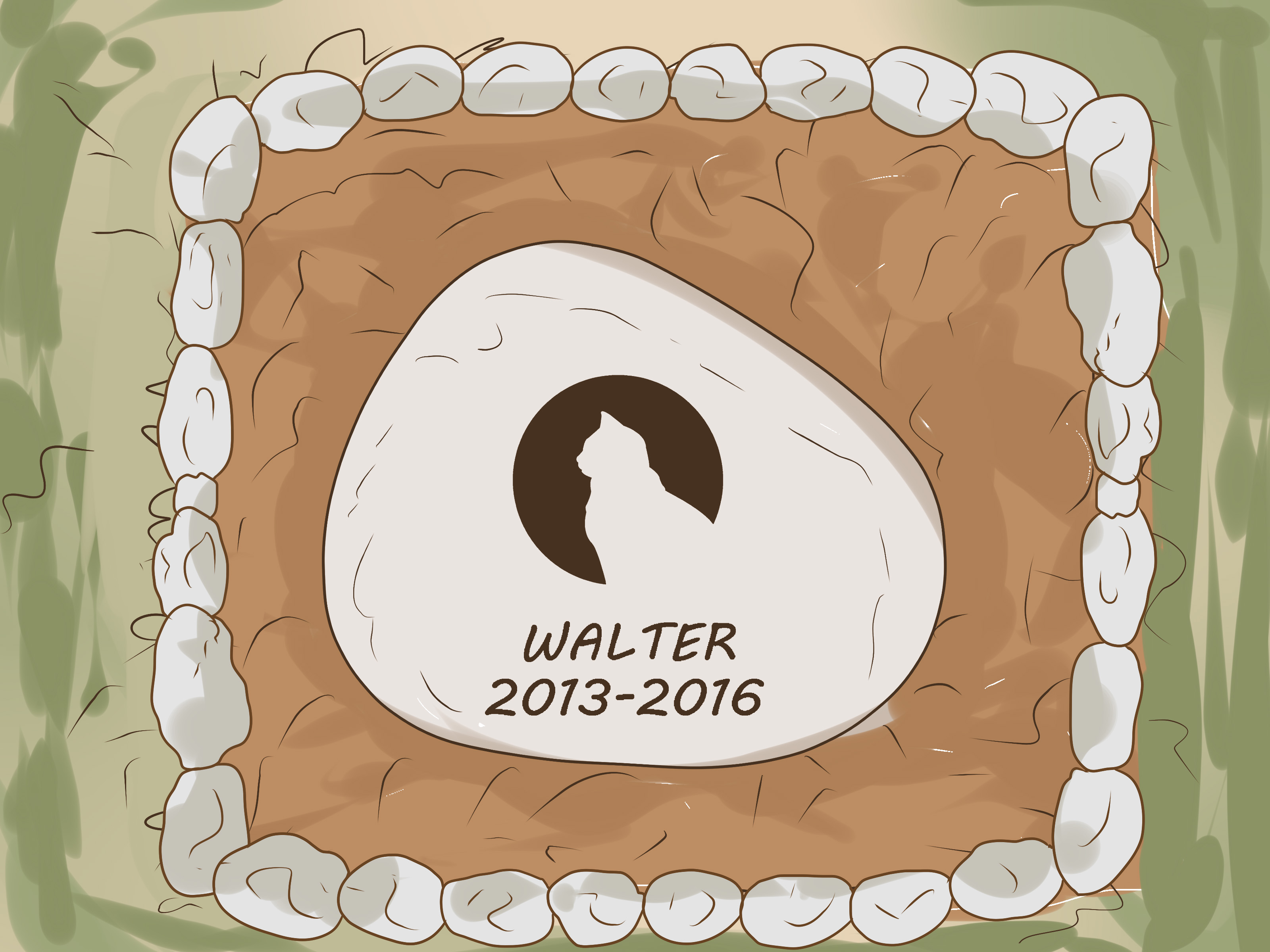
A memorial does not have to be expensive. A simple stone with your cat’s name, a small garden sign, a painted rock, or a plant can be enough. Choose non-toxic plants if other pets roam the area. Cat-safe memorial garden ideas include catnip in a pot, rosemary, wheatgrass, or certain pet-safe flowers, but always double-check plant safety before planting.
You can also create an indoor memorial with a photo, collar, paw print, whisker keepsake, or candle. Some people write a letter to their cat. Others make a donation to a shelter. The point is not to perform grief correctly. The point is to give your love somewhere to go.
12. Give Yourself Time to Grieve
After burial, the house may feel painfully quiet. You may expect to hear paws in the hallway, a meow at breakfast, or the dramatic thump of a cat landing somewhere they absolutely were not supposed to be. Pet grief is real because the bond is real. Your cat was part of your routine, your home, and your emotional weather.
Talk to someone who understands. If friends minimize the loss, seek support from pet-loss hotlines, veterinary school grief resources, online support groups, or a counselor. There is no deadline for feeling better. Healing usually arrives in small pieces: one less painful morning, one funny memory, one day when the empty food bowl no longer knocks the breath out of you.
Common Mistakes to Avoid When Burying a Cat
Skipping the Legal Check
It may be tempting to dig first and ask questions later, but pet burial rules can vary widely. A quick call can prevent legal trouble, neighbor conflict, or the painful need to move remains later.
Burying Too Shallow
A shallow grave can attract scavengers and may be disturbed by weather. Make sure there is enough soil above the body or burial box. If the ground is too hard, wait, ask for help, or choose another aftercare option.
Choosing a Wet or Flood-Prone Area
A low corner of the yard may look peaceful until the first heavy rain turns it into a tiny swamp. Avoid drainage paths, soggy soil, and locations close to natural water sources.
Using Non-Biodegradable Materials
Plastic bags, synthetic blankets, and treated wood are poor choices for burial. Natural cloth, cardboard, or untreated wood is more appropriate for an environmentally mindful goodbye.
Ignoring Emotional Needs
Some people focus so hard on the practical steps that grief catches up later like a cat launching from behind the sofa. Build in time to sit, remember, cry, or simply be quiet.
When You Should Not Bury a Cat at Home
Do not bury a cat at home if local rules prohibit it, if you do not own the property, or if your lease or HOA says no. Avoid home burial if your cat died from a disease that may pose a public-health concern, if the body cannot be buried promptly, or if the soil conditions make safe burial impossible. You should also avoid burying a cat near wells, streams, ponds, vegetable gardens, public walkways, utility lines, or areas where other animals are likely to dig.
If your cat was euthanized, ask your veterinarian about safe handling and burial. Many veterinarians recommend cremation when there is concern that wildlife could disturb the remains. This is not meant to frighten you; it is simply part of responsible aftercare.
How Deep Should You Bury a Cat?
For many home burials, the practical target is a grave deep enough to leave at least 2 to 3 feet of soil above the cat or burial container. In many yards, that means digging approximately 3 to 4 feet deep. Local rules may require more specific depths, so always check before digging. The deeper soil cover helps reduce odor and protects the grave from scavenging animals.
Depth is not the only factor. The site should also be dry, away from water, away from utilities, and stable enough that the soil will not wash out. If you cannot meet these conditions, cremation or a pet cemetery is safer.
What Should You Wrap a Cat in for Burial?
Wrap your cat in a biodegradable material such as cotton, linen, a paper-based shroud, or a favorite natural-fiber blanket. You can also use an untreated wooden box or sturdy cardboard box. Avoid plastic, rubber, synthetic foam, and treated lumber. If you include keepsakes, choose items that will not pollute the soil.
Many people choose one small object: a letter, a flower, a bit of catnip, or a paper heart. It does not need to be elaborate. Your cat cared more about your lap, your voice, and possibly your unattended glass of water than any fancy accessory.
How to Help Children Say Goodbye to a Cat
Children may understand death differently depending on age. Use clear, gentle language. Saying “the cat went to sleep” can confuse young children or make them afraid of sleep. Instead, say something like, “Milo died, which means his body stopped working, and he cannot feel pain anymore.”
Let children ask questions. They may ask the same question several times. They may cry for five minutes and then ask for a snack. That does not mean they are not grieving; it means they are children. Give them a role if they want one: choosing flowers, drawing a picture, placing a stone, or naming the memorial plant.
Experience Section: What It Feels Like to Bury a Cat
Burying a cat is practical work wrapped around a very soft center. The shovel goes into the soil, and suddenly every ordinary thing feels too loud: a passing car, a neighbor’s lawn mower, a bird that picked the worst possible time to sound cheerful. You may find yourself thinking about strange little details. The way your cat’s ears twitched when you opened a can. The exact sound of their paws on the floor. The suspicious speed with which they appeared whenever cheese entered the room.
One common experience is guilt. People wonder if they waited too long, acted too soon, missed a symptom, chose the wrong food, or should have noticed something earlier. This is painfully normal. Cats are experts at hiding illness, and love does not come with X-ray vision. If your decisions were made with care and the information you had at the time, you gave your cat what every pet deserves: a person trying their best.
Another experience is the awkwardness of logistics. You are grieving, but you still need a shovel. You still need to call the vet. You still need to check whether backyard burial is allowed. It can feel almost rude that the world expects paperwork and planning when your heart is sitting on the floor. That is why a simple checklist helps. It gives your hands something to do while your mind catches up.
The burial itself can feel final in a way nothing else does. Placing your cat in the ground may bring a wave of sadness that feels bigger than expected. Some people talk to their cat during this moment. Some apologize. Some say thank you. Some say nothing at all. Silence can be a complete sentence when love is heavy.
Afterward, many owners describe returning to the house and noticing the empty spaces. The food dish. The favorite chair. The window ledge with no whiskered security guard. This is often when grief becomes real. A helpful ritual is to keep one small routine for a few days: light a candle at the same time, sit near the burial spot, write down one memory, or say goodnight. Rituals are not magic, but they give grief a shape.
Over time, the burial site may become less painful and more comforting. You may find yourself pulling a weed from the marker, brushing leaves away, or smiling at a memory you could not bear at first. The goal is not to “move on” as if your cat was a misplaced umbrella. The goal is to carry the love differently. Eventually, the place where you said goodbye can become a place where you remember the whole story, not just the last page.
Final Thoughts on How to Bury a Cat
Learning how to bury a cat is really learning how to handle love after loss. The safest process is simple: pause, confirm local rules, choose an appropriate location, call 811 before digging, use biodegradable materials, dig deep enough, protect the site, and create a memorial that feels honest. If home burial is not legal or safe where you live, cremation or a pet cemetery can still provide a loving goodbye.
Your cat’s life was not defined by the burial. It was defined by the mornings, the meows, the ridiculous sleeping positions, the slow blinks, the zoomies, and the quiet companionship only a cat can give. A careful burial is one final act of care, but the love already happened. That part stays.