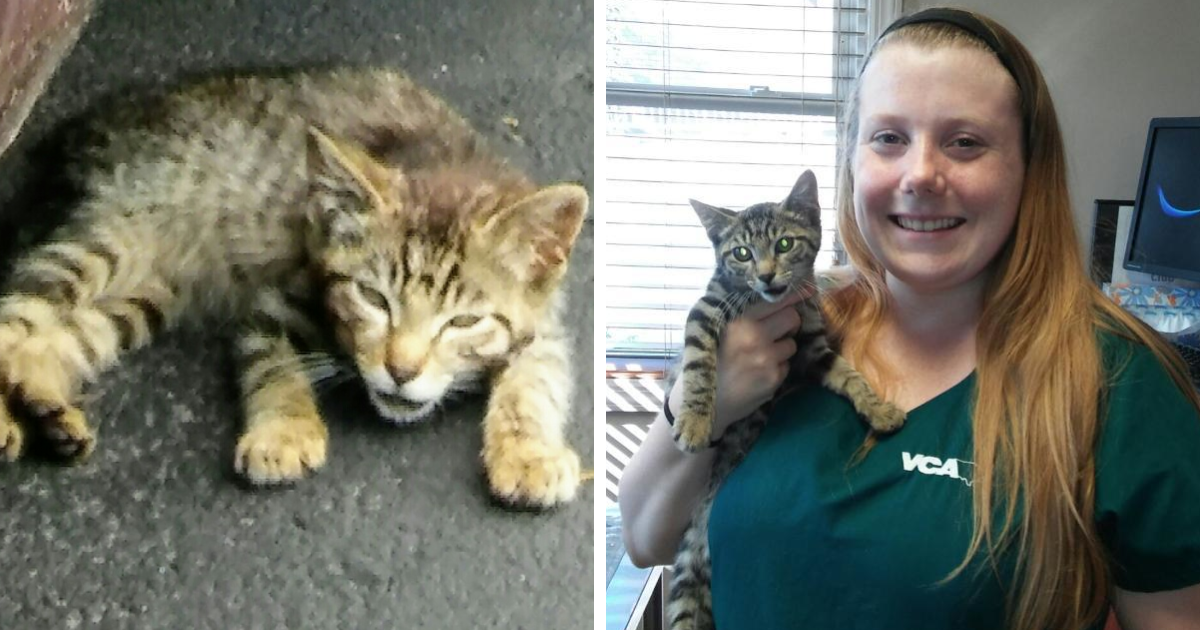
Some rescue stories begin with a heroic leap, a dramatic soundtrack, and someone shouting, “Don’t worry, I’ve got this!” Ours began with a tiny kitten hiding under a stack of old boards, looking like he had lost a boxing match with the universe and was still trying to purr about it. He was dusty, frightened, painfully thin, and his little jaw sat at an angle that made our stomachs drop. That was the day we rescued a kitten with a broken jaw and named him Keanu.
The name came later, after the emergency vet visit, after the nervous waiting, after the first soft blink that said, “Fine, humans, you may serve me.” But even in those first scary minutes, he had the calm, soulful energy of a tiny action hero who had clearly survived more than any baby animal should. Keanu seemed right. Gentle. Tough. A little mysterious. Possibly capable of dodging imaginary slow-motion bullets once healed.
This is not just a story about one injured kitten. It is also a story about what happens when compassion meets practical action. Rescuing an injured kitten requires more than a warm heart. It requires quick decisions, veterinary care, patience, quiet space, soft food, careful monitoring, and the ability to accept that a creature weighing less than a loaf of bread can completely rearrange your life.
The First Moment: Finding Keanu
We first heard him before we saw him. It was not a loud cry, more like a weak squeak from somewhere low and hidden. Kittens in distress often do not have the energy to announce themselves dramatically. They tuck themselves into corners, under porches, near trash bins, in sheds, or beside fences. Keanu had chosen a cluttered area behind a neighbor’s storage space, where he could hide from weather, people, and whatever had injured him.
When we moved closer, he tried to retreat, but only half-heartedly. His body was saying, “Run,” while his strength was saying, “Absolutely not, tiny sir.” His face was swollen, his fur was dirty, and he had trouble closing his mouth. There was drool around his chin, and he did not seem able to eat the small bit of wet food we offered nearby. That was the sign that changed everything from “found kitten” to “medical emergency.”
With stray or community kittens, the best first step is usually to observe from a distance and determine whether the mother cat is nearby. Mother cats often leave briefly to find food and may return once humans step away. But when a kitten appears injured, weak, cold, struggling to breathe, or unable to eat, waiting too long can be dangerous. Keanu’s jaw injury made the decision clear: he needed professional help immediately.
Safe Rescue Comes Before Good Intentions
Injured animals are scared animals. Even the tiniest kitten can bite, scratch, panic, or wedge himself into a space that requires three adults, a flashlight, and a sudden interest in carpentry to solve. We approached slowly, speaking softly and keeping movements low. A towel became our rescue tool: not glamorous, but extremely useful. Wrapping a frightened kitten gently in a towel can help protect both the animal and the rescuer while limiting movement.
We placed Keanu in a carrier lined with a clean towel. We did not try to examine his mouth deeply, push the jaw back into place, give human medication, or force food into him. Those are tempting mistakes because panic makes people want to “do something.” But with suspected jaw fractures, oral trauma, or head injuries, rough handling can worsen pain or damage. The safest move was transport, warmth, and veterinary care.
On the ride to the clinic, Keanu was quiet. That scared us more than crying would have. A kitten who has enough energy to complain may still be fighting hard. A kitten who goes silent may be conserving every bit of strength. We kept the carrier steady, avoided loud music, and spoke in the calmest voices we could manage. Inside, of course, we were basically a weather system of anxiety.
The Veterinary Diagnosis: A Broken Jaw
The veterinarian confirmed what we feared: Keanu had a jaw fracture. Jaw fractures in cats can happen after trauma such as falls, vehicle accidents, animal attacks, or blunt impact. In a tiny kitten, even a relatively small injury can create serious problems because eating, drinking, grooming, and normal development all depend on a functional mouth.
The vet checked his hydration, temperature, pain level, gums, breathing, and overall body condition. Imaging helped determine the location and severity of the fracture. Not every jaw fracture is treated the same way. Some stable fractures may heal with supportive care and restricted chewing, while more complicated fractures can require stabilization, wiring, splints, plates, external fixation, or other surgical techniques. In some cases, a feeding tube may be recommended so the cat can receive nutrition while the jaw heals.
For Keanu, the plan focused on pain control, careful stabilization, infection prevention, nutrition, and close monitoring. The first relief was knowing he had a chance. The second relief was seeing the staff handle him with the kind of calm competence that makes you want to name an entire wing of your house after veterinary technicians.
Why Mouth Injuries Are So Serious in Kittens
Cats are famously good at hiding pain. A kitten may not yowl or act dramatic even when something is very wrong. Instead, signs can be subtle: drooling, dropping food, refusing meals, chewing on one side, pawing at the mouth, bad breath, swelling, bleeding, or suddenly becoming withdrawn. In Keanu’s case, his inability to eat normally was the biggest warning sign.
For kittens, missed meals are especially dangerous. Their bodies are growing quickly, and they do not have the same reserves as adult cats. A kitten with a jaw injury can become dehydrated or weak fast. That is why veterinary treatment is not optional in a suspected broken jaw. Love is powerful, but love cannot take X-rays, prescribe safe pain medication, or stabilize a fracture. Love can, however, drive very carefully to the vet while whispering, “Please be okay, little dude,” at every red light.
Bringing Keanu Home: The Recovery Room
When Keanu was stable enough to come home, our house changed immediately. A quiet room became his recovery suite. We removed anything he could chew, climb, knock over, or use to launch an unnecessary adventure. Kittens are small, but their ability to find danger is almost artistic. Electrical cords were secured, trash bins were covered, plants were moved, and the room was set up with soft bedding, a shallow litter box, water, and vet-approved food.
The goal was simple: keep him safe, calm, warm, and fed. The reality was slightly less simple because Keanu quickly developed opinions. He disliked one blanket but loved another. He rejected a bowl until it was moved three inches to the left. He accepted gentle chin scratches but only after performing a full background check on our fingers. Recovery is medical, yes, but it is also emotional. A rescued kitten needs time to learn that hands can heal, rooms can be safe, and meals will keep arriving.
Feeding a Kitten With a Healing Jaw
Feeding was the part that made us most nervous. With jaw injuries, the exact feeding plan must come from a veterinarian because the wrong texture, bowl height, or feeding method can cause pain or interfere with healing. Keanu’s meals were soft, easy to lap, and served in small portions. We watched for signs of discomfort, fatigue, drooling, or frustration.
At first, every successful bite felt like winning a tiny championship. There was no trophy, unless you count the food smears on the towel, which Keanu apparently considered modern art. We learned to measure progress in small things: one more lick, a cleaner chin, a little more energy, a nap with paws tucked under instead of tense and guarded.
We also learned that nutrition is not only about calories. For a recovering kitten, food is reassurance. The routine of meals tells him the world is becoming predictable. The quiet voice beside the bowl tells him he is not alone. The full belly tells his body it can heal.
Pain Management and Medication: Follow the Vet, Not the Internet
One of the most important lessons from Keanu’s rescue was this: never guess with medication. Cats are sensitive to many substances that people can tolerate, and human pain relievers can be extremely dangerous for them. Keanu received only medications prescribed by the veterinarian, at the exact dose and schedule provided.
Medication time required patience. We kept a written schedule, checked off doses, and watched for changes in appetite, stool, energy, and behavior. If something seemed off, we called the clinic instead of consulting a random comment thread written by someone named “CatWizard1978.” The internet is useful for general education, but your veterinarian is the one who has examined the animal in front of you.
The Emotional Side of Kitten Rescue
Rescuing Keanu was not a straight line from tragedy to adorable Instagram moment. It was messy. It was expensive. It involved worry, laundry, phone calls, and several moments of standing in the kitchen whispering, “Are we doing this right?” That is normal. Rescue work can be emotionally intense because you are caring for a life that cannot explain what hurts.
There were days when Keanu looked better, and we celebrated. There were days when he seemed tired, and we panicked. Healing often happens in tiny uneven steps. A kitten may improve, plateau, then improve again. The key is to follow the medical plan, keep follow-up appointments, document changes, and avoid making emotional decisions based on one good or bad hour.
Socialization: Teaching Keanu That People Can Be Safe
Once Keanu’s pain was controlled and he was strong enough to engage, we began gentle socialization. Socializing a kitten does not mean overwhelming him with cuddles. It means gradually helping him become comfortable with normal human sights, sounds, smells, and handling. We sat near him without reaching. We read aloud. We offered food from a safe distance. We let him choose contact when possible.
His first real purr sounded like a broken lawn mower inside a teacup. It was glorious. Soon he began leaning into our hands, kneading his blanket, and giving us the slow blink that cat people recognize as a tiny royal blessing. He still startled easily, especially at sudden noises, but each day he recovered a little more confidence.
Trust, like bone, needs time to knit back together.
The Cost of Compassion: Planning for Emergency Rescue
One practical reality of rescuing an injured kitten is cost. Veterinary exams, imaging, medication, surgery, follow-up visits, special food, and supplies can add up quickly. Not everyone can take on every case alone, and that does not make them unkind. The compassionate response may be contacting a rescue, shelter, humane society, veterinary clinic, or community cat organization that can help coordinate care.
Before Keanu, we thought rescue meant scooping up a kitten and offering love. After Keanu, we understood that rescue also means phone numbers, transport plans, clean towels, savings if possible, and humility. Sometimes the best hero is not the person who does everything personally. Sometimes the best hero is the person who connects the animal to the people and resources that can save him.
How Keanu Changed Our Home
As Keanu healed, he became less like a patient and more like a tiny roommate with strong design opinions. He discovered sunbeams. He discovered that paper bags make excellent caves. He discovered that humans are slow but trainable. He also discovered his reflection and briefly appeared to consider filing a formal complaint against the other kitten in the room.
His personality emerged in pieces. He was gentle but brave, cautious but curious. He liked soft voices, warm laundry, and sitting near the window as if monitoring neighborhood security. He had survived pain, hunger, fear, and uncertainty, yet he still wanted connection. That is the part of animal rescue that never stops amazing me: how often wounded animals remain willing to trust.
What To Do If You Find an Injured Kitten
If you find a kitten who appears injured, weak, cold, underweight, unable to eat, bleeding, limping, struggling to breathe, or separated from the mother for too long, act quickly but calmly. Keep yourself safe, use a carrier or towel if needed, and contact a veterinarian, animal shelter, rescue group, or animal control agency. If the kitten is not visibly injured and appears clean, plump, and quiet, observe from a distance to see whether the mother returns. A mother cat is often the best caregiver for very young kittens when she is present and healthy.
For injured kittens, do not delay care in hopes that the problem will resolve on its own. Do not give human medication. Do not force-feed a kitten who may have mouth trauma. Do not try to repair a jaw, pull teeth, clean deep wounds, or diagnose the injury yourself. Your job is safe containment, warmth, and fast professional help.
Why Stories Like Keanu’s Matter
Keanu’s story matters because it reminds us that rescue is not only about saving one adorable animal, though that would be enough. It is also about changing how we notice suffering. Once you have rescued a kitten from a hiding place, you become more aware of the quiet corners of the world. You look under parked cars. You listen when you hear a small cry. You understand why spay and neuter programs, foster homes, community cat care, and shelter support are not abstract causes. They are the difference between suffering unseen and being given a chance.
Every kitten rescued with a broken jaw, infected eye, injured leg, or empty belly represents a larger truth: compassion works best when it is organized. Kindness starts the rescue. Knowledge improves it. Veterinary care makes healing possible. Patience carries everyone through.
Conclusion: Keanu’s Second Chance
We rescued a kitten with a broken jaw and named him Keanu, but in many ways, he rescued something in us too. He reminded us that small lives are not small at all. He taught us that healing can be slow, funny, expensive, inconvenient, and absolutely worth it. He turned our quiet room into a recovery ward, our schedule into a medication chart, and our hearts into complete mush.
Today, when Keanu curls up in a patch of sunlight, jaw healed and eyes half-closed, it is hard to believe he was once that frightened little shape under the boards. He is still a little dramatic about dinner. He still believes every blanket belongs to him. He still carries the mysterious dignity of someone who has seen things and would prefer his wet food slightly warmer, thank you.
But he is safe. He is loved. And his story proves that sometimes, the smallest rescue can leave the biggest paw print.
Additional Experience Notes: What Keanu Taught Us About Rescue, Patience, and Tiny Comebacks
The experience of caring for Keanu taught us that rescue is not a single brave moment. It is a series of small promises repeated every day. The first promise was simple: get him help. The next promises were quieter: keep the room clean, give the medicine on time, watch his appetite, stay calm when progress feels slow, and celebrate every sign that his body and spirit are returning.
One of the biggest lessons was learning to slow down. Humans love quick transformations. We want the before-and-after photo, the dramatic glow-up, the moment when the kitten leaps into our arms and inspirational music plays. Real rescue is usually less cinematic. Some days, Keanu’s biggest achievement was eating a few more bites. Some days, it was letting us sit closer. Some days, it was sleeping deeply enough that his paws twitched, which felt like proof that he finally believed he was safe.
We also learned that a recovery space matters more than fancy supplies. Keanu did not need a luxury kitten condo with velvet curtains and a personalized room-service menu, although he would absolutely have accepted one. He needed warmth, cleanliness, soft bedding, easy access to food and water, a litter box he could enter comfortably, and a peaceful environment. The small room helped us monitor him closely. We could see whether he had eaten, used the litter box, rested well, or seemed uncomfortable.
Another experience that stayed with us was the emotional roller coaster of follow-up care. Veterinary checkups can feel nerve-racking because you want only good news. But follow-ups are where healing is measured properly. They help confirm whether the jaw is aligning, whether pain is controlled, whether nutrition is adequate, and whether the plan needs adjusting. Each visit made us more confident, not because everything was magically perfect, but because we had information.
Keanu also taught us that trust cannot be rushed. At first, he flinched when hands moved too quickly. So we changed our behavior instead of expecting him to change overnight. We announced ourselves before entering. We placed food down and stepped back. We let him smell our hands. We avoided grabbing unless it was medically necessary. The reward was not instant, but it was beautiful. One evening, he climbed into a lap on his own, turned in three tiny circles, and fell asleep like he had signed a long-term lease.
The funniest part of recovery was watching his personality arrive before his coordination fully caught up. He wanted to play before he was ready for wild activity, so we offered gentle enrichment: soft toys, quiet interaction, and safe observation from his window spot. He would track birds with enormous seriousness, as if he were managing airport traffic. He became especially fond of a crinkly toy that made him look proud every time he conquered it. For a kitten who had once struggled to eat, seeing him play felt like witnessing joy return to the room.
If there is one practical takeaway from Keanu’s story, it is this: do not let fear of imperfection stop you from helping. You do not have to know everything before you act. You only need to take the next responsible step. Call the vet. Contact a rescue. Create a safe space. Ask questions. Follow instructions. Keep records. Wash the blankets again. Rescue is built from ordinary actions performed with extraordinary care.
Keanu’s broken jaw healed, but the experience left a lasting mark on us. It made us better listeners, better planners, and better advocates for vulnerable animals. It showed us that compassion is not soft or passive. Compassion is practical. It carries a carrier, makes the appointment, pays attention, and stays for the slow work of healing. And sometimes, when everything goes right, compassion grows up into a healthy cat named Keanu who steals your chair and somehow makes you grateful for the privilege.