Vitamin B1, also called thiamin or thiamine, is not the flashiest nutrient in the supplement aisle. It does not usually get celebrity endorsements, neon labels, or dramatic “miracle” promises. But behind the scenes, this humble B vitamin is doing essential work every single day. It helps your body turn food into usable energy, supports your nervous system, assists heart function, and keeps your brain running like a well-charged laptop instead of a phone stuck at 2% battery.
Because thiamin is water-soluble, the body stores only small amounts of it. That means you need a steady supply from food. Fortunately, many everyday foods contain vitamin B1, including whole grains, enriched breads and cereals, pork, beans, peas, lentils, seeds, nuts, and some fish. In the United States, enriched grain products make thiamin deficiency less common than it once was, but deficiency can still happen, especially in people with poor nutrient intake, alcohol use disorder, malabsorption, bariatric surgery history, chronic illness, or higher needs.
This guide explains what vitamin B1 does, the best thiamin-rich foods, the benefits of getting enough, signs of deficiency, and practical ways to build B1 into real meals without turning your kitchen into a biochemistry lab.
What Is Vitamin B1 (Thiamin)?
Vitamin B1 is one of the eight B vitamins. Its main job is helping enzymes convert carbohydrates, fats, and proteins into energy the body can use. In more scientific terms, thiamin is converted into thiamin diphosphate, a coenzyme involved in energy metabolism and nerve function. In normal-person terms: thiamin helps your cells unlock fuel from food.
This matters because your brain, heart, muscles, and nerves are energy-hungry tissues. They do not appreciate being underfed. When thiamin intake stays too low, symptoms can appear in several systems at once, including the nervous system, digestive system, muscles, and cardiovascular system.
Why Vitamin B1 Is Important for the Body
1. It Helps Turn Food Into Energy
One of thiamin’s biggest roles is supporting energy metabolism. It helps the body process carbohydrates, which are a major energy source for the brain and muscles. That does not mean vitamin B1 is a stimulant or a shortcut to “instant energy.” It will not make a sleepy Monday feel like a superhero origin story. But without enough thiamin, the body has a harder time using food efficiently.
2. It Supports Brain and Nerve Health
Your nervous system relies on thiamin for normal function. Low levels can contribute to tingling, numbness, weakness, poor coordination, confusion, irritability, and memory issues. Severe deficiency can lead to serious neurological conditions, including Wernicke encephalopathy and Wernicke-Korsakoff syndrome, which require urgent medical care.
3. It Plays a Role in Heart Function
Thiamin deficiency can affect the heart and circulation. Severe deficiency may cause “wet beriberi,” a form of thiamin deficiency that affects the cardiovascular system. Symptoms may include rapid heartbeat, shortness of breath, swelling in the legs, and signs of heart failure. This is one reason persistent deficiency symptoms should never be brushed off as “just being tired.”
4. It Helps Maintain Appetite and Digestion
Early thiamin deficiency can show up as loss of appetite, nausea, abdominal discomfort, or general digestive unease. Of course, those symptoms can have many causes. But when they appear alongside fatigue, irritability, weakness, or nerve symptoms, vitamin B1 status may be worth discussing with a healthcare professional.
How Much Vitamin B1 Do You Need?
The recommended daily intake for thiamin varies by age, sex, and life stage. For most adults, the recommended dietary allowance is about 1.2 milligrams per day for men and 1.1 milligrams per day for women. During pregnancy and breastfeeding, needs increase to about 1.4 milligrams per day.
Those numbers may sound tiny, but tiny does not mean optional. Vitamins are like the small parts in a machine: nobody notices the little bolt until the whole thing starts rattling. Since the body does not store large reserves of thiamin, regular intake matters more than heroic once-a-month “health kicks.”
Best Foods High in Vitamin B1
Getting vitamin B1 from food is usually straightforward when meals include whole grains, legumes, seeds, nuts, and protein-rich foods. Here are some of the best thiamin foods to add to your plate.
Pork
Pork is one of the richest natural sources of thiamin. Lean pork tenderloin, pork chops, and other cuts can provide a meaningful amount of vitamin B1 in a normal serving. Pairing lean pork with brown rice and vegetables creates a balanced meal with protein, fiber, and several B vitamins.
Whole Grains
Brown rice, oatmeal, whole wheat bread, barley, and other whole grains contain thiamin naturally. Whole grains also bring fiber, magnesium, and other nutrients to the party, which makes them a smarter everyday choice than heavily refined grains that have lost much of their original nutrient content.
Enriched Breads, Cereals, Pasta, and Rice
In the United States, many refined grain products are enriched with thiamin and other B vitamins after processing. This is one reason thiamin deficiency is less common in the general U.S. population. Enriched breakfast cereal, bread, pasta, and white rice can contribute vitamin B1, although choosing mostly whole or minimally processed grains is still a strong nutrition habit.
Beans, Lentils, and Peas
Legumes are budget-friendly, filling, and rich in several nutrients, including thiamin. Black beans, navy beans, lentils, split peas, and green peas are easy to add to soups, burritos, salads, stews, and grain bowls. They also provide plant-based protein and fiber, which helps meals feel satisfying.
Seeds and Nuts
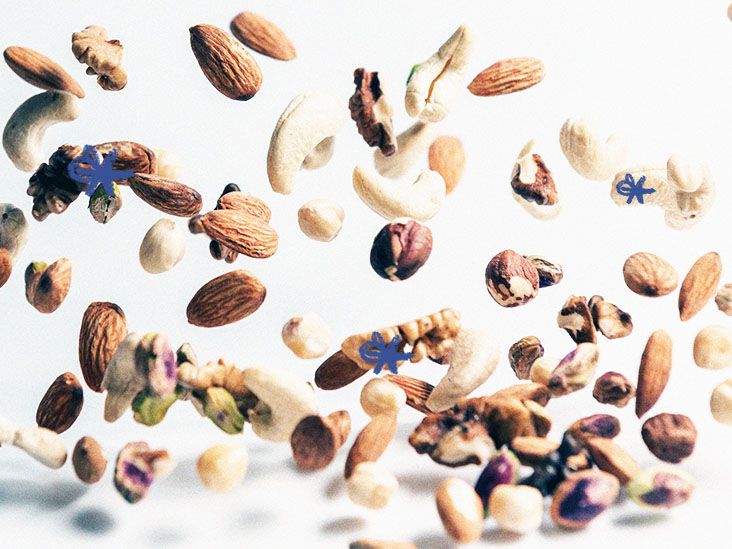
Sunflower seeds, flaxseeds, macadamia nuts, pistachios, and other nuts and seeds can contribute vitamin B1. A small handful of seeds on oatmeal or yogurt is a simple upgrade that takes about five seconds and makes breakfast look like you planned your life.
Fish and Seafood
Some fish and seafood provide thiamin along with protein, omega-3 fats, and minerals. Trout, tuna, mussels, and other seafood options can be part of a varied, nutrient-rich eating pattern.
Simple Meal Ideas for More Vitamin B1
You do not need a complicated supplement routine to increase thiamin intake. Try oatmeal topped with sunflower seeds and berries for breakfast. For lunch, make lentil soup with whole grain bread. For dinner, pair lean pork or fish with brown rice and roasted vegetables. For a plant-based option, build a bowl with quinoa, black beans, peas, avocado, and salsa.
Snacks can help too. Try roasted chickpeas, nut butter on whole grain toast, trail mix with seeds, or hummus with whole grain crackers. The goal is not perfection. The goal is repeatedly giving your body the raw materials it needs, preferably in meals you actually enjoy.
Vitamin B1 Deficiency: What Can Cause Low Thiamin?
Thiamin deficiency can happen when intake is too low, absorption is poor, needs are increased, or the body loses more thiamin than usual. In the U.S., deficiency is uncommon among people with varied diets, but it is still medically important.
Common Risk Factors
People at higher risk may include those with alcohol use disorder, limited food intake, eating patterns based heavily on refined carbohydrates without enrichment, malabsorption disorders, bariatric surgery history, chronic vomiting, severe illness, kidney dialysis, HIV/AIDS, diabetes, or long-term use of certain diuretics. Older adults may also be at risk because of reduced intake, chronic disease, or medication use.
Alcohol use disorder is a major risk factor because alcohol can reduce thiamin absorption, storage, and use in the body. Severe thiamin deficiency related to alcohol can lead to dangerous neurological problems and should be treated quickly by medical professionals.
Early Symptoms of Vitamin B1 Deficiency
Early vitamin B1 deficiency symptoms can be vague, which makes them easy to blame on stress, poor sleep, or “just life being life.” Possible early symptoms include fatigue, weakness, irritability, poor appetite, nausea, abdominal discomfort, trouble concentrating, poor memory, and sleep disturbances.
Because these signs overlap with many other conditions, they do not automatically mean someone has low thiamin. However, persistent symptoms deserve attention, especially when a person has known risk factors or a very limited diet.
Serious Deficiency Symptoms: Beriberi and Brain Effects
Dry Beriberi
Dry beriberi mainly affects the nervous system. Symptoms can include tingling or numbness in the hands and feet, muscle weakness, pain, poor reflexes, difficulty walking, and loss of coordination. In severe cases, nerve damage can become disabling if the deficiency is not treated.
Wet Beriberi
Wet beriberi affects the heart and circulation. Symptoms may include swelling in the legs, rapid heartbeat, shortness of breath, chest discomfort, and signs of heart failure. This is a medical concern that requires prompt evaluation and treatment.
Wernicke-Korsakoff Syndrome
Severe thiamin deficiency can affect the brain. Wernicke encephalopathy may cause confusion, abnormal eye movements, poor balance, and difficulty walking. If not treated quickly, it can progress to Korsakoff syndrome, which involves serious memory problems. This condition is most often linked with alcohol use disorder but can also occur with malnutrition, malabsorption, or severe illness.
Can You Get Too Much Vitamin B1?
Thiamin from food is considered safe for most people, and there is no established upper limit for vitamin B1 from food or supplements. Because it is water-soluble, extra amounts are usually excreted in urine. Still, more is not always better. Supplements should be used thoughtfully, especially if you have a medical condition, take medications, are pregnant, or are treating a suspected deficiency.
Food should be the foundation. Supplements can help when a healthcare professional recommends them, but they are not a replacement for balanced meals. A capsule cannot do the full job of a plate that includes protein, fiber, healthy fats, minerals, and other vitamins.
Who Might Need a Thiamin Supplement?
Some people may need thiamin supplements under medical guidance. This can include people diagnosed with deficiency, those with alcohol use disorder, patients after bariatric surgery, people with malabsorption, individuals receiving dialysis, or hospitalized patients at risk of refeeding problems. In medical settings, thiamin may be given orally, by injection, or intravenously depending on the severity and urgency.
If you suspect deficiency, do not guess your way through it. A healthcare provider can evaluate symptoms, risk factors, diet, and, when appropriate, lab testing. Severe deficiency can become serious, so professional care matters.
Cooking and Storage Tips to Preserve Thiamin
Thiamin can be lost during cooking, especially when foods are boiled and the cooking water is discarded. To preserve more vitamin B1, use cooking methods like steaming, microwaving, sautéing, or cooking grains with just enough water so nutrients stay in the dish. Store grains, nuts, and seeds properly to prevent spoilage, and rotate pantry items so that “healthy food” does not become “mystery bag from 2021.”
Vitamin B1 and a Balanced Diet
Vitamin B1 works best as part of an overall healthy eating pattern. A diet rich in whole grains, legumes, lean proteins, vegetables, nuts, and seeds naturally provides thiamin along with other nutrients that support energy, mood, muscles, and brain health.
The most practical approach is simple: include a thiamin-rich food at most meals. Breakfast might include oatmeal or enriched cereal. Lunch could feature beans, lentils, or whole grain bread. Dinner might include pork, fish, brown rice, peas, or whole grain pasta. Over time, these small choices add up.
Personal Experience and Real-Life Lessons About Vitamin B1
One of the most interesting things about vitamin B1 is how quietly important it is. Many people do not think about thiamin until they read about deficiency symptoms or hear a healthcare provider mention it. In everyday life, the topic often appears during conversations about fatigue, poor appetite, heavy alcohol use, restrictive eating, digestive problems, or recovery after surgery.
A common real-world lesson is that “eating enough calories” is not the same as “getting enough nutrients.” Someone can eat plenty of refined carbohydrates, sugary snacks, or low-nutrient convenience foods and still fall short on key vitamins. That does not mean every meal has to be a wellness magazine photo shoot. It simply means the body appreciates variety. A bowl of instant noodles once in a while is not a nutritional crime scene, but living on refined foods day after day can leave gaps.
Another practical experience is that thiamin-rich meals are often inexpensive and easy. Lentil soup, beans and rice, oatmeal with seeds, whole grain toast with nut butter, and split pea soup are not fancy, but they are effective. They also prove that better nutrition does not always require exotic powders, luxury groceries, or ingredients with names that sound like rare gemstones.
People who improve their diets often notice that small changes feel more sustainable than dramatic overhauls. For example, switching from plain white toast to enriched or whole grain bread, adding beans to tacos, sprinkling sunflower seeds on oatmeal, or choosing brown rice a few times per week can increase thiamin intake without making meals feel unfamiliar. The best nutrition strategy is usually the one you can repeat when life gets busy, your inbox is rude, and dinner has to happen fast.
Vitamin B1 is also a reminder that symptoms such as fatigue, weakness, tingling, poor appetite, and brain fog should not be ignored when they persist. They may have many possible causes, from sleep problems to anemia to thyroid issues to nutrient deficiencies. The point is not to self-diagnose from a search result. The point is to treat the body’s warning lights with respect. If your car made weird noises for three weeks, you would probably not solve it by turning up the radio. Your body deserves at least the same courtesy.
For families, thiamin awareness can be built into normal grocery habits. Keep oats, beans, lentils, whole grain pasta, enriched rice, nuts, seeds, eggs, lean meats, and frozen peas on hand. These foods are flexible, affordable, and easy to use in quick meals. A pantry with these basics makes healthy eating less dependent on motivation and more dependent on convenience, which is exactly how most humans actually operate.
For people with medical risk factors, the experience is different. Someone with alcohol use disorder, malabsorption, bariatric surgery, chronic vomiting, dialysis, or serious illness may need more than food advice. In those situations, thiamin status can become urgent, and supplementation may be medically necessary. That is where professional care is essential. Nutrition is powerful, but it is not a substitute for treatment when deficiency is severe.
The biggest takeaway from real life is this: vitamin B1 is not glamorous, but it is dependable. It supports energy production, nerves, brain function, and the heart. It is found in ordinary foods. It rewards consistency. And it proves that sometimes the most important health habits are not dramatic at allthey are the quiet, repeated choices you barely notice until your body benefits from them.
Conclusion
Vitamin B1, or thiamin, is an essential nutrient that helps the body convert food into energy and supports the nervous system, brain, muscles, and heart. Good food sources include pork, whole grains, enriched breads and cereals, beans, lentils, peas, nuts, seeds, and some fish. Most people can meet their needs through a balanced diet, but deficiency can still occur in higher-risk groups.
Early deficiency symptoms may include fatigue, poor appetite, irritability, nausea, weakness, and memory problems. More severe deficiency can lead to dry beriberi, wet beriberi, or Wernicke-Korsakoff syndrome. If symptoms are persistent or risk factors are present, medical evaluation is the smart move. In the meantime, building meals around thiamin-rich foods is a simple, practical way to support everyday healthno nutrition wizard robe required.