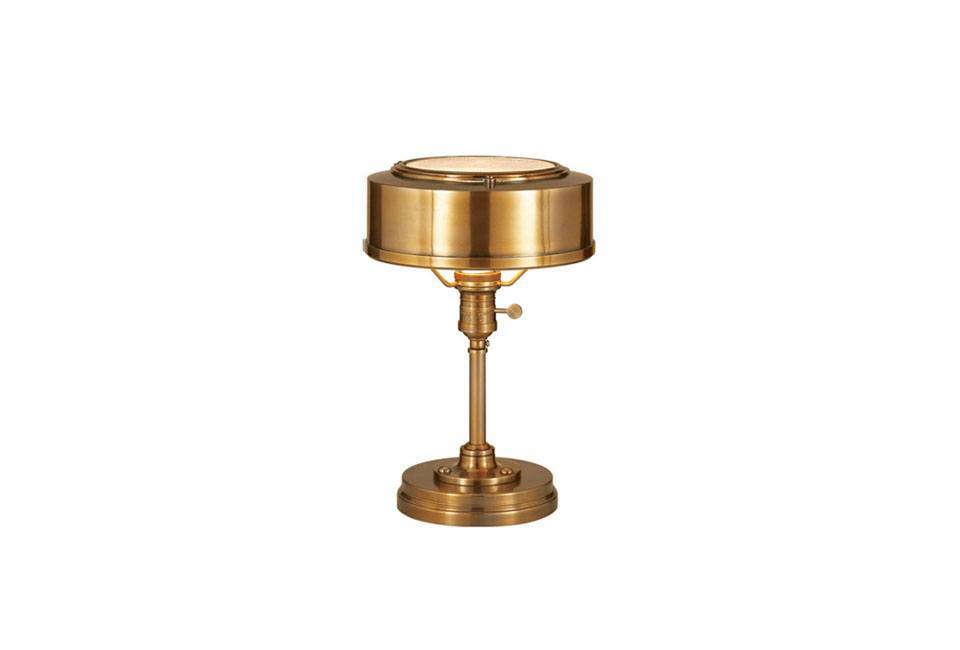
A vintage pharmacy task lamp is the kind of home accessory that quietly walks into a room, adjusts its little metal shade, and says, “Relax, I’ve handled the lighting.” It is practical, nostalgic, handsome, and just fussy enough to make your desk look like someone important signs things there. Originally inspired by utilitarian reading and work lamps, the pharmacy lamp has become a favorite for people who want focused light without sacrificing character.
Unlike a dramatic chandelier that demands applause or a trendy floor lamp that looks like it was designed by a geometry professor, the vintage pharmacy task lamp is modestly brilliant. Its job is simple: direct light exactly where you need it. That might be a book, a laptop keyboard, a crossword puzzle, a sewing project, a bedside stack of novels, or the unpaid bills you keep ignoring because the lighting was “not ideal.” Nice try.
Today, pharmacy-style lamps appear in home offices, reading nooks, bedrooms, libraries, craft rooms, and cozy corners that need a little polished personality. With adjustable arms, narrow shades, warm metal finishes, and a timeless silhouette, they blend old-school charm with everyday usefulness. This guide explores what makes a vintage pharmacy task lamp special, how to choose one, where to place it, how to style it, and what to know before buying a true vintage piece.
What Is a Vintage Pharmacy Task Lamp?
A vintage pharmacy task lamp is a focused lighting fixture typically designed with an adjustable arm, a slim metal shade, and a stable base or pole. The word “pharmacy” refers to a style associated with precise, functional lightingexactly the kind of light one might imagine in an old apothecary, medical office, library, or drafting room. While not every lamp with this name came from a real pharmacy, the design language suggests accuracy, control, and quiet professionalism.
The classic version often features brass, bronze, nickel, chrome, or aged metal finishes. Many have a rectangular, dome, or half-cylinder shade that directs light downward. Some are desk lamps, while others are floor lamps meant to hover over a chair or sofa. In both cases, the essential idea is the same: place the light where the task is happening, not somewhere vaguely across the room hoping for the best.
Why the Pharmacy Lamp Design Still Works
The reason this lamp has lasted is not mysterious. It solves a real problem. General lighting can make a room visible, but it often fails at close work. A ceiling fixture may light the whole room while still leaving your book in shadow. A decorative table lamp may create atmosphere but spill light in every direction like it is hosting a tiny disco. A pharmacy task lamp, on the other hand, aims illumination precisely.
That focused design is especially useful in modern homes. People read, work, draw, craft, study, and scroll from multiple locations. A vintage pharmacy task lamp gives you flexible task lighting without adding visual clutter. Its narrow shade and adjustable body make it easy to tuck beside a sofa, place on a desk, or position near a bed. It is elegant, but it does not behave like fragile museum furniture. It came to work.
Key Features of a Vintage Pharmacy Task Lamp
Adjustable Arm or Neck
The best pharmacy lamps allow you to move the light source. Some have swing arms, pivoting heads, telescoping poles, or adjustable joints. This is not just a nice bonus; it is the entire point. A good task lamp should adapt to your posture, furniture height, and activity. Reading in a chair requires a different angle than sketching at a desk or sorting papers on a side table.
Directional Metal Shade
The shade is usually narrow and made from metal. This helps push light downward instead of scattering it across the room. A well-designed shade reduces glare and keeps the beam focused. That is why pharmacy lamps are popular beside reading chairs: they light the page without turning the entire living room into an interrogation scene.
Warm Aged Finish
Vintage pharmacy lamps often shinesometimes literallybecause of their finishes. Antique brass, aged bronze, oil-rubbed bronze, brushed nickel, and patinated metal all bring depth. A little wear can be attractive, especially if the patina looks natural. The goal is character, not “found at the bottom of a lake.”
Heavy Base
A quality task lamp needs balance. Vintage floor versions usually have weighted round bases, while desk versions may have solid metal bases or clamps. This matters because an adjustable lamp with a flimsy base is basically a decorative accident waiting to happen. A sturdy base keeps the lamp steady when you reposition the shade.
Vintage vs. Vintage-Inspired: Which Should You Buy?
There are two main routes: buying a true vintage pharmacy lamp or choosing a modern vintage-inspired version. Both can be excellent, but they serve different buyers.
A true vintage lamp may offer better craftsmanship, richer patina, and a one-of-a-kind feel. It may have small imperfections, maker’s marks, heavier metal parts, or details that modern reproductions skip. For collectors and design lovers, that history is part of the appeal. A real vintage lamp has lived a life. It may have illuminated letters, ledgers, late-night novels, or someone’s questionable 1970s wallpaper choices.
A vintage-inspired lamp is often easier to buy, safer out of the box, and compatible with modern bulbs. Many new pharmacy-style lamps include adjustable heads, LED-friendly sockets, and finishes designed to mimic aged brass or bronze. They may not have the same soul as an older lamp, but they can deliver the look with less maintenance.
Choose true vintage if you love authenticity, enjoy restoration, and are willing to inspect wiring carefully. Choose vintage-inspired if you want dependable function, easier returns, and modern safety certifications. Either way, the style works beautifully when the proportions, finish, and light quality are right.
How to Choose the Right Vintage Pharmacy Task Lamp
Consider the Lamp’s Purpose
Before falling for a lamp because it looks charming in a photo, decide what job it needs to do. For reading, choose a floor lamp with a shade that can sit just above shoulder height when you are seated. For desk work, choose a compact task lamp with an adjustable head that can light your workspace without shining directly into your eyes. For bedside use, make sure the switch is easy to reach, because nobody wants to wrestle with a lamp at midnight.
Check the Height and Reach
Height matters more than people think. A pharmacy floor lamp that is too short may shine into your lap instead of your book. One that is too tall may create glare. Desk lamps should have enough reach to illuminate the work surface without blocking your screen or taking over the entire desk like a metal octopus.
Look at the Shade Shape
A narrow shade creates a tighter pool of light. A wider shade spreads light more broadly. If you want precise reading light, choose a compact directional shade. If you need light over a larger desk area, a slightly wider shade may be more practical.
Choose the Right Finish
Antique brass is warm and traditional. Bronze feels rich and slightly rustic. Chrome or polished nickel can look crisp, modern, and a little more Art Deco. Black or dark metal finishes lean industrial. The finish should complement your room, but it does not have to match every other metal. In fact, mixed metals often make a room feel more collected and less like it came pre-assembled in a catalog.
Where to Use a Vintage Pharmacy Task Lamp
Beside a Reading Chair
This is the pharmacy lamp’s natural habitat. Place a floor version beside an armchair and angle the shade toward the book or magazine. The result is practical, cozy, and mildly dangerous to your bedtime if the book is good.
On a Writing Desk
A vintage pharmacy desk lamp gives a workspace instant character. It pairs well with wood desks, leather blotters, brass accessories, and modern laptops. The contrast between old-school metal and modern technology creates a balanced looklike your desk knows how to send emails but would rather write with a fountain pen.
Next to the Bed
As a bedside lamp, the pharmacy style is compact and focused. It is especially useful for partners with different sleep schedules because the beam can be directed toward one side of the bed. A warm bulb and adjustable shade can create enough light for reading without making the room feel like a convenience store at 2 a.m.
In a Craft or Hobby Corner
Needlework, model building, drawing, journaling, and small repairs all benefit from directional light. A pharmacy task lamp can brighten details without flooding the whole room. For hobbies, look for excellent adjustability and a shade that stays cool with the right bulb.
Best Bulbs for a Vintage Pharmacy Task Lamp
For everyday use, LED bulbs are often the smartest choice. They use less energy than incandescent bulbs, last longer, and generate less heat. That lower heat output is especially helpful with metal shades, which can become hot with older incandescent bulbs. Always check the lamp’s maximum wattage rating and choose a bulb that fits both the socket and the shade safely.
For a warm vintage look, choose a bulb in the 2700K to 3000K range. This creates a soft, inviting glow that works well in living rooms and bedrooms. For focused work, some people prefer a slightly cooler light, around 3500K, because it can feel clearer and more energizing. Avoid harsh blue-white bulbs unless you want your reading nook to feel like a dental exam.
Brightness should be measured in lumens, not just watts. For reading and desk work, many people prefer a moderate to bright bulb, depending on the lamp design and distance from the task. A dimmable bulb can be useful if the lamp supports dimming. That way, one fixture can handle serious work and relaxed evening reading.
Safety Tips Before Using a True Vintage Lamp
Vintage lighting is beautiful, but electrical safety deserves respect. Before using an older lamp, inspect the cord, plug, socket, switch, and any visible wiring. Cracked insulation, frayed cords, loose sockets, scorch marks, buzzing, flickering, or a burning smell are all signs to stop using the lamp until it is repaired.
Many older lamps can be rewired, and rewiring is often worth it if the piece is attractive and structurally sound. A qualified repair professional can replace worn wiring, update the socket, and make sure the lamp is safe for modern use. Metal lamps may also need proper grounding depending on their construction. When in doubt, do not guess. Electricity is not the place to express your adventurous side.
If buying online, look carefully at photos of the plug, cord, socket, shade interior, joints, and base. Ask whether the lamp has been tested or rewired. If a seller says “works great” but only provides one blurry photo taken from across the room, proceed with caution. A vintage lamp should charm you, not surprise you with sparks.
How to Style a Vintage Pharmacy Task Lamp
Pair It With Natural Materials
Pharmacy lamps look excellent with wood, leather, linen, wool, stone, and aged metal. A brass pharmacy lamp beside a walnut table feels classic. A black metal version near a linen sofa feels modern and relaxed. A chrome lamp on a dark wood desk adds polish without looking too precious.
Use It in Layered Lighting
A room feels better when it has multiple light sources. Combine overhead lighting, table lamps, floor lamps, sconces, and task lamps to create depth. The pharmacy lamp should not be forced to light the entire room. Let it do what it does best: focused, useful illumination with a side order of charm.
Mix Eras With Confidence
Do not worry if your lamp is vintage and your sofa is modern. That contrast can make a room more interesting. A vintage pharmacy task lamp can soften a minimalist space, sharpen a traditional room, or add personality to a transitional interior. The secret is balance. Repeat the finish or shape somewhere else in the room, such as a picture frame, cabinet pull, mirror, or side table.
Common Mistakes to Avoid
The first mistake is choosing style over function. A lamp can be gorgeous, but if it does not place light where you need it, it becomes a decorative metal question mark. Always check adjustability, height, shade direction, and stability.
The second mistake is using the wrong bulb. A bulb that is too bright can create glare. A bulb that is too dim defeats the purpose of task lighting. A bulb that runs too hot may be uncomfortable in a metal shade. Choose carefully and follow the fixture’s safety rating.
The third mistake is ignoring scale. A tiny desk lamp on a massive executive desk may look lost. A tall floor lamp beside a low lounge chair may feel awkward. Match the lamp to the furniture it serves.
The fourth mistake is over-polishing a true vintage finish. Patina can be part of the value and beauty of an older lamp. Clean gently, but think twice before scrubbing away decades of character. There is a fine line between “beautifully restored” and “accidentally erased history.”
Buying Checklist for a Vintage Pharmacy Task Lamp
- Check whether the lamp is true vintage or vintage-inspired.
- Inspect the cord, socket, plug, switch, and shade interior.
- Confirm the lamp stands firmly and adjusts smoothly.
- Look for natural patina, quality metal, and solid construction.
- Measure height and shade reach before buying.
- Ask whether rewiring has been done professionally.
- Choose a bulb that suits the lamp’s rating and your task.
Why Designers Love This Lamp Style
Designers often appreciate vintage lighting because it adds texture, age, and individuality. A pharmacy lamp has a particularly useful advantage: it is both decorative and functional. It does not merely sit there looking pretty. It improves how a room works.
In a living room, it can make a reading corner feel intentional. In a bedroom, it can replace bulky bedside lamps. In an office, it can bring warmth to a space that might otherwise feel dominated by screens and cables. In a small apartment, it can deliver task lighting without consuming much visual space.
The style is also flexible. It can lean traditional, industrial, farmhouse, mid-century, library-inspired, or contemporary depending on the finish and setting. That versatility helps explain why pharmacy lamps keep returning in design conversations. They are not a gimmick. They are a good idea with good posture.
Experience: Living With a Vintage Pharmacy Task Lamp
There is something surprisingly satisfying about using a vintage pharmacy task lamp every day. It changes the rhythm of a room. Instead of blasting the ceiling light and hoping the atmosphere improves through sheer wattage, you pull a chair closer, adjust the shade, and create a small island of focus. Suddenly, the room feels calmer. The lamp does not just light the page; it marks the moment.
In a reading corner, the experience is almost ritualistic. You sit down, angle the shade, and the beam lands exactly where it should. The rest of the room stays soft. The book becomes the main event. A brass or bronze finish adds warmth even before the bulb turns on. When the lamp has a bit of agetiny scratches, a mellow patina, a joint that moves with a gentle mechanical confidenceit feels less like a product and more like a companion.
On a desk, a vintage pharmacy lamp can make ordinary work feel more deliberate. Writing a grocery list? Somehow more elegant. Reviewing documents? Suddenly you are a serious person with excellent lighting. Paying bills? Still unpleasant, but at least now the lamp is doing its best to bring dignity to the situation. The focused light helps separate work from the surrounding clutter, which is useful when your desk contains a laptop, coffee mug, notebook, charging cable, and one mysterious key you are afraid to throw away.
One of the best practical benefits is control. Many lamps make you adapt to them. A pharmacy task lamp adapts to you. You can lower the shade for close reading, swing it slightly away from a screen, or tilt it toward a notebook. That flexibility is especially valuable in shared spaces. One person can read while another watches television or relaxes nearby without the room becoming aggressively bright.
The lamp also teaches you the value of layered lighting. Once you experience a well-placed task lamp, overhead lighting starts to feel a little rude. A vintage pharmacy task lamp works best as part of a lighting plan: ambient light in the room, a little accent light for mood, and focused light where life actually happens. That combination makes a home feel thoughtful rather than merely illuminated.
Maintenance becomes part of the experience, too. A quick dusting of the shade, a gentle wipe of the metal, and an occasional check of the cord keep the lamp looking and working well. With a true vintage piece, you may find yourself appreciating small details: the weight of the base, the way the arm holds position, the soft glow under the shade, or the character of an old finish that refuses to look factory-perfect.
In the end, a vintage pharmacy task lamp earns its place because it is useful every single day. It is not loud. It is not trendy in a disposable way. It simply makes reading easier, work more comfortable, and rooms more inviting. That is the magic: it performs a humble task with style. And honestly, in a world full of overcomplicated gadgets, a handsome lamp that points light exactly where you need it feels almost heroic.
Conclusion
A vintage pharmacy task lamp is more than a nostalgic accessory. It is a practical lighting tool with lasting design appeal. Its adjustable shape, focused shade, and timeless metal finishes make it ideal for reading, working, crafting, and creating cozy corners throughout the home. Whether you choose a true vintage piece or a modern vintage-inspired version, the key is to balance beauty, function, scale, bulb choice, and safety.
For homeowners who want lighting with personality, the pharmacy lamp remains a smart choice. It brings warmth without clutter, precision without harshness, and character without trying too hard. In other words, it is the rare decor piece that looks good, works hard, and never asks why you bought another book before finishing the last three.