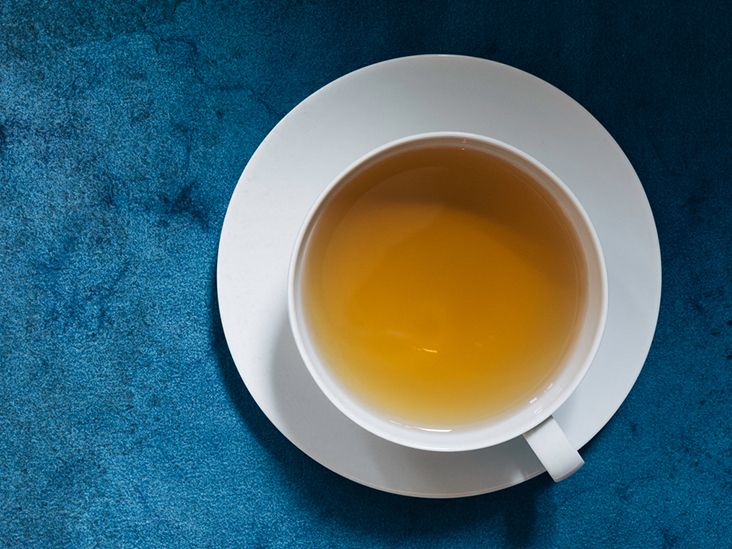
Valerian tea sounds like the kind of drink a medieval wizard would sip while organizing scrolls by moonlight. In reality, it is a caffeine-free herbal tea made from the root of the valerian plant, best known for its long history as a natural sleep and relaxation aid. People drink it before bed, during stressful seasons, or whenever their brain decides that 11:47 p.m. is the perfect time to replay every awkward conversation since middle school.
But valerian tea is not just “sleepy-time water.” It is an herbal supplement in beverage form, which means it deserves the same respect you would give any product that may affect your nervous system. It can be helpful for some adults, unhelpful for others, and risky when combined with alcohol, sedatives, sleep medicines, certain prescription drugs, or medical conditions.
This guide explains what valerian tea is, what it may do, what the research suggests, who should be careful, and how to think about it as part of a healthier sleep routine rather than a magic potion with a mug handle.
What Is Valerian Tea?
Valerian tea is an herbal infusion made from the dried root of Valeriana officinalis, a flowering plant native to Europe and parts of Asia and now grown in other regions. The root contains naturally occurring compounds, including valerenic acid and related plant chemicals, that researchers believe may influence calming pathways in the brain.
Unlike black tea, green tea, coffee, or yerba mate, valerian tea does not naturally contain caffeine. That makes it appealing to people who want a warm evening drink without accidentally turning bedtime into a one-person jazz concert. The flavor is earthy, woody, and slightly bitter. Some people call it “grounding.” Others say it smells like a damp forest had a philosophical crisis. Both opinions are valid.
How Valerian Tea May Work
Valerian is often discussed in relation to gamma-aminobutyric acid, better known as GABA. GABA is a neurotransmitter involved in calming nerve activity. Some laboratory research suggests valerian compounds may affect GABA-related activity, which could help explain why valerian has traditionally been used for relaxation and sleep support.
However, the important word is “may.” Herbal products are complex, and valerian tea is not identical to standardized valerian capsules, extracts, or tinctures used in many studies. The strength of a cup of tea can vary depending on the plant source, the amount used, steeping time, water temperature, freshness, and the brand’s quality control. Translation: two mugs labeled “valerian tea” may not behave like identical twins.
Common Uses of Valerian Tea
1. Sleep Support
The most common reason people try valerian tea is to support sleep. Some studies and reviews suggest valerian may modestly improve subjective sleep quality for certain people, while other research finds little or no clear benefit for insomnia. That mixed evidence matters. Valerian tea may help some adults feel more relaxed at bedtime, but it should not be treated as a guaranteed cure for chronic insomnia.
For occasional restless nights, valerian tea may fit into a broader sleep routine: dimming lights, avoiding late caffeine, putting the phone away, keeping a consistent bedtime, and creating a calming ritual. The tea may be the supporting actor; good sleep habits are still the main character.
2. Evening Relaxation
Some people drink valerian tea not because they expect instant sleep, but because it gives the evening a clear “shutdown” signal. A warm mug can create a pause between the busy part of the day and the quiet part. That ritual effect is not fake or silly. Human brains love cues. A regular wind-down routine can help tell the body, “We are not solving taxes, replying to emails, or mentally redesigning the kitchen right now.”
3. Mild Stress Support
Valerian has been traditionally used for nervous tension and calmness. Still, evidence for anxiety relief is limited and not strong enough to replace professional care for anxiety disorders. If stress is occasional and mild, valerian tea may be one calming tool. If anxiety is frequent, intense, or interfering with school, work, relationships, or daily life, it is better to talk with a qualified healthcare professional.
4. Menopause-Related Sleep Discomfort
Some research has looked at valerian for menopause-related symptoms such as sleep disturbance and hot flashes, but the evidence remains limited. For adults going through menopause, valerian tea may be worth discussing with a clinician, especially if they are already taking medications or supplements. Natural does not automatically mean interaction-free.
5. General Caffeine-Free Bedtime Beverage
Even when valerian itself does not produce a dramatic effect, a caffeine-free herbal tea can be useful simply because it replaces less sleep-friendly choices. Swapping late coffee, energy drinks, or sugary midnight snacks for a calming drink may support better habits. Valerian tea is not the only option, but it is one of the more famous herbs in the bedtime aisle.
Potential Benefits of Valerian Tea
It May Help Some People Wind Down
The best-supported benefit of valerian is its possible role in relaxation and sleep quality. Results vary, but some adults report feeling calmer or sleepier after using valerian products. Tea may be gentler than concentrated extracts, though that also means effects may be subtler.
It Is Naturally Caffeine-Free
Caffeine can linger in the body for hours. For sensitive people, even an afternoon coffee can make bedtime feel like negotiating with a raccoon in a library. Valerian tea offers a warm drink without adding caffeine to the equation.
It Encourages a Sleep Routine
One underrated benefit is behavioral. Preparing tea requires slowing down: boiling water, steeping, waiting, sipping. That tiny routine can become part of sleep hygiene, especially when paired with low light, a cooler bedroom, and a consistent schedule.
It May Be Preferable to Stronger Sleep Aids for Some Adults
Some people want to avoid stronger over-the-counter sleep aids because of next-day grogginess or other side effects. Valerian may feel milder for certain adults, although it can still cause drowsiness, dizziness, vivid dreams, stomach upset, or morning fog. “Herbal” does not mean “side-effect-proof.”
Safety: Is Valerian Tea Safe?
For many healthy adults, valerian appears to be reasonably well tolerated when used short term and according to product directions. Still, side effects can happen. Commonly reported issues include headache, dizziness, stomach discomfort, tiredness, vivid dreams, dry mouth, restlessness, and next-day drowsiness.
Some people experience the opposite of what they hoped for: instead of feeling sleepy, they feel wired, uneasy, or mentally foggy. Bodies are annoyingly individual that way. If valerian tea makes you feel worse, more alert, nauseated, or unusually groggy, it is not a badge of honor to keep drinking it. Stop and reassess.
Long-term safety is less clear. Reports of liver problems are rare, and often involve products containing multiple herbs, but people with liver disease should be especially cautious and avoid valerian unless a clinician says otherwise. People who use valerian regularly for a long period should not abruptly stop without medical guidance, because withdrawal-like symptoms have been reported after chronic use.
Important Precautions Before Drinking Valerian Tea
Avoid Mixing It With Alcohol or Sedatives
Valerian may increase drowsiness. Mixing it with alcohol, sleeping pills, benzodiazepines, opioids, barbiturates, sedating antihistamines, muscle relaxers, or other calming supplements can increase the risk of excessive sedation, impaired judgment, dizziness, or accidents. This is one of the biggest safety points. A “natural nightcap” plus an actual nightcap is not a wellness strategy; it is a bad group project.
Be Careful With Prescription Medications
If you take medication for anxiety, depression, seizures, pain, allergies, sleep, infections, or other ongoing conditions, ask a doctor or pharmacist before using valerian tea. Supplements can change how medications affect the body, and interaction risk depends on the person, the dose, and the specific drug.
Do Not Use Before Driving or Operating Machinery
Because valerian can cause sleepiness or slower reaction time, avoid driving, biking in traffic, using tools, cooking when very drowsy, or doing anything that requires sharp attention after drinking it. The first time someone tries valerian tea, it is wise to do so on a quiet evening when there is no early-morning exam, shift, road trip, or heroic 6 a.m. gym plan.
Pregnancy, Breastfeeding, and Children
Valerian is generally not recommended during pregnancy or breastfeeding because there is not enough reliable safety information. It also has not been adequately evaluated for very young children. Parents and caregivers should ask a pediatric clinician before giving valerian tea or valerian supplements to a child or teen.
Surgery and Medical Procedures
Valerian may interact with anesthesia or other medicines used around surgery. Anyone planning surgery, dental sedation, or a medical procedure should tell the healthcare team about all herbs, teas, supplements, and over-the-counter products they use. A clinician may recommend stopping valerian before the procedure.
Who Should Avoid Valerian Tea?
Valerian tea may not be a good choice for people who are pregnant or breastfeeding, young children unless approved by a clinician, people with liver disease, people who take sedatives or multiple medications, people with a history of strong reactions to herbal supplements, and anyone who needs to stay alert soon after drinking it.
People with chronic insomnia should also be cautious. If sleeplessness lasts for weeks, happens often, or comes with loud snoring, breathing pauses, depression, anxiety, pain, restless legs, or daytime exhaustion, the issue deserves medical attention. Valerian tea may cover the smoke alarm without putting out the fire.
How to Choose a Good Valerian Tea
Quality matters. Look for brands that clearly list the ingredient as valerian root, provide serving directions, disclose other herbs in the blend, and use third-party testing when possible. Certifications from reputable testing organizations can help, although they do not guarantee that the product will work for every person.
Be especially careful with blends. A tea labeled “deep sleep,” “knockout,” or “extra strength” may include several calming herbs, melatonin, magnesium, passionflower, lemon balm, chamomile, lavender, or other ingredients. Some blends are perfectly reasonable for healthy adults; others may be too strong or unsuitable with medications. Read the label like it owes you money.
Valerian Tea vs. Chamomile, Lavender, and Melatonin
Chamomile tea is often considered gentler and is popular for general relaxation. Lavender tea is usually chosen for aroma and calming ritual. Melatonin is not an herb; it is a hormone involved in sleep-wake timing and may be more relevant for jet lag or circadian rhythm issues than general stress. Valerian sits in a different category: an herbal product with possible sedative effects and more interaction concerns than many simple bedtime teas.
For people who simply want a cozy evening beverage, chamomile or lavender may be a softer starting point. For adults specifically curious about valerian, it is best approached carefully, one product at a time, without combining it with alcohol or other sedating products.
Practical Tips for Using Valerian Tea Wisely
Follow the product label rather than guessing. Avoid taking multiple valerian products at once, such as tea plus capsules plus tincture. Try it only when you can sleep for a full night and do not need to drive or perform important tasks soon afterward. Keep it away from children and pets. Store it in a cool, dry place. And if the tea smells unusually musty, moldy, or different from when you bought it, do not drink it. Herbal tea should smell earthy, not like it has been training for a swamp marathon.
Most importantly, use valerian tea as part of a routine, not as a nightly escape hatch. Better sleep usually comes from a combination of habits: consistent wake time, morning light, movement during the day, limited late caffeine, a dark bedroom, stress management, and fewer late-night screen battles.
Frequently Asked Questions About Valerian Tea
Does valerian tea make you fall asleep immediately?
Not usually. Some people feel relaxed after drinking it, but it is not an instant switch. Effects vary widely, and some people notice little difference.
Can you drink valerian tea every night?
Occasional short-term use may be tolerated by many healthy adults, but nightly long-term use should be discussed with a healthcare professional. Persistent sleep problems deserve proper evaluation.
Can valerian tea cause weird dreams?
Yes, vivid dreams are among the reported side effects. For some people, that is merely interesting. For others, it is a reason to stop using it.
Is valerian tea safe with melatonin?
Combining calming products may increase drowsiness or next-day grogginess. Ask a healthcare professional before combining valerian with melatonin, sleep aids, sedatives, or prescription medicines.
Does valerian tea help anxiety?
It may help some people feel calmer, but evidence is limited. It should not replace therapy, prescribed treatment, or professional care for anxiety disorders.
Real-Life Experiences and Practical Observations
People’s experiences with valerian tea tend to fall into a few familiar categories. The first group loves the ritual more than the herb itself. They brew a mug, turn down the lights, put the phone across the room, and let the warm drink become a nightly closing ceremony. For them, valerian tea works partly because it creates boundaries. The day is over. The inbox can sulk until morning. The brain is invited, politely but firmly, to stop hosting a committee meeting.
The second group notices a gentle calming effect, but not a dramatic one. They may describe valerian tea as “soft,” “mellow,” or “subtle.” These people often do best when they use it occasionally, such as during a stressful week, after travel, or when their schedule has been chaotic. They are not expecting the tea to wrestle insomnia to the ground. They are using it as one small nudge toward rest.
The third group dislikes the taste or smell immediately. Valerian root has a famously earthy aroma. Some tea blends soften it with peppermint, lemon balm, lavender, or chamomile, but plain valerian can be intense. If someone expects a delicate floral tea and gets a cup that smells like a woodland creature opened an apothecary, disappointment is understandable. Adding honey or blending it with a milder herbal tea may improve flavor, but safety still depends on the full ingredient list.
The fourth group feels too groggy the next morning. This is important because a sleep aid that steals energy from tomorrow is not always a win. Morning drowsiness can affect school, work, driving, sports, and concentration. Anyone who wakes up foggy after valerian tea should avoid using it before important obligations and consider skipping it altogether.
The fifth group gets no benefit. That does not mean they used it “wrong.” It may mean valerian is not a good match, the sleep problem has another cause, or the tea is too weak to make a noticeable difference. For example, valerian tea is unlikely to fix sleep disruption caused by untreated sleep apnea, chronic pain, major stress, late caffeine, irregular schedules, or a bedroom that feels like a laptop-powered lighthouse.
A sensible experience-based approach is to treat valerian tea as an experiment, not a commitment. Choose a simple product, avoid combining it with other sedating substances, use it on a low-stakes evening, and pay attention to both nighttime and next-day effects. A sleep journal can help: note when you drank it, how long it seemed to take to fall asleep, how often you woke up, dream intensity, and how you felt in the morning.
The best reports usually come from people who pair valerian tea with stronger sleep habits. They stop caffeine earlier, reduce screen brightness, keep the room cool, and give themselves enough time in bed. In that setting, valerian tea becomes a helpful supporting ritual. Without those habits, it is like putting a fancy pillow on a trampoline: charming, but not exactly stable.
Conclusion
Valerian tea is a popular caffeine-free herbal drink used mainly for sleep support and relaxation. It may help some adults wind down, especially when combined with a consistent bedtime routine, but the evidence is mixed and the effects are not guaranteed. The biggest safety message is simple: do not treat valerian tea as harmless just because it is natural. It can cause side effects, interact with medications and alcohol, and may not be appropriate for pregnancy, breastfeeding, children, liver disease, surgery, or chronic sleep problems without medical guidance.
For occasional restless evenings, valerian tea may be worth considering carefully. For ongoing insomnia or anxiety, it is better to look deeper, talk with a healthcare professional, and build a plan that addresses the real cause. A mug of tea can be comforting, but your health deserves more than guesswork in a teacup.
Note: This article is for general educational publishing purposes only and should not replace medical advice, diagnosis, or treatment from a qualified healthcare professional.