Travel is supposed to feel like freedom: a boarding pass, a new city, hotel pillows that somehow multiply overnight, and maybe a snack you absolutely did not need but bought anyway because “airport rules.” But when you have moderate to severe atopic dermatitis, travel can also come with a less charming companion: the possibility of a skin flare.
Atopic dermatitis, often called eczema, is a chronic inflammatory skin condition that can cause dry, itchy, cracked, swollen, scaly, or oozing patches of skin. For people with moderate to severe atopic dermatitis, the symptoms may be widespread, painful, sleep-disrupting, or difficult to control without prescription treatment. Travel can add extra challenges because it changes almost everything your skin is used to: climate, humidity, stress level, sleep schedule, detergent exposure, bathing routine, food routine, and even the air around you.
The good news? Traveling with eczema is absolutely possible. It just requires a little more planning than tossing socks into a suitcase and hoping your phone charger makes it. With the right skin care routine, medication strategy, and flare-up backup plan, you can enjoy the trip without letting your skin run the itinerary.
Why Travel Can Trigger Atopic Dermatitis Flares
Moderate to severe atopic dermatitis is closely tied to a weakened skin barrier and immune system overactivity. When the skin barrier is not functioning well, moisture escapes more easily and irritants, allergens, and microbes can bother the skin more intensely. That is why travel can be such a perfect storm. Your skin may be doing its best, but suddenly it is facing dry airplane air, hotel soap that smells like a bouquet attacked a chemistry lab, and a climate shift from “cozy sweater weather” to “why is the sidewalk steaming?”
Common travel-related eczema triggers
Some of the most common triggers for atopic dermatitis during travel include dry air, heat, sweating, stress, weather changes, harsh soaps, fragrance, detergents, wool or scratchy fabrics, allergens, chlorine, pollution, and disrupted sleep. Not every trigger affects every person. One traveler may flare after a long hot walk through a humid city, while another may flare from a cold, dry mountain cabin. The key is knowing your personal pattern before your skin starts sending angry postcards.
Travel can also interrupt treatment consistency. People often forget to moisturize during long travel days, skip prescription creams because they are buried in checked luggage, or delay injections because time zones create confusion. With moderate to severe eczema, small interruptions can snowball quickly. Your goal is to keep your routine as boringly consistent as possible. Skin loves boring. Skin would make a spreadsheet if it could.
Before You Go: Build a Travel Plan With Your Dermatology Team
If your atopic dermatitis is moderate to severe, talk with your dermatologist or healthcare professional before a major trip, especially if you are traveling internationally, heading somewhere remote, or currently dealing with an active flare. This is not about being dramatic. It is about avoiding the vacation activity nobody wants: searching “urgent care near me” while wrapped in a hotel towel and regret.
Ask for a written flare plan
A written flare plan can help you know exactly what to do if your skin worsens. It may include when to increase moisturizer use, how and when to use topical corticosteroids or nonsteroidal prescription creams, whether wet wrap therapy is appropriate, what signs of infection to watch for, and when to seek medical care. If you use biologic injections, oral medications, phototherapy, or other advanced treatments, ask how travel might affect your schedule.
Check your prescriptions early
Do not wait until the night before your flight to discover your prescription tube has the emotional weight of a deflated balloon. Refill medications in advance. Pack enough for the full trip plus extra days in case of delays. Keep prescriptions in their original labeled containers whenever possible, especially for air travel and international border checks.
If you use injectable medication, ask your healthcare team or pharmacist about storage temperature, travel coolers, sharps disposal, and what documentation may be useful. Some medications need refrigeration or protection from heat. Others should not be frozen. A small medical travel case can be a skin-saving investment.
How to Pack for Travel With Moderate to Severe Eczema
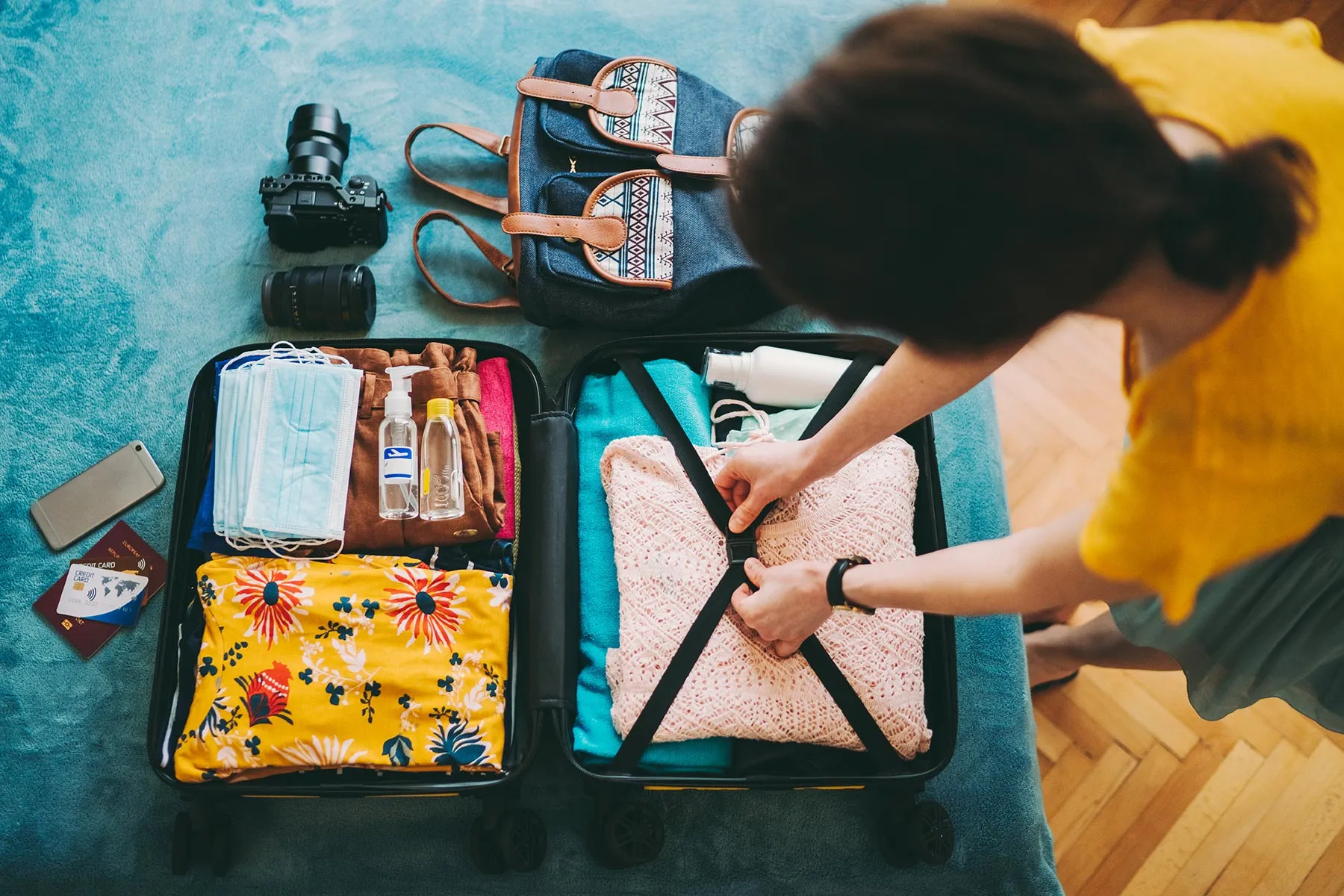
Packing for eczema is not glamorous, but neither is trying to moisturize your arms with a hotel body lotion named “Ocean Breeze Explosion.” Create an eczema travel kit that stays in your carry-on bag, not your checked luggage. Checked bags occasionally take their own vacation. Your skin care should not go with them.
Your eczema travel kit should include:
- Fragrance-free moisturizer or ointment in travel and full-size containers
- Prescription creams, ointments, pills, or injectable medications
- Gentle fragrance-free cleanser
- Mineral sunscreen or sunscreen you already know your skin tolerates
- Lip balm and hand cream
- Soft cotton clothing layers
- Bandages or gauze for cracked areas
- Wet wrap supplies if recommended by your clinician
- A small towel or pillowcase washed in your own detergent
- Antihistamines or anti-itch products only if approved for you
- Copies of prescriptions and a clinician letter for complex medication needs
For flights in the United States, medically necessary liquids, gels, creams, and aerosols may be allowed in larger amounts than standard travel-size liquids, but they should be declared during screening. It is still smart to pack smaller containers for convenience and keep prescription labels visible. If you need syringes or autoinjectors, keep them with the medication they are used for and pack them safely to prevent needle sticks.
Airport and Airplane Tips for Eczema-Prone Skin
Air travel can be rough on eczema because airplane cabins are dry, schedules are stressful, and handwashing or sanitizing happens repeatedly. Your skin may feel tight before the beverage cart reaches row 12. A little preparation can make the flight much easier.
Moisturize before boarding
Apply a generous layer of fragrance-free moisturizer or ointment before leaving for the airport. Pay special attention to hands, face, neck, elbows, knees, and any active eczema patches. If your dermatologist has recommended a prescription product for flare-prone areas, follow that plan.
Keep your hands protected
Frequent handwashing and alcohol-based sanitizers can sting or dry out cracked skin. Use sanitizer when needed, but moisturize afterward. If you know airport soap irritates your hands, bring a small amount of your own gentle cleanser. Soft cotton gloves can also help protect hands during long flights, especially if you scratch while sleeping.
Choose breathable clothing
Wear soft, loose layers. Cotton and moisture-wicking fabrics that do not rub may be more comfortable than wool, rough seams, or tight synthetic clothing. Airplanes can swing from chilly to stuffy, so layers help you avoid overheating and sweating, both of which may trigger itching.
Managing Climate Changes at Your Destination
One of the sneakiest eczema travel triggers is climate change. Your skin may behave one way in a familiar environment and completely change its personality somewhere else. Dry mountain air, humid beaches, desert heat, cold wind, or polluted city air can all affect the skin barrier.
Hot and humid destinations
Heat and sweat can worsen itching for many people with atopic dermatitis. Plan outdoor activities for cooler parts of the day, wear breathable clothing, rinse sweat off with lukewarm water when possible, and reapply moisturizer after showering. Avoid sitting in damp clothing for long periods. Your swimsuit may be cute, but your eczema does not care about fashion if chlorine and sweat are having a party on your skin.
Cold or dry destinations
Cold air and indoor heating can pull moisture from the skin. Use a thicker ointment or cream, moisturize more often, and consider a portable humidifier if you will be staying in one place for several days. Cover exposed skin with soft scarves, gloves, or layers, but avoid scratchy fabrics directly on eczema-prone areas.
Beach and pool travel
Swimming affects people differently. Some find salt water soothing, while others feel stinging on cracked skin. Chlorine may irritate eczema for some travelers, but rinsing immediately after swimming and applying moisturizer can help. Avoid swimming if you have open, infected, or severely cracked skin unless your healthcare professional says it is safe.
Hotel Rooms, Vacation Rentals, and Hidden Irritants
Hotels are convenient, but they can be full of eczema surprises: fragranced laundry detergent, scented sheets, harsh soaps, dry air, decorative wool blankets, and cleaning products. Vacation rentals may have similar issues, plus mystery detergents and heavily scented air fresheners.
Make your sleeping space skin-friendly
Bring your own soft pillowcase or lightweight sheet if you are sensitive to detergents. This small item can make a big difference, especially if eczema affects your face, neck, or arms. If hotel bedding feels scratchy or strongly scented, ask for fragrance-free bedding if available, or place your own layer between your skin and the sheets.
Skip the hotel toiletries
Hotel soaps and lotions are often fragranced. Even “luxury” products can be trouble for eczema-prone skin. Use your own gentle cleanser and moisturizer. Your skin does not need to smell like white tea, mountain rain, or an ambitious spa lobby.
Food, Allergies, and Atopic Dermatitis While Traveling
Food and eczema can be complicated. Some people have confirmed food allergies that need strict avoidance, while others may suspect food triggers without clear evidence. Avoiding entire food groups without medical guidance can lead to nutritional problems and unnecessary stress. If you have known food allergies, travel with safe snacks, allergy medications as prescribed, and a clear plan for restaurants.
For most travelers with atopic dermatitis, the bigger food-related issue is routine disruption. Long travel days can lead to dehydration, skipped meals, excess alcohol, too much caffeine, or salty snacks. These do not cause eczema in everyone, but they may contribute to poor sleep, stress, and skin discomfort. Aim for balanced meals, water, and enough protein and fiber to keep your body from feeling like it has been powered solely by pretzels and optimism.
How to Handle a Flare During Your Trip
Even with excellent planning, flares can happen. The goal is not perfection. The goal is quick, calm action. If your skin starts itching, burning, cracking, or swelling, return to the basics: cool the skin, moisturize, avoid irritants, use prescribed medication as directed, and reduce scratching.
Use your flare plan
Follow the plan you made with your clinician. That may include applying a prescribed topical medication to inflamed areas, increasing moisturizer use, using wet wraps, taking an approved antihistamine at night, or avoiding certain activities temporarily. Do not start strong prescription treatments in a new way unless your healthcare professional has instructed you to do so.
Know the warning signs of infection
People with moderate to severe atopic dermatitis may be more vulnerable to skin infections, especially when the skin is cracked or scratched. Seek medical care if you notice spreading redness, warmth, increasing pain, pus, honey-colored crusting, fever, red streaks, or rapidly worsening swelling. If you develop painful blisters or feel very unwell, do not wait it out. Skin infections can become serious and may need prompt treatment.
Traveling With Children Who Have Moderate to Severe Atopic Dermatitis
Traveling with a child who has eczema requires extra planning, mostly because children do not always announce early symptoms in convenient language. “I’m itchy” may arrive after 45 minutes of scratching in the back seat. Pack extra clothing, familiar pajamas, favorite soft blankets, and enough moisturizer to survive both the trip and the mysterious disappearance of one tube under a rental car seat.
Keep routines simple and predictable. Bathe or shower with lukewarm water, pat skin dry, and apply moisturizer while the skin is still slightly damp. Let children help choose soft travel clothes so they feel involved. For long days out, schedule breaks in cool places and avoid overheating. If your child has a school, camp, or daycare action plan for eczema or allergies, bring a copy.
Smart Destination Planning for Eczema-Friendly Travel
You do not have to avoid adventure because you have atopic dermatitis. You may just need to plan adventure with a little more strategy. Before booking, consider the climate, access to medical care, activity level, pollution, allergens, and how easy it will be to keep your skin care routine consistent.
Choose lodging thoughtfully
Look for places with air conditioning or heating you can control, laundry access if you need fragrance-free washing, and a refrigerator if you use medication that requires cooling. For longer trips, a rental with a kitchen can make it easier to manage meals, routines, and medication storage.
Plan rest time
Stress and poor sleep can worsen eczema symptoms for many people. Build downtime into the itinerary. A packed schedule may look impressive on paper, but your skin may prefer a slower pace. Rest is not wasted travel time. It is maintenance for the body that is carrying you through the trip.
What to Do After You Return Home
Post-travel skin problems are common, and not every rash after travel is eczema. Insect bites, allergic reactions, infections, fungal conditions, and other travel-related skin issues can look similar. If your rash is unusual, spreading, painful, blistering, or not improving with your usual eczema plan, contact a healthcare professional.
After returning home, go back to your regular skin care routine as quickly as possible. Wash travel clothes with your usual detergent, clean reusable medication coolers or containers, restock your eczema travel kit, and note what worked or did not work. Your future self will appreciate the notes, especially when packing at midnight before the next trip.
Personal Experiences and Practical Lessons From Traveling With Atopic Dermatitis
Traveling with moderate to severe atopic dermatitis often teaches lessons that no packing checklist can fully capture. One common experience is realizing that “just in case” items are not extra; they are peace of mind. A traveler who usually needs moisturizer twice a day at home may need it four or five times a day during a winter trip to Denver or a long-haul flight. Another person may discover that a beach vacation is relaxing emotionally but challenging physically because sunscreen, sand, sweat, and salt water all meet in the same skin folds like an irritating little committee.
A helpful habit is to treat the first day of travel as a skin-protection day, not just a transportation day. Many people focus so much on catching flights, finding gates, managing luggage, and getting to the hotel that they forget to moisturize, drink water, or change out of sweaty clothes. By the time they arrive, the itch has already moved in and unpacked. Setting phone reminders can help. A reminder that says “moisturize hands” may not sound glamorous, but neither does scratching through dinner reservations.
Another real-world lesson is that hotel bedding can be a surprise trigger. Even clean sheets may be washed with detergents or softeners that bother sensitive skin. Bringing a familiar pillowcase is a small move with a big payoff, especially for people with facial, neck, or shoulder eczema. Some travelers also pack lightweight long-sleeve sleepwear to reduce direct contact with unfamiliar sheets. Think of it as a tiny portable comfort zone.
Many people with eczema also learn to be careful with “vacation products.” A friend offers a scented sunscreen. A hotel provides fancy lotion. A spa gives a fragrant oil. A boutique sells handmade soap that smells like lavender married a cupcake. These things may be lovely for someone else, but eczema-prone skin often prefers products it already knows. Patch-testing a new product during a trip is risky because you are away from your usual environment and may not have easy access to care. Travel is not the best time to audition a new skin care cast.
Clothing choices matter more than people expect. A cute outfit that feels slightly scratchy at home can become unbearable after heat, sweat, walking, and a long day of sightseeing. Soft, breathable layers are usually better than stiff fabrics, tight seams, or wool directly against the skin. Comfortable shoes matter too, because eczema on the feet can worsen with friction and sweat. If you will walk a lot, pack moisture-wicking socks that do not irritate your skin and change them when they get damp.
Finally, the emotional side deserves attention. Traveling with visible eczema can make some people feel self-conscious, especially during flares. Red patches, scaling, bandages, or scratching can attract questions. It helps to prepare a simple response, such as, “It’s eczema, a chronic skin condition. It’s not contagious.” You do not owe anyone a medical presentation with slides and a laser pointer. A short answer is enough.
The best travel experience with atopic dermatitis is not always the one where your skin behaves perfectly. It is the one where you feel prepared, flexible, and confident enough to keep enjoying your trip even if a flare tries to interrupt. Pack the ointment. Wear the soft shirt. Take the break. Choose the shade. Your skin may need extra care, but it does not get to cancel your curiosity about the world.
Conclusion
Traveling when you have moderate to severe atopic dermatitis takes planning, but it does not have to feel impossible. The most important steps are simple: protect your skin barrier, avoid known triggers, keep medications accessible, plan for climate changes, and have a flare strategy before you leave. Whether you are flying across the country, road-tripping for a weekend, or heading overseas, consistency is your best travel companion. Well, consistency and a very reliable moisturizer.
If your eczema is unstable, infected, or difficult to control, check in with your healthcare professional before traveling. A personalized plan can help you enjoy the destination instead of spending the trip negotiating with your skin. With preparation, patience, and a carry-on that respects your skin’s boundaries, you can travel more comfortably and confidently.
Note: This article is for educational purposes only and should not replace personalized medical advice. People with moderate to severe atopic dermatitis should consult a dermatologist or qualified healthcare professional before changing treatment routines or traveling with prescription medications.