Some bedding politely sits on a mattress and does its job. Then there are Toogood linen duvet covers, the kind of bedding that walks into a room wearing muddy boots, an art-school scarf, and the calm confidence of someone who knows exactly where the good coffee is. Designed by Faye Toogood in collaboration with Once Milano, these linen duvet covers are not just another soft layer for the bed. They are textile objects with a point of view: earthy, sculptural, relaxed, and quietly dramatic without trying to become the bedroom version of a Broadway curtain.
The appeal of Toogood linen duvet covers begins with their story. The collection is rooted in the English landscape, particularly the mythic atmosphere of Oxfordshire and the legend of the White Horse. Instead of glossy hotel-suite perfection, the design language leans into raw texture, natural color, primitive symbolism, and the kind of beautifully imperfect finish that makes a room feel lived-in rather than staged for a catalog shoot where nobody is allowed to blink.
In this guide, we will explore what makes Toogood linen duvet covers special, how they compare with ordinary duvet covers, why linen remains one of the most beloved bedding materials, and how to style, care for, and actually live with this kind of designer linen bedding. Spoiler: yes, wrinkles are part of the charm. Your iron may finally get a vacation.
What Are Toogood Linen Duvet Covers?
Toogood linen duvet covers refer most directly to the Toogood x Once Milano linen duvet cover collection. The duvet cover was designed by British designer Faye Toogood and produced by Once Milano, an Italian linen house known for refined, handcrafted home textiles. The result is a duvet cover that blends British folklore, Italian textile craft, and a modern interior-design sensibility.
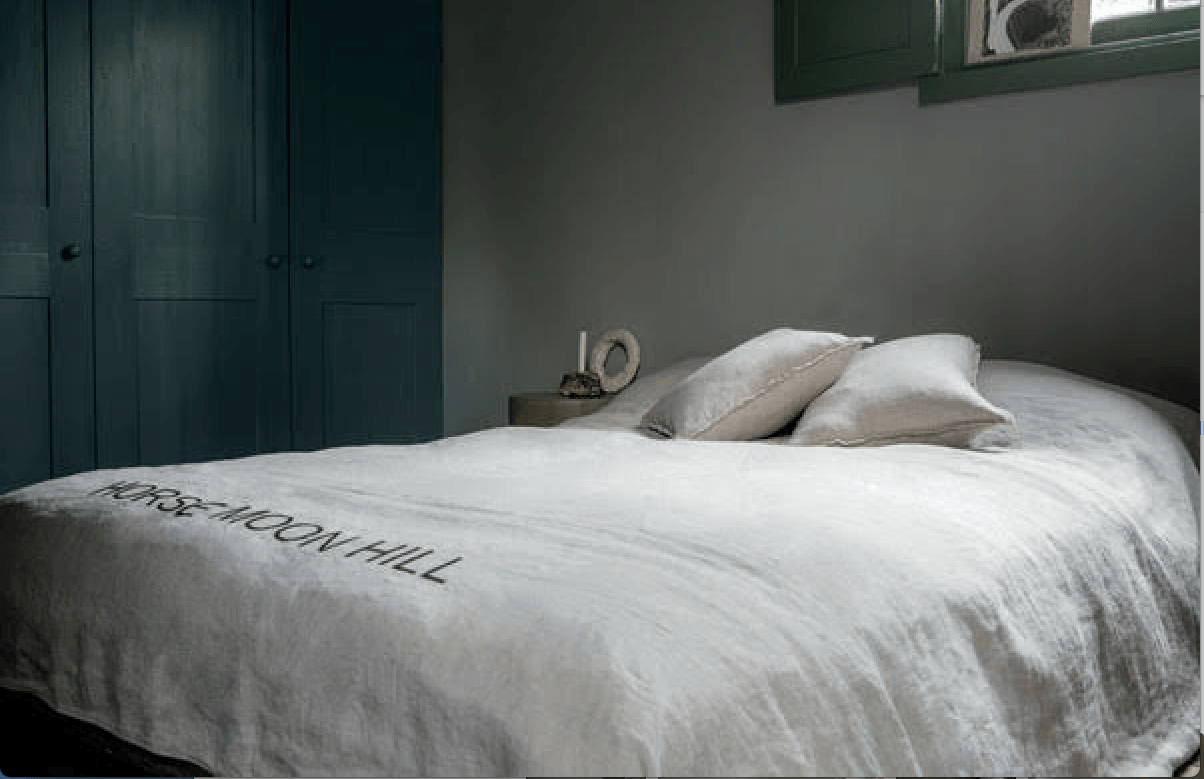
The collection is often associated with the phrase “Horse, Moon, Hill,” a poetic set of symbols that captures the collaboration’s mood: ancient landscape, simple forms, earthy tones, and quiet storytelling. Remodelista previously highlighted the linen duvet cover as part of a Toogood and Once Milano bedding collection, noting its embroidery and its available colors such as brown, raw, white, and natural at the time of publication.
Unlike mass-market duvet covers that focus mainly on color, thread count, or discount-friendly bundle sets, Toogood linen duvet covers are more design-led. They are for people who want bedding that feels personal, tactile, and architectural. In plain language: they are for anyone who has ever looked at a plain white bed and thought, “This is nice, but could it please have a little more soul?”
Why Linen Works So Well for Duvet Covers
Linen is made from fibers of the flax plant, and it behaves differently from cotton, microfiber, or silky synthetic bedding. It is naturally breathable, durable, and famous for its relaxed, crumpled texture. That texture is not a flaw. It is the whole personality. Linen does not want to look freshly pressed and nervous. It wants to look like it spent the weekend in a charming countryside cottage reading design magazines.
For duvet covers, linen is especially practical because it helps regulate temperature. Many sleepers choose linen because it allows better airflow than heavier, tightly woven fabrics. It can feel cool during warm months and comfortably insulating when layered in cooler seasons. That makes a linen duvet cover useful for year-round bedding, especially if you pair it with the right insert.
Linen also tends to soften over time. A brand-new linen duvet cover can feel slightly crisp or textured at first, but with washing and regular use, the fibers relax. This aging process is part of the value. Where some fabrics look tired after years of use, good linen often looks more natural, more fluid, and more inviting. It ages less like fast fashion and more like a leather chair that has heard excellent dinner-party stories.
The Design Language: Earthy, Primitive, and Calmly Artistic
The Toogood aesthetic is not about shiny glamour. It is about shapes, craft, utility, and mood. Faye Toogood’s wider body of work often celebrates sculptural forms, humble materials, and objects that feel both ancient and contemporary. The Toogood linen duvet cover follows that same spirit. It does not scream luxury; it speaks in a lower, more interesting voice.
The color palette is a major part of the story. Rich brown, raw linen, chalky white, and natural tones suggest earth, stone, field, chalk paths, and weathered rural textures. These shades are easy to live with because they are not trend-dependent. A bright novelty print might be charming for two weeks and then start arguing with every lamp in the room. A natural linen duvet cover, on the other hand, plays nicely with wood, plaster, ceramic, black metal, vintage rugs, pale walls, and modern minimalism.
The “Horse, Moon, Hill” embroidery adds a graphic identity without turning the bed into a billboard. It gives the duvet cover a collectible quality, almost like a functional artwork. That is the difference between buying bedding as a basic household item and choosing bedding as part of a room’s visual language.
Toogood Linen Duvet Covers vs. Standard Linen Duvet Covers
A standard linen duvet cover can be excellent. Many reputable bedding brands now sell pre-washed European flax linen covers in a wide range of colors, sizes, and price points. These are great for hot sleepers, casual bedrooms, coastal interiors, and people who want that famous “effortless bed” look without needing a design backstory.
Toogood linen duvet covers sit in a different category. They are not simply about material; they are about concept. The cover is tied to a specific design collaboration, a specific landscape inspiration, and a recognizable artistic vocabulary. You are not just buying linen. You are buying linen with a myth attached to it. That may sound dramatic for something that holds a duvet insert, but interiors are built from these small emotional details.
Choose a standard linen duvet cover if:
You want broad sizing options, easy availability, many color choices, or a lower entry price. Standard linen bedding is also a smart choice if your main priority is breathability and washability rather than collectible design.
Choose a Toogood linen duvet cover if:
You want a more distinctive piece with artistic character. It is ideal for design lovers, collectors of limited or collaboration-based home goods, and anyone building a bedroom around natural materials, quiet luxury, and strong but subtle visual storytelling.
How to Style Toogood Linen Duvet Covers
Styling a Toogood linen duvet cover is less about matching everything perfectly and more about creating balance. Because the duvet cover already has texture, earthiness, and design presence, the surrounding pieces should support it rather than compete for the microphone.
1. Pair It With Natural Wood
Linen and wood are old friends. A natural oak bed frame, walnut side table, vintage pine bench, or reclaimed wood headboard will make the duvet cover feel grounded. The combination works because both materials have visible texture and age gracefully.
2. Add Ceramic and Stone Accents
A handmade ceramic lamp, stoneware vase, or matte clay bowl reinforces the earthy palette. The goal is to make the room feel collected, not decorated in one frantic shopping trip. Think quiet gallery, not furniture showroom having a clearance event.
3. Use Layers, Not Clutter
A linen duvet cover looks best when it has space to breathe. Add a wool throw, a washed cotton sheet, or a linen pillowcase in a nearby tone. Avoid too many decorative pillows unless you enjoy removing a small mountain from your bed every night. Two or three good pillows usually beat twelve confused cushions.
4. Let the Wrinkles Live
Linen is supposed to look relaxed. The soft creases add depth and shadow, which makes the bed look more inviting. Trying to force linen into crisp perfection is like asking a cat to file taxes. Technically imaginable, spiritually wrong.
Best Bedroom Styles for Toogood Linen Duvet Covers
Toogood linen duvet covers are versatile, but they shine especially well in interiors that value restraint, texture, and atmosphere. They are not ideal for overly glossy rooms filled with mirrored furniture and high-shine finishes. They prefer honest materials and a bit of breathing room.
Modern Rustic
The earthy colors and linen texture make this cover a natural fit for modern rustic interiors. Pair it with plaster walls, exposed beams, black iron lighting, and simple furniture. The result feels warm but not fussy.
Minimalist
In a minimalist bedroom, the duvet cover can become the main source of texture. Choose the raw, white, or natural shade and keep the rest of the palette restrained. The room will feel calm without becoming sterile.
Wabi-Sabi Inspired
Wabi-sabi interiors celebrate imperfection, natural surfaces, and quiet beauty. Linen’s wrinkles, slubs, and irregularities fit beautifully into this philosophy. A Toogood duvet cover brings the kind of imperfect elegance that looks intentional rather than messy.
Artistic Eclectic
If your room includes vintage art, odd ceramics, old books, and furniture with a little character, Toogood linen bedding will feel right at home. It has enough personality to hold its own without overwhelming the space.
Comfort and Sleep Experience
A duvet cover affects sleep more than people realize. It touches the skin, influences temperature, changes the weight of the bedding, and determines how easy the bed is to maintain. Linen has a naturally textured hand-feel, so it may not be the best choice for someone who wants ultra-slick sateen smoothness. But for sleepers who enjoy breathable, substantial, organic-feeling bedding, linen can be a revelation.
Toogood linen duvet covers are especially appealing for people who dislike overly polished bedding. The fabric has movement. It drapes rather than clings. It feels casual but elevated. In summer, it can help prevent the heavy, trapped feeling that sometimes comes with dense bedding. In winter, it layers beautifully over warmer inserts and blankets.
The key is choosing the right duvet insert. If you sleep hot, pair the cover with a lightweight down alternative, silk, wool, or summer-weight down insert. If you sleep cold, use a heavier insert and add a blanket underneath. The cover itself brings breathability and texture, while the insert controls warmth.
How to Care for Linen Duvet Covers
Caring for linen is not difficult, but it does reward a gentler routine. Always check the care label first, especially with designer bedding or embroidered details. In general, linen prefers mild detergent, cool or warm water, and a gentle cycle. Harsh bleach and heavy fabric softeners are not its best friends. In fact, fabric softener can coat natural fibers and reduce their natural breathability.
Air drying is excellent if you have the space, but tumble drying on low heat can also work for many linen duvet covers. Remove the cover while it is still slightly damp to reduce deep creases. Then let it finish drying naturally. Again, the goal is not to erase every wrinkle. The goal is to keep the linen clean, soft, and strong.
Wash frequency depends on how you use the bed. If you sleep directly under the duvet cover without a top sheet, weekly washing is a practical routine. If you use a top sheet, washing every two to three weeks may be enough for many households. Pets, allergies, hot sleeping, and snack-in-bed habits may require more frequent cleaning. No judgment on the snacks, but crumbs have never improved a duvet cover.
What to Check Before Buying
Because Toogood linen duvet covers are design-led pieces, availability can change. Before purchasing, confirm the current size options, closure type, care instructions, return policy, and whether the product is in stock. If buying through a third-party retailer, check whether the listing clearly identifies the Toogood x Once Milano collaboration and provides accurate product details.
Pay attention to measurements, not just labels like queen, king, or full. Bedding sizes can vary between European and U.S. markets. A duvet cover that is slightly too large may create a relaxed drape, but one that is too small can make the insert bunch up like it is trying to escape.
Also consider your room’s existing palette. The brown shade can feel rich and grounding, ideal for moody bedrooms or spaces with warm woods. Raw and natural tones are more flexible and airy. Chalky white works beautifully in minimalist or gallery-like interiors but may require more confidence if pets, kids, coffee, or breakfast in bed are regular characters in your household drama.
Are Toogood Linen Duvet Covers Worth It?
The answer depends on what you expect from bedding. If you simply need a basic cover to protect a duvet insert, there are more affordable options. Many standard linen duvet covers provide breathability, comfort, and a relaxed look at lower prices. But if you want bedding that doubles as a design statement, Toogood linen duvet covers offer something more specific.
Their value lies in the combination of material, craftsmanship, concept, and visual identity. They are not just soft goods; they are part of a design narrative. For a bedroom where every object is chosen carefully, that matters. A distinctive duvet cover can set the tone for the entire room, reducing the need for excessive decoration.
Think of it this way: ordinary bedding helps you sleep. Special bedding helps the room feel like yours. Toogood linen duvet covers do both, assuming you appreciate linen’s texture and the collection’s earthy, artful personality.
Common Mistakes to Avoid
Buying Linen Without Liking Texture
Linen is not slippery-smooth like sateen. It has body, grain, and texture. If you only like extremely smooth bedding, test linen first before investing in a designer duvet cover.
Over-Styling the Bed
Toogood linen duvet covers look best when they are allowed to be the hero. Too many patterns, pillows, and throws can distract from the quiet strength of the design.
Ignoring Care Instructions
Designer linen deserves thoughtful care. Use gentle washing methods and avoid aggressive heat. Treat the embroidery and fabric with respect, and the duvet cover will reward you with years of character.
Forgetting About Insert Compatibility
A beautiful duvet cover still needs the right insert. Check dimensions carefully and choose an insert that matches your sleep temperature. The cover can only do so much; it is talented, not magical.
Real-World Experience: Living With Toogood Linen Duvet Covers
Living with a Toogood linen duvet cover feels different from living with ordinary bedding because it changes the mood of the room even when the bed is not perfectly made. In fact, it may look better slightly undone. The first morning after using linen bedding, you may notice that the bed has a relaxed, sculptural quality. The folds fall naturally. The surface catches light in soft, uneven ways. The room looks less like a showroom and more like a place where an interesting person lives, sleeps, reads, and occasionally loses a sock forever.
The tactile experience is also memorable. Linen does not have the slippery polish of sateen or the fluffy softness of microfiber. Instead, it has a dry, breathable texture that feels honest. At first, some people describe linen as crisp or slightly rough, but high-quality linen becomes friendlier with every wash. After several weeks, the duvet cover begins to feel more relaxed, more flexible, and more personal. It is the bedding equivalent of shoes that finally mold to your feet, except much more socially acceptable to discuss at dinner.
In a practical bedroom, the biggest benefit is versatility. During warm weather, a linen duvet cover can make the bed feel lighter and less stuffy. If the duvet insert is not too heavy, the cover allows airflow and helps reduce that trapped-heat feeling that wakes people up at 3 a.m. questioning every life choice. During cooler months, the same cover works beautifully with a warmer insert or an added blanket. It does not look seasonally confused; it simply adapts.
Styling it day to day is refreshingly easy. You do not need military corners or a hotel-perfect fold. Shake the duvet, pull it into place, let the linen settle, and the bed already looks intentional. Add two pillows in a complementary tone and perhaps one textured throw at the foot. That is enough. The cover’s natural color and embroidered detail provide the interest, so the rest of the bed can stay simple.
There are a few honest realities. Linen wrinkles. If you see every crease as a personal insult, this may not be your fabric. Linen can also shed lint in the beginning, depending on the weave and finish. It may require a few washes before it reaches its best softness. And because Toogood linen duvet covers are design pieces, they deserve more care than a bargain cover tossed into the hottest dryer setting with three towels and a suspicious hoodie.
But for people who love natural materials, the experience is deeply satisfying. A Toogood linen duvet cover makes the bed feel calmer, more grounded, and more expressive. It is not flashy luxury. It is quieter than that. It says you care about texture, craft, and atmosphere. It says your bedroom is not just where you collapse at the end of the day, but a room with its own identity. And frankly, in a world full of noisy things, a beautifully quiet bed is a very good idea.
Conclusion
Toogood linen duvet covers stand out because they bring together comfort, craft, and artistic storytelling. They are breathable enough for real sleep, textured enough for visual depth, and distinctive enough to shape the entire mood of a bedroom. The collaboration between Faye Toogood and Once Milano gives the duvet cover a rare quality: it feels both ancient and modern, practical and poetic.
If you want bedding that disappears into the background, this may not be the right choice. But if you want a linen duvet cover that adds character, warmth, and a sense of place, Toogood is worth serious attention. It is bedding for people who believe a bedroom should feel calm, personal, and just a little bit artful. Also, it gives you official permission not to iron. That alone deserves applause.