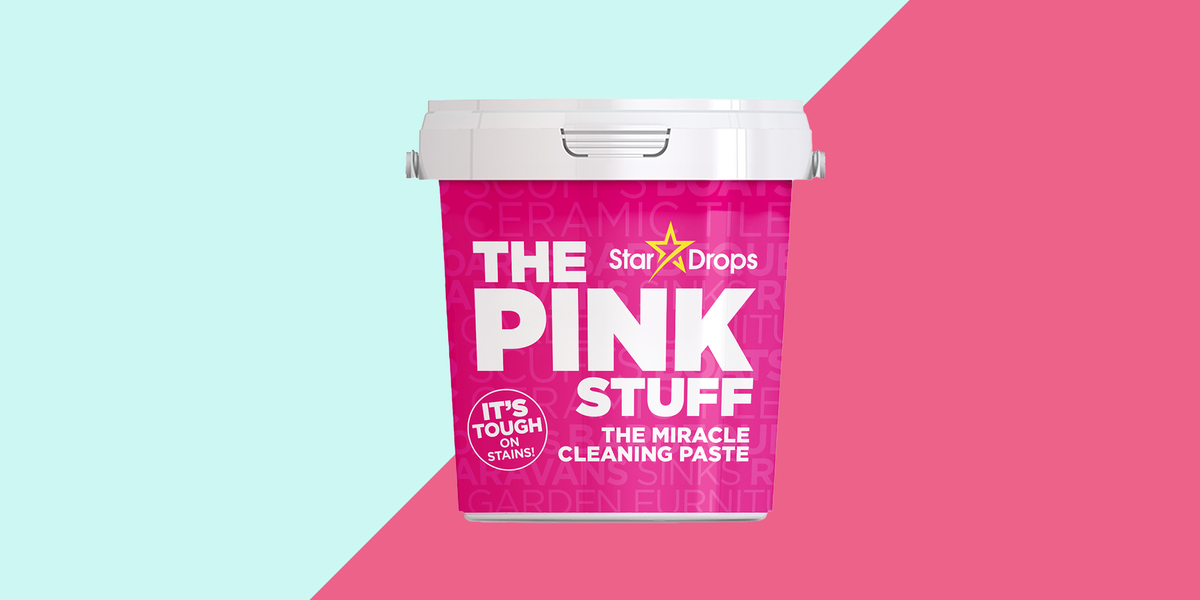
The Pink Stuff has the kind of name that sounds like it belongs in a candy shop, not under your kitchen sink. Yet this bright pink cleaning paste has become one of the most talked-about household cleaners online, especially among people who enjoy watching burnt-on grease vanish in 12-second cleaning videos. The big question is simple: does The Pink Stuff really work, or is it just another viral product with better marketing than muscle?
After reviewing manufacturer guidance, expert cleaning tests, editor experiences, customer-style use cases, and real-world surface recommendations, the answer is: yes, The Pink Stuff works very well on the right messes. But no, it is not magic in a tub. It is a mildly abrasive cleaning paste, which means it can make stubborn grime, soap scum, rust stains, stovetop marks, cookware residue, and sink stains easier to remove. However, it still needs elbow grease, careful rinsing, and smart surface selection. Think of it less as a fairy godmother and more as a very energetic cleaning assistant wearing pink sneakers.
What Is The Pink Stuff?
The Pink Stuff Miracle Cleaning Paste is a multi-purpose cleaning paste designed for hard surfaces around the home. It is commonly used on sinks, ceramic tiles, stovetops, saucepans, barbecues, glass, showers, outdoor furniture, uPVC, and other washable surfaces. The product is known for its thick pink texture, mildly fruity scent, and impressive ability to lift grime that ordinary sprays often leave behind.
Unlike a liquid all-purpose cleaner, The Pink Stuff is a paste. That matters because paste clings to surfaces better, especially vertical ones like oven doors, shower walls, tile grout, and sink edges. Instead of immediately running away like a watery spray with commitment issues, it stays where you put it long enough to scrub.
What Is in The Pink Stuff?
The formula is often described as naturally based and mildly abrasive. Key ingredients commonly associated with the paste include quartz, water, soap, sodium carbonate, sodium bicarbonate, sodium silicate, glycerin, fragrance, and colorant. The cleaning power comes from a combination of soap-based cleaning agents and fine abrasives that help physically loosen dirt, grease, stains, and mineral buildup.
That abrasive quality is the secret behind many of the satisfying before-and-after results. It is also the reason users need to be careful. The same gentle grit that removes burnt-on food can also dull, scratch, or damage delicate surfaces if used too aggressively.
How Does The Pink Stuff Work?
The Pink Stuff works by combining chemical cleaning action with mechanical scrubbing. Soap and alkaline ingredients help break down grime, while fine abrasive particles help lift stubborn residue from the surface. This makes it especially useful for messes that are stuck, baked on, dried out, or layered over time.
For example, a basic spray cleaner may wipe away fresh crumbs, light grease, or countertop dust. But when you are dealing with an oven door that looks like it has witnessed five Thanksgiving disasters, a paste cleaner can be more effective because it gives you texture, cling, and scrubbing power in one product.
Where The Pink Stuff Performs Best
The Pink Stuff is not the best cleaner for every job, but it does shine in certain areas. Its strongest performance is usually seen on hard, durable surfaces with visible buildup.
Kitchen Sinks
Kitchen sinks are one of the best places to test The Pink Stuff. Stainless steel sinks, ceramic sinks, and some composite sinks often collect water spots, tea stains, coffee marks, food residue, and dull gray buildup. A small amount of paste on a damp sponge can help restore brightness and remove surface grime quickly.
The trick is to use light pressure and rinse thoroughly. The paste can leave a chalky or gritty residue if it is not washed away properly. After rinsing, drying the sink with a microfiber cloth gives the best shine. It is the cleaning equivalent of adding a good haircut after a shower.
Stovetops and Cooktops
The Pink Stuff can work well on some stovetops, especially when dealing with grease rings, food splatter, and cooked-on residue. It is particularly helpful on durable enamel or ceramic-style surfaces when used carefully. However, cooktops can be delicate, so this is an area where spot testing is not optional. It is the adult thing to do, even if your inner cleaning goblin wants to attack immediately.
Never use the paste on a hot or warm stovetop. Let the surface cool completely, apply a small amount, rub gently with a soft sponge, and rinse well. Avoid aggressive scrubbing on glass, polished steel, or surfaces with special coatings.
Oven Doors and Greasy Areas
For greasy oven glass and oven doors, The Pink Stuff can make a noticeable difference. It helps loosen brown film, greasy patches, and baked-on splatter. That said, it may not erase years of neglect in one pass. If your oven has been quietly collecting evidence since 2018, expect to do more than one round.
The best approach is to apply a thin layer, let it sit briefly, scrub gently, and wipe away with warm water. Follow with a clean damp cloth until no residue remains. The result is usually much cleaner glass and a less embarrassing view into your oven.
Bathroom Sinks, Tubs, and Shower Tiles
Soap scum and hard water marks are where The Pink Stuff can feel genuinely satisfying. On bathroom sinks, tubs, and ceramic shower tiles, the paste can help cut through cloudy buildup and restore a smoother surface. It is also useful around drains and faucet bases, where grime seems to gather for tiny secret meetings.
Use it with a non-scratch sponge or soft brush. Rinse thoroughly, especially in textured areas and grout lines. If the surface is acrylic, plastic, refinished, painted, or delicate, test first or choose a gentler cleaner.
Grout and Tile Lines
Grout is a popular use for The Pink Stuff because the paste can cling to lines and help lift discoloration. It is not a replacement for deep mold treatment, and it will not magically recolor badly stained grout. But for everyday grime, rust-like marks, and soap scum, it can improve the appearance noticeably.
A small brush works better than a sponge for grout. Apply the paste, scrub gently, and rinse carefully. Do not let the product dry on the surface, because dried paste can become harder to remove.
Pots, Pans, and Baking Sheets
Many users love The Pink Stuff for cookware bottoms, stained baking trays, and pan exteriors. It can remove blackened residue, brown grease, and dull discoloration from durable metal surfaces. It is especially handy for the outside of pans, where burnt marks build up over time and make perfectly good cookware look like it survived a campfire.
However, avoid using it on nonstick coatings, delicate finishes, or surfaces that the manufacturer says should not be scrubbed with abrasives. The Pink Stuff is good, but it is not worth sacrificing a $90 nonstick skillet because you got ambitious.
White Sneakers and Rubber Soles
The paste can also work on white rubber sneaker soles and scuffed areas. A small dab on a damp cloth or brush can lift dark marks and brighten rubber trim. Use caution with fabric, suede, leather finishes, and colored materials. Stick to rubber areas unless you are comfortable testing a hidden spot first.
Where The Pink Stuff Does Not Perform Like a Miracle
The Pink Stuff is powerful, but it has limits. It is not ideal for every surface, and it should not be treated like a universal answer to every household problem.
It Can Scratch Delicate Surfaces
Because it is abrasive, The Pink Stuff can scratch or dull highly polished steel, soft plastic, acrylic, painted surfaces, varnished wood, waxed wood, and delicate glass. It may also be risky on glossy appliance fronts or expensive designer fixtures. When in doubt, test first in a hidden area. If the hidden area looks worse afterward, congratulations, you just saved the visible area.
It Can Leave Residue
One common complaint is that The Pink Stuff can leave a gritty or cloudy residue if not rinsed well. This is not a dealbreaker, but it does mean you should not treat it like a quick spray-and-go cleaner. After scrubbing, use warm water and a clean cloth to remove every bit of paste. A final dry buff helps prevent streaks.
It Still Requires Scrubbing
The word “miracle” creates big expectations. But The Pink Stuff does not eliminate effort. It reduces effort. You still need to apply the paste, scrub, rinse, and sometimes repeat. For light stains, it can work quickly. For baked-on grease or years of buildup, expect a workout. Not a full gym session, perhaps, but definitely enough to remind your wrist it has responsibilities.
How to Use The Pink Stuff Correctly
Using The Pink Stuff is simple, but technique matters. The best results come from using a small amount and avoiding unnecessary pressure.
Step-by-Step Instructions
Start by making sure the surface is cool. Do not use The Pink Stuff on hot or warm surfaces. Dip a soft cloth, sponge, or non-scratch scrubber into the paste. Apply a small amount to the dirty area and rub gently in circular motions. For stubborn grime, let the paste sit briefly, but do not allow it to dry. Wipe away with warm water, rinse thoroughly, and dry with a clean cloth.
More product does not always mean better cleaning. In fact, using too much paste can make rinsing more annoying. Begin with a pea-sized amount and add more only if needed. The goal is to clean the surface, not frost it like a cupcake.
Safety Tips
Always read the product label before use. Wear gloves if you have sensitive skin. Keep the product away from children and pets. Do not mix it with bleach, ammonia, vinegar, or other cleaners. While The Pink Stuff is often marketed as a gentler alternative to harsh chemical cleaners, it is still a cleaning product and should be used responsibly.
The Pink Stuff Review: Pros and Cons
Pros
The Pink Stuff is affordable, versatile, and effective on many stubborn household messes. A little goes a long way, so one tub can last a surprisingly long time. The paste texture helps it stay on vertical surfaces, and the mild abrasive action makes it especially useful for stains that ordinary sprays struggle to remove. It also has a less harsh smell than many heavy-duty cleaners, which is a welcome bonus if you do not want your kitchen to smell like a science lab with trust issues.
Cons
The biggest downside is that it can damage delicate surfaces if used incorrectly. It also requires rinsing, may leave residue, and is not truly effortless. It is not the best choice for quick daily wipe-downs, natural stone, waxed wood, polished appliance finishes, or delicate coated surfaces. It is a problem-solver, not an everyday surface mist.
Is The Pink Stuff Better Than Regular All-Purpose Cleaner?
It depends on the job. For everyday cleaning, a regular all-purpose spray is usually faster and more convenient. If you are wiping countertops, cleaning fresh spills, or doing light maintenance, a spray cleaner is easier.
But for stuck-on grime, old stains, scuff marks, soap scum, and greasy buildup, The Pink Stuff often performs better because it adds physical scrubbing power. It is closer to a cream cleanser or scouring paste than a standard spray. The best cleaning cabinet has both: a gentle daily cleaner for routine messes and The Pink Stuff for the moments when a stain has decided to become part of the family.
Who Should Buy The Pink Stuff?
The Pink Stuff is a smart buy for renters, homeowners, parents, pet owners, home cooks, and anyone who regularly battles grime in kitchens or bathrooms. It is especially useful if you have stained sinks, soap scum, grimy grout, dirty cookware bottoms, or oven glass that needs help.
It is also good for people who enjoy visible cleaning results. Some products quietly disinfect or deodorize, which is useful but not exciting. The Pink Stuff gives you the drama of seeing stains lift and surfaces brighten. It is oddly motivating, which may explain why so many people end up cleaning one sink and then suddenly attacking the entire kitchen like they are filming a cleaning montage.
Who Should Skip It?
Skip The Pink Stuff if your home is full of delicate finishes, natural stone, polished metals, high-gloss appliances, acrylic tubs, untreated wood, or surfaces that specifically warn against abrasives. You should also skip it if you want a no-rinse, no-scrub product for fast daily cleaning.
If you are very sensitive to fragrance, you may want to smell it before committing. The scent is generally mild and fruity, but fragrance preferences are personal. One person’s “pleasant berry-clean” is another person’s “why does my sink smell like a dessert with chores?”
Realistic Verdict: Does The Pink Stuff Really Work?
Yes, The Pink Stuff really works, but the word “miracle” needs a footnote. It is excellent at removing many types of stubborn grime, especially on durable hard surfaces. It can refresh sinks, improve stained oven glass, brighten grout, remove scuffs, clean cookware exteriors, and tackle soap scum better than many basic sprays.
However, it is not a magic eraser for every mess. It needs scrubbing. It needs rinsing. It needs surface caution. Used correctly, it is one of the most useful budget cleaning products you can keep at home. Used carelessly, it can scratch something you love and turn cleaning day into regret day.
The best way to think of The Pink Stuff is this: it is a high-performing cleaning paste for tough jobs, not a universal cleaner for every surface. Respect the abrasive formula, spot-test first, and rinse well. Do that, and the pink tub earns its place under the sink.
Extra Experience Section: What It Feels Like to Actually Use The Pink Stuff
Using The Pink Stuff for the first time can be surprisingly satisfying because it feels different from most modern cleaners. We are used to sprays that promise everything with a few spritzes and a cheerful label. The Pink Stuff feels more old-school. You open the tub, see the thick pink paste, scoop a tiny amount onto a sponge, and instantly understand that this product is here for physical labor. It is not pretending to be fancy. It is here to scrub.
One of the best first tests is a stained kitchen sink. The sink is the perfect stage because it collects everything: coffee splashes, dull water marks, soap residue, mystery streaks, and that one tiny orange stain from tomato sauce that seems emotionally attached to the basin. With The Pink Stuff, the process is simple. Wet the sponge, dab a little paste, rub gently, and watch the dull film begin to lift. The result is not always instant perfection, but the improvement is obvious enough to make you keep going.
The second experience many users have is the oven door test. This is where expectations need to be realistic. If the oven door has a light greasy film, The Pink Stuff can make it look dramatically better. If it has layers of baked-on grease from years of roasting, broiling, and pretending the problem is “future me’s job,” the paste will help but may need multiple rounds. The good news is that it clings well and gives you more control than a runny cleaner. The bad news is that your arm will be involved. Heavily.
Bathroom cleaning is another area where the paste feels useful. Around faucets, drains, and tile edges, it can remove that cloudy buildup that makes a bathroom look older than it is. On shower tiles, the paste can cut through soap scum with a soft brush or sponge. The key lesson is to rinse more than you think you need to. If you leave residue behind, the surface may look hazy after it dries. A final wipe with a clean damp cloth makes a big difference.
Where The Pink Stuff feels least impressive is on messes that are not suited to abrasion. For example, it is not the product to grab for disinfecting kitchen counters after raw chicken prep, cleaning wood furniture, or wiping delicate appliance fronts. It is also not a replacement for mold treatment. If dark mold is growing in caulk, The Pink Stuff may clean nearby grime, but it will not solve the underlying moisture problem. That is a different cleaning battle with different tools.
The overall user experience is positive because the paste gives visible results without feeling overly harsh. It smells cleaner and softer than many heavy-duty products, the tub lasts a long time, and it can rescue surfaces that look permanently stained. Still, the best results come from patience and restraint. Use a small amount. Scrub gently. Rinse thoroughly. Test first. In other words, treat The Pink Stuff like a powerful little helper, not a pink permission slip to attack every surface in your home.
Final note: The Pink Stuff is worth buying if you want an affordable cleaner for tough, visible grime on durable surfaces. It is not perfect, and it is not truly miraculous, but it is genuinely effective when used correctly. Always follow the label directions, avoid delicate finishes, and test in a hidden spot before cleaning anything valuable.