Linen is one of those fabrics that makes you look effortlessly elegant right up until you pull it out of the closet and realize it resembles a folded roadmap. That is not linen being difficult. That is linen being linen. The fabric is beloved for its breathability, crisp texture, and relaxed, expensive-looking charm, but it also wrinkles faster than a person who forgot they left the iron on.
The good news is that ironing linen is not hard when you know the trick: do not wait until it is bone dry and wildly crumpled. The best way to iron linen clothing is to press it while it is still slightly damp, use the proper heat setting for the care label, add steam, and work methodically in sections instead of attacking the shirt like you are settling an old score. Done right, linen comes out smooth, polished, and still full of character rather than stiff and sad.
In this guide, you will learn exactly how to iron linen clothing, what tools work best, when to use steam, when to use a pressing cloth, and how to avoid the classic mistakes that leave linen shiny, scorched, or somehow more wrinkled than when you started. We will also cover quick fixes for busy mornings and real-life experiences that make this fabric much easier to handle.
Why Linen Is So Wrinkle-Prone
Linen is made from flax fibers, and those fibers are strong, breathable, and wonderfully absorbent. They are also not especially interested in holding a perfectly smooth shape all day. That is why linen pants wrinkle after sitting, linen shirts crease at the elbows, and linen dresses develop soft folds the moment you dare to exist in them.
That does not mean linen is a bad fabric. Quite the opposite. A little texture is part of its appeal. The goal is not to turn linen into plastic-smooth polyester. The goal is to remove deep wrinkles, sharpen the silhouette, and let the fabric keep that easy, refined look people actually love. Think “fresh summer sophistication,” not “museum display case.”
The Best Way to Iron Linen Clothing: Step by Step
1. Check the care label first
Before you touch the iron, read the garment’s care label. Pure linen usually tolerates higher heat better than delicate blends, embroidered pieces, or lined garments. If the item is a linen blend, the second fiber may change the safest ironing temperature. This one small step can save you from shine marks, scorching, or that sinking feeling that comes from damaging your favorite shirt right before brunch.
2. Iron linen while it is slightly damp
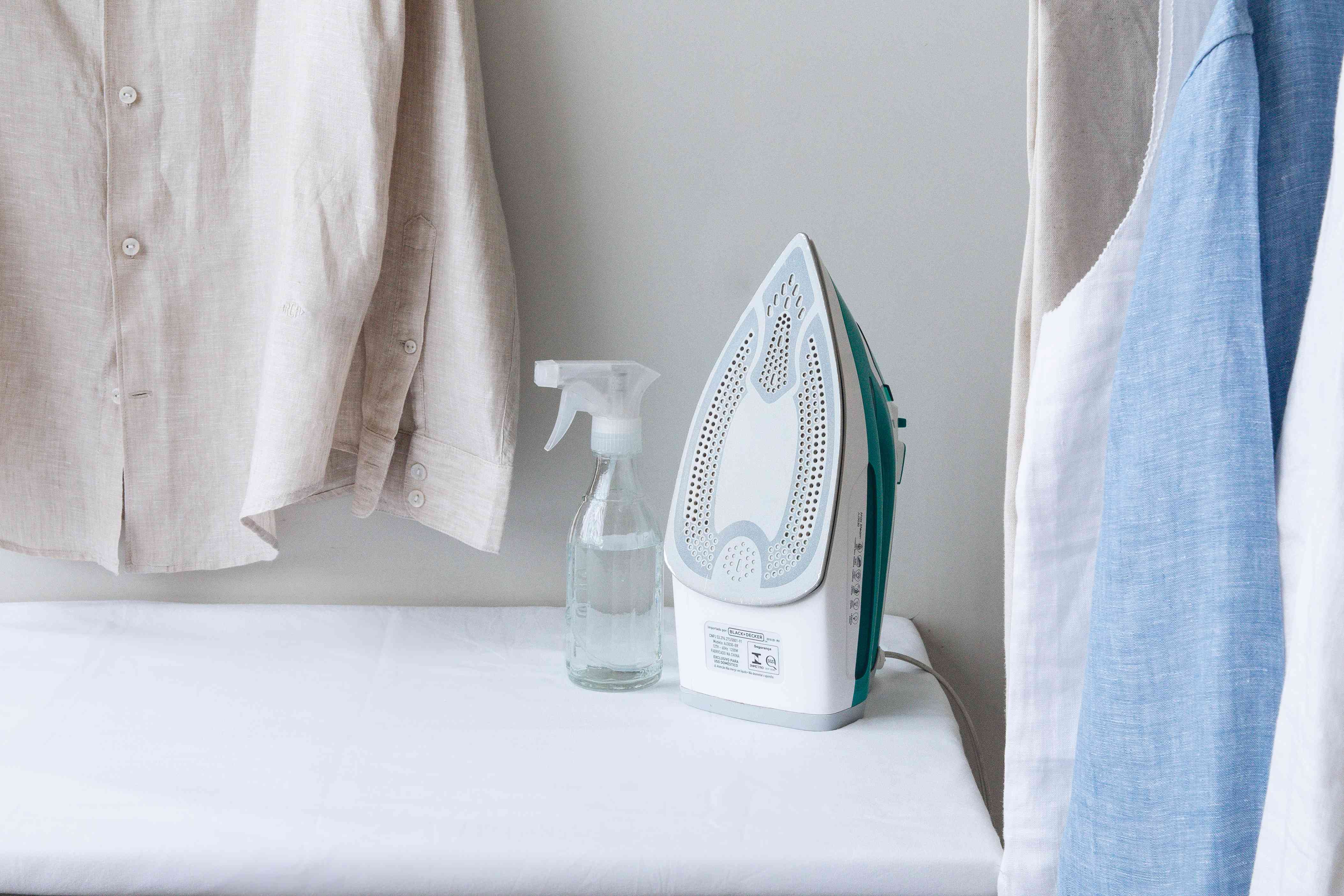
This is the biggest game-changer. Slightly damp linen is far easier to press than dry linen. If the clothing has just been washed, remove it from the dryer early or iron it after air-drying until it is only lightly moist. If the garment is already dry, use a spray bottle with clean water and mist it evenly. You want it damp, not dripping. If your shirt looks like it survived a rainstorm, you have gone too far.
Damp fibers relax more easily under heat, which helps the iron glide better and smooth wrinkles faster. It also reduces the amount of repeated pressing you need, which is nice for both your patience and your electricity bill.
3. Use a sturdy ironing board and a clean iron
Linen deserves a flat, heat-safe surface. Ironing on a bed, couch cushion, or mystery tabletop from your college apartment is a risky move. A firm ironing board helps you press seams, collars, cuffs, and hems without creating new creases.
Also make sure the soleplate of the iron is clean. Any residue, rust, or mystery buildup can transfer to light-colored linen, and linen has a special talent for making every little mark look dramatic.
4. Turn the garment inside out when needed
For dark linen, embroidered linen, printed pieces, or garments prone to shine, turn them inside out before ironing. You can also place a pressing cloth between the iron and the garment. A clean cotton cloth works well. This adds a little protection while still allowing heat and steam to do their job.
This step is especially helpful for linen blazers, dresses, and shirts with decorative details. It is much easier to prevent shine than to explain why your elegant black linen now looks oddly glossy under kitchen lighting.
5. Choose the correct heat setting and use steam
If the care label allows it, linen typically responds best to a high heat setting with steam. Steam is not a bonus feature here. It is the supporting actor who quietly carries the whole movie. The combination of heat and moisture helps release wrinkles far more efficiently than dry pressing alone.
Fill the iron with water if it has a steam function, and use bursts of steam on stubborn areas like plackets, waistbands, collars, and hems. If your iron does not produce much steam, lightly mist the garment as you go. Just avoid soaking one spot so heavily that the fabric becomes unevenly wet.
6. Press in sections instead of dragging wildly
Ironing linen goes better when you work in small sections. Start with one area, smooth it with your hand, press, lift the iron, and move to the next section. Avoid big, frantic sweeping motions. That can stretch the fabric or create fresh wrinkles. Linen likes calm, deliberate handling. It does not respond well to panic.
For shirts, start with the collar, then cuffs, sleeves, shoulders, and body. For pants, begin with the waistband and pockets, then the legs. For dresses and skirts, work from the top downward. Always smooth fabric flat before each press.
7. Let the garment cool before wearing or storing it
Once you finish ironing, hang the garment immediately and let it cool completely. Warm fabric can wrinkle again if you fold it too soon or throw it on a chair in a “temporary” pile that becomes permanent by Thursday. Cooling helps the fibers settle into a smoother shape, which gives you a better finish for longer.
What Tools Make Ironing Linen Easier?
You do not need a luxury laundry room to iron linen well, but a few tools help:
- A steam iron: Linen responds beautifully to strong steam.
- A spray bottle: Perfect for re-dampening dry fabric.
- An ironing board: Stable and firm is better than improvised.
- A pressing cloth: Great for dark colors, details, and extra protection.
- A padded hanger: Helps keep the smooth finish after ironing.
If you wear linen often, a quality iron is worth it. Cheaper irons can spit water, heat unevenly, or make the entire process feel like a hostile negotiation.
Iron or Steamer: Which Is Better for Linen?
For structured linen clothing, an iron usually gives the best result. If you want crisp collars, clean hems, and a sharper silhouette, ironing wins. A steamer is great for refreshing lightly wrinkled linen or touching up a dress that only needs a little help before you head out the door.
That said, steamers are fantastic when you want to preserve linen’s relaxed texture instead of flattening every last crease. A linen blouse, loose summer dress, or casual drawstring pants may look best with steaming alone. In other words, use an iron when you want polished, and use a steamer when you want “I summer in places with beautiful outdoor lunches.”
Common Ironing Mistakes That Make Linen Look Worse
Ironing linen when it is completely dry
This is the top mistake. Dry linen can be stubborn and may require far more effort. Start damp, and life gets better immediately.
Using the wrong temperature
Too low, and you will push wrinkles around instead of removing them. Too high for a blend or special finish, and you risk damage. Always let the care label be the boss.
Ignoring the inside of the garment
Turning linen inside out helps protect the surface, especially for dark colors or embellished pieces. It is a small step with a big payoff.
Pressing over stains
Heat can set stains, making them harder to remove later. If you spot a mark, treat it before ironing. Do not try to “cook it out.” The stain will not respect your optimism.
Folding the garment too soon
Freshly ironed linen needs a minute to cool and settle. Folding it while warm can bring wrinkles right back.
How to Iron Specific Linen Clothing Items
Linen shirts
Start with the collar, then move to the cuffs and sleeves. Use the narrow end of the board to help with sleeves if possible. Press the yoke, then the front panels, then the back. Button plackets respond especially well to steam.
Linen pants
Press waistbands and pocket areas first, then smooth each leg flat and work downward. If you want a crease, align the seams carefully before pressing. If not, simply smooth each leg section by section for a clean, relaxed finish.
Linen dresses and skirts
Start at the bodice or waistband and move down. For gathered areas, use gentle presses and extra steam rather than dragging the iron across the fabric. This helps maintain shape without flattening the garment’s design.
Linen blazers and jackets
Use a pressing cloth and take your time around lapels, seams, and linings. Structured pieces benefit from careful pressing more than speed. This is not the moment for shortcuts.
What If You Do Not Have Time to Iron?
Some mornings are ambitious, and some mornings you are just trying to find matching shoes. If you do not have time for a full ironing session, try one of these quick fixes:
- Hang the linen item in the bathroom while you take a hot shower.
- Use a garment steamer for light to moderate wrinkles.
- Toss the item in the dryer briefly with a damp towel, then remove and hang it right away.
- Use a wrinkle-release spray and gently smooth the fabric by hand.
These methods will not always create a crisp, freshly pressed look, but they can absolutely rescue a linen shirt that went from “charming” to “forgotten in a suitcase” overnight.
How to Keep Linen Clothing From Wrinkling So Fast
Linen will always wrinkle some, because that is part of its personality, but you can reduce the chaos:
- Remove linen from the washer or dryer promptly.
- Shake garments out before drying.
- Hang linen clothing instead of cramming it into drawers.
- Give pieces room in the closet so they do not get crushed.
- Use padded or shaped hangers for shirts, dresses, and jackets.
- Fold carefully when packing and unpack as soon as possible.
If you wear linen often, think of wrinkle prevention as a team sport. Washing, drying, storing, and ironing all matter. Waiting until the last second and then blaming the fabric is emotionally satisfying, but not especially effective.
Frequently Asked Questions
Can you iron linen every time you wear it?
Yes, as long as you follow the care label and avoid excessive heat on blends or special finishes. Many linen garments benefit from a quick touch-up rather than a full pressing every single wear.
Is steaming enough for linen?
Sometimes. For casual linen pieces and light wrinkles, yes. For crisp shirts, tailored pants, and polished outfits, ironing usually works better.
Should linen be perfectly wrinkle-free?
No. Linen is meant to look relaxed and lived-in. Removing deep wrinkles is helpful, but trying to make linen look permanently crisp is like trying to keep beach hair unchanged in a windstorm. You can improve it, but nature will have opinions.
Real-Life Experiences With Ironing Linen Clothing
One of the funniest things about linen is that nearly everyone starts out assuming it should be treated like cotton. Then comes the first ironing attempt: a fully dry linen shirt, a lukewarm iron, a few irritated passes back and forth, and somehow the wrinkles remain while your patience disappears. That experience is incredibly common. The moment people switch to ironing linen while it is slightly damp, everything changes. The fabric stops fighting so hard, the iron glides more easily, and the result looks smoother with much less effort.
Another common experience happens with summer travel. You unpack a linen dress or button-down shirt from a suitcase and discover folds so sharp they could qualify as architecture. At that point, people often panic and either blast the garment with too much heat or wear it anyway and hope no one notices. In real life, the best rescue is usually simple: hang it up, mist it lightly, steam or iron it in sections, and give it a few minutes on a hanger. Linen responds much better to calm touch-ups than dramatic last-minute wrestling matches.
Dark linen also teaches people an important lesson. Many learn the hard way that direct heat on the outside of black or navy linen can leave a slight shine, especially under bright light. After that, they become loyal fans of inside-out ironing or using a pressing cloth. It feels like an extra step until you compare the finish. Then it feels like wisdom.
People who wear linen to work often notice a difference between “wrinkle-free” and “presentable.” A perfectly flattened linen shirt can sometimes look oddly stiff, while a lightly pressed one with a bit of natural texture looks more expensive and relaxed. That experience changes expectations. Instead of chasing perfection, they aim for a cleaner collar, smoother placket, neat sleeves, and a generally polished shape. The result looks better and feels more realistic for everyday wear.
There is also the universal experience of re-wrinkling a garment immediately after ironing it. You finish pressing linen pants, fold them over your arm, set them on a chair for “just a second,” and somehow they come back with fresh creases. That is why people who get the best results tend to hang linen immediately and leave it alone until it cools. It sounds almost too simple, but it works.
Over time, most linen lovers develop a personal rhythm. Some iron right after laundry day while garments are still a little damp. Others keep a spray bottle near the board and do quick touch-ups before getting dressed. Some rely on a steamer for dresses and save the iron for shirts and pants. The details vary, but the successful experiences all have one thing in common: they stop treating linen like a problem to defeat and start treating it like a fabric with its own rules. Once you respect those rules, linen becomes much easier to manage and far more enjoyable to wear.
Conclusion
The best way to iron linen clothing is surprisingly straightforward: check the care label, start when the fabric is slightly damp, use steam and the right heat, press gently in sections, and let the garment cool on a hanger before wearing or storing it. That approach removes stubborn wrinkles without fighting the fabric’s natural character.
Linen will never behave like a no-iron synthetic, and honestly, that is part of its appeal. It looks breathable, relaxed, and stylish in a way few fabrics can match. With the right ironing method, you can keep linen clothing polished without stripping away the soft texture and easy charm that made you buy it in the first place. Smooth enough to look sharp, relaxed enough to still look like linen: that is the sweet spot.