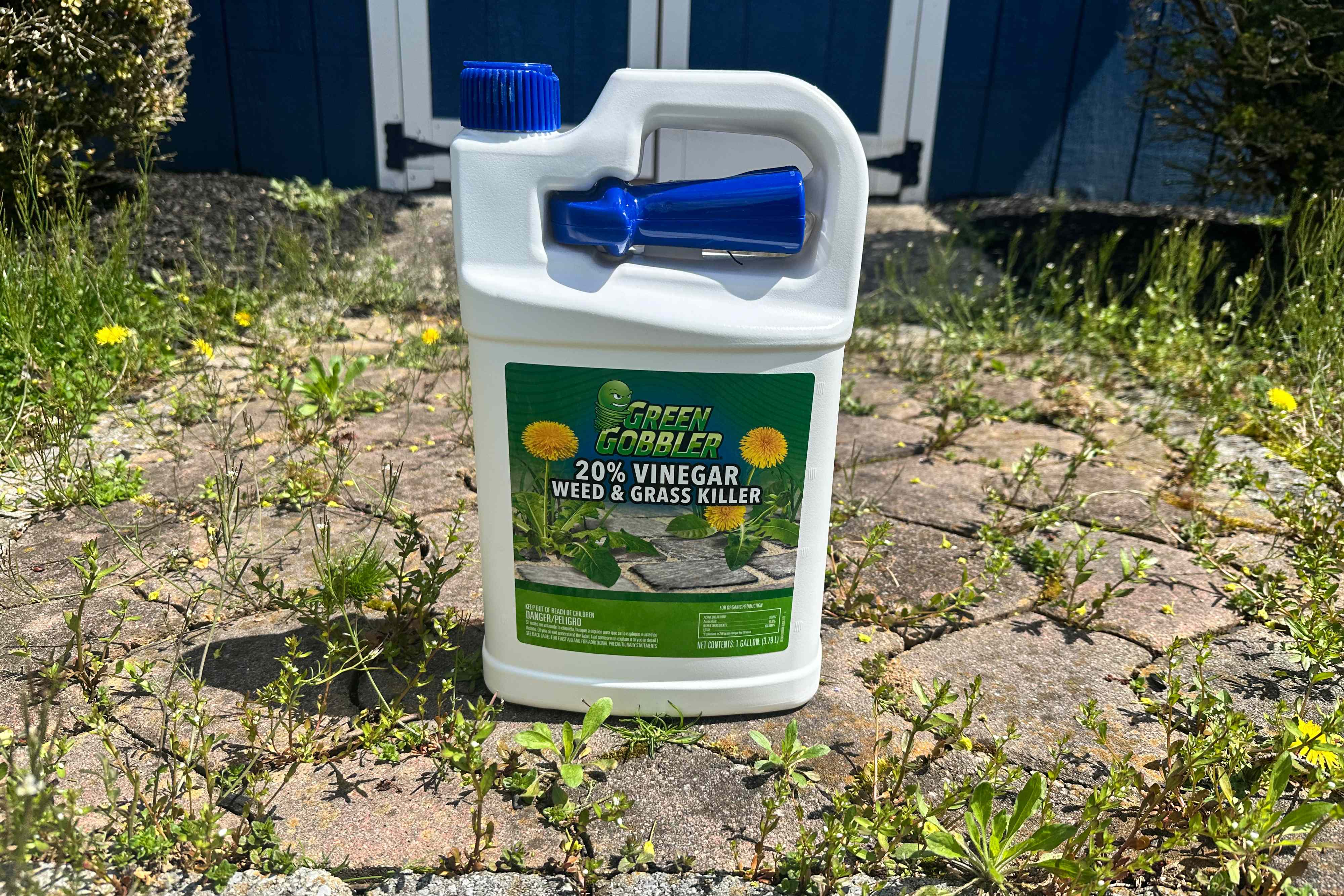
Note: This is a research-based roundup that synthesizes current testing from major U.S. review publishers, official product information, and extension guidance. It is not a first-person lab test by this publication. For safety, always follow the product label exactly and check whether a product is registered for use in your state.
Weeds have a special talent for showing up exactly where they are least welcome: in the middle of the lawn, between patio pavers, along the mailbox post, and right next to the plant you actually paid money for. Annoying? Absolutely. Mysterious? Not really. Most weed problems come down to timing, weed type, and using the wrong product for the wrong space.
That is why the phrase best weed killer is a little misleading. There is no single magic bottle that handles every lawn, every flower bed, every gravel path, and every patch of crabgrass without trade-offs. Some products are selective and made for lawns, meaning they target certain weeds without wiping out turf. Others are non-selective and will knock out nearly any green thing they touch. Some prevent weeds from sprouting. Others attack weeds that are already throwing a backyard rebellion.
In this guide, we cut through the label jargon and rank nine standout options based on what they do best. We also explain which formulas make sense for lawns, driveways, flower beds, and total vegetation control, plus the biggest red flags to watch for before you spray, sprinkle, or otherwise declare war on dandelions.
How We Chose the Best Weed Killers
This roundup was built by comparing current product claims, active-use categories, expert testing roundups, and university-backed weed-control guidance. In plain English: we looked at what reputable review sites liked, checked what the manufacturers actually promise on current pages or labels, and filtered everything through real-world lawn and garden logic.
We prioritized products that fit one of these jobs especially well:
- Lawn-safe selective control
- Crabgrass and grassy weed control
- Pre-emergent prevention
- Non-selective cleanup for hardscapes
- Flower-bed prevention
- Fast-acting natural-style spot treatment
- Long-lasting vegetation control where no plants are wanted
The 9 Best Weed Killers
1. Spectracide Weed Stop for Lawns Plus Crabgrass Killer Best Overall for Lawns
If your yard looks like crabgrass, clover, and dandelions formed a homeowners association, this is the kind of formula that deserves a serious look. Spectracide Weed Stop for Lawns Plus Crabgrass Killer stands out because it targets both broadleaf weeds and grassy invaders, which is a big deal. Many lawn products are great at broadleaf weeds but shrug helplessly at crabgrass.
Best for: Established lawns with a mixed weed problem.
Why it stands out: It is one of the more practical “all-around” lawn formulas for people who do not want to buy one bottle for clover and a second bottle for crabgrass. It is especially appealing for homeowners who want lawn-safe control rather than total vegetation wipeout.
Watch-outs: This is not a product for flower beds, edging carelessness, or “let’s just spray everything and hope for the best” energy. Lawn-safe only means safe when used exactly as directed on labeled turf.
2. Syngenta Tenacity Herbicide Best Pro-Style Pick for Cool-Season Turf Renovation
Tenacity has a near-legendary reputation among serious lawn people, the sort of folks who know their grass type the way other people know their zodiac sign. It is popular because it can be used in both pre-emergent and post-emergent roles in certain turf situations, especially during renovation and overseeding projects.
Best for: Cool-season turf projects, overseeding plans, and homeowners who are willing to read the label like it is a final exam.
Why it stands out: It offers flexibility that simpler consumer products do not. It is also one of the few products that gets repeated praise when people are trying to thread the needle between weed control and lawn establishment.
Watch-outs: Tenacity is not beginner-friendly. If you want something grab-and-go, this is probably too fussy. It also demands careful turf compatibility checks, so it is better for informed users than for casual impulse buying.
3. Compare-N-Save 41% Glyphosate Concentrate Best Budget Concentrate
When the mission is broad, aggressive cleanup rather than selective lawn care, Compare-N-Save remains one of the best-value concentrates on the market. It is a non-selective glyphosate concentrate, which means it is intended for killing weeds and grass roots and all in places where you do not want desirable plants hit.
Best for: Fence lines, garden-bed prep, patio edges, and budget-minded buyers who need a lot of coverage.
Why it stands out: The value proposition is strong. A concentrate gives more coverage per dollar than many ready-to-use bottles, so it makes sense for larger problem areas.
Watch-outs: Non-selective means non-selective. If it lands on a plant you wanted to keep, that plant may be sending its farewell speech. This is not a lawn spot-treatment product unless the goal is total kill.
4. Roundup Dual Action 365 Weed & Grass Killer Plus 12 Month Preventer Best for Cracks and Long-Term Hardscape Control
If you are tired of weeds treating your driveway cracks like premium real estate, Roundup Dual Action 365 is one of the most purpose-built products in this category. It is designed to kill existing weeds and help prevent new ones for up to a year in hardscape areas.
Best for: Driveways, sidewalks, paver seams, gravel strips, and places where no vegetation is wanted.
Why it stands out: The combination of knockdown and long residual prevention is convenient. Instead of playing year-round whack-a-mole, you get a more durable strategy.
Watch-outs: This is absolutely not for casual use near desirable plants, vegetable beds, or lawn edges you care about. Long-term prevention is great in the right place and disastrous in the wrong one.
5. Ortho GroundClear Year Long Vegetation Killer Best for Total Vegetation Control
Think of this as the “nothing green should live here” option. Ortho GroundClear Year Long Vegetation Killer is intended for areas where bare ground is the goal for an extended period. That makes it useful around fences, storage areas, utility zones, and hardscape margins.
Best for: Fence rows, gravel utility areas, and industrial-feeling corners of the property.
Why it stands out: It is clear about its purpose, which is refreshing in a market full of labels that sound like motivational speeches. If you want year-long vegetation suppression, this is one of the strongest consumer-facing options.
Watch-outs: The danger here is overconfidence. Products designed to prevent regrowth for months should never be treated like ordinary spot sprays.
6. BioAdvanced All-In-One Lawn Weed & Crabgrass Killer Best Hose-End Option
BioAdvanced’s All-In-One Lawn Weed & Crabgrass Killer earns its place because it handles two common homeowner frustrations at once: broadleaf weeds and listed grassy weeds like crabgrass. It is especially appealing for people who want a lawn-safe formula in a hose-end or ready-to-spray format.
Best for: Homeowners who want a simpler application format for larger lawn areas.
Why it stands out: Convenience matters. A product that is easy to apply is far more likely to be used correctly than a product that sits in the garage while weeds throw a block party.
Watch-outs: Convenience does not replace caution. You still need to confirm your grass type and avoid drift onto ornamentals, beds, and nearby shrubs.
7. Scotts Halts Crabgrass & Grassy Weed Preventer Best Pre-Emergent for Lawns
Pre-emergents are the bouncers of weed control. They do not wrestle the troublemakers after they are already inside; they stop them at the door. Scotts Halts is one of the better-known lawn pre-emergents for preventing crabgrass and other grassy weeds before they emerge.
Best for: Lawns with repeat annual crabgrass problems.
Why it stands out: Prevention is often easier, cheaper, and less stressful than trying to kill mature crabgrass later. For repeat offenders, a pre-emergent can be the smarter seasonal move.
Watch-outs: Pre-emergents do not solve current weed problems. If the weeds are already up and waving at you, you need a post-emergent product instead.
8. Preen Garden Weed Preventer Best for Flower Beds
Flower beds are where many weed-control plans go to die. You want fewer weeds, but you also do not want to nuke your hydrangeas into next Tuesday. Preen Garden Weed Preventer remains one of the most recognizable options for established ornamental beds because it is designed to prevent new weeds rather than kill existing landscape plants.
Best for: Established flower beds, landscaped borders, and mulched ornamental areas.
Why it stands out: It is a prevention-first product that fits the way many garden beds are actually maintained. Pull the weeds that are there, then help stop the next wave.
Watch-outs: It will not solve a current jungle. Also, always verify whether it is appropriate around any edible plants or newly seeded areas before use.
9. Natria Grass and Weed Control With Root Kill Best Fast-Acting Natural-Style Pick
For shoppers who want something outside the classic synthetic-heavy lineup, Natria Grass and Weed Control With Root Kill is a compelling option. Review testing praised its speed, especially on small weeds and grasses in hardscape or bed-edge settings.
Best for: Small spot treatments, quick cleanup, and shoppers looking for a fast-acting alternative style of weed killer.
Why it stands out: It works fast, and speed matters when you are tackling weeds in visible areas like patio seams and walkway edges. It is also easier to recommend to people who want a more approachable ready-to-use option.
Watch-outs: Natural-style does not mean gentle on desirable plants. This is still a non-selective product, so careful targeting is essential.
What to Look for Before Buying a Weed Killer
1. Selective vs. Non-Selective
This is the biggest fork in the road. A selective weed killer is meant for lawns and targets certain weeds while leaving turf grass intact when used correctly. A non-selective formula kills or injures nearly any plant it touches. If you use a driveway product in the middle of your lawn, congratulations, you now have a lawn problem and a weed problem.
2. Pre-Emergent vs. Post-Emergent
Pre-emergents prevent weed seedlings from establishing. Post-emergents attack weeds that are already visible. If you buy the wrong type, you may do everything right and still get disappointing results. That is not user failure. That is product mismatch.
3. Contact vs. Systemic Action
Contact herbicides mainly damage the parts of the weed they touch. Systemic herbicides move through the plant and are usually better on established or perennial weeds. If you are battling a deep-rooted repeat offender, quick leaf burn is not always enough.
4. Lawn and Plant Compatibility
Not every lawn-safe herbicide is safe on every turf species. Some products are fine on one grass type and risky on another. The same goes for ornamentals nearby. Product labels are not decorative; they are the whole game plan.
5. Residual Control
Long-lasting prevention sounds great until it is used where you plan to reseed, replant, or otherwise grow something later. Residual activity is either a superpower or a problem, depending on the location.
Red Flags That Should Make You Put the Bottle Back
- A vague label that does not clearly state where the product can be used
- No clear turf-grass compatibility information for lawn products
- Claims that sound too broad, such as “kills everything safely everywhere”
- A formula that prevents growth for months in an area you may want to replant soon
- Using a hardscape or total-vegetation product anywhere near desirable roots
- Choosing by price alone without matching the product to the weed type
Which Weed Killer Is Best for Your Situation?
For a mixed lawn problem: Start with Spectracide or BioAdvanced.
For crabgrass prevention: Scotts Halts makes more sense than a post-emergent rescue attempt.
For garden beds: Preen is the neat, prevention-first choice.
For driveway cracks and gravel: Roundup Dual Action 365 or Ortho GroundClear Year Long are more appropriate.
For broad cleanup on a budget: Compare-N-Save offers strong coverage value.
For advanced turf users: Tenacity is the specialist’s tool.
For quick natural-style spot treatment: Natria is the fastest-acting option in this roundup.
Final Verdict
If we had to choose one best overall weed killer for the average homeowner, Spectracide Weed Stop for Lawns Plus Crabgrass Killer gets the nod because it solves one of the toughest everyday yard problems: mixed lawn weeds, including crabgrass, without acting like a scorched-earth formula.
If your main issue is prevention, Scotts Halts Crabgrass & Grassy Weed Preventer is the smarter seasonal buy. If your issue is total cleanup in cracks, gravel, or utility zones, Roundup Dual Action 365 and Ortho GroundClear Year Long Vegetation Killer are the heavy hitters. And if you want a ready-to-use alternative style of formula with fast visible results, Natria Grass and Weed Control With Root Kill is the standout.
The real secret, though, is not picking the “strongest” weed killer. It is picking the right kind of weed killer for the place you are treating. Because in lawn care, the wrong bottle can turn a weed problem into a landscaping regret with shocking speed.
Homeowner Experiences and Lessons From Real-World Weed Battles
One of the most common experiences homeowners report is buying a weed killer based on the front label alone, only to discover later that the product was made for the wrong surface. Someone sees “weed and grass killer,” sprays it on a lawn edge, and then wonders why the grass browns out in a perfect little outline of regret. That kind of mistake happens because the packaging language can sound similar across very different products.
Another common experience is the annual crabgrass panic. In early summer, the lawn suddenly looks fuzzy, patchy, and oddly smug. By then, many people realize too late that a pre-emergent would have been the better move weeks earlier. This is why so many experienced lawn owners become timing fanatics. They stop thinking only in terms of “What kills weeds?” and start asking, “What kind of weeds show up here every year, and when do they start?” That question usually saves more money than constantly buying stronger rescue products.
Flower-bed gardeners often have the opposite experience. They get tired of hand-pulling, try a broad weed killer, and then learn a painful lesson about drift. Even a little overspray can damage nearby ornamentals, especially when the product is non-selective. That is why seasoned gardeners become almost boringly obsessed with precision. They would rather spend an extra ten minutes reading a label than spend three months staring at a hydrangea that looks emotionally devastated.
People with gravel driveways or paver patios usually care less about selectivity and more about duration. Their complaint is not just that weeds come back, but that they come back fast and in exactly the same spots, as if they signed a lease. Those homeowners often prefer long-residual products because repeated short-term treatments feel like busywork. Their biggest lesson is simple: if you truly want bare hardscape, buy a product made for bare hardscape instead of repurposing a lawn herbicide and hoping for a miracle.
Then there are the shoppers who want a more natural-style formula. Their experience is often mixed but informative. They like the idea of a fast-acting, ready-to-use product for patio cracks or small bed edges, but they quickly learn that “natural” does not mean “works like a lawn-safe selective herbicide.” It can still injure any green plant it hits, and repeat treatments may be part of the reality depending on weed pressure and regrowth.
The most successful homeowners usually end up with a small toolkit rather than one do-everything product: one lawn-safe post-emergent, one pre-emergent for prevention, and one non-selective option for hardscapes. That may sound less dramatic than hunting for a single miracle bottle, but it is how people quietly win the war on weeds season after season.