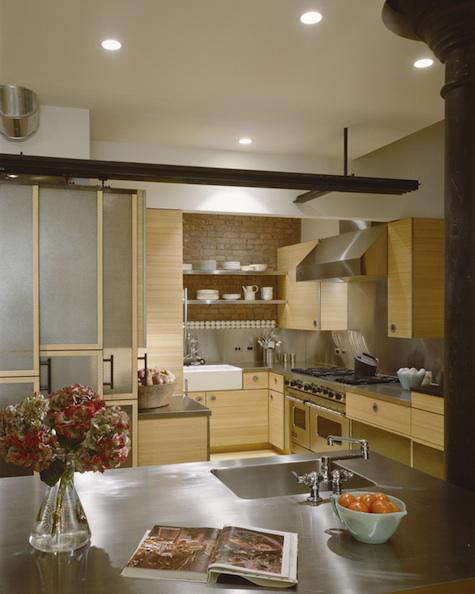
Some kitchens whisper. Others clear their throat, roll up their sleeves, and say, “Yes, I can host dinner for eight, rinse a roasting pan the size of a canoe, and still look like I belong in a Tribeca loft.” The Ike Kligerman Barkley kitchen falls into that second category. It is elegant without being precious, industrial without feeling cold, and practical without turning into a restaurant prep station with a mortgage.
This “Steal This Look” guide is inspired by the much-admired Ike Kligerman Barkley kitchen in a former butter warehouse in Tribeca, New York. The space is memorable because it does not rely on one expensive trick. Instead, it layers stainless steel, bamboo cabinetry, white enamel, exposed brick, commercial-style fixtures, and carefully chosen accessories into a kitchen that feels collected, edited, and quietly confident. It is the kind of room where a chef’s knife, a ceramic bowl, and a lab flask used as a vase can all attend the same party without anyone calling the design police.
Below, we break down the look, explain why it works, and show how to recreate the mood in a real homewhether you are planning a full renovation or simply trying to make your current kitchen look less like it was assembled during a clearance-event panic.
Why the Ike Kligerman Barkley Kitchen Still Looks Fresh
The secret of this kitchen is balance. Ike Kligerman Barkley became known for architecture that respected historical context while speaking in a modern language. That philosophy shows up beautifully here. The kitchen sits in a former industrial building, so exposed brick and metal are not decorative costumes; they belong. Instead of hiding the building’s past, the design lets it stay in the room and have coffee.
At the same time, the kitchen avoids the common industrial-design trap: too much steel, too much gray, too many hard surfaces, and suddenly the space feels like a stylish place to get a tetanus shot. The warmth of bamboo cabinet fronts softens the metal. White enamel adds a clean, classic note. Pottery and simple objects introduce a human touch. The result is a modern industrial kitchen with warmth, texture, and personality.
The Core Design Formula
To steal this look successfully, focus less on copying every product and more on understanding the formula. The Ike Kligerman Barkley kitchen works because it combines five key ideas:
- Industrial bones: exposed brick, metal surfaces, and utilitarian fixtures.
- Warm natural material: bamboo or light-toned wood cabinetry.
- Professional function: serious ventilation, durable counters, and hardworking sinks.
- Minimal ornament: flush pulls, simple hardware, and restrained detailing.
- Unexpected accessories: pottery, laboratory glass, and small handmade objects.
That mix is why the room feels designed rather than decorated. Nothing is screaming for attention. Even the big piecesthe range hood, stainless island, and exposed brickwork as part of a calm visual rhythm.
Start with Stainless Steel Countertops
The stainless steel island is the star of the room. It gives the kitchen its professional edge and immediately signals that this is a space meant for actual cooking, not just arranging lemons in a bowl and pretending everyone eats dinner at 6:15.
Stainless steel is a smart kitchen material because it resists heat, water, and stains. It can scratch, yes, but those scratches become part of the patina over time. Think of it as the kitchen equivalent of a leather jacket: better after a few stories. A brushed or matte finish is especially useful because it hides fingerprints and water marks better than a mirror-polished surface.
How to Get the Look
For a high-end version, use a custom stainless steel countertop with an integrated sink. A seamless counter-and-sink combination creates the sleek, hygienic look seen in the Ike Kligerman Barkley kitchen. If the budget is tighter, consider using stainless steel strategically. A stainless island, prep counter, or backsplash can deliver much of the visual impact without turning the entire kitchen into a submarine galley.
When planning stainless steel countertops, ask about gauge, finish, edge profile, and backsplash integration. A lower gauge number means thicker steel, which is usually more durable. For residential kitchens, 16- or 18-gauge stainless steel is often a practical sweet spot.
Add a Commercial-Style Faucet
The double-jointed faucet is one of the most charming details in the original kitchen. It looks a little scientific, a little restaurant-grade, and a little like it could rinse a watermelon from across the room. That is a compliment.
A commercial-style faucet gives the sink area movement and purpose. It also reinforces the industrial character of the kitchen without requiring exposed pipes everywhere. The key is to choose a faucet that feels mechanical and precise rather than overly curvy or decorative.
Practical Tip
Before choosing a double-jointed or articulating faucet, measure the sink and surrounding clearance carefully. A faucet with impressive reach is wonderful until it bumps into a shelf, window ledge, or your forehead. Also check local plumbing codes and flow-rate requirements, especially when using commercial-style fixtures in a residential setting.
Use a Serious Range Hood
In this kitchen, the range hood does not disappear. It is part of the architecture. A large stainless wall-mount hood gives the cooking zone authority and helps balance the visual weight of the island. It also performs the very unglamorous but essential job of removing steam, grease, odors, and the smoky evidence of “just searing it a little.”
For this look, choose a simple canopy-style hood in stainless steel. Avoid ornate trim, overly sculptural shapes, or anything that looks like it belongs in a Tuscan-themed steakhouse. The goal is clean, confident, and functional.
Design Detail That Matters
If cabinets sit near the hood, align their edges carefully. One reason the Ike Kligerman Barkley kitchen feels polished is that utilitarian components are fitted with architectural discipline. The hood, cabinets, backsplash, and range should look intentional, not like they were introduced to each other five minutes before installation.
Choose Bamboo or Light Wood Cabinetry
The bamboo cabinetry is what keeps the kitchen from feeling too cold. Bamboo brings a linear grain, warm tone, and modern simplicity. It also connects nicely with sustainable kitchen design because bamboo is a fast-growing material and can be a durable alternative to traditional hardwoods when manufactured properly.
Slab cabinet doors are the right choice here. Raised panels would push the kitchen into a more traditional direction, while glossy lacquer might make it feel too sleek. Flat-front bamboo cabinets sit comfortably between natural and modern. They provide texture without fuss.
How to Get the Look
Look for bamboo slab doors, light oak fronts, rift-cut white oak, or maple if bamboo is not available. The important thing is the tone and grain: warm, clean, and linear. Pair the doors with flush pulls or minimal hardware so the cabinetry reads as calm planes rather than a wall of knobs doing jazz hands.
Bring in White Enamel
White enamel is the kitchen’s classic counterpoint. In the original inspiration, a white enameled cast-iron sink adds a softer, more traditional note beside the stainless steel. That contrast matters. Too much stainless can feel clinical; white enamel brings a farmhouse-meets-laboratory charm that makes the room more approachable.
An enameled cast-iron sink also has visual weight. It feels permanent, sturdy, and familiar. In a kitchen full of metal and brick, that familiar white surface acts like a clean pause.
Best Uses for White Enamel
Consider a white apron-front sink, a secondary prep sink, enamel pendant shades, or even enamel cookware displayed on open shelving. Use it sparingly. The goal is contrast, not a snowstorm.
Let Exposed Brick Do the Storytelling
Exposed brick gives the kitchen history. It adds color, texture, and imperfectionthe good kind. In a former warehouse, brick is not just a backsplash; it is the room’s autobiography. If your home already has brick, celebrate it. If not, use restraint with brick veneers or panels. The best version looks architectural, not like wallpaper wearing a Halloween costume.
Brick pairs beautifully with stainless steel because the two materials are opposites. Steel is smooth, cool, and reflective. Brick is rough, warm, and matte. Together, they create tension and depth.
Maintenance Note
In a kitchen, brick should be sealed properly to resist grease and moisture. Raw brick may look romantic, but scrubbing tomato sauce out of porous masonry is nobody’s design fantasy.
Use Industrial Details, Not Industrial Overload
The Ike Kligerman Barkley kitchen is not filled with gimmicks. There are no fake factory signs, no gears glued to the wall, no pendant lights that look like they were stolen from a submarine. The industrial feeling comes from honest materials: steel, brick, commercial fixtures, and simple forms.
That is an important lesson. If you want a sophisticated industrial kitchen, choose real utility over theatrical props. A strong faucet, durable counter, visible brick, and restrained hardware will do more than a dozen decorative “warehouse-style” accessories.
Pay Attention to Outlet Covers and Hardware
Small details can make or break this look. In a kitchen with stainless steel surfaces, outlet covers should blend in or make a deliberate contrast. Brushed nickel, stainless, or black receptacles can look sharp when coordinated with the backsplash and appliances.
Cabinet hardware should be equally quiet. Flush pulls are especially effective because they maintain the clean slab look of bamboo or wood cabinet fronts. If you prefer pulls, choose slim bar pulls in stainless, nickel, or matte black.
The Rule
When the major materials are already strong, hardware should not shout. It should nod politely and do its job.
Add Pottery for Warmth and Color
One of the most enjoyable touches in the original design story is the use of pottery. A simple gray batter bowl or handmade ceramic piece can soften all the hard materials. This is where personality enters the kitchen. Stainless steel may be the backbone, but pottery is the smile.
Choose ceramics in muted colors: dove gray, cream, soft blue, black, terracotta, or deep green. Avoid cluttering every surface. One beautiful bowl on a stainless counter can be more powerful than twenty accessories lined up like they are waiting for a bus.
Try Laboratory Glass as a Vase
The lab flask vase idea is wonderfully on-theme. It references the precision of the faucet and stainless steel while bringing in flowers, branches, or herbs. It is witty without being loud. In a design world that sometimes takes itself very seriously, a lab flask with peonies is a tiny act of rebellion.
Use an Erlenmeyer flask, beaker, or clear glass cylinder for a similar effect. Keep the arrangement loose and simple. A few stems are enough. This kitchen is not asking for a floral arrangement the size of a bridesmaid’s emotional support bouquet.
Open Shelving and Easy Access
The spirit of this kitchen is practical. Items should be within reach. Open shelving, hanging rails, or shallow shelves near the work zone can help create that functional, chef-like feeling. The trick is discipline. Open storage works best when the objects are used often and look good together.
Stack white plates, glass jars, stainless bowls, or ceramics in a controlled palette. If your open shelves become a museum of mismatched mugs, expired tea, and one mysterious cable, the look will drift quickly from “architect-designed loft” to “shared apartment archaeology.”
Color Palette: Keep It Tight
The palette should come from the materials. Think stainless steel silver, brick red, bamboo honey, enamel white, black accents, and a little ceramic gray. This restrained palette makes the kitchen feel calm even though it contains many textures.
If you want to add color, do it through accessories: a pottery bowl, a linen towel, a small rug, or fresh herbs. Do not fight the architecture. Let the brick and bamboo carry the warmth.
Lighting the Look
Lighting should feel functional and unfussy. Industrial pendants, simple ceiling fixtures, under-shelf lighting, or discreet recessed lights can all work. The goal is to illuminate the work surfaces while preserving the room’s material drama.
Warm light is important. Stainless steel and white enamel can feel harsh under cold lighting. Use bulbs in a warm or neutral range so the bamboo and brick glow rather than glare.
Budget-Friendly Ways to Steal the Look
You do not need a Tribeca loft or a former butter warehouse to borrow the best ideas. Start with one or two high-impact changes.
1. Add a Stainless Backsplash
A stainless backsplash behind the range gives an instant professional look and is easier to achieve than a full stainless countertop.
2. Swap the Faucet
A commercial-style faucet can transform the sink area. Choose one with a clean profile and a practical reach.
3. Replace Cabinet Hardware
Flush pulls or slim metal pulls can modernize existing cabinets without a full remodel.
4. Introduce Bamboo Accessories
If bamboo cabinetry is not in the plan, use bamboo cutting boards, trays, stools, or open shelving to bring in warmth.
5. Edit the Countertops
This look depends on clarity. Remove visual noise. Keep only useful, handsome objects on display.
Common Mistakes to Avoid
The first mistake is going too cold. Stainless steel needs warmth nearby. Add wood, bamboo, brick, pottery, or linen to keep the kitchen livable.
The second mistake is using too many “industrial” decorations. Industrial style works best when it feels authentic. Real materials beat fake nostalgia every time.
The third mistake is ignoring maintenance. Stainless steel scratches, brick needs sealing, and open shelving needs editing. These are not reasons to avoid the look; they are reasons to plan like an adult, which is annoying but useful.
Experience Notes: Living With This Kind of Kitchen
A kitchen inspired by Ike Kligerman Barkley is not just about appearance. It changes how the room behaves. Stainless steel invites action. You stop treating the counter like a fragile museum display and start using it with confidence. Hot pan? Fine. Wet colander? Fine. Flour everywhere because someone said “fresh pasta night” with too much optimism? Also fine.
The best experience comes from the way the materials age. Stainless steel develops fine marks. Brick has natural irregularities. Bamboo gains warmth with daily use. This is not a kitchen that depends on perfection. In fact, perfection would make it less interesting. A tiny scratch on the island is not a tragedy; it is proof that dinner happened.
Cooking in this style of kitchen also feels more efficient. The commercial-style faucet makes cleanup easier. The large hood encourages serious cooking. Open shelves or visible storage reduce the endless cabinet search for the one bowl that has apparently entered witness protection. Everything about the design supports movement.
There is also a social benefit. Industrial kitchens often become gathering spaces because they feel relaxed. Guests are less afraid to lean on a stainless counter than on a delicate marble slab. Brick makes the room feel grounded. Bamboo keeps it friendly. White enamel adds a clean, familiar note. Together, these materials say, “Come in, help chop, pour yourself something, and please do not put the wooden spoon in the dishwasher.”
From a homeowner’s perspective, the most important lesson is restraint. The Ike Kligerman Barkley look is not about buying every industrial accessory on the internet. It is about choosing a few honest materials and letting them do their job. A stainless counter, a warm cabinet front, a strong faucet, and one beautiful ceramic bowl can say more than a cart full of trendy objects.
If you are renovating, spend money on the surfaces and fixtures you touch every day. Counters, sinks, faucets, ventilation, and cabinet fronts shape the experience more than decorative extras. If you are refreshing, focus on editing, hardware, lighting, and accessories. Even a modest kitchen can borrow the mood: practical, textural, warm, and quietly architectural.
The most enjoyable part of this look is that it welcomes contrast. A lab flask can hold flowers. A professional faucet can sit beside handmade pottery. A former warehouse wall can frame a refined modern kitchen. Nothing needs to match perfectly; it needs to converse. And when the conversation is this good, the kitchen becomes more than a place to cook. It becomes the room everyone remembers.
Conclusion
The Ike Kligerman Barkley kitchen remains compelling because it understands something many kitchens forget: beauty and usefulness are not enemies. Stainless steel brings durability. Bamboo brings warmth. White enamel brings tradition. Brick brings history. Commercial fixtures bring purpose. The accessories bring wit.
To steal this look, do not simply copy a shopping list. Copy the thinking. Let materials be honest. Keep the palette tight. Choose hardworking fixtures. Add warmth where the room feels cold. Edit until every object earns its place. The result can be a kitchen that feels architectural, practical, and personalthe design equivalent of a perfectly sharpened knife with excellent manners.
Note: Product names and design references are included for inspiration. Availability, pricing, dimensions, finishes, and installation requirements should be verified before purchase or renovation.