Some tools are exciting the moment you buy them. A new chainsaw? Very dramatic. A shiny lawn mower? Neighborhood theater. A pump sprayer? Not exactly the James Bond gadget of the garden sheduntil you use a good one. Then suddenly, fertilizing flower beds, spot-treating weeds, misting shrubs, washing siding, and sealing concrete become less of a chore and more of a strangely satisfying weekend ritual.
The best pump sprayers are simple, durable, easy to carry, and consistent enough that you do not end up with one over-soaked rose bush and one dandelion laughing at you from the driveway crack. Based on Bob Vila’s hands-on testing and supported by broader garden-sprayer research, the standout models share a few important traits: leak-resistant seals, comfortable handles, practical tank sizes, adjustable or interchangeable nozzles, and pressure systems that do not make your forearm feel like it just joined a CrossFit cult.
This guide breaks down the best pump sprayers tested by Bob Vila, explains which one fits which job, and adds real-world buying advice for homeowners who want clean results without turning lawn care into a chemistry experiment with shoes.
What Is a Pump Sprayer?
A pump sprayer is a portable tank-and-wand tool used to apply liquid products such as herbicides, pesticides, fungicides, fertilizers, cleaners, water, and concrete sealers. Most manual pump sprayers work by pressurizing air inside the tank with a hand pump. Once pressurized, the liquid travels through a hose and wand, then exits through a nozzle as a mist, cone, stream, fan, or foam pattern.
In plain English: you pump, you aim, you spray. If only assembling patio furniture were this honest.
Pump sprayers come in several common styles, including handheld sprayers for small jobs, shoulder-strap tank sprayers for medium yard work, backpack sprayers for larger areas, wheeled sprayers for broad coverage, and battery-powered sprayers for anyone who wants consistent pressure without repeated pumping. The right choice depends on the size of your yard, the product you plan to apply, your tolerance for carrying weight, and whether your wrists are still speaking to you after last weekend’s mulch project.
Quick Verdict: Best Pump Sprayers Tested by Bob Vila
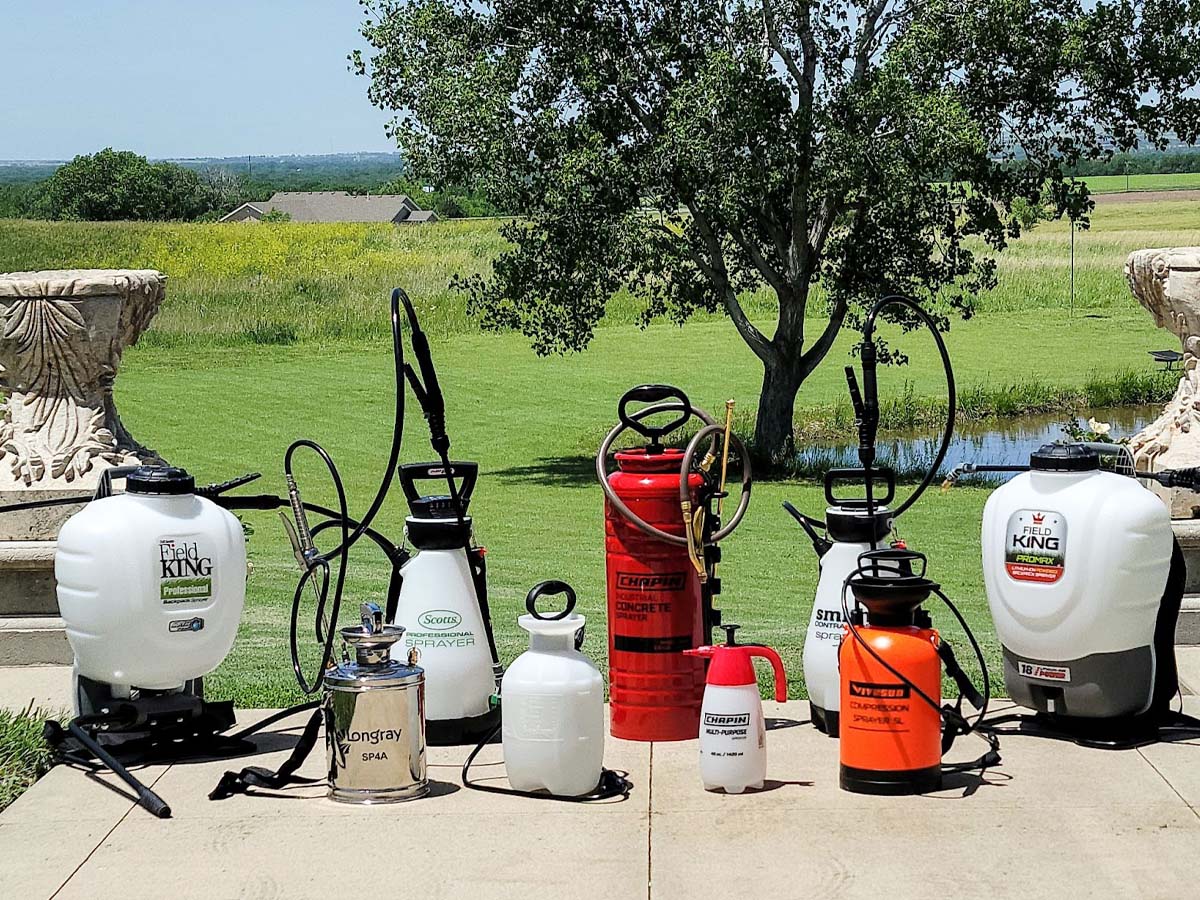
Bob Vila’s testing highlighted several strong performers, each suited to a different kind of homeowner or project. Here is the practical version before we dig into the details:
| Category | Recommended Pump Sprayer | Best For |
|---|---|---|
| Best Overall | Smith 2-Gallon Contractor Sprayer | All-around lawn, garden, and home use |
| Best Budget Pick | Chapin 20000 1-Gallon Lawn and Garden Sprayer | Small gardens, spot treatments, occasional use |
| Best Backpack | D.B. Smith Field King 190328 Backpack Sprayer | Large yards, lawns, trees, and extended spraying |
| Best Battery Backpack | D.B. Smith Field King 190515 Battery-Powered Sprayer | High-volume work with less manual effort |
| Best Battery Handheld | Scotts Professional Battery-Powered Sprayer | Medium jobs with consistent pressure |
| Best for Concrete | Chapin 1949 Industrial Concrete Tank Sprayer | Concrete curing, sealing, decks, and siding |
| Also Consider | Vivosun 1.35-Gallon Pump Pressure Sprayer | Compact yard work and household spraying |
Best Overall: Smith 2-Gallon Contractor Sprayer
The Smith 2-Gallon Contractor Sprayer earns the top overall spot because it hits the sweet spot most homeowners actually need: enough capacity for serious yard work, but not so much weight that carrying it feels like punishment for skipping leg day.
Its 2-gallon tank is large enough for spraying flower beds, shrubs, lawn patches, weeds along fences, and small trees. The sprayer includes multiple nozzles, including adjustable, fan, and foaming options, which makes it more versatile than basic single-nozzle models. That matters because different jobs need different spray patterns. A wide fan is ideal for even coverage across larger surfaces, while a narrow stream is better for targeting weeds in sidewalk cracks. A foaming nozzle is helpful when you want visible coverage on cleaning tasks.
Another important advantage is the pressure-release valve. Anyone who has ever unscrewed a pressurized sprayer too quickly knows the tiny moment of terror involved. A release valve helps reduce that drama by letting pressure escape before the tank is opened. The Smith sprayer also uses sturdy seals and a practical wand length, making it a dependable choice for general lawn and garden maintenance.
Who should buy it?
Choose the Smith 2-Gallon Contractor Sprayer if you want one pump sprayer that can handle weeds, fertilizer, pest control, cleaning tasks, and occasional weekend projects. It is the “keep this in the garage and use it for nearly everything” pick.
Best Budget Pick: Chapin 20000 1-Gallon Lawn and Garden Sprayer
The Chapin 20000 is the kind of tool that proves “affordable” does not have to mean “sad plastic disappointment.” This 1-gallon manual pump sprayer is compact, lightweight, and simple enough for beginners. It is best for spot-treating weeds, feeding container plants, applying pest-control products around small beds, or handling light household spraying chores.
Its adjustable nozzle can shift from a tighter stream to a broader spray, giving it more flexibility than its low price suggests. The smaller tank also makes it easier to carry, fill, rinse, and store. Of course, the tradeoff is capacity. A 1-gallon sprayer is not the tool you want for a large lawn unless you enjoy refilling tanks as a lifestyle choice.
The Chapin 20000 works especially well for homeowners with patios, raised beds, small gardens, townhouse yards, or a few persistent weeds staging a tiny rebellion near the mailbox.
Who should buy it?
Buy this sprayer if you need an inexpensive, reliable, easy-to-use pump sprayer for small jobs. It is not fancy, but neither is pulling weeds by hand, and this is far more enjoyable.
Best Backpack Sprayer: D.B. Smith Field King 190328
For large yards and extended spraying sessions, the D.B. Smith Field King 190328 Backpack Sprayer is a serious step up. With a 4-gallon capacity, it holds enough liquid for broad applications without constant refilling. The backpack design also distributes weight across the shoulders and back, which is much easier than carrying a heavy tank by one handle.
This model is especially useful for fertilizing larger lawns, treating long fence lines, spraying orchard trees, managing gravel driveway weeds, or applying lawn-safe weed control over broad areas. It includes several nozzle options, giving users more control over coverage and spray type. The internal pump design also helps reduce leak risk, an important detail when you are wearing the tank on your back. Chemical drips down the spine are not on anyone’s garden bingo card.
The downside is obvious: when full, a 4-gallon sprayer is heavy. Liquid weighs a little over 8 pounds per gallon, so the filled tank can become a real load. For stronger users or larger properties, the capacity is a benefit. For smaller users or short tasks, it may be overkill.
Who should buy it?
Choose this model if you manage a large yard, acreage, a long driveway, rows of shrubs, or frequent spraying tasks. It is a strong choice for homeowners who want higher capacity and hands-free carrying.
Best Battery Backpack Sprayer: D.B. Smith Field King 190515
The D.B. Smith Field King 190515 Battery-Powered Sprayer is built for people who want backpack capacity without the repeated pumping. Its battery-powered system maintains pressure automatically, which helps deliver a more consistent spray pattern over time.
This is a major advantage for long jobs. Manual sprayers can lose pressure as you work, causing the spray pattern to weaken unless you pause and pump again. Battery sprayers reduce that interruption, making them helpful for large lawns, trees, fence lines, and larger pest-control or fertilizing jobs.
The model includes multiple nozzles, including fan and foaming options, and the battery design can save considerable physical effort. However, it costs more than manual models and requires charging. It is also still a 4-gallon backpack sprayer, so the weight issue does not magically disappear. The battery removes the pumping, not gravity. Gravity remains undefeated.
Who should buy it?
Pick this sprayer if you spray frequently, cover larger areas, or want consistent pressure with less arm fatigue. It makes the most sense for serious gardeners, property owners, and lawn-care enthusiasts.
Best Battery Handheld Sprayer: Scotts Professional Battery-Powered Sprayer
The Scotts Professional Battery-Powered Sprayer offers a convenient middle ground: easier than a manual tank sprayer but smaller and less involved than a backpack model. Its 2-gallon capacity suits medium-size jobs, and the battery-powered pump eliminates the need to stop and manually pressurize the tank.
The adjustable nozzle can shift among common spray patterns, making it useful for spot treatments, weed control, garden applications, and pest-control tasks around the home. A pressure-release valve adds another layer of convenience and safety, especially when working with lawn chemicals.
The biggest drawback is carrying comfort. When full, a 2-gallon sprayer can weigh around 18 pounds before accounting for the tank itself. Without a shoulder strap, longer jobs may become tiring. Still, for homeowners who want battery-powered simplicity in a manageable size, this Scotts sprayer is a strong option.
Who should buy it?
Buy this model if you want a convenient sprayer for medium-size yard work and prefer not to pump manually. It is especially appealing for users who value steady pressure and quick operation.
Best for Concrete: Chapin 1949 Industrial Concrete Tank Sprayer
The Chapin 1949 Industrial Concrete Tank Sprayer is not your everyday flower-bed sprayer. It is built for heavier-duty jobs such as misting curing concrete, applying concrete sealers, treating decks, cleaning siding, or handling harsher outdoor materials that require a more rugged tank.
Its steel body and lined interior make it more durable than many plastic sprayers. The wide-fan nozzle is particularly useful for even application across flat surfaces. For concrete work, uniform coverage matters. Uneven misting or sealer application can lead to blotchy results, and nobody wants a patio that looks like it was finished during a mild earthquake.
This sprayer is heavier and bulkier than standard garden sprayers, so it is not the best choice for casual fertilizing or quick weed work. But for construction, sealing, and outdoor surface projects, it brings the durability and spray pattern needed for the job.
Who should buy it?
Choose the Chapin 1949 if your projects involve concrete, sealers, decks, siding cleaners, or other heavy-duty applications. Gardeners can skip it; DIY remodelers should give it a close look.
Also Consider: Vivosun 1.35-Gallon Pump Pressure Sprayer
The Vivosun 1.35-Gallon Pump Pressure Sprayer is a compact, practical option for homeowners who want slightly more capacity than a 1-gallon model without moving up to a larger 2-gallon tank. It is easy to maneuver, includes a shoulder strap, and has a stable base that helps prevent tipping.
The adjustable nozzle works for basic misting and stream applications, and the wide funnel-style opening helps reduce spills during filling. That feature sounds minor until you are pouring concentrated lawn product and trying not to baptize your shoes.
Its limitation is nozzle variety. With only one adjustable nozzle, it is less versatile than models with fan, brass, and foaming attachments. Still, for routine garden and home use, it is a good compact sprayer that balances portability and capacity.
Who should buy it?
Buy the Vivosun if you want a handy sprayer for small to medium jobs and appreciate easy filling, a shoulder strap, and stable storage.
How to Choose the Best Pump Sprayer
1. Match Tank Size to the Job
Tank size is one of the biggest buying decisions. Small 1-gallon sprayers are easy to carry and perfect for spot treatments. Two-gallon sprayers are the sweet spot for many homeowners. Four-gallon backpack sprayers are best for large yards and extended applications. Bigger is not always better because every gallon of liquid adds more than 8 pounds. A huge tank may reduce refills, but your shoulders may file a formal complaint.
2. Choose the Right Nozzle Options
Nozzles control how the liquid comes out. A fan nozzle is useful for broad, even coverage. A cone spray can work well around shrubs and plants. A stream is best for targeting weeds in cracks or reaching farther distances. A foaming nozzle helps show where a cleaning solution has been applied. Models with multiple nozzles offer more flexibility, especially if you use one sprayer for several tasks.
3. Consider Manual vs. Battery Power
Manual sprayers are affordable, simple, and easy to maintain. Battery-powered sprayers cost more but reduce pumping and help maintain consistent pressure. If you spray once a month, manual is probably fine. If you spray every weekend or manage a large property, battery power can feel like a small miracle with a charger.
4. Look for Durable Seals and Chemical Resistance
Good seals prevent leaks and extend sprayer life. Viton seals are often valued for chemical resistance, especially in sprayers used with herbicides, pesticides, or cleaning solutions. Brass or stainless steel nozzles generally last longer than basic plastic nozzles, although plastic can be perfectly adequate for occasional light use.
5. Do Not Ignore Comfort
Comfort features matter more than shoppers expect. Look for padded straps on backpack sprayers, lockable triggers for long applications, shoulder straps for 2-gallon tanks, stable bases, large pump handles, and easy-fill openings. A sprayer that works well but annoys you every five minutes will eventually become garage clutter with a wand.
Safety Tips for Using Pump Sprayers
Most pump sprayers are simple tools, but they are often used with products that require care. Always read and follow the label directions for any pesticide, herbicide, fungicide, fertilizer, cleaner, or sealer. The label tells you where the product can be used, how much to apply, what protective gear to wear, and how long children and pets should stay away from treated areas.
Wear gloves and eye protection when handling lawn and garden chemicals. Avoid spraying on windy days because drift can move product onto desirable plants, outdoor furniture, pets, or your neighbor’s prize tomatoes. Spray with the wind at your back, not into your face. This advice sounds obvious, yet the wind has humbled many confident gardeners.
It is also smart to keep separate sprayers for different uses. For example, do not use the same tank for herbicide one week and vegetable-garden fertilizer the next unless you are extremely confident it has been cleaned thoroughly. Herbicide residue can damage plants even in small amounts. Labeling sprayers for “weed killer,” “fertilizer,” or “cleaner” prevents expensive mistakes.
How to Clean and Maintain a Pump Sprayer
Cleaning is the difference between a pump sprayer that lasts for years and one that clogs, leaks, and sulks in the corner. After each use, empty the tank according to the product label, rinse the tank with clean water, refill with clean water, and spray through the wand and nozzle to flush the hose and internal parts.
Remove and rinse the nozzle if the spray pattern becomes uneven. Sediment, dried product, or tiny debris can clog the opening. Never use your mouth to clear a nozzle. That sentence should not need to exist, but humanity has earned it.
Before storage, release pressure from the tank. Storing a sprayer under pressure stresses seals and can lead to leaks. Let the tank dry with the cap loose, then store it away from extreme heat, freezing temperatures, children, and pets.
Experience-Based Advice: What Using Pump Sprayers Teaches You
After using pump sprayers around lawns, flower beds, driveways, fences, patios, and outdoor cleaning projects, one lesson becomes clear: the best sprayer is not always the biggest or most expensive one. It is the one that matches the job so well that you actually use it.
For small yards, a simple 1-gallon sprayer can be a joy. It fills quickly, carries easily, and rinses without turning cleanup into a second chore. It is ideal for a few weeds near the walkway, aphids on a rose bush, or liquid fertilizer for container plants. You can keep it on a shelf, grab it in two minutes, and finish the job before the mosquitoes organize a committee.
For medium yards, a 2-gallon sprayer often feels like the perfect compromise. It has enough capacity to treat a meaningful area but remains portable. This size is excellent for homeowners who rotate between weed control, pest management, foliar feeding, and outdoor cleaning. A shoulder strap becomes very important here. Two gallons may not sound heavy, but after fifteen minutes of carrying it by hand, you start negotiating with yourself about which weeds “deserve a second chance.”
Backpack sprayers shine when the property gets larger. If you have a long gravel driveway, a large fence line, fruit trees, big beds, or a lawn that needs broad treatment, the extra capacity saves time. The key is filling it in a smart location. Set the backpack sprayer on a tailgate, bench, or sturdy raised surface before putting it on. Lifting a full 4-gallon tank from the ground is awkward, heavy, and a great way to invent new sound effects.
Battery-powered sprayers are the luxury upgrade that makes the most sense for frequent users. The first time you spray continuously without stopping to pump, you understand the appeal. Consistent pressure improves coverage and makes the work feel smoother. The downside is that batteries need charging, and replacement parts may matter down the road. For occasional users, manual is simpler. For regular users, battery power can be worth every penny.
Nozzle selection also changes the entire experience. A narrow stream is perfect for weeds in cracks, but it is too aggressive for delicate plants. A wide fan covers evenly but can drift if the wind picks up. A mist works well for foliage, but only when the label allows foliar application. A foaming nozzle is surprisingly useful for cleaners because you can see where the product lands. Once you start matching the nozzle to the task, spraying becomes neater, faster, and less wasteful.
The most underrated habit is calibration. You do not need to become a laboratory technician in cargo shorts, but you should know how much liquid your sprayer applies over a set area. Practice with plain water on a driveway or patch of lawn. Walk at a steady pace. Keep the wand height consistent. Notice how pressure changes the spray pattern. This small practice session can prevent overapplication, underapplication, and the classic “why is one side of the lawn suspiciously shiny?” problem.
Finally, never skip cleanup. A sprayer left with old product inside becomes a clog factory. Rinse the tank, flush the hose, clean the nozzle, release the pressure, and store it dry. Future you will be grateful, and future you is the one holding the wand when the nozzle decides whether to cooperate.
Final Thoughts
The best pump sprayer is the one that makes your yard work more accurate, safer, and less annoying. Based on Bob Vila’s tested lineup, the Smith 2-Gallon Contractor Sprayer is the strongest all-around choice for most homeowners. The Chapin 20000 is a dependable budget option for small jobs, while the D.B. Smith Field King backpack models are better suited to larger properties and frequent spraying. The Scotts battery-powered sprayer brings convenience to medium-size tasks, and the Chapin 1949 is the rugged specialist for concrete and outdoor surface projects.
Before buying, think carefully about capacity, comfort, nozzle variety, pressure control, and maintenance. A good pump sprayer does not just spray liquid; it saves time, reduces waste, improves coverage, and helps you apply products where they actually belong. In the garden-tool universe, that may not be glamorousbut neither are weeds, and they seem to be doing just fine.