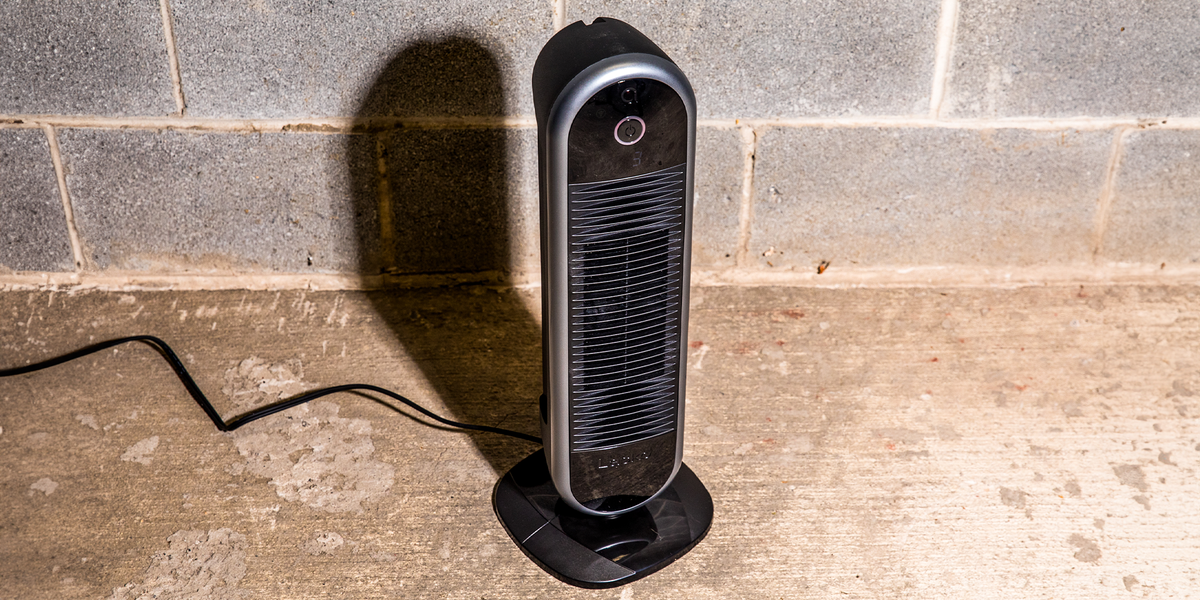
Space heaters are the tiny dragons of winter comfort. They sit quietly in the corner, breathe warm air, and make a freezing room feel like a civilized place again. But like any dragon, they need rules. The biggest rule is simple: never plug a space heater into a power strip. Not “just for tonight.” Not “because the outlet is behind the couch.” Not “because this power strip looks beefy and has a red switch that feels important.”
Space heater power strip safety is not just a fussy warning printed in tiny letters on a tag nobody reads. Portable electric heaters draw a lot of current, often around 1,500 watts on high. That is close to the maximum continuous load many household circuits and power strips can safely tolerate. When a high-wattage heater is connected through a power strip, surge protector, or extension cord, the strip can overheat, the plug can loosen, insulation can melt, and the situation can move from “cozy evening” to “why does the room smell like toasted plastic?” very quickly.
This guide explains why space heaters and power strips are a bad match, how to use a space heater safely, what warning signs to watch for, and what to do when the outlet is inconveniently located in the most useless place possible. Because yes, home builders do seem to enjoy hiding outlets behind furniture like electrical Easter eggs.
Why You Should Never Plug a Space Heater Into a Power Strip
A power strip does not create more power. It only divides one outlet into several plug-in spots. Think of it like slicing one pizza into eight pieces. You have more slices, but you do not magically have more pizza. A power strip gives you more receptacles, not more electrical capacity.
Most power strips are designed for low-power electronics: lamps, phone chargers, routers, monitors, speakers, or a laptop setup. A space heater is different. It is a heat-producing appliance, and heat-producing appliances are power-hungry. A typical portable heater on its highest setting may use about 1,500 watts. On a standard 120-volt household circuit, that can mean about 12.5 amps of current. Add anything else to the same strip, and the load can climb into unsafe territory fast.
The Problem Is Heat, Resistance, and Time
Electrical current passing through wires creates heat. Good wiring, tight connections, and correctly rated outlets can handle that heat safely. But a power strip adds extra connection points, thinner internal components, and sometimes cheaper materials. If the strip is old, damaged, dusty, overloaded, or tucked under a rug, the risk gets worse.
The scary part is that overheating is not always dramatic at first. It may begin as a warm plug, a faint burning smell, a flickering light, or a strip that feels hotter than it should. The power strip may continue working while it is slowly being stressed. That is why “it worked last night” is not proof that it is safe tonight. Electrical problems are famously bad at giving polite calendar invites before they become emergencies.
Power Strip vs. Surge Protector: Neither Is Safe for Space Heaters
Many people assume a surge protector is safer than a basic power strip. Surge protectors are useful for electronics because they help protect devices from voltage spikes. But a surge protector is not a heavy-duty heater outlet. It does not change the fact that a space heater draws a large, steady amount of power.
A surge protector protects against surges; it does not make a high-wattage appliance low-wattage. A power strip with a breaker is also not a green light. That breaker may help in some overload situations, but it is not a license to run a portable heater through a strip for hours. A heater should be plugged directly into a properly functioning wall outlet. The outlet should hold the plug firmly, show no burn marks, and stay cool during use.
The Safest Way to Plug In a Space Heater
The best space heater setup is boring, and boring is beautiful when fire safety is involved.
Use a Wall Outlet Only
Plug the heater directly into a wall outlet. Do not use a power strip, surge protector, extension cord, cube tap, multi-plug adapter, or anything that looks like it came from the “more outlets, more fun” aisle. The heater’s plug should go straight into the receptacle.
Give the Heater Its Own Outlet
Avoid plugging other electrical devices into the same outlet as the space heater. If the heater is already drawing a heavy load, adding a lamp, charger, humidifier, or television can increase strain on the circuit. This is especially important in older homes, apartments, dorm rooms, garages, and rooms with limited outlets.
Check the Outlet Before Use
Before plugging in the heater, look at the wall outlet. If it is cracked, discolored, loose, buzzing, sparking, or warm to the touch, do not use it. A plug that slides in too easily or falls out is also a warning sign. Loose connections create resistance, and resistance creates heat. Heat is what we are trying to buy from the heater, not accidentally generate inside the wall.
How Far Should a Space Heater Be From Furniture?
Follow the three-foot rule: keep the heater at least three feet away from anything that can burn. That includes curtains, bedding, clothing, rugs, paper, upholstered furniture, cardboard boxes, holiday decorations, pet beds, and that mysterious pile of “I’ll fold it later” laundry.
Three feet may feel excessive in a small room, but it gives the heater room to operate without roasting nearby objects. Curtains are especially risky because they can move with air currents. A blanket tossed casually over a chair can also shift closer than expected. Space heaters do not need much help finding trouble, so do not set the stage for a dramatic performance.
Where to Place a Space Heater Safely
Place the heater on a solid, flat, nonflammable surface. The floor is usually best. Do not put it on furniture, counters, beds, shelves, or stools. A heater perched on a chair is not clever; it is a tiny lawsuit with a cord.
Keep the heater out of walkways and doorways where someone might kick it, trip over it, or yank the cord. Never run the cord under rugs or carpets. Covering a cord traps heat and hides damage. If you need to rearrange furniture to make the heater reach a wall outlet, rearrange the furniture. Your couch can survive being moved six inches. Your power strip may not survive becoming a space heater’s electrical middleman.
What Features to Look for in a Safer Space Heater
Modern space heaters can include useful safety features, but features are backup protection, not permission to ignore basic rules. When shopping for a heater, look for:
- A recognized testing laboratory mark, such as UL, ETL, or CSA.
- Tip-over shutoff, which turns the heater off if it falls.
- Overheat protection, which shuts the unit down if internal temperatures become unsafe.
- A thermostat, so the heater does not run at full blast forever.
- A timer, which can reduce the chance of accidentally leaving it on.
- A sturdy base, because wobbly heaters are bad roommates.
Even with these features, you should still turn the heater off when leaving the room or going to sleep. Safety features reduce risk; they do not eliminate it. A smoke alarm is also essential, but nobody says, “Great, I have smoke alarms, so I’ll deep-fry a turkey in the hallway.”
Warning Signs of an Unsafe Space Heater Setup
Stop using the heater immediately if you notice any of these signs:
- The plug, cord, outlet, or wall plate feels hot.
- You smell burning, melting plastic, or a sharp electrical odor.
- The outlet is discolored, cracked, or buzzing.
- The breaker trips repeatedly.
- Lights flicker when the heater turns on.
- The heater cord is frayed, pinched, cracked, or damaged.
- The plug fits loosely in the outlet.
A tripped breaker is not an enemy. It is a warning system doing its job. Do not keep resetting a breaker so the heater can continue running. That is like ignoring a car’s check-engine light by putting a sticker over it and declaring victory.
Can You Use an Extension Cord With a Space Heater?
The safest answer is no. Space heaters should be plugged directly into a wall outlet. Many manufacturers and safety organizations warn against using extension cords because the cord may not be rated for the heater’s load, may overheat, or may be damaged by foot traffic, rugs, furniture, pets, or general household chaos.
If an outlet is too far away, do not solve the problem with a random extension cord. Move the heater, move the furniture, choose a heater with a safer placement option, or have a qualified electrician install an outlet where you actually need one. Yes, hiring an electrician costs more than buying a $12 cord. It also costs less than repairing fire damage, replacing belongings, or explaining to your insurance company why your living room smells like a campfire.
What About “Heavy-Duty” Power Strips?
“Heavy-duty” is a marketing phrase that can mean many things. Some power strips are better built than others, but that does not make them appropriate for space heaters. A strip may list a rating like 15 amps or 1,875 watts, but real-world safety depends on cord condition, connection quality, continuous load, ventilation, age, manufacturing quality, and whether anything else is plugged in.
Also, a space heater often runs for long periods. A device that draws high current continuously puts more stress on connections than a device that uses power briefly. This is why high-wattage appliances such as space heaters, microwaves, toaster ovens, air conditioners, and refrigerators belong in wall outlets, not on power strips.
Space Heater Safety for Apartments, Dorms, and Older Homes
People often use portable heaters in places where outlets are scarce. Unfortunately, those are also the places where power strips multiply like rabbits. Apartments, dorm rooms, basements, garages, and older homes may have fewer outlets, older wiring, or circuits shared across multiple rooms.
If you live in a rental, check your lease or building rules before using a space heater. Some dorms and workplaces ban them or require specific safety features. If your home has old two-prong outlets, frequent breaker trips, flickering lights, or warm wall plates, ask a landlord, maintenance team, or electrician to inspect the electrical system. Do not use adapters to force a heater into an outlet setup that was not designed for it.
Safe Space Heater Habits That Actually Work
Safe heating is mostly about routine. The more automatic your routine becomes, the less likely you are to forget something important.
Before Turning It On
Inspect the cord and plug. Clear three feet around the heater. Make sure it is sitting flat on the floor. Confirm it is plugged directly into a wall outlet. Keep children and pets away from it. If the heater has a filter or intake vent, make sure it is clean and not blocked.
While It Is Running
Stay in the room. Do not cover the heater. Do not dry socks, gloves, towels, or pet blankets on it. A space heater is not a laundry appliance, even if your wet socks are lobbying hard for the promotion.
When You Leave
Turn it off and unplug it. This includes leaving the room, leaving the house, or going to bed. If you are sleepy enough to wonder, “Did I turn off the heater?” you are sleepy enough to make checking it part of your nightly routine.
Common Space Heater Power Strip Mistakes
Mistake 1: Plugging the Heater Into a Surge Protector
Surge protection is not heater protection. Use surge protectors for electronics, not high-wattage heat-producing appliances.
Mistake 2: Daisy-Chaining Power Strips
Daisy-chaining means plugging one power strip into another. It is unsafe because it increases overload risk and adds more connection points that can fail. If one strip is not enough, the solution is not another strip. The solution is fewer plugged-in devices or more properly installed outlets.
Mistake 3: Running the Cord Under a Rug
A cord under a rug can overheat and become damaged without anyone noticing. It also creates a hidden trip hazard. Cords should remain visible and unobstructed.
Mistake 4: Using an Old Heater With Unknown History
That vintage heater from the garage may have character, but character does not keep a heating element safe. If a heater has a damaged cord, missing guard, rattling parts, scorch marks, or no safety certification, retire it.
Better Alternatives When You Need More Warmth
If the room is cold and the nearest wall outlet is inconvenient, try safer solutions before reaching for a power strip.
- Move the heater closer to a wall outlet while maintaining three feet of clearance.
- Use a heater with oscillation to distribute heat more evenly.
- Seal drafts around windows and doors.
- Use thermal curtains safely away from heaters.
- Wear warm layers, socks, and slippers indoors.
- Use your central heating system to bring the whole home to a safer baseline temperature.
- Ask a licensed electrician about adding an outlet on a suitable circuit.
Sometimes the safest space heater tip is not about the heater at all. Draft sealing, insulation, and proper furnace maintenance can reduce the need to run portable heat constantly. A heater should be a supplemental tool, not the entire winter survival strategy for a room with windows that whistle every time the wind gets dramatic.
Quick Space Heater Safety Checklist
- Plug the heater directly into a wall outlet.
- Never use a power strip, surge protector, or extension cord.
- Keep at least three feet away from anything flammable.
- Place it on a flat, stable, nonflammable surface.
- Keep it out of walkways and doorways.
- Do not run the cord under rugs or furniture.
- Use a heater with tip-over and overheat shutoff.
- Turn it off before leaving the room or sleeping.
- Stop using it if the outlet, plug, or cord becomes warm.
- Install and test smoke alarms in your home.
Real-Life Experience: What Space Heater Safety Looks Like at Home
In real homes, space heater safety is rarely a perfect textbook scene. The outlet is behind the sofa. The room is coldest in the corner farthest from the outlet. The cat believes the heater is a personal sun throne. Someone says, “It’ll be fine,” which is the unofficial opening line of many preventable problems.
A practical way to handle space heater safety is to treat the heater like a small appliance with a strict operating zone. Before winter, choose the exact outlet and location where the heater can be used safely. Move furniture once instead of improvising every cold night. Make sure the heater can sit flat on the floor with open space around it. If the cord does not reach the wall outlet without stretching, that location is not the right location.
One useful habit is the “hand check.” After the heater has been running for 10 to 15 minutes, carefully feel near the plug and wall plate with the back of your hand. They should not be hot. Warmth can indicate a loose connection, overload, or failing outlet. If anything feels hot, turn the heater off, unplug it, and stop using that outlet until it is checked. This tiny inspection takes seconds and can catch trouble early.
Another real-world lesson: do not let comfort override placement. People often want the heater aimed directly at their feet under a desk. That can work only if the heater has enough clearance, is not touching papers or bags, and is not plugged into a power strip under the desk. Office-style power strips are everywhere, but they are usually feeding computers, monitors, chargers, and lamps. Adding a heater to that mix is like inviting a bowling ball to a tea party.
Pet owners need an extra layer of planning. Dogs can bump heaters. Cats can sit too close. Rabbits, puppies, and kittens may chew cords. If pets are part of the household, choose a heater with tip-over protection and place it where animals cannot knock it over or sleep against it. The heater should never become a pet bed, no matter how persuasive the pet looks while pretending to freeze dramatically.
Families with children should create a visible “no-touch zone.” Three feet is not just for curtains and blankets; it is also a smart buffer for kids. A child may not understand that the glowing warm box is not a toy. Place the heater where it can be supervised, and avoid using it in play areas with blankets, stuffed animals, craft paper, or toy piles.
Finally, the best personal safety rule is simple: the last person leaving the room turns the heater off. Not later. Not after the movie. Not after one more email. Turn it off when attention leaves the room. A space heater is useful when someone is there to benefit from it. When nobody is there, it is only an unattended heat source with a cord. That is not cozy; that is poor management with a fan.
Conclusion
Space heaters can be safe and helpful when used correctly, but they do not play nicely with power strips. The most important space heater power strip safety tip is also the easiest to remember: plug the heater directly into a wall outlet and give it space. Avoid extension cords, surge protectors, multi-plug adapters, and daisy-chained power strips. Keep the heater three feet from anything that can burn, place it on a stable floor, inspect cords and outlets, and turn it off when you leave or sleep.
Winter comfort should feel warm, not risky. A space heater is a tool, not a shortcut around electrical limits. Respect the wattage, respect the outlet, and let the only thing melting this season be marshmallows in hot chocolatenot a power strip behind the couch.