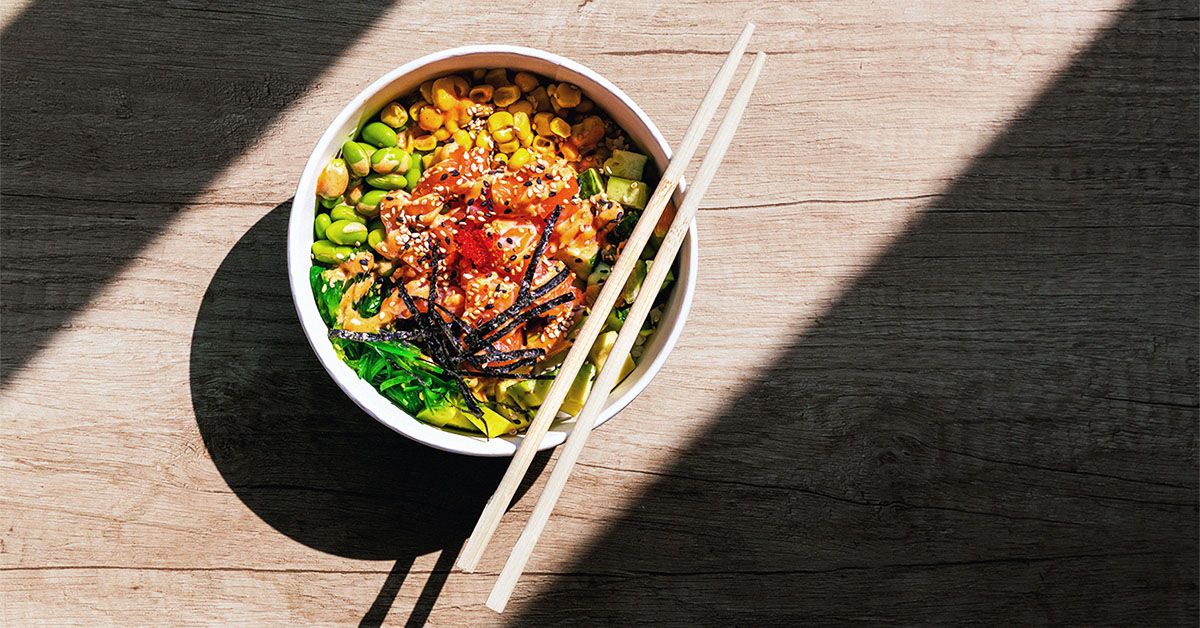
Great skin does not begin and end with a fancy serum in a tiny bottle that costs more than dinner. Skin health is also built at the grocery store, in the kitchen, and yes, sometimes over a cutting board covered in avocado because someone got enthusiastic. The foods you eat can support collagen production, help your body handle oxidative stress, contribute healthy fats for the skin barrier, and provide minerals that support repair.
Of course, food is not a magic eraser. A bowl of berries will not replace sunscreen, sleep, hydration, or a dermatologist when you need one. But a healthy skin diet can absolutely give your body better raw materials. Think of it like renovating a house: topical skincare paints the walls, while nutrition helps maintain the foundation.
This guide covers 11 foods to benefit skin health and recipes to try, with practical ways to add them to real meals. No complicated wellness rituals. No smoothie that tastes like lawn clippings. Just skin-friendly foods that are nutritious, flexible, and actually enjoyable.
Note: This article is for general wellness education. If you have acne, eczema, psoriasis, allergies, food restrictions, pregnancy-related concerns, or a medical condition, talk with a qualified healthcare professional before making major diet changes or taking supplements.
Why Food Matters for Healthy Skin
Your skin is your largest organ, and like every other organ, it needs nutrients. Protein helps build and repair tissue. Vitamin C supports collagen formation. Vitamin E and plant polyphenols act as antioxidants. Omega-3 fatty acids help support a balanced inflammatory response. Zinc plays a role in wound healing and immune function. Carotenoids, the colorful compounds in orange, red, and green produce, help protect cells from oxidative stress.
The best approach is not chasing one “miracle food.” It is building a pattern: colorful plants, high-quality proteins, healthy fats, fermented foods, and less reliance on ultra-processed snacks. Your skin enjoys variety. It is basically a picky houseplant with better lighting needs.
11 Foods to Benefit Skin Health and Recipes to Try
1. Salmon: The Omega-3 Skin Supporter
Salmon is one of the best foods for skin health because it provides omega-3 fatty acids, protein, vitamin D, and other nutrients that support the skin barrier and overall wellness. Omega-3 fats are especially useful in a skin-friendly eating pattern because they help the body maintain normal inflammatory balance.
Recipe to try: Lemon-Herb Salmon Bowl
Bake a salmon fillet with olive oil, lemon juice, garlic, parsley, black pepper, and a pinch of salt. Serve it over brown rice or quinoa with cucumber, spinach, cherry tomatoes, and a spoonful of Greek yogurt dill sauce. It is colorful, filling, and takes less effort than pretending you enjoy plain steamed vegetables.
2. Avocado: Creamy Healthy Fats for the Skin Barrier
Avocado is rich in monounsaturated fats, which help make meals satisfying and support the body’s absorption of fat-soluble nutrients. It also contains vitamin E, a nutrient associated with antioxidant activity. For skin health, avocado is especially useful because it brings moisture-friendly fats to the plate without needing a complicated recipe.
Recipe to try: Avocado Citrus Toast
Mash half an avocado with lime juice, a little sea salt, and chili flakes. Spread it on whole-grain toast and top with orange segments or grapefruit pieces. The citrus adds vitamin C, while avocado adds healthy fats. It sounds fancy, but it is really just toast wearing a blazer.
3. Blueberries: Tiny Antioxidant Powerhouses
Blueberries are packed with anthocyanins, the pigments that give them their deep color. These compounds are part of the wider family of plant antioxidants that help protect cells from oxidative stress. For a healthy skin diet, berries are a smart swap for sugary desserts because they deliver sweetness with fiber and beneficial phytonutrients.
Recipe to try: Blueberry Chia Yogurt Cup
Layer plain Greek yogurt, blueberries, chia seeds, and a drizzle of honey. Add chopped walnuts for crunch. Let it sit for 10 minutes so the chia softens. This recipe works for breakfast, dessert, or that 3 p.m. moment when your brain starts negotiating with the cookie jar.
4. Sweet Potatoes: Beta-Carotene for a Colorful Plate
Sweet potatoes are naturally rich in beta-carotene, a carotenoid that the body can convert into vitamin A. Vitamin A supports normal cell growth and differentiation, which matters because skin cells are constantly renewing. Orange vegetables like sweet potatoes also make meals feel cozy, which is not a clinical benefit but should not be underestimated.
Recipe to try: Roasted Sweet Potato Skin Bowl
Cube sweet potatoes and roast them with olive oil, smoked paprika, garlic powder, and black pepper. Serve with black beans, spinach, avocado, salsa, and pumpkin seeds. The result is fiber-rich, colorful, and satisfying enough to make you forget it is technically a “healthy bowl.”
5. Tomatoes: Lycopene With Meal-Friendly Versatility
Tomatoes contain lycopene, a red carotenoid studied for its role in helping the skin respond to UV-related oxidative stress. Cooking tomatoes with a little olive oil can make lycopene easier for the body to use. That means tomato sauce is not just comfort food; it can be part of a skin-supportive plate when paired with whole foods.
Recipe to try: Quick Tomato Olive Oil Pasta
Sauté garlic in olive oil, add crushed tomatoes, basil, black pepper, and a pinch of salt. Simmer for 12 minutes, then toss with whole-grain pasta. Add sardines, grilled chicken, or white beans for protein. Finish with arugula for a peppery bite.
6. Walnuts: Plant-Based Omega-3s and Crunch
Walnuts provide alpha-linolenic acid, a plant-based omega-3 fat, along with polyphenols and minerals. They are easy to add to meals and snacks, making them one of the simplest foods to benefit skin health. A small handful can add crunch and healthy fats without turning your lunch into a full cooking project.
Recipe to try: Walnut Berry Spinach Salad
Toss spinach with blueberries or strawberries, toasted walnuts, sliced cucumber, grilled chicken or chickpeas, and a vinaigrette made with olive oil, lemon juice, Dijon mustard, and a small spoon of honey. This salad has antioxidants, protein, healthy fats, and enough texture to avoid the dreaded “sad desk lunch” problem.
7. Pumpkin Seeds: Zinc in a Snackable Form
Pumpkin seeds are a good source of zinc, a mineral involved in immune function, cell division, and wound healing. Zinc is often discussed in relation to skin because repair and renewal depend on it. Food sources are generally a safer everyday strategy than high-dose supplements unless a clinician recommends otherwise.
Recipe to try: Crunchy Pumpkin Seed Sprinkle
Toast pumpkin seeds in a dry skillet for two to three minutes. Add a pinch of smoked paprika, garlic powder, and a tiny splash of olive oil. Sprinkle over soups, salads, roasted vegetables, oatmeal, or avocado toast. It is the easiest way to make a meal look intentional.
8. Spinach: Leafy Greens for Vitamins and Phytonutrients
Spinach contains vitamin K, folate, vitamin C, beta-carotene, lutein, and other plant compounds. Leafy greens are a cornerstone of a healthy skin diet because they add micronutrients without a heavy calorie load. They also blend easily into meals, which is helpful if you like the idea of greens more than the chewing of them.
Recipe to try: Spinach Mango Smoothie
Blend spinach, frozen mango, plain kefir or yogurt, chia seeds, and a squeeze of lime. The mango keeps it sweet, the spinach disappears like a polite guest, and the yogurt or kefir adds protein and creaminess. Add water until it reaches your preferred texture.
9. Greek Yogurt or Kefir: Fermented Foods for the Gut-Skin Connection
The gut-skin axis is an active area of research, and fermented foods such as Greek yogurt and kefir can help support a balanced gut microbiome. While yogurt will not single-handedly solve a skin condition, it can fit into a skin-friendly diet by providing protein, calcium, and live cultures when labeled as containing active cultures.
Recipe to try: Savory Yogurt Cucumber Bowl
Mix plain Greek yogurt with grated cucumber, lemon juice, garlic, dill, and black pepper. Serve with grilled salmon, roasted chickpeas, or whole-grain pita. It is refreshing, protein-rich, and basically tzatziki with main-character energy.
10. Green Tea: Polyphenols in a Cup
Green tea contains catechins, a class of polyphenols studied for antioxidant and skin-supportive properties. It is not a substitute for sunscreen, but unsweetened green tea can be a smart beverage choice if you want something more interesting than water and less dramatic than another caramel coffee drink.
Recipe to try: Iced Green Tea With Citrus and Mint
Steep green tea for two to three minutes, then chill it. Add lemon slices, orange slices, fresh mint, and ice. For a lightly sweet version, stir in a small amount of honey while the tea is still warm. Serve with lunch or sip it during the afternoon slump.
11. Bell Peppers: Vitamin C With Crunch
Bell peppers, especially red and yellow peppers, are rich in vitamin C. Vitamin C is essential for collagen production and also works as an antioxidant. Because collagen is a major structural protein in the skin, vitamin C-rich foods deserve a regular place on the plate.
Recipe to try: Bell Pepper Chickpea Skillet
Sauté sliced bell peppers with onions, olive oil, garlic, chickpeas, cumin, and a pinch of chili powder. Finish with lemon juice and parsley. Serve over quinoa or brown rice. It is bright, affordable, and meal-prep friendly.
How to Build a Skin-Friendly Meal Plan
The easiest way to use these foods is to combine them rather than eat them one at a time like a very determined nutrition experiment. A skin-supportive breakfast might include Greek yogurt with blueberries, chia, and walnuts. Lunch could be a spinach salad with salmon, tomatoes, avocado, and pumpkin seeds. Dinner might be roasted sweet potatoes with chickpeas, bell peppers, and a yogurt herb sauce.
Try to include three skin-supporting elements in most meals: color, protein, and healthy fat. Color usually means vitamins, minerals, and phytonutrients. Protein supports tissue repair. Healthy fat supports satiety and helps absorb fat-soluble nutrients. This simple formula is easier than counting every micronutrient and much less likely to make you abandon the plan by Wednesday.
Foods That May Work Against Skin Goals
Skin reactions are personal. Some people notice breakouts or redness after certain foods, while others can eat the same foods with no issue. Still, a pattern high in added sugar, refined carbohydrates, heavy alcohol intake, and ultra-processed foods may make it harder to support overall skin wellness. These foods can crowd out the nutrients your skin actually needs.
You do not need perfection. A cupcake at a birthday party is not a dermatological emergency. The goal is consistency over time. More salmon bowls, more berries, more greens, more healthy fats, and fewer meals that come exclusively from wrappers. Your skin does not need a punishment diet. It needs steady support.
Simple Weekly Recipe Plan for Better Skin Nutrition
Monday: Salmon and Sweet Potato Bowl
Use baked salmon, roasted sweet potatoes, spinach, avocado, and pumpkin seeds. Add lemon yogurt sauce for brightness.
Tuesday: Tomato Chickpea Pasta
Make a quick tomato sauce with olive oil and garlic. Add chickpeas for protein and serve with a side salad.
Wednesday: Blueberry Walnut Yogurt Breakfast
Layer Greek yogurt, blueberries, walnuts, chia seeds, and cinnamon. This is fast enough for busy mornings and tasty enough to repeat.
Thursday: Bell Pepper Stir-Fry
Sauté bell peppers, spinach, onions, and tofu or chicken. Serve over brown rice with a squeeze of lime.
Friday: Avocado Green Tea Lunch
Make avocado toast with tomatoes and pumpkin seeds. Pair with iced green tea and citrus.
Weekend: Flexible Skin-Health Meal Prep
Roast a tray of sweet potatoes and bell peppers, cook a grain, wash spinach, and make yogurt herb sauce. With those basics ready, skin-friendly meals become faster than ordering takeout and negotiating with delivery fees.
Experience Notes: What This Looks Like in Real Life
Eating for skin health works best when it feels realistic. In everyday life, most people do not wake up ready to lovingly massage kale while reciting the benefits of antioxidants. They wake up tired, busy, and possibly suspicious of anything labeled “glow food.” That is why the most successful skin-friendly eating habits are simple, repeatable, and forgiving.
One practical experience many people notice is that breakfast sets the tone. A high-sugar breakfast can lead to a snack spiral before lunch, while a balanced breakfast with protein, fiber, and healthy fat keeps energy steadier. A Greek yogurt bowl with blueberries, walnuts, and chia seeds takes about five minutes and covers several skin-supportive bases at once. It provides protein, antioxidants, omega-3 plant fats, and probiotics if the yogurt contains live cultures. It also feels like a treat, which matters. A diet that feels like punishment usually has the lifespan of a houseplant in a windowless office.
Another useful habit is building a “default bowl.” This is a meal you can make without thinking too hard. Start with spinach or mixed greens, add a protein such as salmon, chickpeas, eggs, tofu, or chicken, include a colorful vegetable like tomatoes or bell peppers, add a healthy fat like avocado or olive oil, then finish with seeds or nuts. The flavor can change with different sauces: lemon dill yogurt, tomato salsa, tahini, or a simple vinaigrette. The structure stays the same, which reduces decision fatigue.
Meal prep also helps, but it does not need to become a Sunday afternoon cooking marathon with 42 containers. Roast two vegetables, cook one grain, and prepare one sauce. That is enough. Roasted sweet potatoes and bell peppers can become breakfast hash, lunch bowls, taco filling, or a side dish. A yogurt herb sauce can work with salmon, chickpeas, cucumbers, or whole-grain pita. Small prep creates flexibility, and flexibility keeps the habit alive.
Hydration is another area where people often overcomplicate things. You do not need a gallon jug with motivational time stamps yelling at you. Water, unsweetened tea, water-rich fruits, soups, and balanced meals all contribute. Green tea with citrus can be a pleasant replacement for sugary drinks, especially in the afternoon. It gives you flavor without turning your beverage into dessert with a straw.
Finally, the biggest experience-based lesson is patience. Skin cell turnover and visible changes take time. A week of salmon and blueberries will not make your mirror gasp dramatically. But after several weeks of eating more colorful plants, healthy fats, and protein, many people feel better overall: steadier energy, better digestion, fewer snack cravings, and a more consistent routine. Skin health is connected to the whole body, so the benefits of this way of eating often go beyond the face.
Conclusion: Feed Your Skin Like You Mean It
The best foods to benefit skin health are not mysterious. They are familiar ingredients with real nutritional value: salmon, avocado, blueberries, sweet potatoes, tomatoes, walnuts, pumpkin seeds, spinach, Greek yogurt or kefir, green tea, and bell peppers. Together, they provide omega-3 fats, vitamin C, vitamin E, zinc, carotenoids, polyphenols, probiotics, protein, and fiber.
The secret is not eating all 11 foods every single day. The secret is rotating them into meals you already enjoy. Add blueberries to breakfast. Put spinach in a smoothie. Use tomato sauce with olive oil. Roast sweet potatoes. Snack on walnuts. Drink green tea. Make salmon once or twice a week. These small choices build a healthy skin diet that is practical, delicious, and sustainable.
Skincare products can help from the outside, but nutrition supports your skin from within. Give your body better ingredients, and it has a better chance of doing what it is designed to do: repair, renew, protect, and keep you looking less like you survived entirely on coffee and vibes.